Travelling Friday…with some Family History

T-Team, Next Generation: Uluru (1)

Central Australian Convoy 2013

[Eleven years ago, the T-Team, next generation embarked on their pilgrimage to Central Australia. Purpose: to scatter Dad’s ashes in his beloved Central Australia, in Ormiston Gorge.
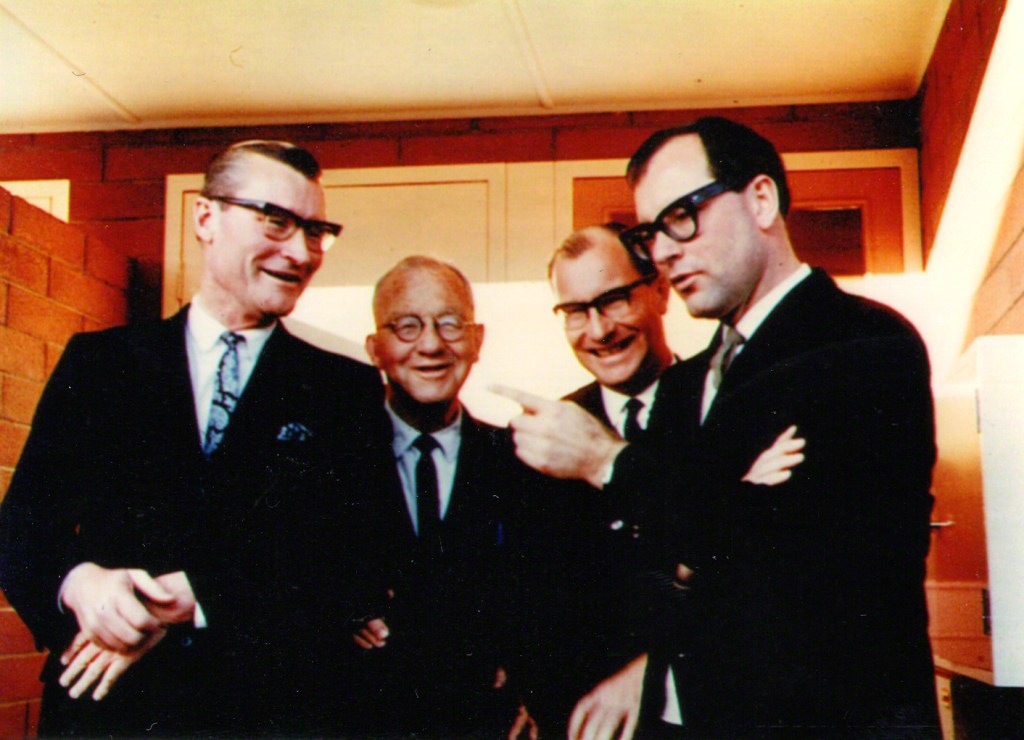
[Photo 1: Ron Trudinger(snr), second from the left © scanned from slide courtesy of L.M. Kling circa 1913)]

I add here, that today, is my paternal grandfather’s birthday. In 1886, he was the first of his family to be born in Australia, a true-blue Aussie. His 12 siblings had been born in England, and his parents in Germany. Like the rest of his family, he was full of adventure and yen to travel. Seven of his siblings were missionaries. Some in China, while he and his brother were missionaries in the Sudan. Although his brother then went on to be a missionary in Korea, my grandpa continued his mission work in Sudan for decades until he retired in 1954. But, even after his retirement, the spirit of adventure spurred my grandpa on to travel to Central Australia to visit my uncle in Ernabella at the top end of South Australian, and my dad in Hermannsburg, Northern Territory.

On that note, over the next few weeks, I will continue to take you on a virtual trip to the Centre and memories of that unforgettable holiday in 2013, with my brother and his family; the T-Team Next Generation.]

Uluru—The Sign Not to Climb

Monday, July 8, 2013

Last night, over a game of cards, the T-Team decided to stay an extra night in the Yulara Campsite.

So, that morning, after a well-deserved sleep in, we pottered around the campsite, cooking, sorting, and relaxing. My husband, Anthony was doing a great deal of hunting…things, where were they?

Around midday, the T-Team, loaded up with hampers for a picnic lunch, set off for the Rock. We dutifully lined up at the National Park check point, for our passes.

[Photo 2: First glimpses of Uluru © L.M. Kling 2013]

Once through, Anthony gazed at the Rock. ‘Wow! It’s huge!’

‘It’s even more spectacular third time round,’ I remarked.

‘How long does it take to climb the rock?’ he asked.

‘Oh, a couple of hours, although, we are older; more like my Dad’s age when he climbed with us kids in 1981. He took longer to climb than us.’ I wasn’t keen on climbing and was going to give my excuses (such as inadequate footwear) when we arrived at the climbing site.

[Photo 3: Memories of the T-Team climbing the Rock © L.M. Kling 1981]

We parked the Ford in the first free space we could find. Before us, stood rows upon rows of busses. The area was already swarming with tourists.

‘This’ll be fun,’ I muttered, ‘the Rock’ll be covered with climbers.’

‘Where do we go?’

‘Follow the crowds.’ I sauntered behind a couple with packs on their backs and decked out in state-of-the-art hiking gear. ‘This way.’

We reached the climbing site and gazed up at the empty expanse of rock.
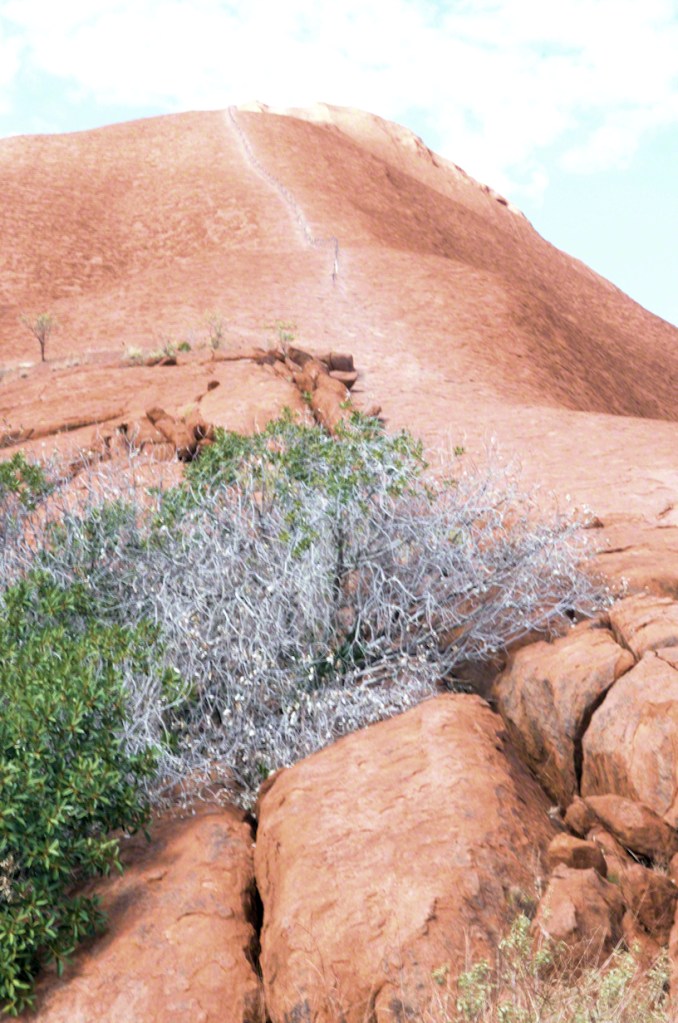
[Photo 4: An empty expanse of Rock © L.M. Kling 2013]

‘What’s happening?’ Anthony asked.

‘Read the notice,’ I answered.

Anthony peered at a sign and read, ‘No entry.’

‘The one behind it,’ I sighed.

Anthony frowned. ‘Hmm, due to high winds the Rock is off-limits.’

The rest of the T-Team arrived. They milled around the gate as if willing the sign to change.
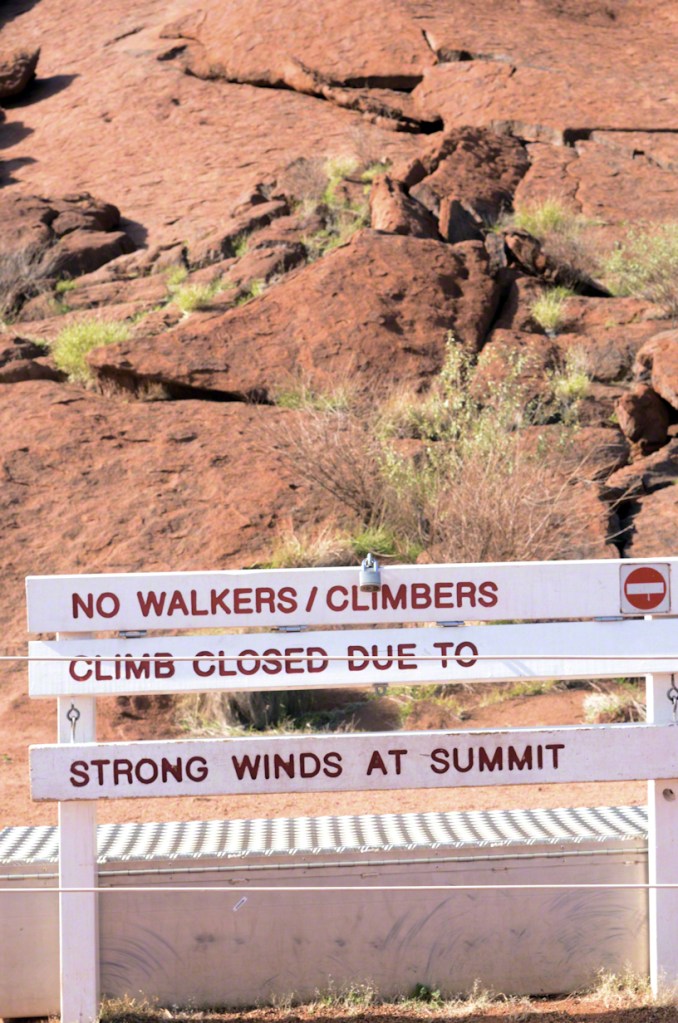
[Photo 5: The Forbidding Sign © L.M. Kling 2013]

‘Well, that’s a bummer!’ Mrs. T said. ‘I wanted to climb the Rock.’

‘We can explore the Olgas instead.’ Rick pointed at the pale blue (distant) stumps of Kata Tjuta. ‘We can have lunch there.’

With long faces, the T-Team trekked back to their vehicles, and we sped west down the Lassiter Highway to Kata Tjuta.

[Photo 6: And leaving Uluru behind…for now © L.M. Kling 2013]

Over lunch, my brother and wife discussed with us their reservations about staying another night, as they had not budgeted for it. A reluctant Anthony agreed we would cover the cost of the extra night. After all, having seen the magnificence of the Rock and the Olga’s, Anthony wanted to spend more time exploring these wonders—and hopefully, climb the Rock…another day.

Kata Tjuta

[Photo 7: Then: Walpa Gorge in 1981 © C.D. Trudinger 1981]

As the afternoon light bathed the conglomerate boulders of Kata Tjuta in bronze, the T-Team explored Walpa Gorge. Except Mrs. T who had retreated to the van. She had a headache.

The site had been seriously sanitised since the T-Team’s last visit in 1981. All for the tourists and preserving the environment. Parts of the track were paved, with plastic bridges over ditches. The edges were roped off and signs warning of fines for those who chose to stray from the path.

[Photo 8: Walpa Gorge in 2013 © L.M. Kling 2013]

The wind howled through the steep valley between the massive lumps of rock. A hoard of tourists followed us as we marched up Walpa Gorge.

[Photo 9: Tourist Group a-marching © L.M. Kling 2013]

Richard and the T-Lings met us on their return.

‘Boring!’ Richard said. ‘You have to stick to the path.’

‘But I want to still see what’s up there,’ Anthony said.

‘You can get a $135 fine if you go off the path,’ a random lady warned as she passed us.

My younger niece nodded. ‘I know, my brother just went a little off the path and this Indigenous guy appeared from nowhere and told us we’d be fined.’

‘So, I jumped right back on the path again,’ my nephew added. ‘I didn’t want a fine.’

As the T-Team Next Generation, we then hiked up Walpa Gorge as far as we could go. Not far, actually. Not like the old days when we climbed to the top of the gorge and could see the “plum pudding” rock formation on the other side.
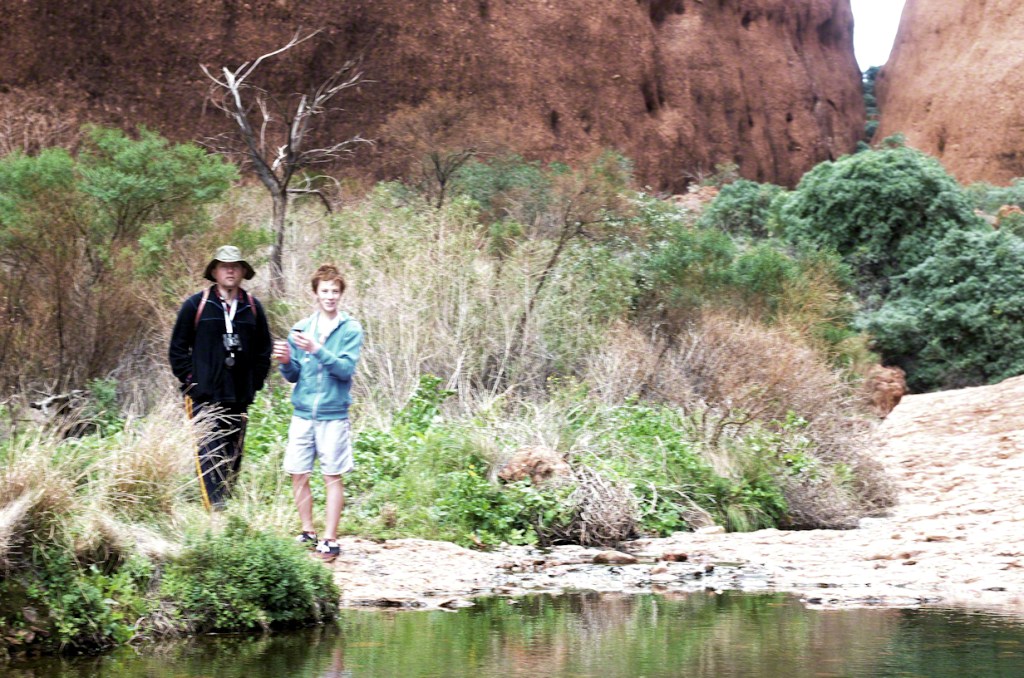
[Photo 10: The Billabong was as far as we could go © L.M. Kling 2013]
[Photo 11: Top of Walpa Gorge back in the old days © L.M. Kling (nee Trudinger) 1977]

Valley of Winds

From Walpa Gorge, the T-Team drove along the road to the Valley of Winds. After a short hike to the vantage point, we admired the view of boulders that had taken on the formation of rounded steppingstones. A school group passed by. They chatted amongst each other entertaining us onlookers with snatches of assorted topics ranging from food, to adventures in the cold.
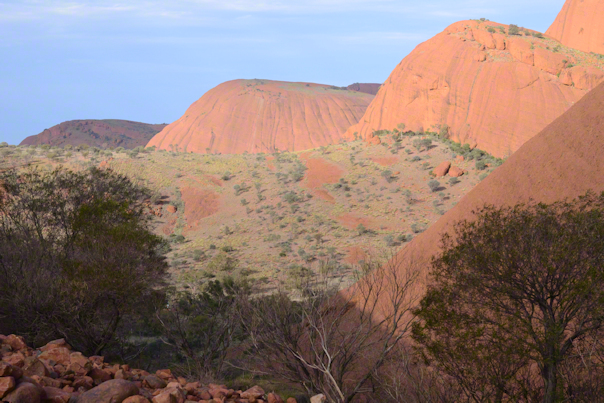
[Photo 11: The Valley of Winds © L.M. Kling 2013]

The Mystery of the Missing Boots

Evening and Anthony insisted on cooking sausages using the camping BBQ facilities provided. Finally, after what seemed an eternity, the snags were ready. Even shared a few with the teenaged T-Lings who have hollow legs when it came to food.

Then, as the campsite descended into darkness, Anthony’s voice rose in frustration. ‘Lee-Anne, where are your boots?’

‘Boots? Why do you need my boots?’

‘You need proper hiking boots for hiking,’ he snapped. ‘How are you going to climb the Rock in your sandshoes?’

‘Not going to climb,’ I muttered.

‘Where are they? I’m sure we packed them.’

‘Maybe we didn’t,’ I bit back, then wandered off to the BBQ facilities. There I heated up milk for hot chocolate.

Later, after drinking hot chocolate, I rang Son 1 back in Adelaide. During the conversation, I said, ‘By the way, I am missing my hiking boots. Would you be able to find them and bring them up when you and your brother and Grandma come up to Alice Springs next Saturday?’

Son 1 assured me that he would.

© Lee-Anne Marie Kling 2020; updated 2024

Feature Photo: The Empty Flanks of Uluru © L.M. Kling 2013

***

Virtual Travel Opportunity

For the price of a cup of coffee (takeaway, these days),

Click on the link and download your kindle copy of my travel memoir,

The T-Team with Mr. B: Central Australian Safari 1977
Trekking with the T-Team: Central Australian Safari. (Australia)
Travelling Friday–T-Team Next Generation (3)

[Over ten years ago, the T-Team, Next Generation embarked on their pilgrimage to Central Australia. Purpose: to scatter Dad’s ashes in his beloved Central Australia, in Ormiston Gorge.

Over the next few weeks, I will take you on a virtual trip to relive and rekindle memories of our travel adventures. This time again to the Centre and memories of that unforgettable holiday in 2013, with my brother and his family; the T-Team Next Generation.]

Yulara

Sunday 7 July 2013

Creature Comforts

Anthony tore off the tarpaulin and then, armed with the foldable shovel, stomped off in the direction of the bushes.

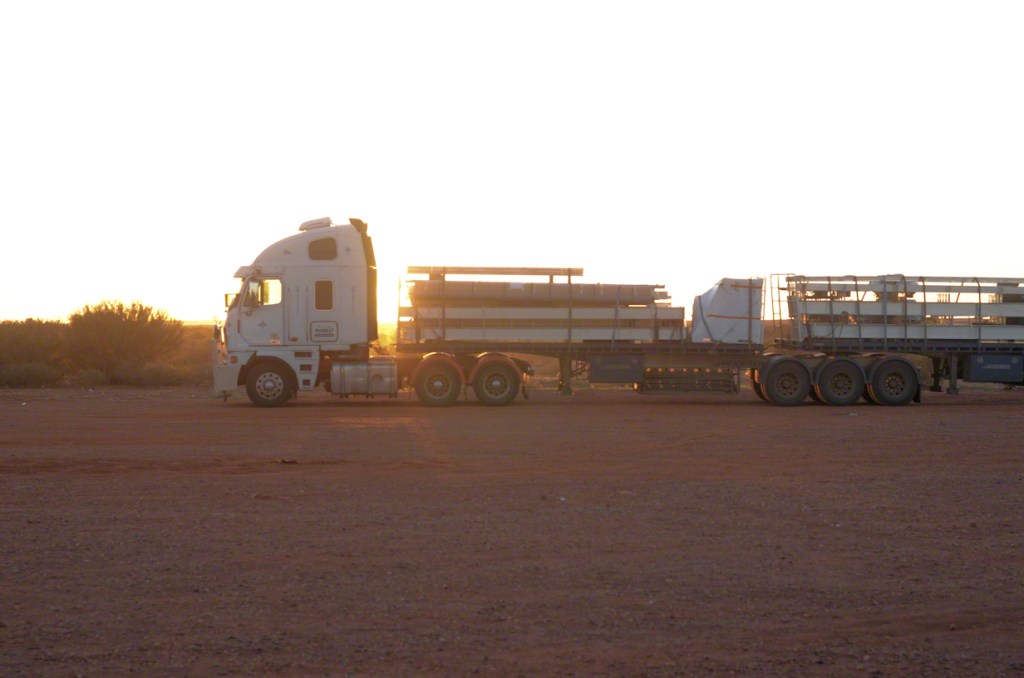
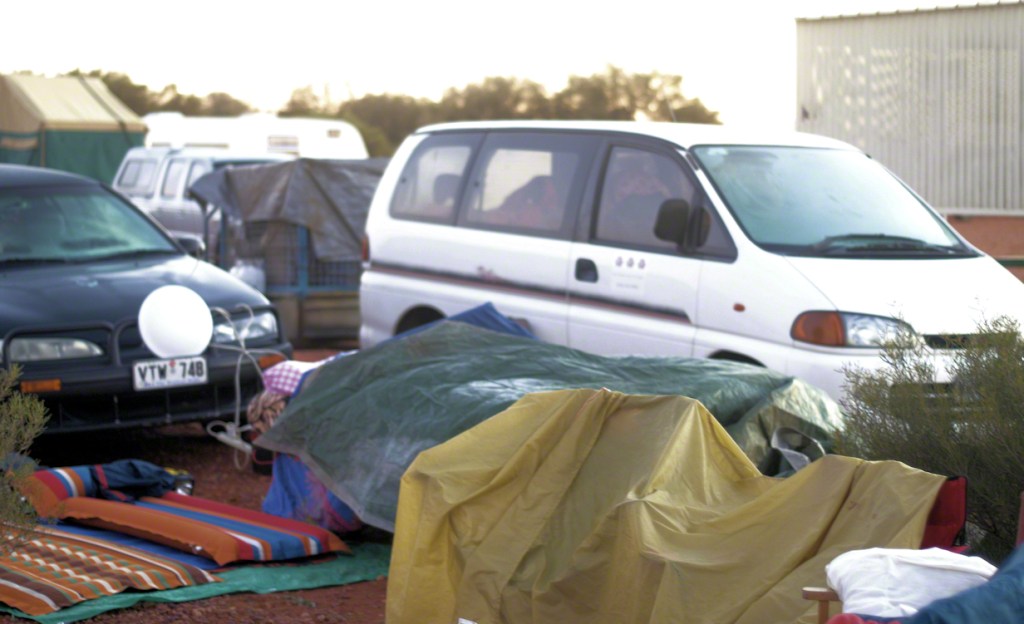
In the harsh light of morning, the scene into which we were brought under the shroud of darkness last night, was revealed. Road trains thundered past on the nearby Sturt Highway. On the opposite side of the road, a couple of these road-monsters basked in the golden rays of the rising sun. Camper vans and caravans crowded the free camping area.

*[Photo 1 and Feature: Early morning road train onslaught © L.M. Kling 2013]

I pottered around the wire fence that protected us from the Adelaide to Darwin rail line. I did not fancy an oncoming Ghan crushing me. Toilet paper littered the stony ground, shreds of it caught in the barbed wire of the fence, and nests of it rested under the salt bush. I gingerly picked up an armful of wood scraps. Hope it wasn’t contaminated.

Anthony returned from his morning adventure; a frown fixed on his face.

*[Photo 2: Our free “camping” accommodation © L.M. Kling 2013]

‘How did you sleep, dear?’ I asked.

‘Not good, I didn’t sleep a wink.’ He pointed his shovel at the quiet mound resembling my brother and wife. ‘I had a chorus of snorers keeping me awake all night.’ He then glared at my pitiful gathering of sticks. ‘What’s that?’

‘Sticks for a cooking fire.’

My husband rolled his eyes. ‘And where are you going to put that?’

‘Where there’s a clear space.’

‘Good luck.’ He sniffed. ‘There was nowhere even to do my business. I had to walk miles.’ Anthony loves to exaggerate. ‘I can’t believe people don’t cover their mess.’

My nephew came jogging up to us. ‘I want a fire. Where’s the campfire? It’s freezing.’

I glanced around. Spying a clear patch of ground, I announced, ‘Here, I’m getting it started now.’

‘Watch out for any poo. This place is full of it,’ Anthony said.

My nephew chuckled. ‘We’ll use it as fuel, Uncle Anthony.’

Anthony shuddered. ‘Won’t be eating anything from that fire, then.’

I bent down, then cleared stones away to create a shallow basin to make the fire. Soon a small but functional campfire crackled away. Perched on top of the coals, a billy bubbled with boiling water.

Anthony sat some distance from the fire munching on his cereal. There was no way he’d get close to the fire. After all, who know what lies beneath or nearby, on the ground in this part of the world, unregulated by OC Health and Safety.

*[Photo 3: Fire master Anthony © L.M. Kling 2013]

My nephew fried eggs on a frypan on that small but adequate fire.

The free camping site slowly emptied itself of vehicles. First, the trucks disappeared. Then, the Grey nomads, and their luxury on wheels vanished. I imagined they had left once the sun had peeped over the horizon. The caravans had gone too. Just us, the not so grey T-Team stumbled around the parking bay, slowly packing up bedding, wandering beyond in search of a bush in lieu of a toilet, and then gulping down breakfast.

I picked up a stray piece of wood for the fire. A poopy looked up at me. I recoiled. ‘Ee-yew!’

To avoid the inevitable “told you so” from Anthony, my nephew and I announced the fire a success, doused it and covered the remains with dirt.

‘Time to go!’ Mrs. T yelled. ‘Next stop Marla.’

‘What?’ Richard, my brother asked. ‘That’s only about twenty kilometres away.’

‘There’s no way I’m squatting anywhere ‘round here. It’s a tip!’ his wife replied.

*[Photo 4: Making progress; SA-NT Border gathering of T-Team, Next Gen © L.M. Kling 2013]
*[Photo 5: T-Team Climbing the Wall, SA-NT border © L.M. Kling 2013]

So, after a day of driving with the quick toilet stop at Marla, an obligatory exploration and photo stop at the South Australian—Northern Territory border, and then a petrol pause at Erldunda, we turned down the Lassiter Highway to Uluru.

We travelled in convoy on this perfect sunny day. Anthony’s mood seemed to thaw, and he was happy to take the wheel while I filmed parts of the drive with my Dad’s digital movie camera. The bold purple mesa, Mt Conner emerged above the rusty-coloured sand dunes.

We parked at the viewing station to take a photo of this spectacular landform. Some of the T-Party took advantage of the facilities. I had in mind to follow them. But as I approached the wooden huts, the stench and surrounds thick with flies buzzing, made me turn back to the car. I decided to hold on until we reached the Yulara camping ground.

*[Photo 6: Mt. Conner in the afternoon light © L.M. Kling 2013]

The stretch to Yulara wowed us with tantalising glimpses of the rock, in shades of mauve peeping through the waves of low sand dunes and desert oaks.

*[Photo 7: Glimpses of Uluru © L.M. Kling 2013]

We reached the Yulara Camping Ground which lies just outside the Uluru-Kata Tjuta National Park. Then, we had to wait in line to register and pay for our camping allotment.

Anthony drummed his fingers on the steering wheel and muttered, ‘Unbelievable! Hope we’re not too late.’

‘No wonder the grey nomads left early,’ I joked. ‘Anyway, I thought we’d booked.’

‘You know what thought did.’

Yep, after no sleep and all the driving, Anthony was not happy. Fortunately, though, our sites were still there and after tolerating the queues, we paid our fees and were directed to our adjoining grassy patches near the edge of Yulara. Not too distant were the toilet/shower blocks. As soon as we had parked, I made a beeline for these creature comforts.

Anthony set up our barely used 4-man tent with only the bare minimum help from me. Must remember that the thick pole has to go at the front and the thin pole next in line. While Anthony hammered in the tent pegs to secure the tent, I stood holding the pole and watching my brother’s family battle in the construction of their new tent. Five of them, twisting and turning, standing and sitting, lifting walls and dropping them, labouring at snail’s pace to build their tent.

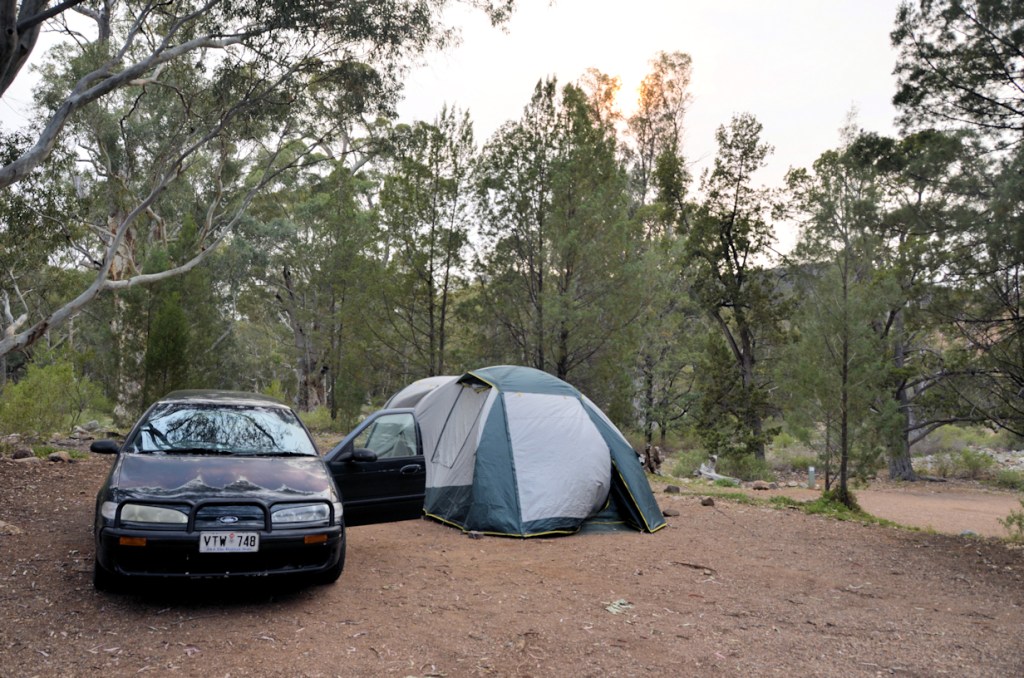
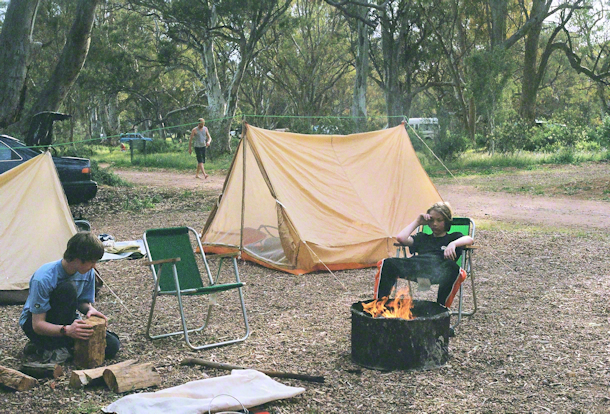
*[Photo 8: Our tent and campsite in the Flinders Ranges 2007 © L.M. Kling 2007]

‘Amazing,’ I remarked, ‘Their tent needs five people to build it and you’ve put ours up by yourself, Anthony.’

Anthony looked over at the T-Team and grunted, ‘Well, since I put up the tent, you can cook tea.’

This I did, using our portable camp stove. Signs all about the camping ground warned that there would be consequences, a fine for making one’s own personal campfire. The BBQ facilities opposite our campsite were monopolised by other campers.

As I stirred the spaghetti sauce, Anthony walked up to me and narrowed his eyes. ‘What are you using that for? Can’t you see?’ He pointed at the now vacant BBQ stands.

‘They weren’t available when I started,’ I replied. ‘Too late now, tea is almost ready.’

Later, I tried boiling water on the stoves that Anthony preferred. I stood, hovering over the billy of water, watching and waiting for something to happen for twenty, then thirty minutes.

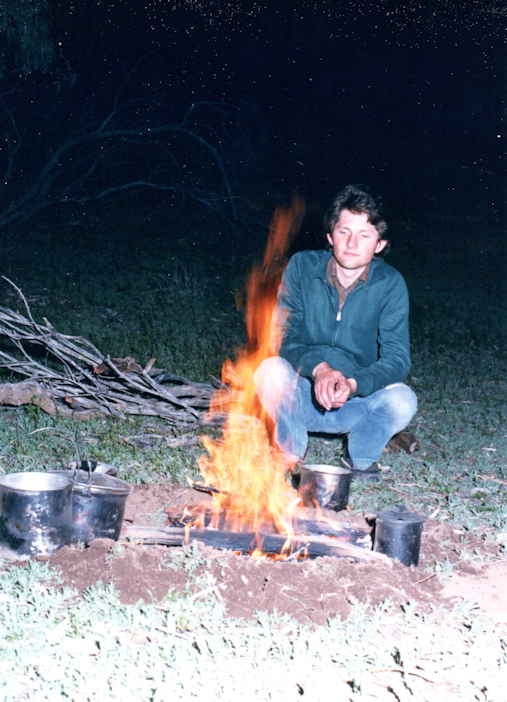
*[Photo 9: Billies boiling on fire—Ah, those were the days when campers could have their own fires © L.M. Kling 1989]

Anthony marched over to me. ‘What are you doing?’

‘Waiting for the water to boil.’

We waited another twenty minutes in the icy cold darkness. ‘Seems that it’s too cold for the water to boil,’ I concluded.

Anthony and I sauntered over to the T-Team’s camp. Richard invited us to play cards and enjoy a hot drink. My brother had hooked up lights and electric cooking facilities courtesy of an inverter/generator which he had brought along for the trip. My brother connected the inverter to a spare car battery which was charged as the car travelled, and voila, the T-team had light, and their own personal electric cooking facilities.

Beyond, on route to the shower block was a communal fire pit. But on our first night in Yulara, no one was taking advantage of that.

*[Photo 10: Stories around the Campfire © L.M. Kling 2017]

I pondered that with a bit of distance between us and the snoring T-Team, perhaps Anthony will sleep more soundly this night.

[to be continued…next chapter, The Awe of Uluru]

© Lee-Anne Marie Kling 2020; Updated 2024

Feature Photo: Mt. Conner © L.M. Kling 2013

***

Virtual Travel Opportunity

For the price of a cup of coffee (takeaway, these days),

Click on the link and download your kindle copy of my travel memoirs,

The T-Team with Mr. B: Central Australian Safari 1977 (Australia)

The T-Team with Mr. B: Central Australian Safari 1977 [United States)

Trekking with the T-Team: Central Australian Safari. (Australia)

Trekking With the T-Team: Central Australian Safari (United States)

Travelling Friday–T-Team Next Gen: Coober Pedy

Saturday 6-7-13

Coober Pedy

Meet by the Monument. What monument?

[Day 2 of the T-Team Next Gen’s pilgrimage to Central Australia to scatter Dad’s ashes…]

Mambray Creek greeted us with a picture-perfect morning; a morning that, in years to come, we could boast about to the T-Team who missed it in all its delicate beauty. Kookaburras announced the sunrise with their manic laughter. Parrots chattered in the trees. The air was calm, but not too cold.  And the shower in the stone toilet block was warm and refreshing. I wondered where the MB (My Brother) component of the T-Team had camped. If they had camped. And if they’d enjoyed a warm shower in the morning.

[Photo 1: Morning glow at Mambray Creek © L.M. Kling 2013]

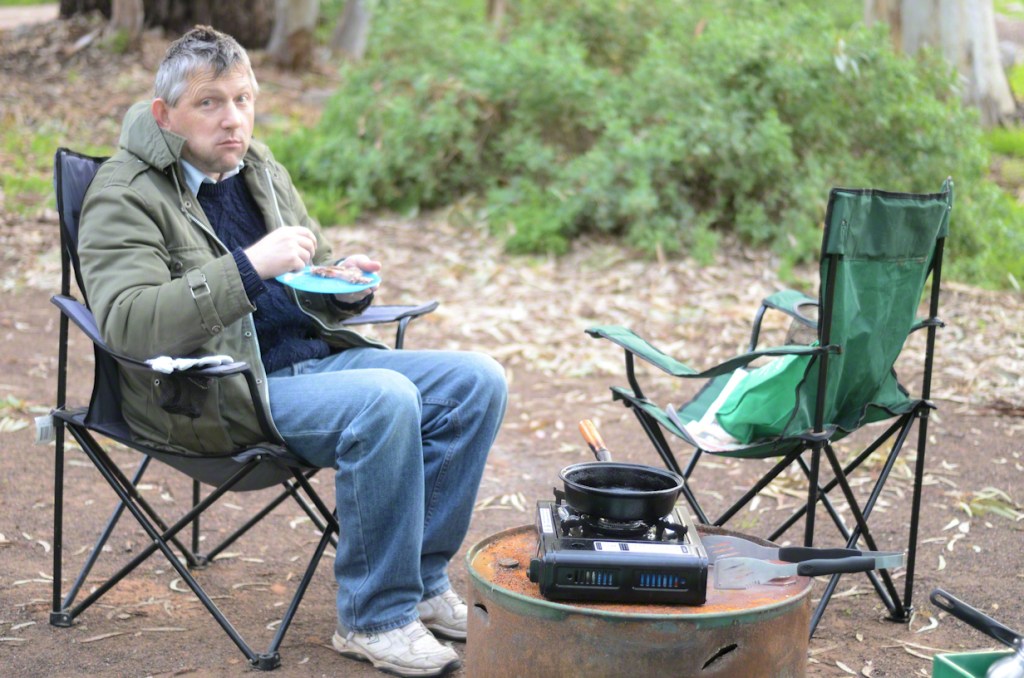
When I returned from my shower, Hubby was busy sizzling chops on the portable butane gas cooker. The aroma drew me in and soon I enjoyed lamb chop sandwich for breakfast.

[Photo 2: Hubby with cooked lamb chops © L.M. Kling 2013]

Then we were packed and ready to hit the road to Coober Pedy by 9.30am. The plan, meet the rest of the T-Team at Coober Pedy.

[Photo 3: A magpie wanted some chops too. Mambray Creek © L.M. Kling 2013]

On the way, we stopped in at Port Augusta where we bought those inevitable forgotten items such as a wooden board and soap. Now, if I hadn’t had a shower that morning…and if Hubby hadn’t cooked breakfast…

We then commenced the journey on the Stuart Highway, flat, straight, gibber plains each side and the white dividing line disappearing into the distance. Hubby was happy to tackle this new kind of boring.

[Photo 4: Start of the Stuart Highway. Goodbye, Flinders Ranges © C.D. Trudinger 1981]

Hubby’s phone tingled breaking the monotony at 11am. My niece informed us that the T-Team had already reached Coober Pedy.

‘They must’ve driven most of the night,’ Hubby remarked.

I had visions of MB and co not sleeping until they were on the outskirts of Coober Pedy.

As the phone reception was seriously patchy, the bare amount of information was exchanged. Arrangements were made to meet at the monument when we arrived. They would be spending the day at Coober Pedy, enjoying the sights and attractions of this mining town.

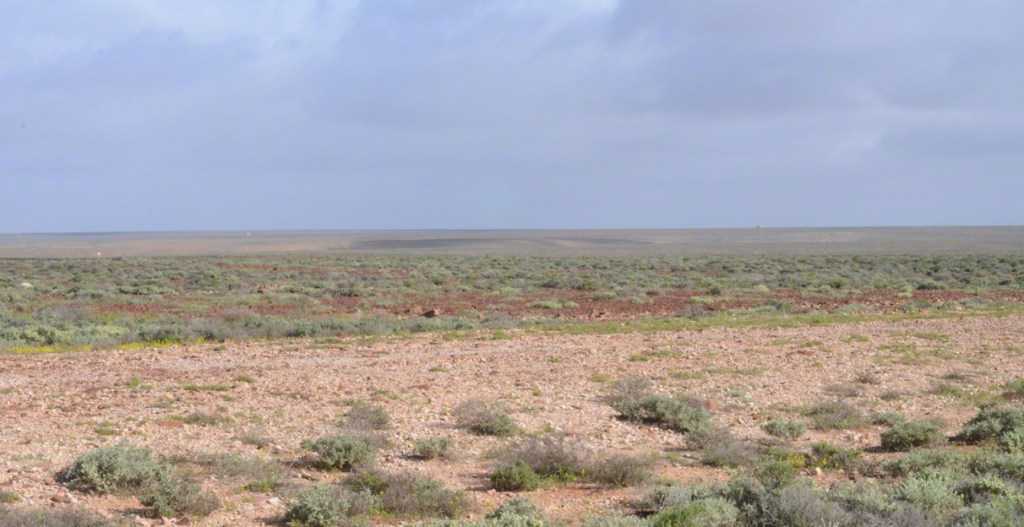
We continued our trek towards Coober Pedy, obeying the speed limit of 100km per hour. The Gibber Plains sparkled like silver. I took some photos of the gibber when we had a short break.

[Photo 5: Gibber Plains by the Stuart Highway © L.M. Kling 2013]

Six hours after the T-Team had called us, we arrived in Coober Pedy. In an effort to find the agreed monument, we took a scenic tour of Coober Pedy and its grid of streets. No Monument. No T-Team.

‘What does this monument look like?’ Hubby asked.

I shrugged. ‘Like a monument.’ I had a vague recollection from my youth and the T-Team’s trek with Mr. B in 1977. MB and I had our photos taken by this so-called monument, or on this monument. But finding something that resembled the fuzzy memory in my mind? Nup, not today.

I rang my niece. ‘Where are you?’

‘We’re at the playground with the giant tyres,’ she replied. ‘You can’t miss it. It’s the first thing you see when you enter Coober Pedy.’

‘We’re having a barbeque!’ Mrs. T yelled.

‘Where are they?’ Hubby asked.

‘The playground near the entry of Coober Pedy,’ I said, ‘We must’ve driven right past them.’

‘How could you miss them?’ Hubby snapped. ‘Are you blind?’

‘Must’ve been in a parallel universe,’ I muttered. Sure, there was no one there when we drove into the town.

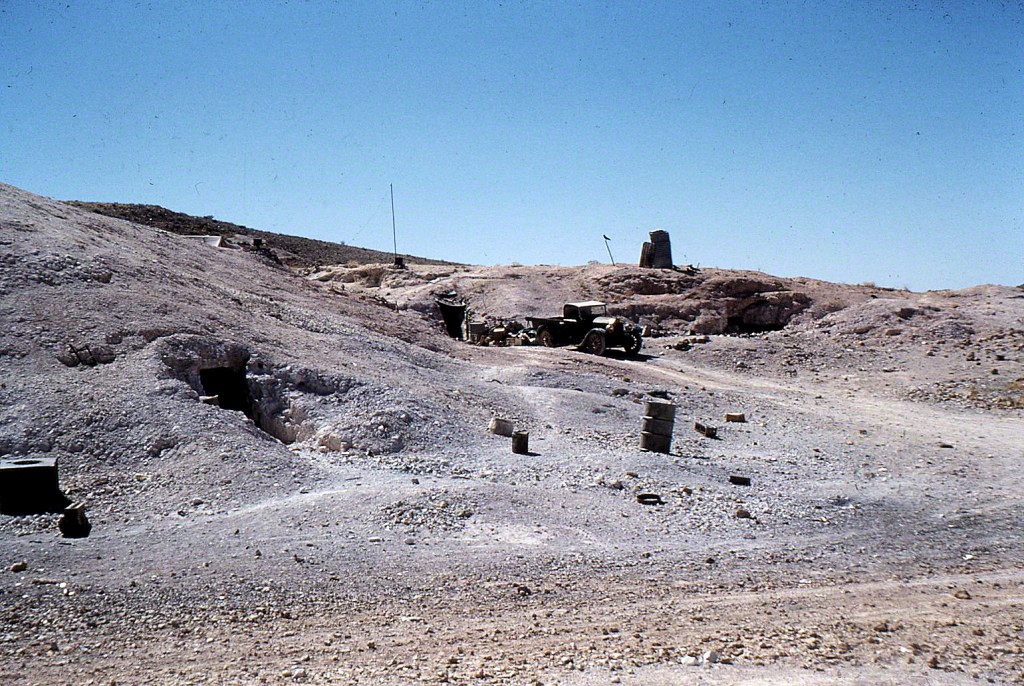
[Photo 6: Had they fallen down a mine shaft? The many mine shafts on the outskirts of the opal mining town, Coober Pedy © S.O. Gross 1955]

Hubby wound his way through the straight streets to the playground with the tyres. He glanced at the giant tyre structure. ‘Did you mean this monument?’

‘I don’t know, but obviously the MB did.’ I pointed. ‘There they are.’

MB was fiddling with the barbeque hotplates while Mrs. T stood behind him with a packet of sausages. The T-ling girls played on the swings, while the boy sat in the van, eyes glued to his iPad. A sign near the picnic area warned that the barbeque was only to be used during daylight. The sun hovered just above the horizon.

Over sizzling sausages, Mrs. T apologised for deserting us. But she just wanted to reach Coober Pedy and spend the day there. We had planned to explore Coober Pedy on our way back, after spending a night camping there. However, Mrs. T had a sense that plans at the end of the trip may not work out and wanted to get Coober Pedy in on the way up to Central Australia.

[Photo 7: Opal from Coober Pedy cut by Hubby’s Omi (grandma) © L.M. Kling 2018]

‘Did you get any sleep?’ I asked.

‘We parked in some parking bay, just outside of the town,’ MB said.

‘It was terrible!’ the younger niece said. ‘We were all cramped in the van, and we got no sleep at all.’

‘Mum kept kicking me in the head,’ my nephew cried.

‘You were snoring!’ Mrs. T bit back.

‘No, I wasn’t. You were!’ Nephew laughed. ‘I was just imitating you.’

‘Yeah, the kids were pretty cranky that we didn’t stay at Mambray Creek,’ MB whispered to me.

‘Yeah, but, who wanted to have KFC at Port Augusta? Hmm?’ Mrs. T didn’t miss a trick. ‘I wasn’t going to go backwards once we had takeaway and had gone as far as Port Augusta.’

[Photo 8: More Stuart Highway, more gibber plain © L.M. Kling 2013]

In darkness we drove endless kilometres to some elusive free parking bay. Mrs. T’s dream was to sleep under the stars, just as the T-Team in 1981 had done. In the pitch blackness of night, about 9 – 10pm, we settled in a spare patch in an already crowded free parking area.

On the unforgiving stony surface, MB and wife constructed their questionable number of star accommodation of raised camp bed, piles of doonas topped with a tarpaulin. A little distance from them, actually, right next door, Hubby and I arranged our bedding on that rocky ground covered by tarpaulin then blow-up mattress. We had no camp bed, but we had our minus five sleeping bags in which to wrap ourselves. We also covered our swaddled selves with another tarpaulin. Hubby grumbled about this, but he had no choice; the ground was too hard to hammer tent pins in.

[Photo 9: Free camping and our questionable number of star accommodation © L.M. Kling 2013]

The T-lings opted to sleep in the van.

My nephew chuckled. ‘At least I won’t have mum’s foot in my face. I should get some sleep.’

© Lee-Anne Marie Kling 2024

Feature Photo: Those Gibber Plains © L.M. Kling 2013

***

Virtual Travel Opportunity

For the price of a cup of coffee (takeaway, these days),

Click on the link and download your kindle copy of my travel memoirs,

The T-Team with Mr. B: Central Australian Safari 1977

Trekking with the T-Team: Central Australian Safari. (Australia)
Trekking With the T-Team: Central Australian Safari (United States)

T-Team Next Generation–The Convoy…

Trekking With the T-Team, Next Generation:

Central Australia Convoy 2013

[More than ten years ago, the T-Team, next generation embarked on their pilgrimage to Central Australia. Purpose: to scatter Dad’s ashes in his beloved Central Australia, in Ormiston Gorge.

Over the next few monthly Travel Fridays, I will take you on a virtual trip to the Centre and memories of that unforgettable holiday in 2013, with my brother and his family; the T-Team Next Generation. Then, it’s about time I put this story together into a book.]

Friday 5 July, 2013

The Convoy that Never Was

T-Team Next Generation’s convoy to Central Australia only took six hours to fragment and evaporate.

The said convoy consisted of Brother T’s family Mistubishi van containing my brother (Dad), Mrs. T (Mum), and three Teen-Lings (one boy, two girls), and Mum T’s trusty Ford Falcon Station wagon with Hubby and me. Mum T with our sons (S1 and S2) would be joining us in approximately a week’s time, flying up by plane to Alice Springs.

That was the plan.

With camping at Mambray Creek in the Flinders Ranges in mind, the T-Team Next Generation Convoy, took a recess break at Port Pirie where Mrs. T checked out a craft shop. Nearby, what appeared to be a church, was in fact a Barnacle bills Family Seafood Restaurant. Mrs. T, armed with crafting supplies, allowed the convoy to continue. But thoughts of an easy takeaway had been planted in some of the T-Team Next Generation’s minds.

[Photo 1: Crafty Stop at Port Pirie © L.M. Kling 2013]

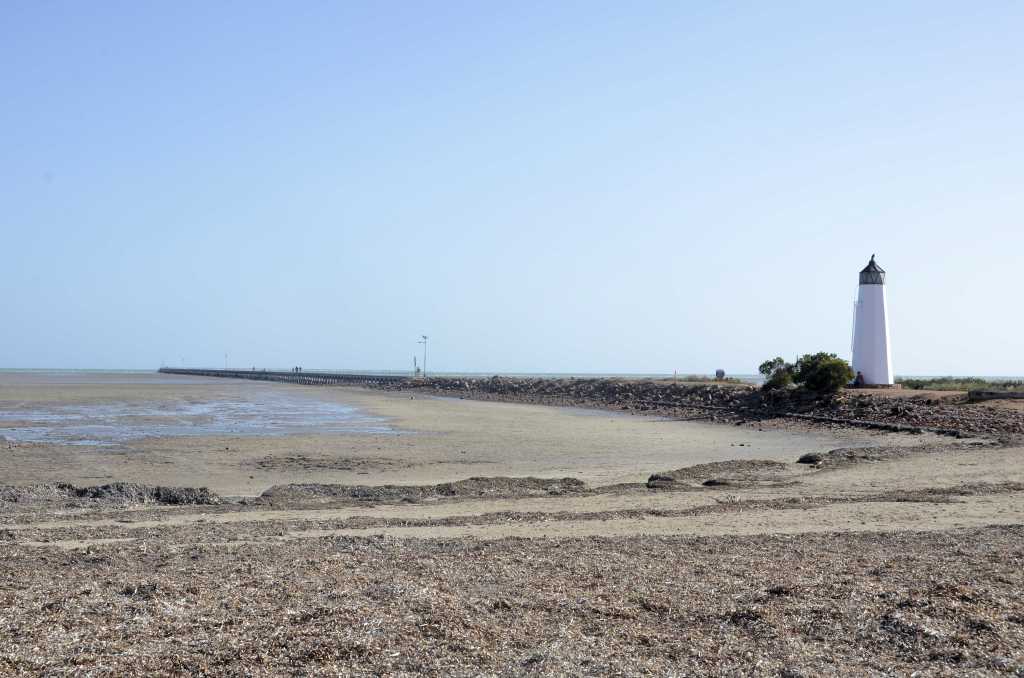
Then, there was the obligatory stop at Port Germein. For Brother T and friends who frequented the Flinders Ranges, a pause in the trip at Port Germein was tradition. Although the sun was fast sinking below the horizon, we braved the brisk winter air and took a stroll up the longest jetty in the Southern hemisphere.

[Photo 2: Dancing by the Port Germein Jetty in times gone past ©L.M. Kling 1984]
[Photo 3: Port Germein Jetty stretching into the distance © L.M. Kling 2013]

And so, at 6.30pm and in darkness, Hubby and I turned off to Mambray Creek…

And Brother’s team, driven by Mrs. T…didn’t.

I fumbled for my mobile and called MB. ‘What’s happening?’

‘Mrs. T’s decided to keep on going,’ my brother sighed. ‘Once she makes up her mind, you don’t argue with her. Besides, the kids want Hungry Jacks for tea a Port Augusta, they have vouchers.’

Hubby had made up his mind. We weren’t about to follow. We’d be camping at Mambray Creek and would continue our journey north fresh after a good night’s sleep. In the morning. After all, they promised to catch up with us in Coober Pedy; we had mobile phones to keep in contact, after all.

[Photo 4: Mambray Creek towards sunset © L.M. Kling 2018]

Despite the darkness, Hubby managed to set up the two-man tent in minutes. Then, although suffering the pangs of disappointment, we downed a light tea of bread, with packet soup and hot chocolate using water boiled from Hubby’s eco billy. ‘We’ll have the chops when there’s more light,’ I said, ‘in the morning.’

[Photo 5: Our trusty two-man tent on a previous visit to Mambray Creek © L.M. Kling 2005]

‘Now, to see if these minus-five sleeping bags keep us warm in the desert.’ Hubby snuggled into our co-joined sleeping bag. ‘Did I ever tell you how when camping with my family in the Flinders, I had to sleep in a cotton sleeping bag? It was freezing!’

[Photo 6: K-Team appearing suitably chilled in the Flinders Ranges © N. Kling 1982]

To which I replied, ‘Yes. But when the T-Team were in the Musgrave Ranges, it was so cold…’

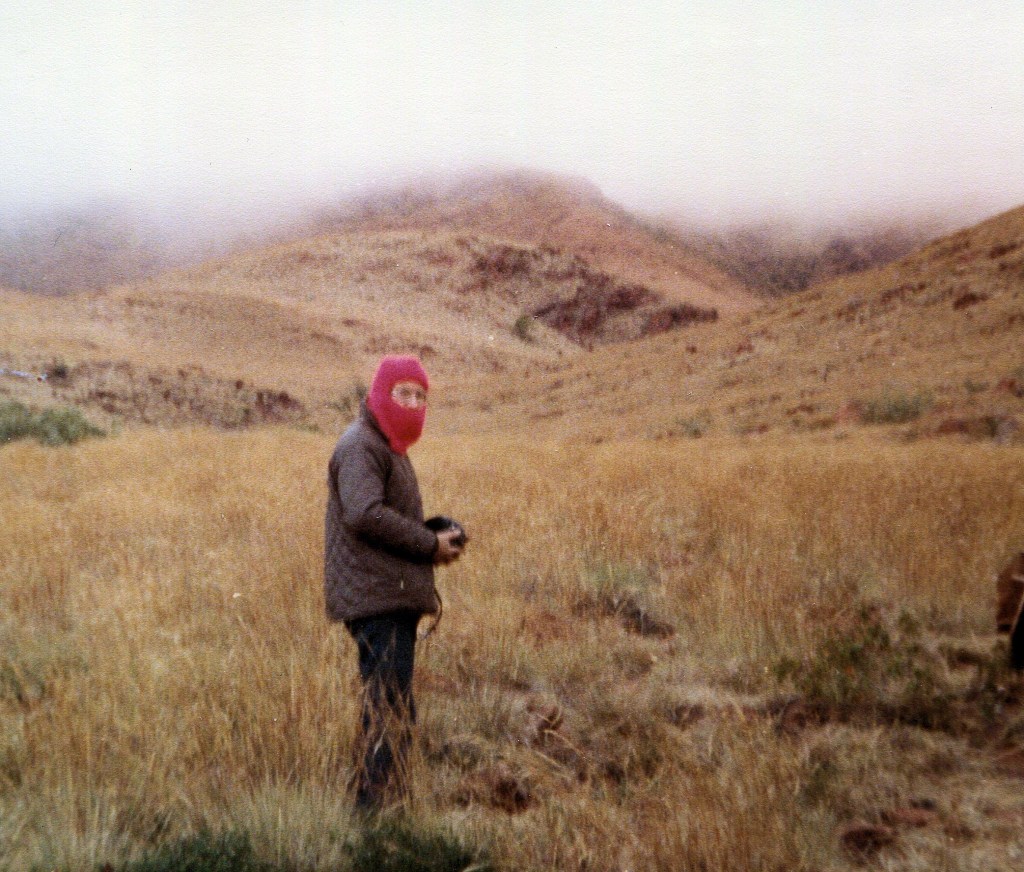
[Photo 7: Chill in the morning near Mt. Woodroffe, Musgrave Ranges © L.M. Kling (nee Trudinger) 1981]

I looked over to Hubby’s side. Was he snoring? I snuggled close to him. I guess for him, this minus-five sleeping bag passed the test.

© Lee-Anne Marie Kling 2020; updated 2024

Feature Photo: Approaching Darkness at Port Germein © L.M. Kling 2013]

***

Virtual Travel Opportunity

For the price of a cup of coffee (takeaway, these days),

Click on the link and download your kindle copy of my travel memoirs,

The T-Team with Mr. B: Central Australian Safari 1977

Trekking with the T-Team: Central Australian Safari. (Australia)

Trekking With the T-Team: Central Australian Safari (United States)

Trekking With the T-Team: Central Australian Safari (UK)

Trekking With the T-Team: Central Australian Safari (Germany]

Trekking With the T-Team: Central Australian Safari [France]

Trekking With the T-Team: Central Australian Safari (India)

Trekking With the T-Team: Central Australian Safari [Canada]

Trekking With the T-Team: Central Australian Safari [Mexico]

Trekking With the T-Team: Central Australian Safari [Italy]

Trekking With the T-Team: Central Australian Safari [Brazil]

Trekking With the T-Team: Central Australian Safari [Spain]

Trekking With the T-Team: Central Australian Safari [Japan]

Trekking With the T-Team: Central Australian Safari [Netherlands]

Family History Friday–Grandma’s Letter Part 2

Grandma’s circular letter

CIRCULAR WRITTEN by ELSA GROSS from HERMANNSBURG,

OCTOBER 1939

From Riverland to Desert (part 2)

About quarter to 7 we arrived at the station and there was the whole station out to meet us, black and white, big and little, and such a noise too, it sounded just like a whole lot of parrots or galahs.  Then the truck came to a standstill and Sam got out and had to shake hands all around.  I had to stay in the truck on account of the measles.  I could only talk to them from a distance.  It was just like a dream and to see all the natives running to and fro, reminded me of the movie films which Lou Borgelt had taken in New Guinea.

*[Photo 1: Greetings on arrival in Hermannsburg © S.O. Gross 1939]

        Well, after all the greetings were over we were taken across to our new home, which by the way isn’t very new, it’s one of the oldest houses on the station.  Mrs Albrecht was going to have us over there for the first few days for meals, but through this measles business we decided it was best if we stayed isolated for a while so as not to infect the natives.  Mrs Albrecht sent us over our tea, then, and such a huge tea, too, and we did full justice to it, too.

        And now began our life on the station.  But so far we haven’t seen very much of it, I haven’t been out of the place at all, Sam has gone to the other places more, but we keep away as much as possible.  And now, last weekend, Ruth gets the German Measles, she was fairly miserable, but is alright again now, except for a cough.  Now it means we have to stay isolated for another 10 days or so, in case Marie gets them.  It is a real nuisance, because we can’t get to anything properly.  The only advantage it has is that we can get things a bit straight around the place.

*[Photo 2: The not-so-new home—even older in 2021!!! © L.M. Kling 2021]

        Such a lot wants doing, the doors don’t fit, and the floors need doing, and the garden has to be made.  These last two days Sam has had 2 natives helping him with all sorts of odd jobs, yesterday and today they dug the front garden and this morning we planted the lawn and tomorrow I want to put in some flowers.

        The first 2 days we were here were terribly windy and dusty and hot.  The dust came in everywhere, it was just like a real dusty day in the mallee.   Our box of goods was supposed to come out the same day that we got out here, but it didn’t come Wednesday, we waited Thursday, and still didn’t come.  By this time Missionary Albrecht was getting worried, he thought the thing might have tipped over.  Friday morning we got a wire to say they couldn’t get it off the truck in Alice Springs.  They had been trying to get the wire through since Tuesday but the weather had been too bad, they couldn’t get it through.  So Sam had to pack up an go into Alice Springs and there saw to the unloading.  Eventually on Sunday afternoon the lorry arrived and was duly unpacked, of course the natives were very interested in everything, especially the piano.

*[Photo 3: The arduous journey of belongings to Hermannsburg © S.O. Gross 1939]

        So far I haven’t any house girls yet, as soon as we are out of quarantine I will get two.  Mrs Albrecht has been baking my bread for me until I get the girls.  Milk I have brought over every morning, also cream and from that I make my own butter, but unfortunately I am not a good hand at it yet.  There are some nice vegetables in our garden, which is quite a big one, we have over 20 date palms in it, 4 orange trees and 3 figs and quite a number of vines.  This last week we had about an inch of rain which was quite nice for the gardens and settled the dust.

*[Photo 4: Garden view to Mt. Hermannsburg—yes, the palms still exist in 2021 © L.M. Kling 2021]

        I am afraid it will take me quite a while to get to know all the natives and all their names too.  I know Albert, the artist, by sight, of course, he always wears an overcoat and is quite proud of his appearance.  I also know,

Manasse the leather worker, also Herbert and Ferdinand the two Sam had helping him.  Of the women, I think the only one I know by name is,        

Cecelia, an older woman who always wears a red dress.  Some of the children are lifted up so that they look over the fence to watch the children play and when we come out they scoot.  Some of their attire is pretty weird too.  One little chap wears his father’s shirt, it reaches nearly to the ground and has to have the sleeves rolled up.  Another little girl has her big sister’s dress on, and every time she runs she has to hold it up or she would fall over it.  Another little chap has a “has been” shirt on, his father’s, it’s only strips now.  Most of the men wear hats, some felt, some harvester hats.  The boys that Sam has have straw hats on but they look as though the mice have been at them.  Yesterday morning the one came along with feathers sticking out of the holes, I don’t know if he had visited the fowl-house or not.

*[Photo 5: Hermannsburg back in the day © S.O. Gross circa 1950]

        And now we have been here nearly 4 weeks and haven’t been able to do any real work yet, but we hope it won’t be much longer before we can start.

        And so begins our life on the Hermannsburg Mission Station.  May God make us a blessing to many.

© Elsa Gross 1939

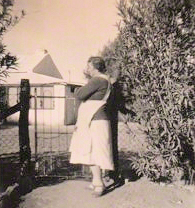
*Feature Photo: My grandma, Elsa looking out from her Hermannsburg home © S.O. Gross circa 1940

***

Want more, but different?

Check out my Central Australian adventures.

Click on the links:

The T-Team with Mr. B: Central Australian Safari 1977

Trekking with the T-Team: Central Australian Safari 1981

Family History Friday–1939

Letters from our forebears give us today a rich picture of them, their personalities and their lives. As it’s my maternal grandmother’s birthday tomorrow (March 16), I am sharing the first part of a circular letter written by Elsa of the family’s relocation from the Murray Riverland to the desert Centre of Australia back in October 1939. My grandpa, Sam, Elsa’s husband had been called to be a missionary pastor in Hermannsburg, Northern Territory. Note the timing of this adventure. World War Two had just broken out, but no mention in this letter.

CIRCULAR WRITTEN by ELSA GROSS from HERMANNSBURG,

OCTOBER 1939

                                                                        Hermannsburg

                                                                        via Alice Springs

                                                                        October 1939

[Photo 1: The Family © S.O. Gross 1939]

Dear Friends,

        Well, here we are at Hermannsburg at last, our long journey is at an end.  We have a home again, although till now our goods haven’t arrived – we are anxiously waiting for them to be able to pack away our things – but – this is the land of ‘wait-a-while’ – so we will just have to wait until they come.

[Photo 2: Moving home chaos, home in Berri, Riverland South Australia © S.O. Gross September 1939]

        We had a very pleasant journey up from Adelaide.  Went as far as Port Augusta in my father’s car, after having stayed overnight at a cousin’s place in Murraytown.  It was very nice going up by car, it saved changing twice and with all our luggage it would have been quite a picnic.  We had arranged to meet Karl in Port Augusta, but when we arrived there we discovered he had German Measles, so we could only speak to him from the other side of the room; he was in bed, and he couldn’t even come to see us off, which was quite disappointing.

[Photo 3: On Father’s (my grandmother’s father pastor F.W. Basedow) Car © S.O. Gross 1939]

        Anyhow, at 4.30am on Thursday 28th we steamed out of the Port Augusta station.  We had sleeping berths, the children and I with 2 other ladies in the one compartment, 4 berths in each, and Sam & 3 other men in the next compartment.  During the day we were mostly alone in Sam’s compartment, the other men went on the other part of the train and just came back to sleep.  It was very nice because then the children had room to romp around a bit.  The sleeping berths were very comfortable, 2 at the top and 2 at the bottom.  We all had bottom ones, Ruth & Marie in one, I in the other one and Margaret between in her basket.  During the day the beds are just ordinary seats and for the night they put the back-leans down and it makes a comfortable bed.  The children stood the travelling very well, they were very excited of course to go in the train.  The end of the second day (Friday) they got a bit tired of it, but soon got over that.  The only one who didn’t enjoy it too much was Margaret, she was running a temperature most of the time and was particularly grizzly on Saturday afternoon.  The next morning we could see why – she had German Measles, but the rash didn’t last long, and now she is just about right again.  Now we are wondering if Ruth and Marie will get it, they have colds, so we are keeping ourselves isolated out here, we don’t want to give it to the natives, they always get things so much worse than the whites.  One of the ladies in our compartment had them too, she was very miserable, was in bed for most of the trip.

[Photo 4: On the Ghan heading up north to Alice Springs © S.O. Gross 1939]

        Well, to go on with our trip.  From Port Augusta to Oodnadatta, which we reached at 9 o’clock on Friday night, there wasn’t much to see, flat deserty-looking country, a lot of it covered with stones, not nice smooth ones, were like broken bits, it makes a person wonder where they all came from — no hills, just these plains covered with stones.  We also passed a lake, but that looked as dreary and dead-looking as all the rest of the country.  That was to Oodnadatta, when it was night.  But when we woke the next morning it was different, grass and trees and ranges and wild flowers.  One advantage about this trip is, that they stop at every station or siding, sometimes there are just one or 2 houses, other places a few more.  One place we stopped at, Anna Creek, by name, the 2 or 3 railway houses had lovely gardens and lawns, such a contrast to all the surrounding country.  We saw something similar at Rumbalara , where the police station is.  At this place we had to wait for nearly 2 hours as our engine had broken something and they had to steam up another one.  This long stay enabled us to see some of the wild flowers growing along the line.  They are altogether different to the ones in the south, and such a variety, too, and they appeared to be past their best too.  It must be a wonderful sight when they are all out.  This delay at Rumbalara made us late, of course, at Alice Springs.  We arrived there at quarter to 5 instead of 2.15.  Missionary Albrecht arrived to meet us a few minutes after the train was in, and took us and our host of luggage to Johannsens, where we slept.

[Photo 5: A picnic lunch on the way © S.O. Gross 1939]

        After we had had tea Missionary Albrecht took us out to the little church which they have in Alice Springs.  It was presented by Mr Materne of Nuriootpa as a Thank offering.  It is a nice little church with a fairly large vestry and a sleep-out, so that anyone coming in from the mission station has somewhere to stay.  At the church we met some of the natives of Alice Springs, they are being cared for by the evangelist Martin, who holds services twice every Sunday, when there is no missionary there and also gives baptismal instruction.  He is a very fine man.  Here the children met the first natives.  They had seen some from the train already and were greatly excited.  To our amazement they weren’t at all afraid of them, and not any more shy, if as shy, as with white children.  They shook hands with them much to the natives delight.

[Photo 6: Where’s our homely contents? © S.O. Gross 1939]

        The next day services were held there, in the morning it was in Arunda, but during the service Missionary Albrecht welcomed Sam and he then spoke a few words to them in English.  In the afternoon Sam conducted the service and preached the sermon, in English of course.  There were about 60 natives there for the services, not as many as usual so they said, some were away working.  Several whites came to the afternoon service, Johannsens and others.  Unfortunately I wasn’t able to go as Margaret was sick, I was so sorry I had to miss it.

[Photo 7: The moving van back then on its way to Hermannsburg © S.O. Gross 1939]

        On Monday Sam and Missionary Albrecht had quite a lot of business to see to, and then on Tuesday morning we set off for Hermannsburg at about 11 o’clock, Sam and Marie on the back of the loaded truck with a native man, and Missionary Albrecht and Ruth, Margaret and I in the front seat.  It was a fairly hot day but not unpleasant.  We called in at “The Jay”, 25 miles from “The Alice”, the home of Mr & Mrs T. Strehlow.  They persuaded us to stay there for dinner.  They have a nice little home, 3 rooms, with a lovely wide verandah, made of cement bricks.  They also have a refrigerator.  It was just lovely to have the nice cool water and also ice cream, a real luxury way out in the bush.  At about 3 o’clock we went on.  It wasn’t quite so hot then.  Up to the Jay the road had been fair, it had been made some time ago for the Governor General.  After we left the Jay it wasn’t quite so good, it had been washed out by the heavy rains and that meant driving fairly slowly with the loaded truck.  We had to cross over so many creeks and of course there were no bridges, but stones and sand instead.  The truck had to pull and pant and bump to get across in some places.  The scenery was quite nice though.  Before we came to the Jay we were travelling right in the ranges, but after passing there the country was more open, a plain, with ranges along both sides.  But there is nothing like a desert around here.  It is more like one of the back roads in the mallee, only of course more creek beds to cross.

[Photo 8: The Arrival of all the goods and chattels © S.O. Gross 1939]

        I quite forgot to mention that after we left the Jay we drove around the native camp, where blind Moses is the evangelist.  These natives live in grass huts.  They were very pleased see us and of course we had to shake hands all around.  Then they sang a hymn, after which Missionary Albrecht offered up a prayer and they all then recited the Lord’s Prayer, all in Arunta of course. It was wonderful to think that out there in the bush, underneath the gum trees, those natives praying and singing praises to their Saviour just as the white people do in their Churches.  The natives were very interested in our children, and of course our children were very interested in them too.  Before we left Missionary Albrecht had to take orders for the different ones, they had a few pennies to spend, one wanted a hair clasp, another some lollies and so on.  Next time somebody from here goes to Alice Springs the things have to be taken to them from the store here.

[…to be continued]

© Elsa Gross 1939

Feature Photo: The Gross Girls on the Ghan © S.O. Gross 1939

***

Virtual Travel Opportunity

For the price of a cup of coffee (takeaway, these days),

Click on the link and download your kindle copy of one of my travel memoirs,

Experience Historic Australian outback adventure with Mr. B

in

The T-Team with Mr. B: Central Australian Safari 1977

Or come on a trek with the T-Team in

Trekking with the T-Team: Central Australian Safari 1981.

Final Trek Friday–T-Team Next Gen

Woomera, Then Home (part 2)

[I never actually finished the story of the T-Team, Next Generation’s adventures in Central Australia in 2013. So, here is the final chapter in the series. Next month, I will commence the journey at the beginning, as I revisit our journey to scatter my dad’s ashes in Central Australia eleven years ago.]

Woomera II and the Final Leg of our Journey

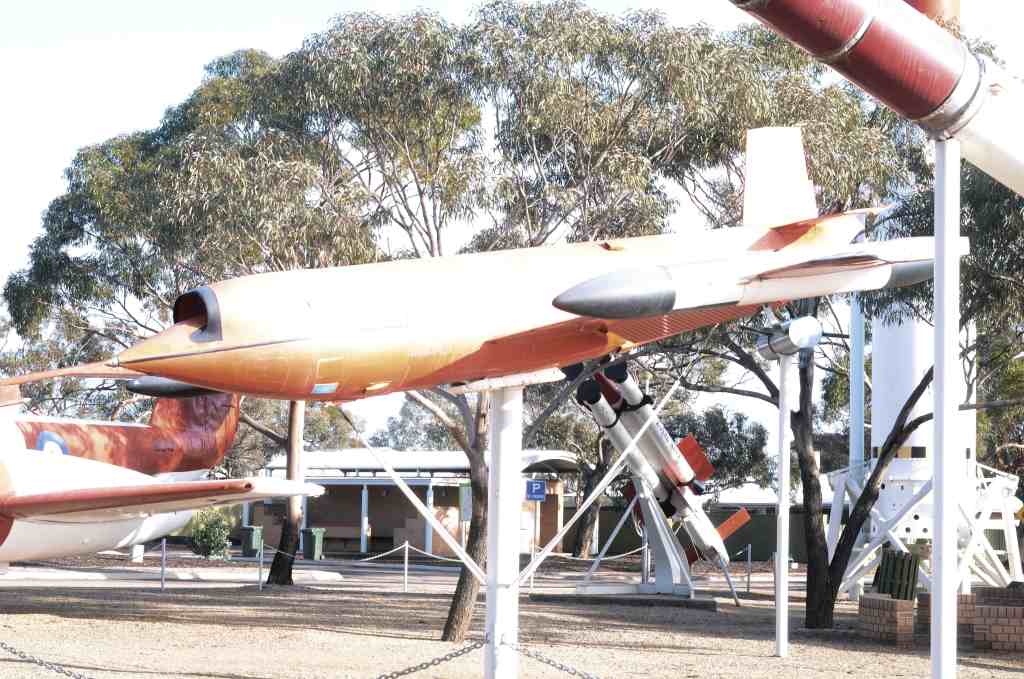
In the cool crisp morning, sun shining lemon yellow rays but not much warmth, we strolled around the Woomera Rocket Museum. Rockets of all shapes and configurations stood in the open-air, testimony of what once was. This RAAF Base and village was once a lively town in the 1950’s and 60’s, as an Anglo-Australian Cold War defence project. On this day Saturday July 20, 2013, the place seemed a mere shell of its former self, a cemetery of what once was, rockets rising like giant tombstones to the sky.

We meandered around the rockets, reading signs, eulogies from the past when threats from enemy nations was imminent. I was reminded of older friends telling me of a time when they practised drills of hiding under their school desk in the event of enemy attack.

*[Photo 1: Monument, A Rocket at Woomera © L.M. Kling 2013]

My mother recalled when on February 19, 1942, Darwin was bombed. She was a girl in Hermannsburg at the time and whenever a plane flew over, the Aranda women would wail, fearing disaster.

*[Photo 2: Twists and turns © L.M. Kling 2013]

Now, Hermannsburg was a mission set up by German missionaries in 1877. Although, by the 1940’s the mission was fair dinkum Australian having existed in Australia for all that time, with the advent of World War II and the conflict with Germany, the name, being German, raised the suspicions of the Allies. Hence, Mum remembers British Officers* drove into Hermannsburg to check the place out. They had to make sure there were no German spies. My grandpa, Pastor Sam Gross and his wife (my grandma) hosted these officers and put on a lovely spread of lunch for them.

[Photo 3: The Hermannsburg welcome Spread © C.D. Trudinger circa 1955]

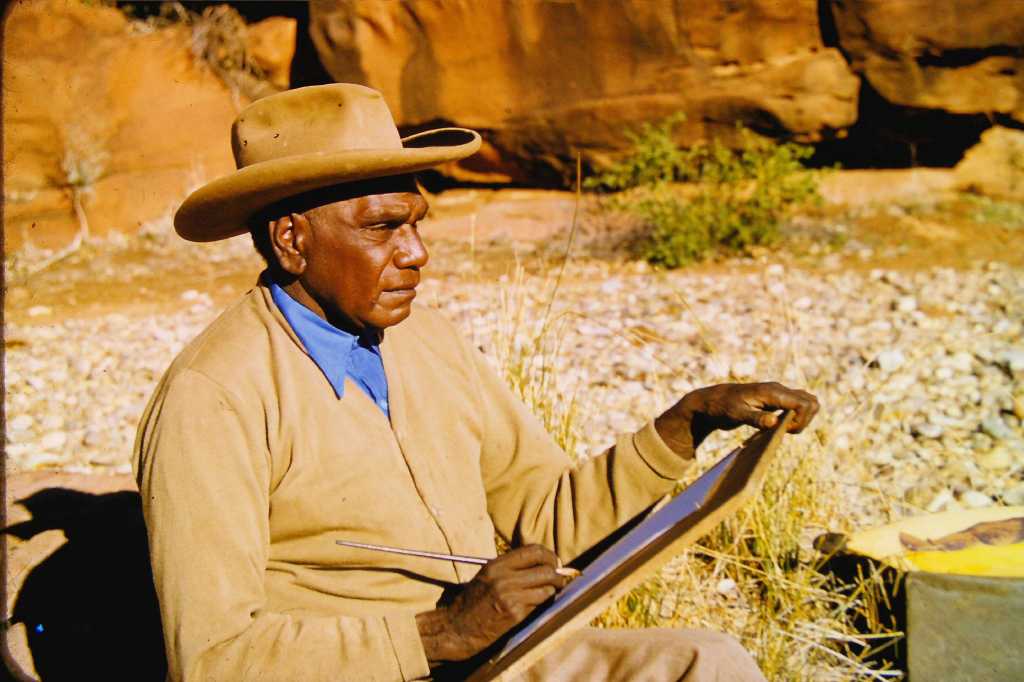
After investigating any mitigating threats, the British Officers* drove away in their propeller plane satisfied that Hermannsburg was no threat. Never-the-less, they confiscated the one and only link to civilisation, the community pedal radio. Just in case they really were spies, I guess. Further, to make sure that no threat to the allies arose from this humble mission, they sent Rex Batterbee, a world War I veteran, to oversee the mission in the role of “protector of the aborigines”. As he had visited and then lived in Central Australia since the mid-1930’s, Rex taught Albert Namatjira to paint watercolours and helped him launch his career as a renowned artist.

*[Photo 4: Albert Namatjira at work © S.O. Gross circa 1950]

Homeward Bound

Needless to say, in 2013, such threats of foreign enemies seemed in the distant past. But, being only 446 km from our home town, Adelaide, we were reluctant to linger amongst the rockets. Having packed, and checked out of our overnight accommodation, we were eager to start our journey home.

At a steady 90 km/h, we made progress down the highway that split the gibber plains in halves.

‘I bet the T-Team (my brother’s family) are home by now,’ I said. ‘No hanging around of taking time to look at any more places for them.’

‘Why don’t you ring them just to see where they’re at,’ my hubby said.

I texted my niece. The time was 10:30am.

“We are in Port Augusta,” she replied by text.

‘There’s no way we’ll catch up to them,’ I said, and then texted back, “Have a safe trip home.”

*[Photo 5: Off we go over the gibber plains © L.M. Kling 2013]

Clouds and rain descended on the land the further we drove south. By the time we reached Port Wakefield, the cold had seeped into the car. I put my parka on my legs to keep warm. Yet, for lunch Hubby insisted we eat alfresco in the rotunda at Port Wakefield. After all, despite his aversion to the cold, he needed to stretch his legs. Plus, it seemed no café existed in the town.

The rain and cold became more intense as we approached Adelaide. After driving through the grey, sodden streets, we arrived home, just as darkness fell at 5:30pm.

What disaster awaited us?

Hubby opened the door and we trod inside. Son 1 played a computer game on the PC in the dining/living annex. He ignored us. We tiptoed through the family room. Not too much mess and the carpet remained visible, and clean.

We found Son 2 all rugged up and cosy in his room playing World of Warcraft. He said, “Hello” and then asked for a coffee, then followed the conversation up with, “I’m hungry, what’s for tea?”

In the kitchen, as I prepared a drink, I noticed the dishes had been done and the cats fed. I thanked Son 1 for the effort. He took all the glory and remarked that his brother had done nothing.

The Aftermath

There’s always casualties that follow every holiday. And this one was no different. Two paintings which I had planned to exhibit in the upcoming Marion Art Group exhibition had gone AWOL. I’d like to think they were stolen…but I reckon they would be found in some odd place sometime in the future.

*[Painting: Dad’s resting place, Ormiston Gorge © L.M. Kling 2018]

Eleven years hence as I write this final chapter, I wonder what paintings they were.

Oh, and the other casualty, Hubby, who proudly exalted that he had taken thousands of photos of the Central Australian trip on his mobile phone, can no longer find where those photos went. It would seem those photos went AWOL too.

As for the T-Team, they actually arrived home after us, having spent a night at Port Germaine. They decided to treat themselves after roughing it for the past two weeks.

*[Photo 6: Port Germaine Jetty © L.M. Kling 2024]

***

Note: *My mum, Mrs. T checked this and questioned whether they were British. She thinks they were more likely to be Australian. However, I have read a letter written by these officers and the words they used made them sound British. When I find the letter, I will investigate the background of the visiting officers and plan to write a more detailed account of my grandparent’s experience.

© Lee-Anne Marie Kling 2024

Feature Photo: Woomera Open-air Museum in the morning © L.M. Kling 2013

***

Want more? More than before?

Take a virtual trip with the T-Team and their adventures in Central Australia.

Click below on…

The T-Team with Mr. B: Central Australian Safari 1977

Trekking With the T-Team: Central Australian Safari 1981…

To download your Amazon Kindle copy of the story…

And escape in time and space to the Centre of Australia.

Trekking Thursday–Franklin-Gordon River Cruise

[Last week, Hubby and I were talking to someone who had recently visited Tasmania. They went to Strahan, but for some reason didn’t do the Franklin-Gordon river cruise. We recommended that next time they go to Tassie, they revisit Strahan and do the cruise. Hence, to encourage prospective travellers to Tasmania, a re-visit in my blogs to Strahan on the West Coast of Tasmania. Ah, memories of travels with my husband, his brother (P1), and cousin from Switzerland (P2), to Tasmania; a brilliant and beautiful destination.]

K-Team Adventures—Strahan and Gordon River Cruises

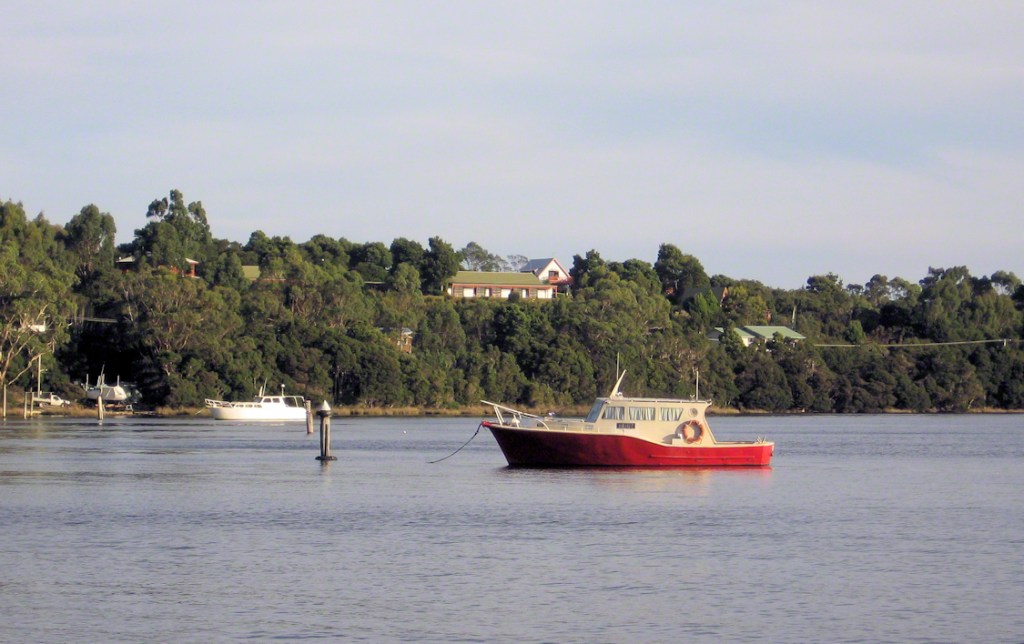
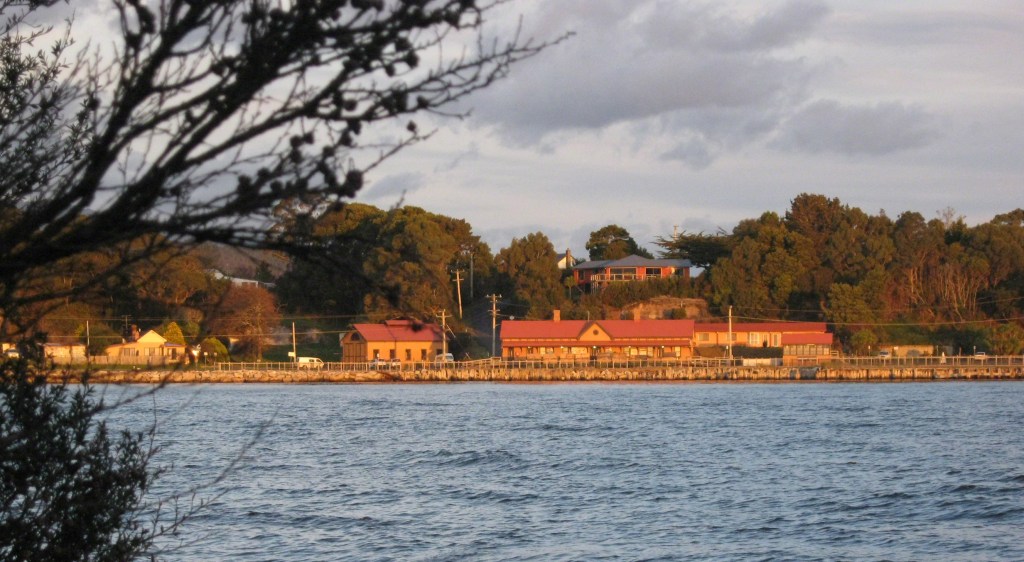
An early start, just what the K-Team love. We were to board the Wilderness Cruise Boat by 8.45am. Not as early as the last time I took the cruise. Then, in 2011, I journeyed with my mother (Mrs T), for whatever reason, the ship departed much earlier than 8.45am. Fearing we’d miss the boat, Mum and I rose at the crack of dawn and ate our breakfast at a hotel opposite the wharf while watching the sun rise on the calm waters of Macquarie Harbour; an oil painting in hues of gold and pink with ducks on the jetty. Mum’s breakfast of Eggs Benedict was less than perfect; uncooked, runny and the “whites” not white. She’s never had Eggs Benedict again. I guess there had to be some compensation for the ideal weather we had that August day in 2011.

[Photo 1: Calm on Macquarie Harbour before Eggs Benedict © L.M. Kling 2011]

Not so for the K-Team in 2016. A perfect mix of personalities, no conflicts—apart from some initial altercation between my husband’s phone GPS navigator and the Kluger’s Pandora navigational system. Now that was something out of the box, so we packed away any semblance of pairing our phones with the car’s computer system and relied on the navigational system God had given us—our brains…and some forward planning with Google Maps. So, instead we had the weather as our thorn-in-the-side member of the K-Team. At least someone up there, I mean God, had been looking after us.

[Photo 2: Sign of weather come. A hiking trail in Hogarth Falls near Strahan © L.M. Kling 2016]

When we booked our cruise, the lady asked us, ‘Do you want to go on the ABT Railway up to Queenstown?’

‘How much?’ I asked.

The lady showed the prices.

‘What time does it get back?’

‘Oh, 5pm.’

‘Nah, we’re meeting my cousin at 4.30pm. So, we’ll take the cruise.’

A narrow escape. We heard that night while dining with my cousin, Kiah who at the time ran the Strahan Visitors Centre, that fallen trees on the railway track had stranded the tourists on the train for several hours. They arrived back in Strahan at 8.30pm. The next day, on the cruise, Kiah overheard some girls who had been on the train trip say they were going to write a reality TV show about bored kids.

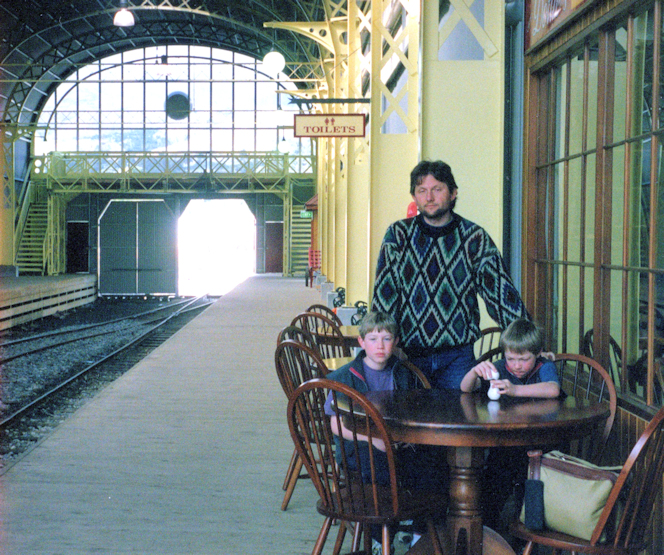
[Photo 3: Thankfully, not stranded at Queenstown; ABT Railway Station with K-Team, the younger way back when…Looks like my kids can get bored at Railway Stations too. © L.M. Kling 2001]

The cruise, definitely not boring. First a ride out through the narrow heads and into the full force of the roaring 40’s and rough seas; P2’s highlight of the Tassie Trip. Hubby was surprised I didn’t get seasick. I’d remembered to take my ginger tablets.

[Photo 4: High seas past the heads, but the birds hang on. © L.M. Kling 2016]
[Photo 5: The safety of the lighthouse © L.M. Kling 2016]
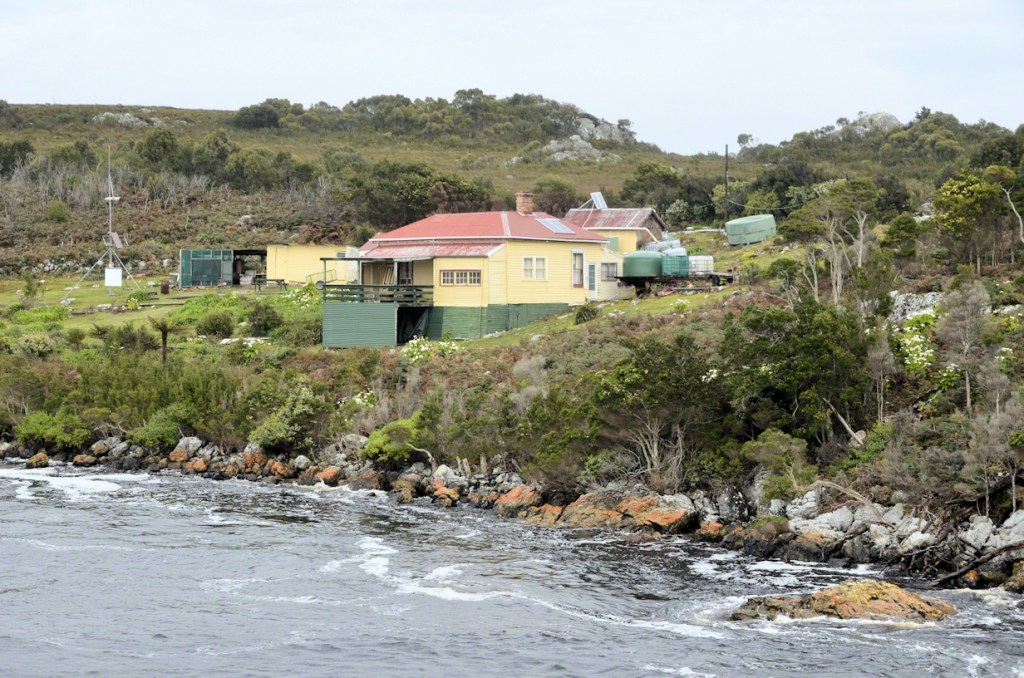
[Photo 6: The lighthouse keepers’ cottage? © L.M. Kling 2016]

Then, after returning back into the safety of the harbour, a tour of the salmon farms; big, netted rings full of fish.

[Photo 7: Salmon Farms © L.M. Kling 2016]

Kiah and her team would be our guides on Sarah Island, the worst penal colony in the whole British Empire in the early nineteenth century. We spent an hour or so on the island touring around the various sites, the tour guides giving lively and entertaining accounts of Sarah Island’s history.

[Photo 8: Sarah Island approach © L.M. Kling 2016]

Walking up the gangway, I studied the wilderness mountains jutting above the forest lining the harbour and detected the vague outline of Frenchman’s Cap, clouds shrouding it from a clear view.

[Photo 9: So different with Mrs T; Frenchman’s Cap perfect through swamped trees of Sarah Island. © M.E. Trudinger 2011]

As we raced up the river, the Captain rabbited on about Sarah Island’s convict history and then he said, ‘While we travel up the river, think about what it would’ve been like living in those times on Sarah Island as a convict.’

[Photo 9: The Lookout © L.M. Kling 2011]
[Photo 10: Mrs T contemplates while crowd listens to tour guide © L.M. Kling 2011]

I recalled the play we’d seen the night before, The Ship that Never Was; the political climate and social conditions of nineteenth century Britain that created the huge gap between the rich and the poor, unemployment and homelessness, and the solution to send shiploads of social rejects (the convicts) to Australia—the worst offenders to the most remote place on earth, Sarah Island. Yet, in all of that condemnation and hopelessness, redemption. Some of these convicts, when they received their ticket of leave (freedom), became leaders in the colony; their skills not going to waste. Treat people like they matter, give them a chance. This is how I understood David Hoy, Master Shipwright treated the convicts. I could go on, but best if you ever go to Tasmania, go to Strahan, do the cruise and see the play.

[Photo 11: Scene from the Ship that Never Was © L.M. Kling 2001]

And while we were there, clutching the mini hot water bottles loaned to us for the duration of the performance, and waiting for the play to start, the tour group we encountered the previous day, joined the audience. Some of them ended up participating in the play. So did P2 helping the ship (just a pile of wood, really) sail to close to the coast of Chile…before it…well, you’ll have to see the play to find out what happened.

[Photo 12: Perfect reflections on a perfect day up the Gordon River © L.M. Kling 2011]

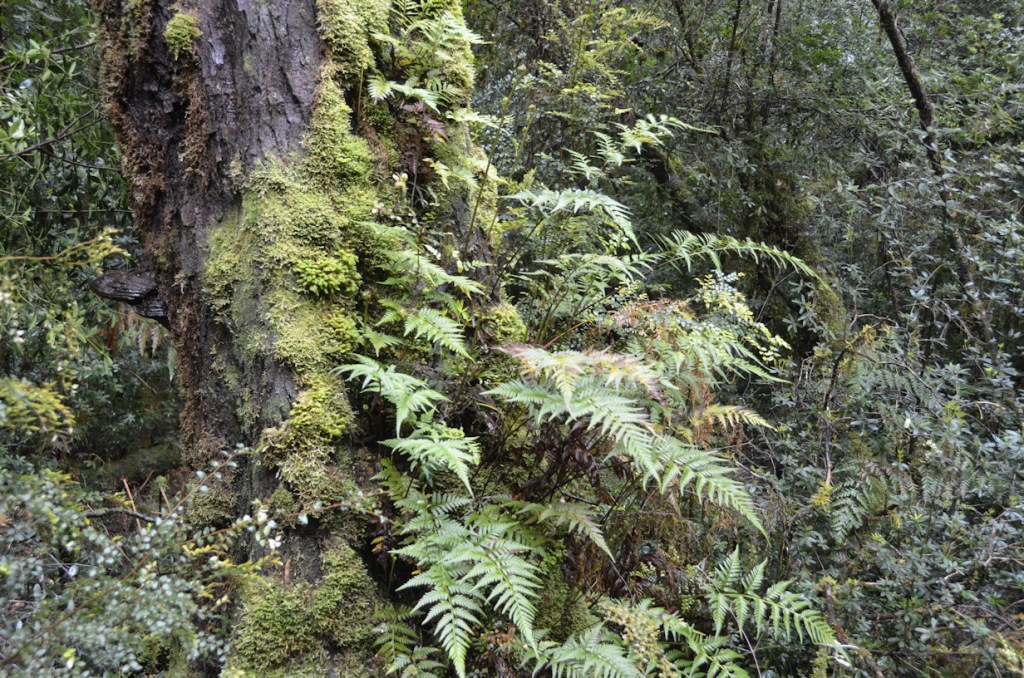
After a tasty buffet lunch of smoked salmon, cheese, bread and salad, we had a half-hour walk in the rainforest. Amazed at the variety and abundance of plant-life and how plants grow out of tree trunks and stumps. The old Huon pine stump that had been struck down by lightning a decade or so ago, was now a garden of seedlings, native laurel, moss, lichen, and ferns.

[Photo 13: New Life springs from That old Huon Pine © L.M. Kling 2016]
[Photo 14: A taste of a temperate rainforest © L.M. Kling 2011]

Then the race back to Strahan. In all we had travelled 140km on tour of the Macquarie Harbour, some way up the Gordon River and then back to Strahan.

P1 disappointed with the cloudy weather said, ‘How can I get good photos when there’s no sun?’

[Photo 15: And so, the sun sets on Strahan © L.M. Kling 2011]

‘They’re mood photos,’ I replied. Cheeky, I know, since in 2011, the sun shone on Mum and me, and I had dozens of chocolate-box photos of the Gordon River like glass reflecting perfectly vivid green forest trees. Oh, well. We were blessed that day in 2011. The western wilderness of Tasmania gets on average around 4000mm of rain a year. So more likely to get cloudy rainy days on a cruise than sunny, I guess.

Besides, did P1 have an Eggs Benedict like my mum had eaten that morning in 2011?

© Lee-Anne Marie Kling 2016; updated 2019; 2021; 2024

Feature Photo: Chocolate Box Reflections on the Gordon-Franklin River © L.M. Kling 2011

***

Want more? More than before?

Take a virtual trip with the T-Team and their adventures in Central Australia.

Click here on…

The T-Team with Mr. B: Central Australian Safari 1977

Trekking With the T-Team: Central Australian Safari 1981…

To download your Amazon Kindle copy of the story…

And escape in time and space to Centre of Australia 1981…

Trekking Thursday–Hike Around Dove Lake

[An unexpected shower while walking along the beach the other day reminded me of our Tasmanian adventure back in 2001, when our boys were young (about 11 and 8). That time Hubby was most concerned about keeping his charges dry. However, he went to great lengths to make sure all was done as frugally as possible.]

K-Team, the Younger: Tasmania 2001

Dove Lake Hike in Garbage Bags–Cradle Mountain National Park

Hubby paced the floor of the mountain cabin. ‘Yes, that’ll work. Garbage bags’ll work.’ He was in his frugal element and raced around the small room as if he’d won the lottery. ‘Oh, and so cheap!’

He spent the rest of the evening cutting and taping two garbage bags and fashioning them into ponchos for our young sons.

Sons 1 and 2, unaware of the fate that awaited them, marvelled at the possum perched on the balcony.

***

Next morning, a shroud of mist covered the valley.

‘Hmm, the weather doesn’t look good,’ my husband said. ‘Don’t know if we’ll see much of Cradle Mountain. Boys’ll definitely need the ponchos I made when we hike around Dove Lake.’

Hubby grinned as he pushed the garbage bags into our packs.

*[Photo 1: Possum © A. Kling 2001]

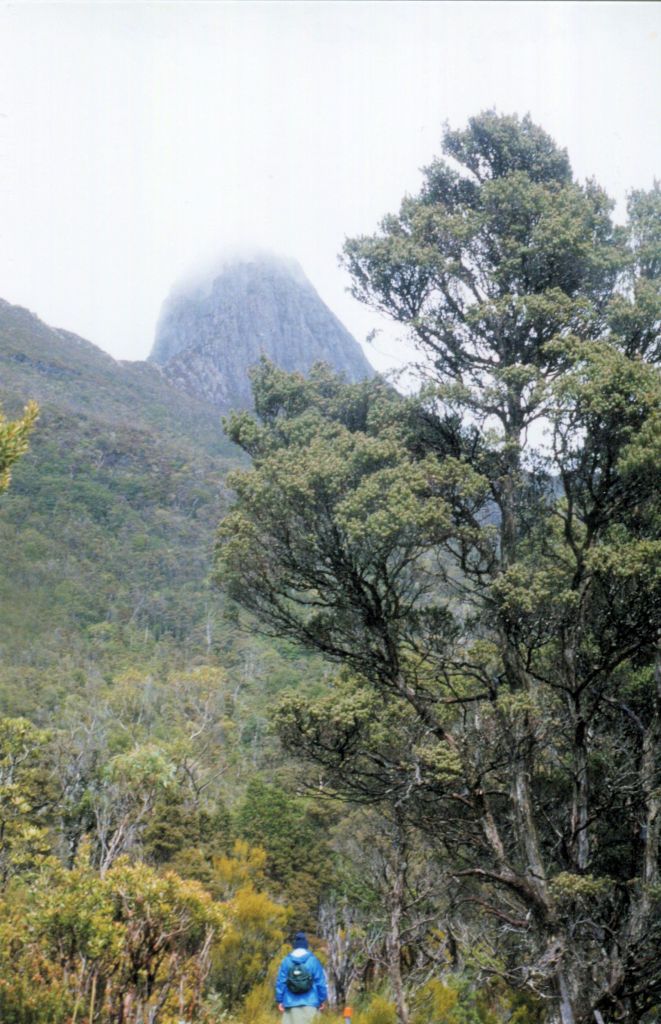
I slung my camera’s bulky telescopic lens in its case over my shoulder and tucked it under my parka. I remembered the words of a professional photographer friend who had visited Cradle Mountain before me. ‘Even on cloudy days, you never know when the peak will appear. So, be prepared.’ Besides, I thought, mist and fog give the scenery character.

In our hire car Ford sedan, we crawled in the tourist-congo to Dove Lake.  Signs warned us of an unsealed section of road suitable only for four-wheel drive vehicles. But did that stop Hubby? No, we bumped along the track behind a bus with him plopping in remarks. ‘Brachina Gorge was worse.’ Or, ‘What are they talking about, this is nothing.’

After parking, Hubby leapt from the car. ‘Oh, looks like rain.’ He pulled out the “raincoats” and waved them in the air. ‘Come on boys, you need to be waterproof.’

Son 1 recoiled. ‘I’m not wearing that.’

‘No!’ Son 2 screamed and hid behind me.

‘Oh, yes, you will!’ their father said. ‘You’ll get wet and a chill and then catch a death of cold, if you don’t.’

‘No!’ both boys squealed and then scampered up the path.

A battle ensued; Hubby with garbage bag-ponchos verses sons refusing to wear the garbage bags.

Dad won, and with the g-b-ponchos draped over two unhappy boys, the young K-Team trooped along the Dove Lake track.

A blanket of cloud covered the mountain, and drizzle blurred the view of the lake. The shifting mist mesmerised me. I slowly pulled out my camera and then attached the telescopic lens.

‘Get this off me!’ Son 2 cried. He fought with his garbage bag in the wind, and then tore it off.

‘No! You must keep it on!’ his dad grabbed the bag-poncho and struggled to put it back over him. Then, with success, clasping his son’s hand, Dad marched ahead, dragging Son 2 behind him.

*[Photo 2: All waterproof © L.M. Kling 2001]

‘I hate this walk!’ Son 1 cried. ‘Why do I have to wear this sack!’

‘So you don’t get wet!’ Dad said as they disappeared around a bend of pine trees, branches like arms all twisted and gnarled; monsters in the fog.

As I progressed around that same bend, I spied No. 2 son sitting on a stump by the path. The sun peeped through the clouds. ‘I’m not wearing this,’ Son 2 said. ‘It’s too hot.’

I glanced around. No Hubby. ‘Okay.’ I took the garbage bag cloak off Son 2, then peeled off my parka.

The lake shimmered as rays of sun filtered through the mist and gaps in the cloud. A photographer’s paradise. I aimed my camera and snapped several shots of Dove Lake.

*[Photo 3: Waterfall over Dove Lake © L.M. Kling 2001] 


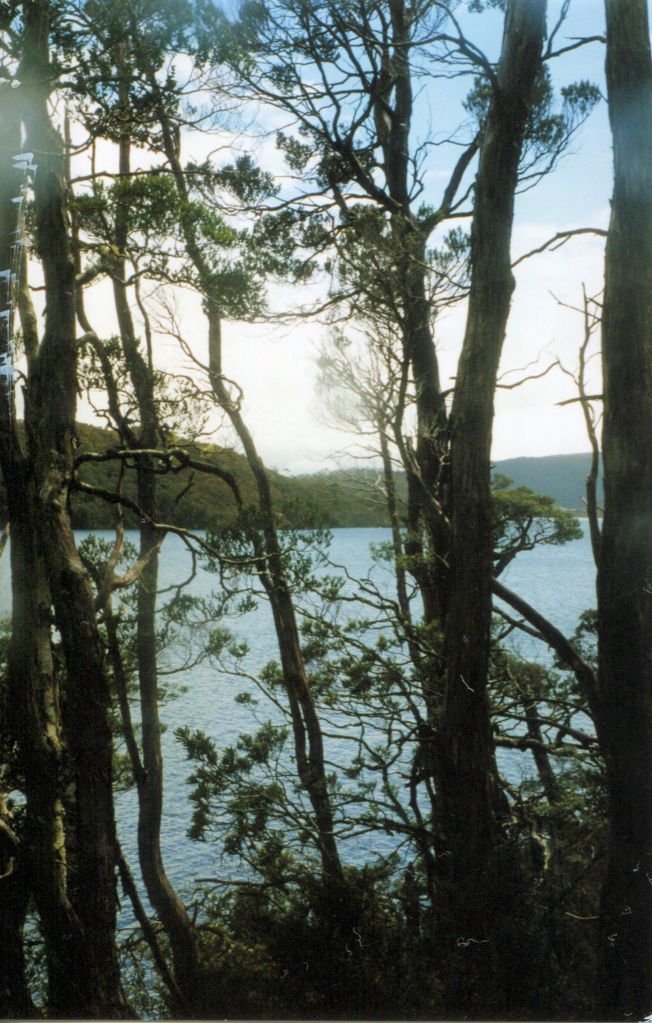
*[Photo 4: Dove Lake through pines © L.M. Kling 2001] 


‘Mum! Come on!’ Son 2 yelled.

‘Hurry up!’ Hubby beckoned. ‘We’ve hardly started! And what are you doing without your rain cover?’

More protests as Hubby wrestled with Son 2 to get garbage bag-poncho again over his head.

Just in time. Dark clouds loomed, followed by rain pelting down on us. Hubby knew what he was doing; he was making sure the boys stayed dry.

As we plodded along the path, once again wrapped and water-proofed, the rain turned to sleet. Icy drops cut into my face.

‘I’m tired,’ Son 2 whined. ‘How much longer?’

‘It’s an hour’s walk, I replied.

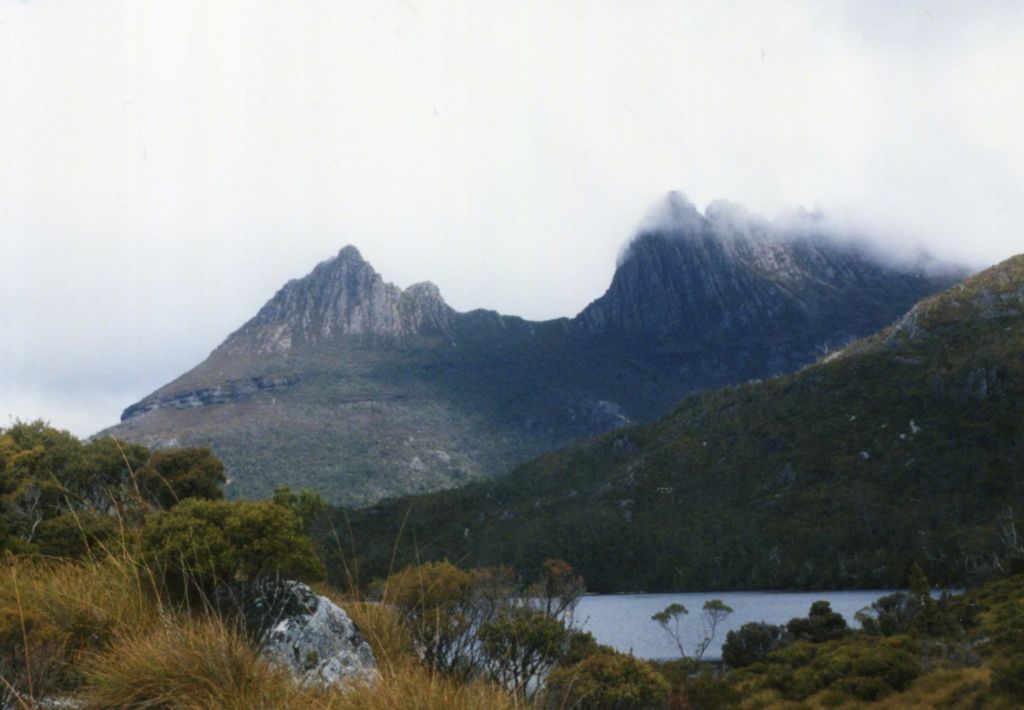
The sun appeared, and so did the peaks of Cradle Mountain—fleeting, peeping from the curtain of clouds.

*[Photo 5: Cradle Mountain in Mist © L.M. Kling 2001]

‘Wow!’ I halted, shed my rain-jacket, shrugged off the tangle of bags and camera equipment, then caught the image of the mountain before it disappeared.

Son 2 shed his garbage bag-cloak too.  He sighed, ‘How embarrassing!’

I packed the embarrassing cover into my bag and we continued the trek around Dove Lake. Every few metres I paused to take another photo.

‘Are we there yet?’ Son 2 asked as we crossed a stream.

Hubby stood before us. ‘What’s taking you so long?’

‘There’s so many beautiful scenes to capture,’ I said. ‘The clouds are always shifting and changing. How can I resist?’

‘Should only take an hour. It’s been two hours and we’re only half-way.’ Hubby said.

‘But, the photos…’

A pair of hikers passed us from the other direction.

‘How far to go?’ they asked.

‘A couple of hours,’ I said. ‘How long have you been hiking?’

‘From the boathouse, about half-an-hour.’

‘Not long to go then.’

‘Right, I’m off,’ Hubby said. ‘See you at the boathouse.’

Hubby and Son 1 marched off while Son 2 and I shuffled behind. We tried to keep up.

*[Photo 6: Dove Lake Through trees © L.M. Kling 2001]
*[Photo 7: Cradle Mountain Revealed© L.M. Kling 2001]

Emerging through the twisted branches of snow-gums, the lake beckoned, then hints of Cradle Mountain begged me to photograph. Father and Son 1 drifted further…and further ahead, while I remained suspended in the fairyland of Dove Lake, Cradle Mountain and fast-shifting mist and cloud. Even Son 2 deserted me to catch up with his dad and brother.

I arrived at the boathouse.

‘Four hours!’ Hubby greeted me. ‘That must be a record.’

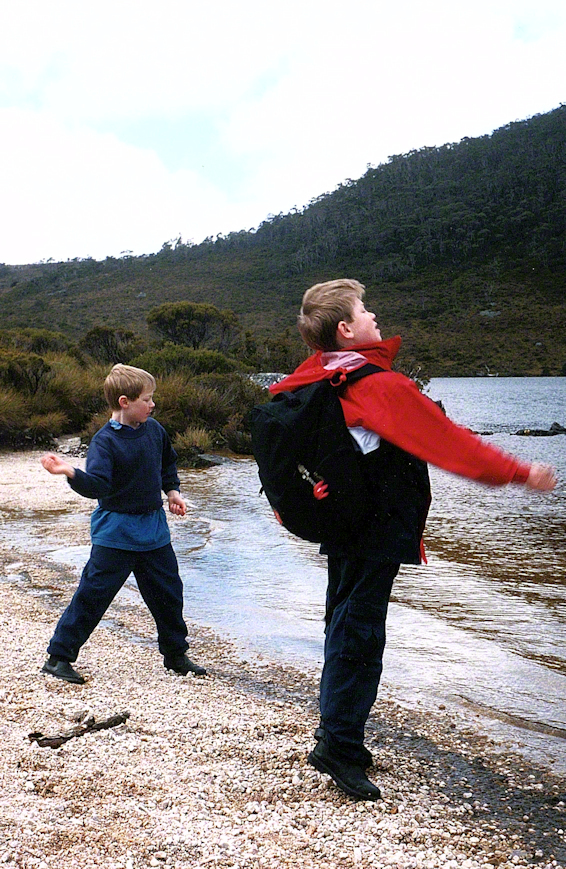
Our sons, minus garbage bags, skipped stones on the smooth surface of the lake while mist descended over the mountain. I extracted my camera and aimed, taking care to focus.

‘Hurry up!’ Hubby snapped, ‘It’s way past lunch.’

During lunch Hubby scrunched up the green plastic of garbage bags and dumped them into a nearby bin.

*[Photo 8: After 4 Hours… © L.M. Kling 2001]
*[Photo 9: K-Boys skipping stones © L.M. Kling 2001]
*[Photo 10: Cradle Mountain on a better, no, the best day 8 years later © L.M. Kling 2009]

© Lee-Anne Marie Kling 2017; updated 2019; 2023

Feature Photo: Cradle Mountain Revealed © L.M. Kling 2001

[Stay tune for next fortnight and see what a difference a few years make. And how the K-Team the younger, just a little bit older, tackle the hike around Dove Lake on a perfect sunny day in the summer of 2009.

Next week I will be sharing some of my discoveries in my venture into family history, perhaps I can find the reason why I would take 4 hours to walk around Dove Lake. Is it written into my genetic code???]

***

Want more? More than before?

Take a virtual trip with the T-Team and their adventures in Central Australia.

Click on the links:

The T-Team with Mr. B: Central Australian Safari 1977

Trekking with the T-Team: Central Australian Safari 1981

To download your Amazon Kindle copy of the story…

And escape in time and space to the Centre of Australia…

T-Team @ Home–Glenelg

[Slowing down after Christmas/ New Year and feeling nostalgic, this time I meander down to my childhood stamping ground, Glenelg.]

My Old Stamping Ground

I grew up in Somerton Park which is about a ten-minute bike-ride from Glenelg. Even today, though I live in the Adelaide foothills, I go to Glenelg to shop, have coffee at the Broadway Cafe with Mum, and many times I drive through Glenelg on my way up north to Salisbury, or to the Barossa.

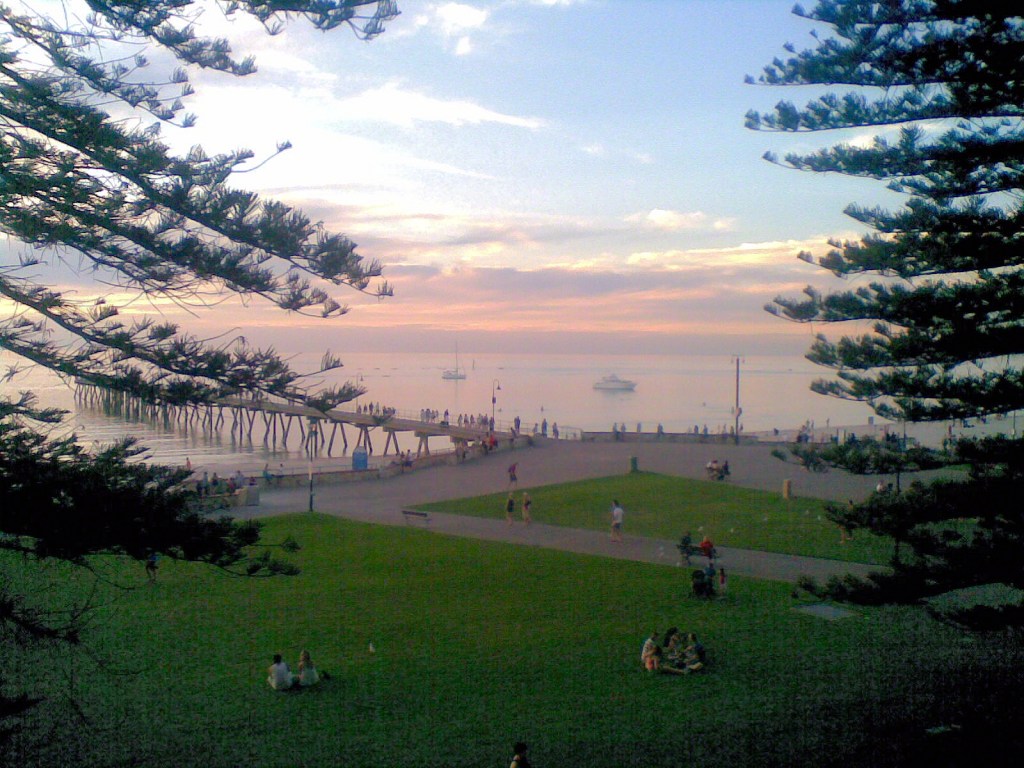
[Photo 1: View of Glenelg beach south © L.M. Kling 2018]

So, while tourists snap their memories of Glenelg frozen in time, for me images of my childhood and grown-up years remain fluid, layers in my head and marinated with the changes and experiences over the decades. Glenelg has changed; the land/seascape of my memories unrecognisable as the shops, the trams, the jetty and the coastline shift and develop. Although some places have changed, some have stayed the same.

*[Photo 2: Somerton Beach Catamarans © L.M. Kling nee Trudinger 1977]

Gone: The Gift Store

At the tender age of one-year-old, I committed my first (and only) criminal offense at this shop; a five-finger discount of a face-washer. Mum caught me in time, and blushing, returned the stolen item, replacing it on the shelf before anyone noticed.

The gift store, a favourite of mine, provided birthday presents for me to buy for friends and knick-knacks with my pocket money.

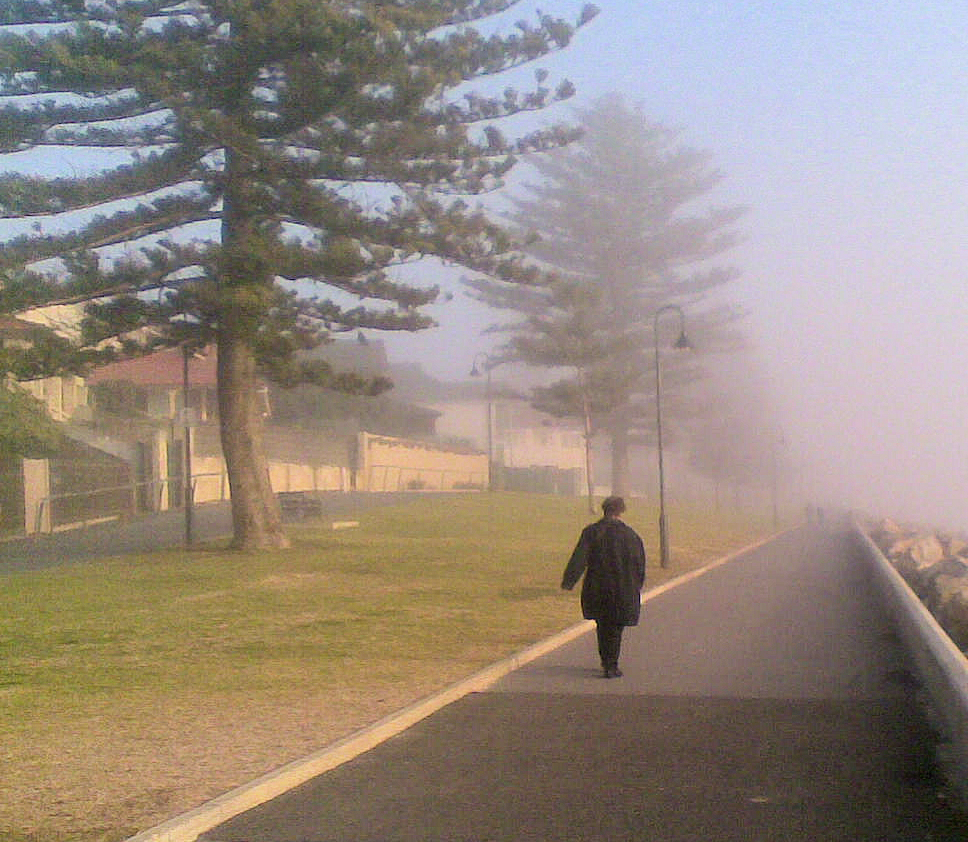
*[Photo 3: Sea Mist near Glenelg © L.M. Kling 2012]

Gone: The Historic Cinemas

One with its red carpet, sweeping staircase and chandeliers. It’s a Woolworths complex now. Many happy moments with family and friends watching movies, eating popcorn and occasionally rolling Jaffa’s down the carpeted aisle.

The other, halfway down Jetty Road towards the sea, disappeared in the 1980’s. I remember watching the film Heidi there, and before the movie started, the pre-film entertainer conducted a singing competition. My friend won first prize.

That cinema space became a mini shopping mall which, as a university student, I mopped every Saturday morning for $12. Today, a restaurant resides in that space.

After several years bereft of cinematic entertainment, a new cinema complex has been built off Partridge Street.

Gone: Tom the Cheaper Grocer

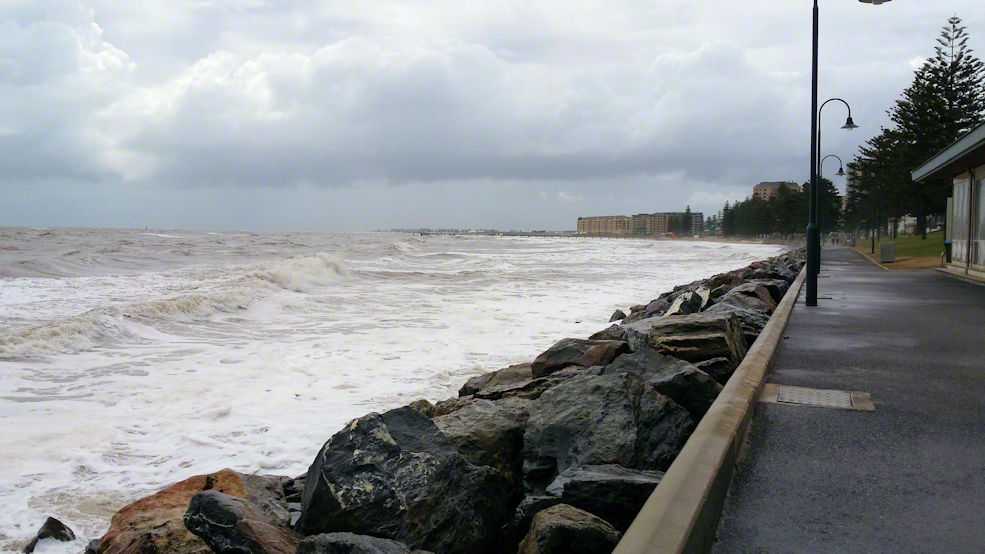
While Mum shopped at Toms the Grocer on Mosely Square, my brother and I hung out near the sea wall by the jetty. I loved winter when the waves crashed against the wall. Toms was sold off decades ago and today the old building houses cafés and restaurants.

*[Photo 4 & 5:  Waves crashing near Broadway Cafe © L.M. Kling 2018]

Gone: Charlies Café

At three, I crawled under the table at Charlies Café and my auntie uninvited me to her wedding reception.

When sixteen, we dined at Charlies as a youth group. The guy I was dating didn’t show. After the supper, near tears from being stood up, I waited with my friends for this guy to arrive and drive us home. There were not enough cars amongst the group to drive us all. In a flash, this guy appeared in his silver car. He glanced at us and then kept on driving down Jetty Road.

My brother had to make two trips to carry us all safely home.

Charlies is long gone. So’s that guy. I dropped him.

***

Here today Despite Time and Changes

As my friend from Youth Group was fond of saying, ‘Thank God somethings stay the same.’

*[Photo 6: View from the Broadway Café; a favourite haunt for my mum and me. © L.M. Kling 2018]

Still There: Glenelg Jetty

At least an updated and cemented version from one of many over the years of storms that regularly destroy the jetty. Each time the jetty is damaged by a “storm of the century”, it’s repaired or another one is built to maintain that steady icon that makes Glenelg.

*[Photo 7:  Jetty Boys © M.E. Trudinger circa 1958]
*[Photo 8: From the Jetty to the Hills © L.M. Kling 2011]

Still There: Moseley Square

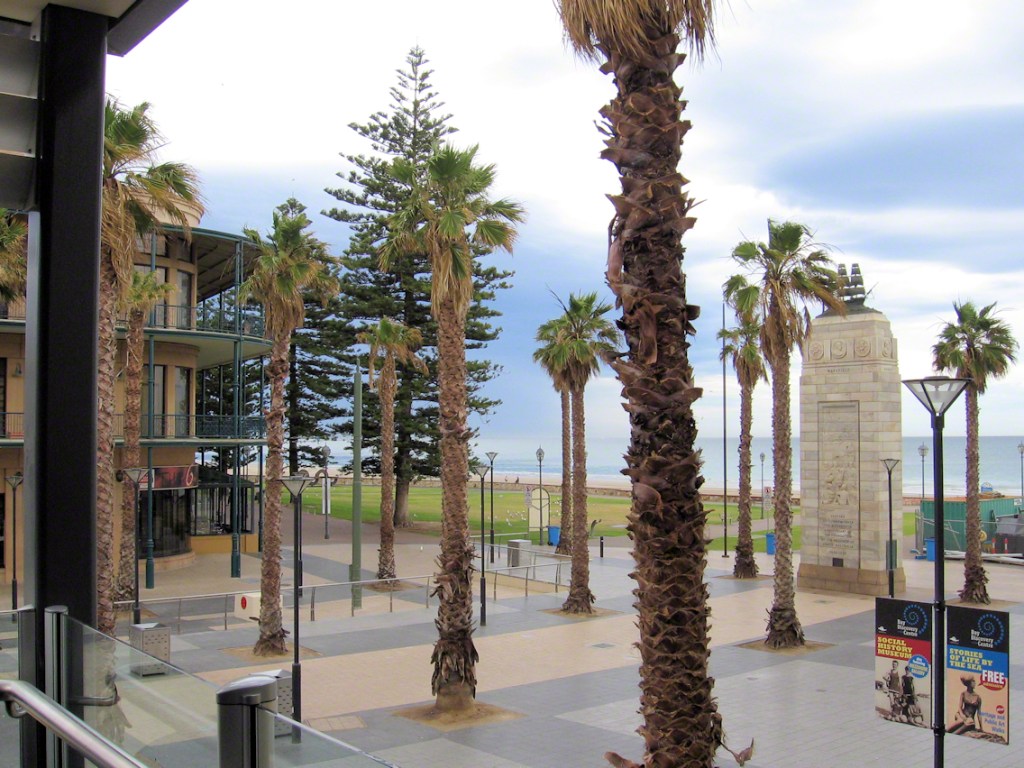
Tarted up over the decades, today with tall palms and water-features. The shops, cafés and restaurants that line jetty road leading up to Moseley Square, though they change, they are still there and most importantly for the tourists, are open Sundays and public holidays.

*[Photo 9: Moseley Square © L.M. Kling 2006]
[Photo 10: Sunset over Moseley Square © L.M. Kling 2010]

Still There: Some Sort of Amusement Park

That’s why we go to Glenelg, right? A famous dating place or hang-out for youth. In my teenage years, I followed my date around the games arcade as he sampled all the pinball machines. Yawn!

A friend sourced the sideshow for lovers and got herself into “trouble”.

Memories of parking in the carpark in the early morning under the inert Ferris Wheel, and furtive romantic moments before the inevitable knock on the window by the local policeman.

Over the years, the sideshow alley vanished, but still near the carpark at the end of Anzac Highway, the Ferris Wheel sat idle, a skeleton of its light-garnished self. Then this carpark turned into a round-about, high-rise apartments grew along the foreshore, and the sideshow morphed into a massive brown lump called “The Magic Mountain”.

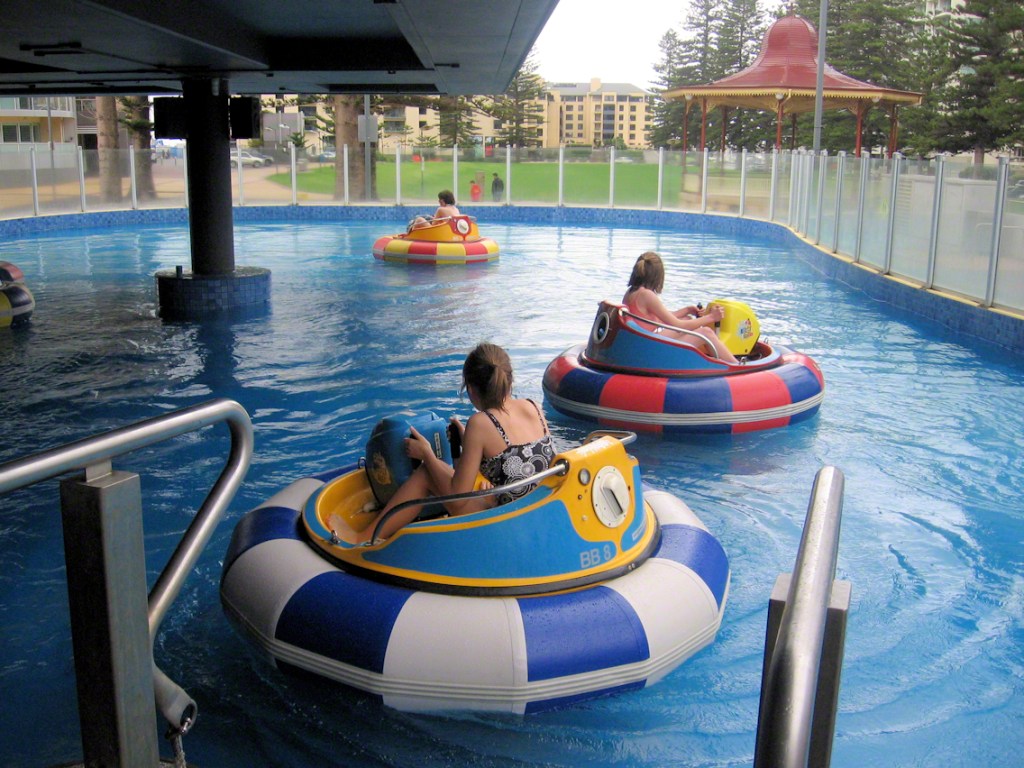
My sons enjoyed birthday parties in this mountain’s cave, chasing Pokemon, bumping in floating boats, and slipping down the waterslide.

Then the “Magic Mountain” went off, replaced by “The Beach house”. Same amusements as before without the “magic” of the mountain. The Ferris Wheel now sits in front of “The Beach house”.

*[Photo 11: Boat Bumping at Beach House © Lee-Anne Marie Kling 2010]

Nearby, high-rise apartments have grown alongside the marina and with them, a delicious array of cafes and restaurants to feed the foreshore wanderer.

*[Photo 12: Marina in the moonlight © L.M. Kling 2017]
*[Photo 13: Now the ferris wheel has moved, centre stage in Moseley Square © L.M. Kling 2021]

Still there: The Beach

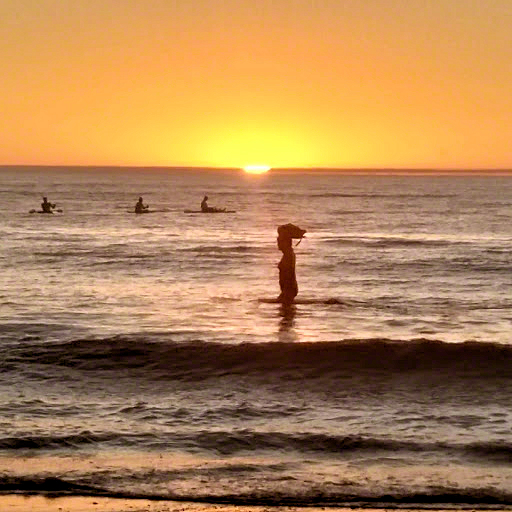
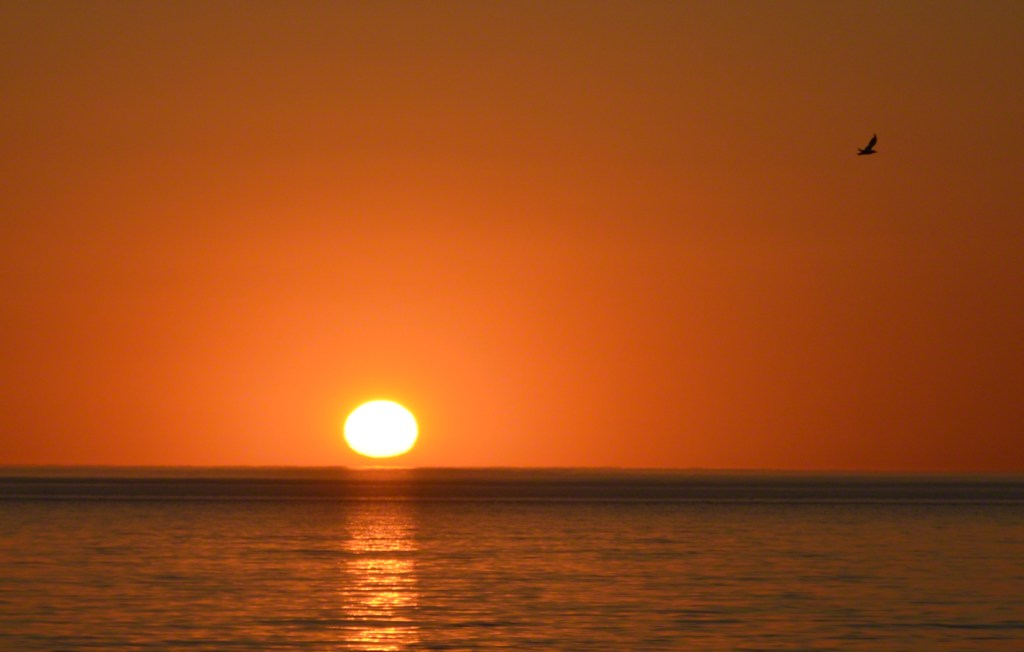
Ever faithful, ever beautiful, the setting to summers filled with family teas by the beach on the lawns, fish ‘n chips with soft drink or cheese and gherkin sandwiches with cordial. Grandparents busy themselves with crossword puzzles while Mums and Dads swim in the waves with kids by the jetty. Then after, while sitting and licking an ice-cream, families watch the sun bulge bright orange as it sinks below the horizon of sea, overhead in the cloudless sky, a plane from Perth streaks a jet-stream, and on the water, there’s a sailboat, swimmers and paddle-boarders.

[Photo 14: Watching paddle-boarders © L.M. Kling 2018]
[Photo 15: Foreshore fun © L.M. Kling 2008]
[Photo 16: Kitsch Sunset with seagull © L.M. Kling 2018]


And people, who walk the boardwalk, play on the sand, and frolic in the water, on a balmy summer’s evening, beam with smiles on their faces. This is the constant memory, through the decades of changes, this is the memory that stays with me of Glenelg.

*[Photo 17: Sunset contemplation of Mr K © L.M. Kling 2018]

© Lee-Anne Marie Kling 2017; updated 2019; 2020; 2024

*Feature Photo: Sunset at Glenelg © L.M. Kling 2019

***

Dreaming of Adventure?

Read more of the adventures of the T-Team in my memoir, The T-Team with Mr. B: Central Australian Safari 1977 and Trekking With the T-Team: Central Australian Safari 1981 available on Amazon and Kindle. Check them out, click on the links below:

The T-Team with Mr. B: Central Australian Safari 1977

Trekking With the T-Team: Central Australian Safari 1981