Have you ever played the game, “Telestrations”? It’s all the rage at the moment. It’s like “Chinese whispers” but done with pictures. Long story short, so to speak, after a picture and its associated word goes through eight people, the results can be hilarious.
Let’s just say, I had a “Telestration” moment this morning. A friend showed me a mention of a Trudinger in a book, my uncle, who conducted an orchestra–yes, so far, so good–but who also was missionary in northern Australia. Now I was confused. I don’t remember my orchestra conducting uncle being a missionary in Central Australia. My dad and his older brother were. I reckon the writer had blended the facts of the three brothers together. However, I will check with my aunt.
So, in light of the way history can be twisted and changed over time, below a post from the past …
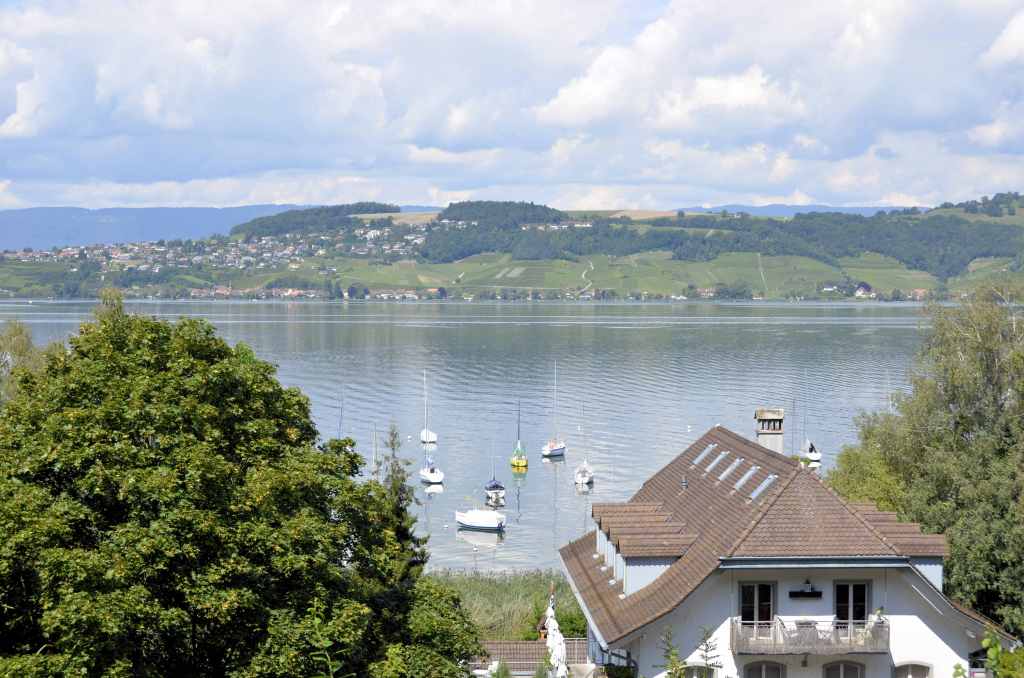
[Have you ever been to a place and had an immediate affinity with it? Well, that’s how it was for me when the T-K Team on their Swiss adventures visited Murten. Loved the place. I’m sure, now, that it wasn’t just the perfect weather, the picture postcard views of the lake and the charming medieval architecture so perfectly preserved. There was something more, which I was to discover recently.
Of course, my younger son would insist on putting a dampener on my dreams—’How can you be related? You’ve got no Western German in your ethnicity,’ he harps on and on about that point. Anyway, we will put that matter aside and I’ll take it up with My Heritage.
All I can say, is that there must be something in the connection I felt with the place. While doing my family history, I came across some ancestors, the De Bons, who lived in Murten, my five times great-grandfather was a protestant pastor in Murten. There were Huguenot connections in the family. And note the museum, where I mention that the Celts lived in Murten. According to my DNA results from My Heritage, my ethnicity is 25% Celt.]
Murten/Morat
Thursday, August 21, 2014, even earlier up as we planned to drive across the country to Bern and beyond, near the French part of Switzerland. Granny excused herself as the last two days had exhausted her and besides, she really needed to catch up with her uncle and auntie.
I might add here that Granny and her family, being Swiss German, were not fans of the French part of Switzerland. The feeling, I’ve heard, is mutual. (Thanks to Nepoleon, the French part of Switzerland only became thus in the early 1800’s. So, when my ancestors were living there in the 1700’s, they would’ve identified as French.)
In Murten, the people speak French. So, when P1 spoke Swiss German to the Museum attendant, she was not amused. We almost didn’t get a Museum pass.
Back to the timeline, and some photos.
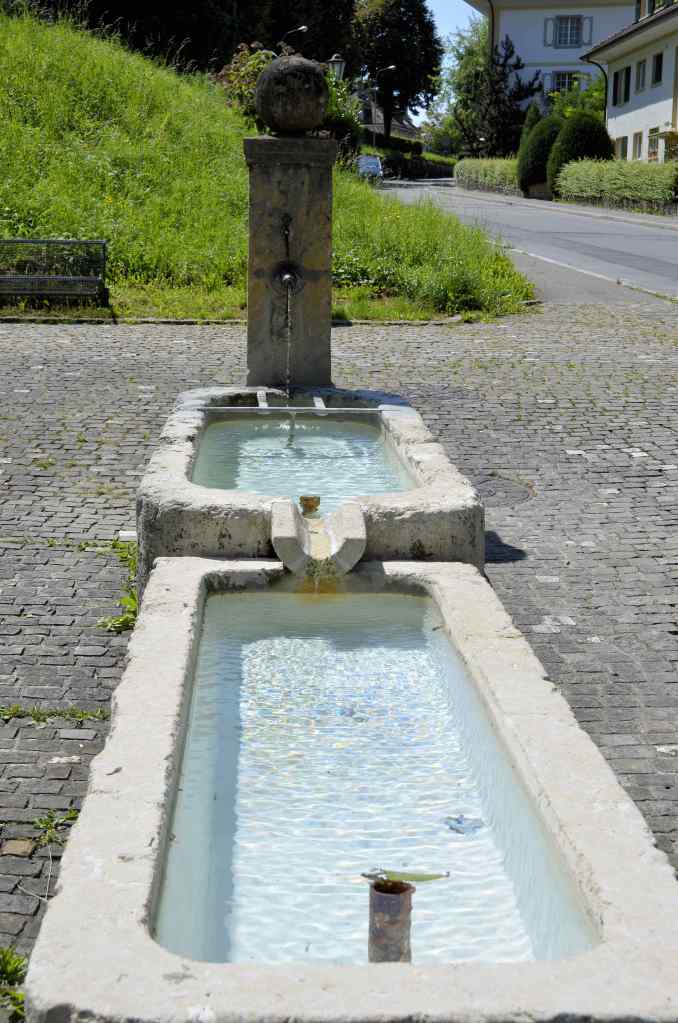
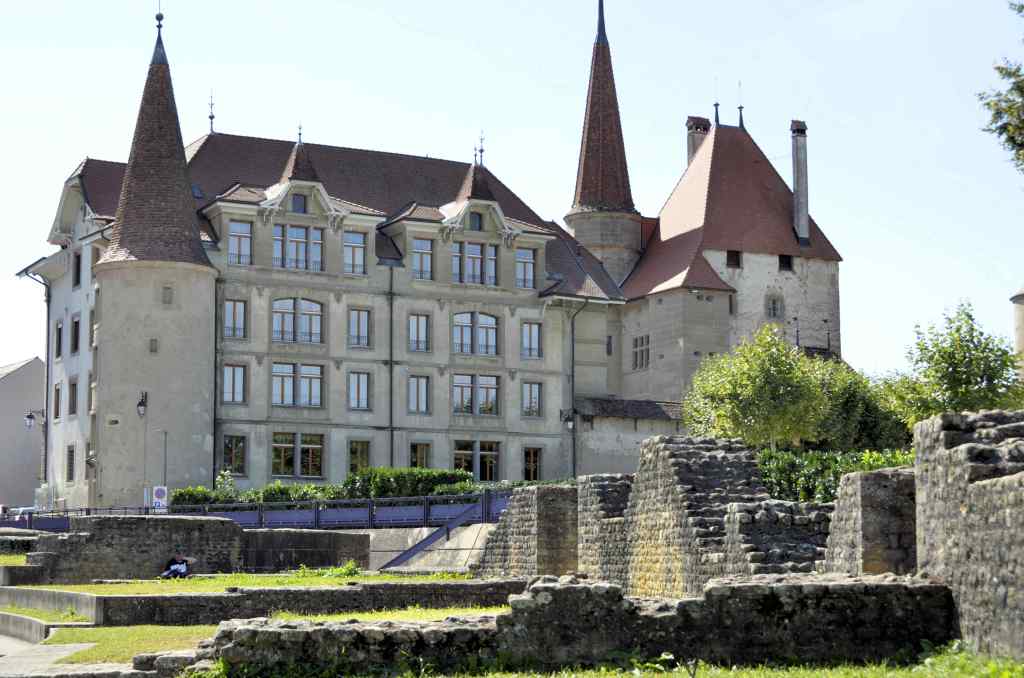
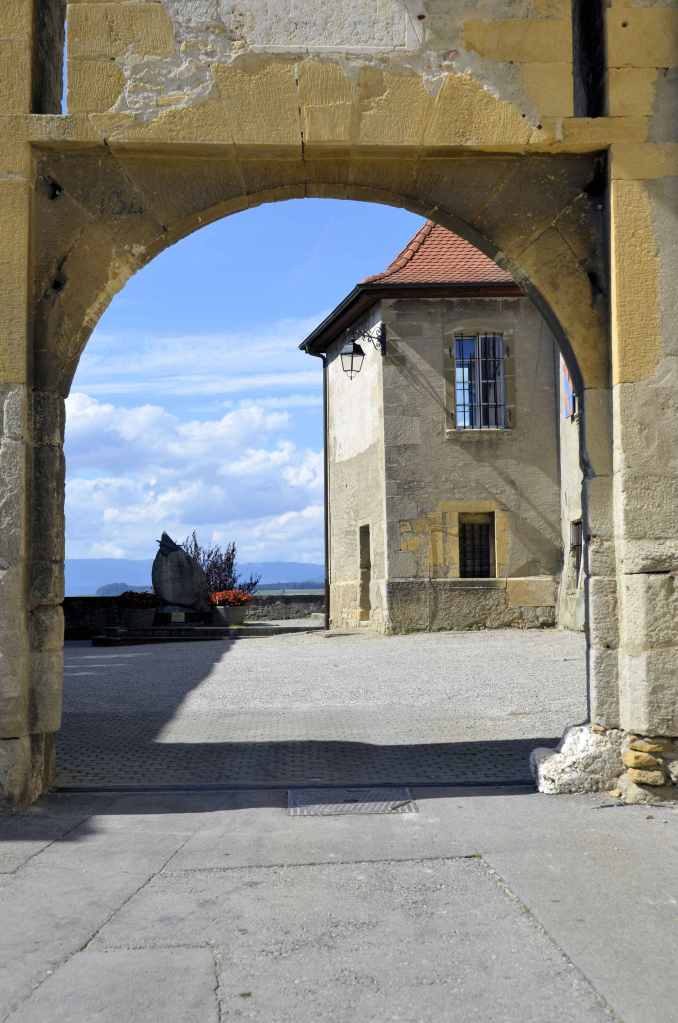
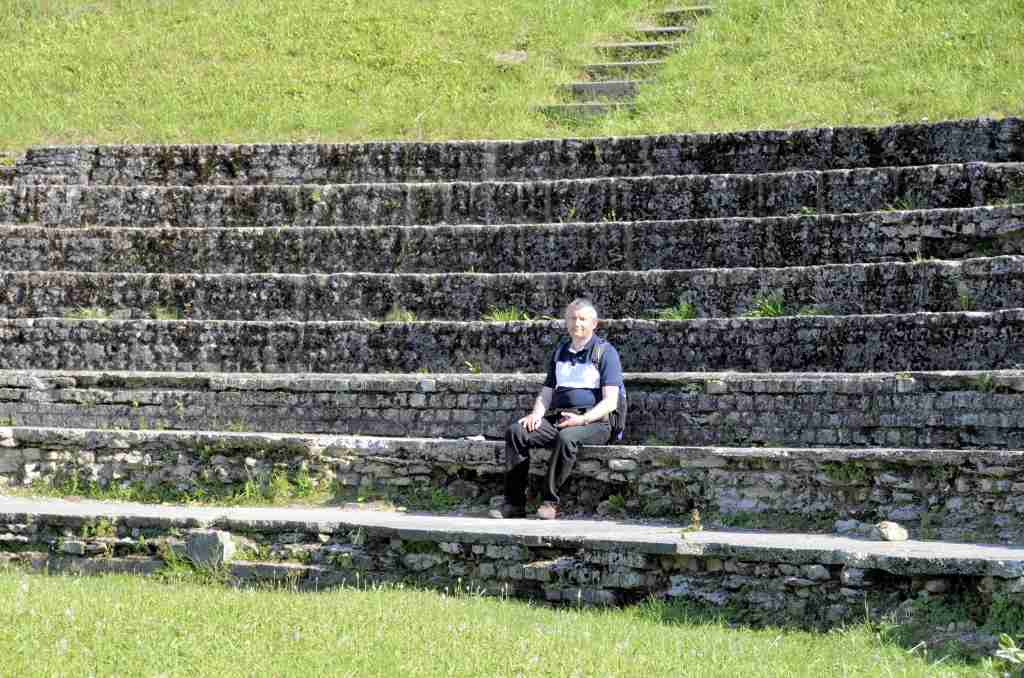
Despite Tomina’s (Tom Tom) and my under par navigational performance (early morning—yawn), we arrived at 11.30am in Morat/Murten and relished a day of summer, eating lunch by the lake, exploring the Old town and its buildings garnished with flowers, the museum of Stone Age, Celtic, Roman and Medieval relics spanning 10,000 years of human settlement around Murten. Followed by a visit to the Roman ruins in Avenches, the ancient capital of the Roman province of Helvitica.
On our return, we suffered the frustration stuck in peak hour traffic, and Granny suffered stress worrying about our late arrival “home”.
Last night, August 1, my husband’s maternal family hailing from Switzerland, we celebrated Swiss National Day. My husband’s mother was born in Basel and then grew up in Zurich. Her mother came from Wattwil, St. Gallen.
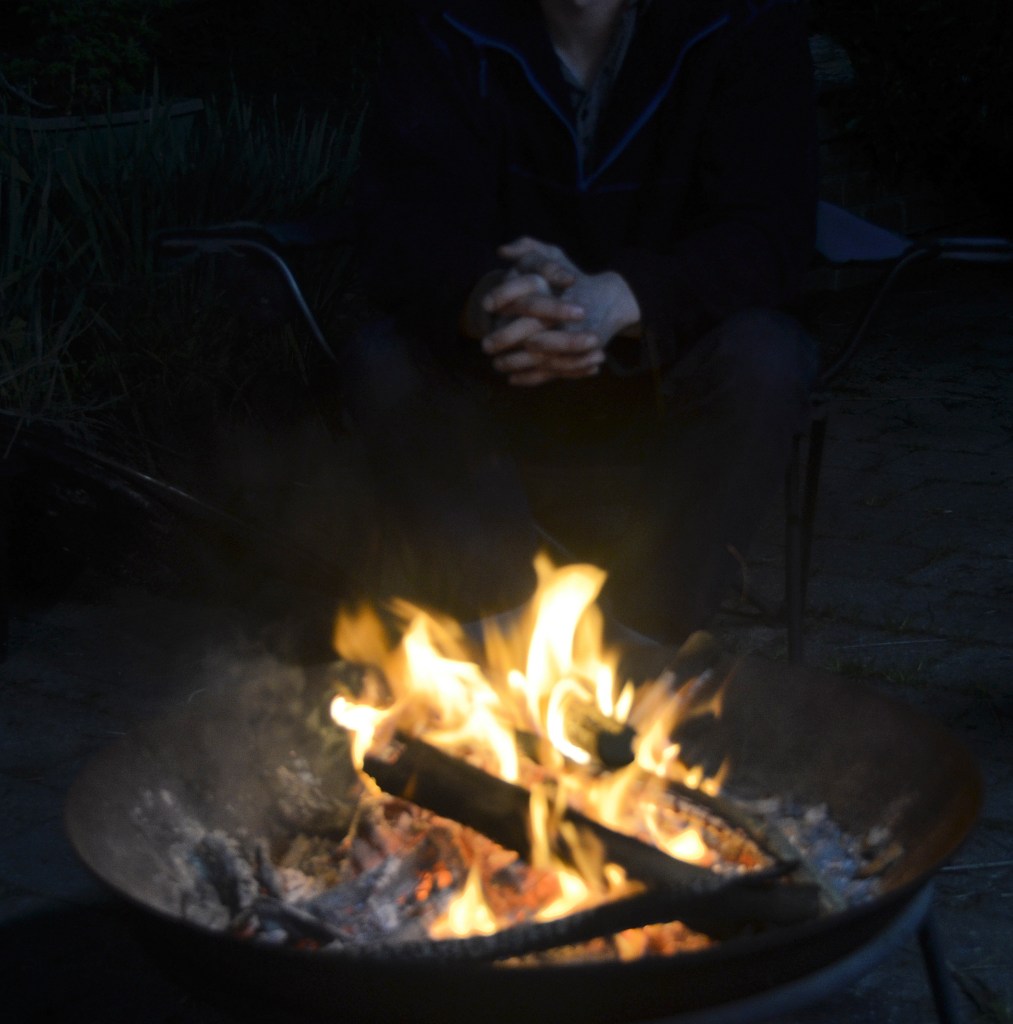
So, the family gathered at our home and enjoyed a firepit fire in the backyard.
When I asked my husband where fondue was “invented”, he said that fondue comes from the French part of Switzerland. In winter, the poor farmers used their cheese and bread to make a meal—fondue.
So, in memory of all things Swiss, here’s a revisit of an earlier post when the T-K Team travelled to Switzerland in 2014.
K-Team in Switzerland—2014
Welcome with Alphorns
Sunday, August 17, the real fun began—and so did the early starts.
Up by 6am to race to Zurich Airport to meet the rest of the K-Team, Hubby’s family: his mother (Mum K) brother (P1), niece (Miss K), our son (Son 1) and his fiancé. Drove into the airport car park where Hubby became confused and drove out again and then in again. After finding a park we made our way to arrivals where an English man chatted to Hubby.
‘We’re from Australia,’ Hubby said.
The English man nodded. ‘I can tell.’
A young woman accompanied by a man dressed in Swiss costume who’d been standing next to us spoke to us. We soon established that we had been standing next to Hubby’s second cousins.
We then waited together for the K-Team fresh from Australia to roll through the arrival gate. Tired of waiting, Hubby wandered down the hallway and there near an alcove of shops, he found our weary travellers.
Must be the atmosphere in Zurich, or just jetlag as after greeting us, they stood around for at least an hour discussing what to do. Hubby and I took custody of their luggage and had a coffee while they lingered in the hall in suspended animation apparently organising the lease car and then debating how to change Australian dollars into Swiss Francs.
Just as I pulled my diary out to write, movement, and then we were on our way to the farm near Wattwil of Toggenburg in the Canton of St. Gallen.
There Alphorns, and cow bell ringers, and the stunning green hills and blue mountains of the Santis greeted us. Mum K shrieked and cried and hugged her relatives. Our niece exclaimed, ‘It’s all so beautiful!’
Willing members of the K-Team tested their muscles swinging the huge cowbells, or their lungs playing the Alphorn. Some had more success than others. I escaped the test by recording the event with my camera.
After the insecticide incident, our hosts showed us our rooms and one of our cousins gave us instructions about the bathroom and how to place the flywire in our windows to keep out the “fleas”. She meant flies.
Mum K went missing. Found her in the dairy—yes, we were on a dairy farm that is still owned by the family. I was amazed that Swiss farmers have as few as ten cows and yet they make a living! Wouldn’t happen in Australia. And our hostess promised us fresh milk, dare I say it, raw milk, straight from the cow the next morning. Ah, the advantages of living on a dairy farm in Switzerland!
‘Actually,’ Hubby stated, ‘the Swiss Brown milk is known for its high fat content, so the milk is used for making cheese.’
As the T-Team talked to their dairy-farmer cousins, in this barn for the cows, I held my nose and edged towards the door. The up-and-personal experience with the cows and their calves in their enclosures, proved too much for my senses, and I suggested, ‘Let’s go for a walk to the forest.’ I moved out of the barn, sure that my bovine-close-encounter would be used in what was at that time in 2014, a future story—TheLost World of the Wends.
From the barn, the K-Team took a ramble to Mum K’s beloved forest—a smaller forest than one she remembered from her youth, but one she recalled vividly in a novel she wrote, A Teenager Long Time Ago.
[As a child, I frequently had dreams where I was locked up in a prison cell and couldn’t get out. When, through family history research, I discovered the plight of my young (at the time) great-great Grandfather, I realised the origins, genetic or spiritual, of those dreams.]
My “Convict” History
I admire a former convict, an ancestor of mine. Okay, you may think, yeah, of course, she’s an Australian—these days they wear their convict heritage like a badge of honour.
No, actually, my great-great grandfather Friedrich Schammer lived in Silesia which is now part of East Germany or Poland today. Rubber borders, you see. His crime was trivial by our standards today in the West. But then, so were the crimes of shiploads of convicts who were transported from Britain and Ireland to Australia in the early nineteenth century. (For this reason, I have included photos from my visits to convict settlements, Port Arthur and Sarah Island, Tasmania, as my two-times great grandfather, was living his life in Silesia around the same time, in the early nineteenth century.)
My great-great grandfather Friedrich spent less than three months in prison for this crime he did not commit, but I admire the way he handled his dire situation.
How did he get into this trouble?
According to the family history book of this particular branch of the family, in the town in which my great-great grandfather studied as a medical student in the 1820’s, the military came to power and enforced strict and arbitrary rules. I might add here that my ancestor had already endured hardship, having been orphaned as a child, suffered poverty and then, his older brother who was his guardian, died from typhus. I imagine, these events spurred him on to be a doctor.
Anyway, in this university town of Jena, the students protested against their restrictions to their liberty by reacting against the ridiculous laws the military had brought on the town. Some of these laws were that there be no singing in the streets, no wearing of caps and waving of flags. The students protested by marching in the streets to the town square, singing and waving flags. All went smoothly and peacefully with no trouble from the authorities.
Then some of the young men, probably after drinking a few beers, became bolder as young men do tend to become. They threw rocks at windows; action that got the authorities’ attention.
The military swooped and arrested many of the protestors. My great-great grandfather was walking past the action and was in the proverbial wrong place at the wrong time.
Arrested and tried, though otherwise of exemplary character as a good Christian belonging to the Moravian Brethren, Friedrich was convicted and sentenced to prison for six months. I might add here that I have learnt recently that in Europe, the judge or judges determine the fate of the defendant. Whereas in the United Kingdom, United States and in Australia a jury (twelve randomly selected citizens) under the decide the fate of the accused.
It seems by his account and letters, a certain beadle in town had it in for my great-great grandfather Friedrich.
Yet Friedrich accepted his time in prison and made the best of the situation both for himself and others. He studied, enjoyed the view of the valley from his prison room (I think he was in a low security prison) and used his medical knowledge and skills to help those around him.
Great-great grandfather Friedrich’s quiet conduct and enrichment of the prison community was noticed by the authorities, and they released him less than three months into his term.
Released, Friedrich’s ordeal was not over. The university where he’d been studying banned him from returning to study there. His reputation tarnished, the villagers shunned Friedrich.
However, Friedrich did not give up. He moved to Berlin and keeping a low profile, completed his studies at The Charite University Hospital and graduated as a Doctor of Medicine. He had a heart for the poor, having been poor himself, and would treat those in need without demanding payment.
My great-great grandfather demonstrated those godly qualities I admire—justice, mercy and compassion. And perseverance, even in the face of adversity.
Philippians 2:14-15—Do everything without complaining or arguing, so that you may become blameless and pure, children of God without fault in a crooked and depraved generation, in which you shine like stars in the universe…
Note: Port Arthur housed what British authorities considered the worst of the convicts transported to Australia in the early to mid-nineteenth century. I visited this convict settlement in 1981, 1995 and 2009. A place well-worth visiting to learn from the mistakes made from the past (how not to treat fellow human beings). Although the place appears serene, the presence of the tortured ghosts of the convict past can still be felt.
Sarah Island situated in the Macquarie Harbour on the west coast of Tasmania, imprisoned the worst of the worst convicts transported to Australia in the early nineteenth century.
I have visited Sarah Island as part of the Gordon-Franklin River Cruise, both in 2001, and 2011. I highly recommend this cruise—a bucket list for travellers—history, wilderness, rare beauty of unspoilt rivers and rainforest and…excellent food. And not to mention entertainment. After your cruise I highly recommend that you see the historic play, The Ship that Never Was. It’s about convicts who build a ship to escape their prison island to make their way to South America. In January in 2024, this play celebrated 30 years of performances in Strahan.
Resource: Historyof theSchammer Family, Based on the work of Dr. A.H. Francke and J. Gemuseus, Written by Reinhold Becker, Herrnhut, 1922, Printed Gustav Winter, Herrnhut in Saxony and Translated from German by Rebecca Gnüchtel 2009
***
Virtual Travel Opportunity
For the price of a cup of coffee (takeaway, these days),
Click on the link and download your kindle copy of one of my travel memoirs,
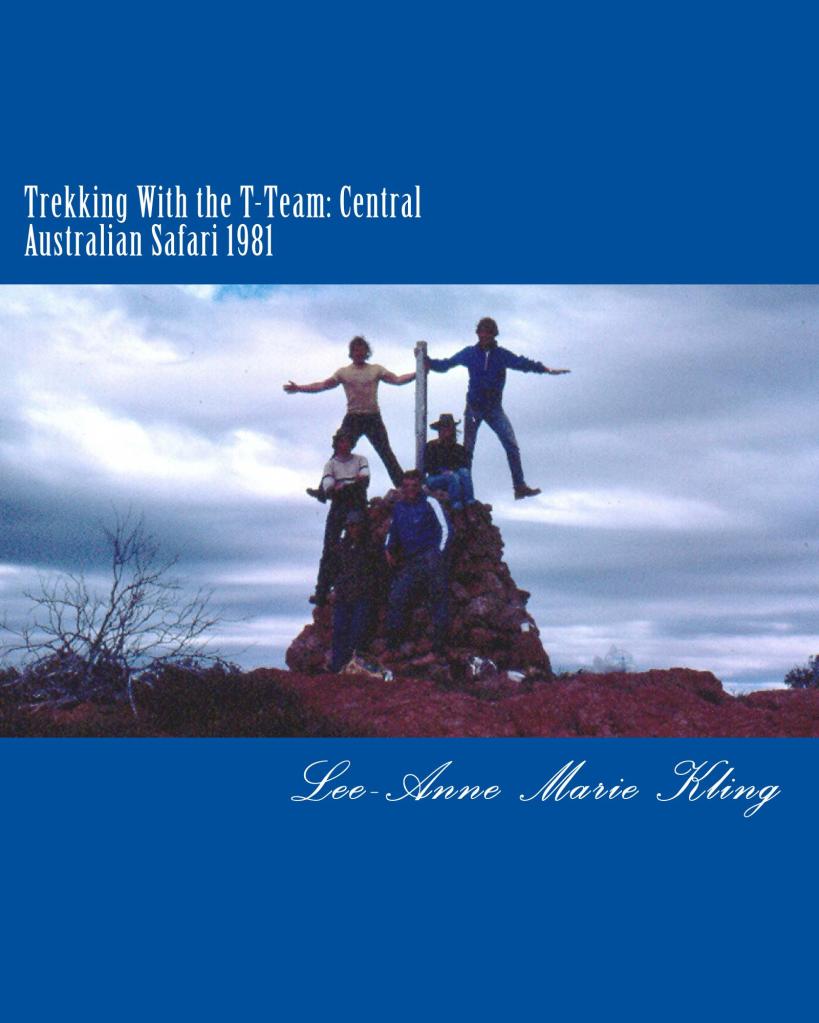
Experience Historic Australian outback adventure with Mr. B







 Tru-Kling Creations