Friday Crime–The Culvert (33)

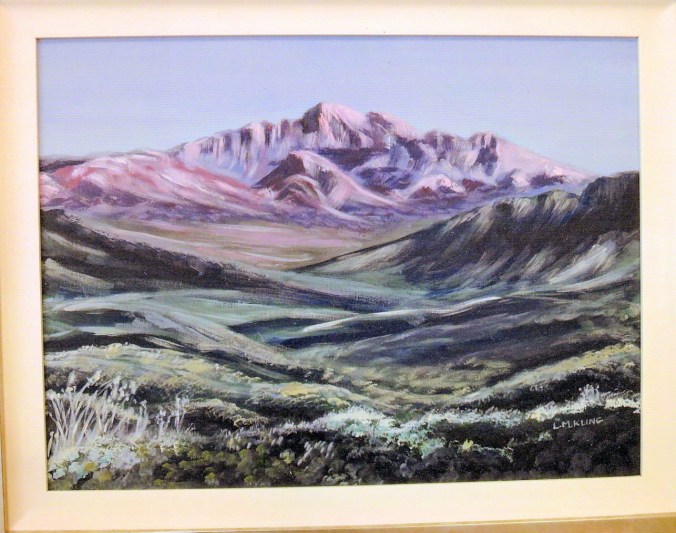
[Currently, I have three of my paintings displayed at the Blackwood Rotary Art show which is on for the next couple of weeks. If you are in Adelaide, check it out. A number of us Marion Art Group artists have our work in there. Hence, one of these paintings, my painting, the feature painting of Mt. Zonder which has nothing to do with the ongoing saga of my Friday serial, “The Culvert”.

I post this work-in-progress for your entertainment and also, feedback, if you are so inclined to give some feedback.

Cheers, Lee-Anne]

Collaboration

Thursday, May 19

10am

Police HQ

El

El stood beside the multimedia touch screen and created a Venn Diagram. She felt awkward, like an imposter—she shouldn’t be here. But here she was. She glanced at the patent label down the bottom of the screen, in teeny weeny script, “All rights reserved, Sven von Erikson” and again, was not sure they should be using this programme.

Dan assured her it would be fine and that he’d been using the so-called collaborative/crowd-sourcing material for months. ‘If it helps catch the culprits, what harm can it do?’

El pointed at the middle of the intersecting circle where the name of Sven von Erikson was written in bold Arial script. ‘But he’s a suspect, Dan. Who says he won’t fiddle with the programming and make sure he disappears?’

‘I’m sure he won’t do that,’ Dan replied. ‘After all, he wouldn’t have given me the programme to test, if he didn’t want crimes solved too.’

‘Keep your enemies closer,’ El muttered.

‘He’s a friend,’ Dan said. ‘Besides, if it’s a success the department will be rolling it out Australia wide.’

‘I prefer the old-fashioned whiteboard and Blue Tak,’ Dee plopped her comment in, ‘all this technology is begging for stuff to go wrong. I hate technology.’

‘Why don’t you go down to the basement and dig out an old whiteboard and Blue Tak then,’ Dan said.

‘Rather not, all that dust gives me hay fever.’ Dee shook her head. ‘Anyway, I’ve got my investigation mapped out on a wall at home.’

The three studied the diagram with the intersection of suspects who out-numbered the witnesses on either side. Dan tapped the name of Lille’s and Sven’s father, Jan von Erikson. ‘Where’s he?’

‘If he’s still alive, he’d be ninety-two,’ Dee said. ‘But I do remember from my research that he walked out on the family back in 1977.’

‘Right, Dee,’ Dan said, ‘I want you to find out where Mr. von E went and what he’s been doing all this time. No one ever reported him missing?’

‘Appears not, seems they just accepted he walked out and wanted nothing more to do with the family,’ Dee said.

‘Now, El, let’s not assume, but confirm if he’s dead or alive, and when and where he might’ve died or where he’s living now. I want you to go where the von Erikson’s lived at the time, I have the address here,’ Dan handed El a slip of paper, ‘and ask around. You never know, there maybe someone who remembers something.’

‘What about the Edwardes’s?’ Dee asked.

‘They’re a no go at the moment; Lillie has put in a complaint of harassment. So, we have to tread carefully until we have more solid evidence,’ Dan said. ‘I’ll be continuing to gather information concerning Percy Edwards and his murder.’

Dee raised her hand. ‘What about the trafficking of the baby Lillie had back in 1981?’

‘That will need to be put to one side until after we sort out the murders,’ Dan said. ‘Now, we have our work cut out for us, so let’s get onto it.’

© Tessa Trudinger 2025

Feature Photo: Memories of Mt. Zonder © L.M. Kling

***

Sometimes characters spring from real life,

Sometimes real life is stranger than fiction.

Sometimes real life is just real life.

Check out my travel memoirs,

And escape in time and space

To Central Australia.

Click on the links:

The T-Team with Mr. B: Central Australian Safari 1977

Trekking with the T-Team: Central Australian Safari 1981

Or for a greater escape into another world…

Check out my Sci-fi/ dystopian novel,

And click on the link:

The Lost World of the Wends

Family History Friday–Grandpa Gross

Tale of Two Grandpas

Grandpa 1—Sam Gross

Recently I shared how my dad relied on the Readers Digest “How to Fix” book to tackle DIY jobs. Having a double mortgage, and money being tight, Dad didn’t have much cash to splash on the “experts” in such fields as plumbing, electricity and general home maintenance.

The response met with a hint of dismissal from my older friends who prided themselves on their pedigree of farmer fathers. These, they boasted were real men, Aussie men, who fixed all things by pragmatic problem solving without the help of a book. The wisdom of their farming forebears imparted to them by osmosis, apparently.


*[Photo 1: One of those Some Mothers do ‘ave ‘em moments © L.M. Kling (nee Trudinger) circa 1978]


In contrast, my father was a lesser being, a city dweller who had to refer to a book, of all things. My dad was a much-loved teacher, gifted in music, art and sport. He coached a winning football team of Indigenous players from Hermannsburg, Northern Territory in his youth, led a choir of Indigenous singers, and later school student Anklung bands for the South Australian Festival of Music. No flies on my dad. But I must admit, when it came to DIY, his forays into such exploits would rival the character Frank Spencer in the British sit-com, “Some Mothers do ’ave ‘em”. Still, I’m proud of my dad and love him.
But then I realised that these superior beings who were my friend’s fathers, were from my grandparents’ era.

So, I cast my mind and research back to my two grandpas: Reverend Sam Gross (my mother’s father) and Dr. Ron Trudinger (my father’s father).

Now these friends held up their ties to the land as superior. Although both my grandfathers are highly educated with Reverend and doctor between them, I can claim a link to the land too, through my maternal grandfather, Sam. His family were farmers with I imagine generations of farmers before them from Horsham Victoria in the 1850’s and extending back to Prussia.


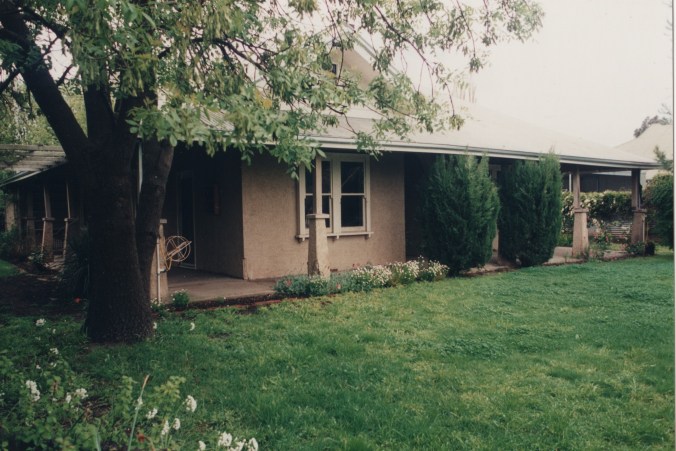
*[Photo 2: The Gross Family Farmhouse, near Horsham, Victoria © L.M. Kling 1996]


Sam was born in 1905 and grew up with all that practical knowhow bred into his being. I never met Sam, he died before I was born, but I remember my mum saying he was good at fixing things like cars. He could’ve been an engineer, but he became a Lutheran pastor. I reckon my brother inherited some of Sam’s traits—he’s a jack of all trades—the ideal DIY man.

As a child, Sam suffered rheumatic fever which affected his heart. Consequently, he got the education with the view of becoming a minister and wasn’t expected to continue with the farm like his brothers.
The doctors told Sam he wouldn’t live past the age of thirty. But being extremely fit and maintaining his health, Sam defied those expectations.

After ordination to become a minister, and then a few years posted to Berri, in the Riverland of South Australia, Sam with his wife, Elsa (my grandma) and three young daughters (one my mother), ventured to Hermannsburg, Northern Territory. There God had called them to be missionaries to the Arrernte people.


*[Photo 3: Leaving Berri © S.O. Gross 1939]


Now, Hermannsburg is remote, more so in 1939 when they moved there. The settlement became even more isolated once war broke out.

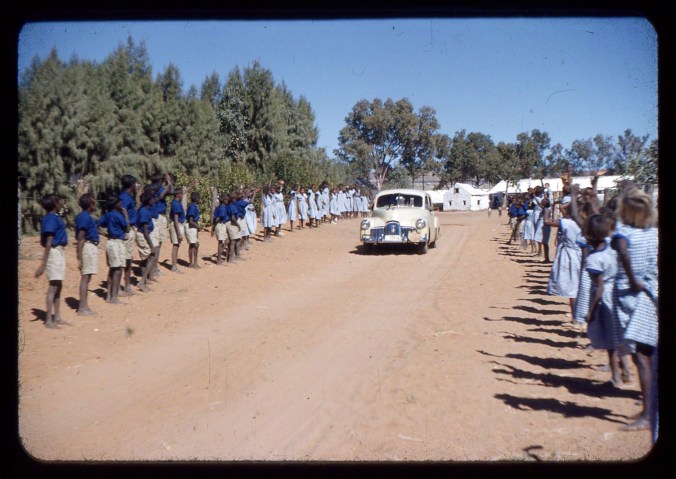
*[Photo 4: Pastor Sam Gross with fellow ministers in Hermannsburg © courtesy of M.E. Trudinger circa 1940]


Sam’s pragmatic skills, bred and imparted to him from generations who had lived and struggled on the land as poor subsistence farmers in Germany, then as pioneer farmers in the Victorian Western districts in Australia, came to the fore in the harsh isolated conditions in Central Australia.

Sam had to venture to even more remote places in the desert west of the MacDonnell Ranges—Haast Bluff for instance. One trip in 1942, the truck broke down. Despite putting his mechanic hat on and trying to fix the car, an essential part of the engine was kaput and the much-needed part not available. Sam’s problem-solving prowess kicked in, donkeys were found and the car towed by donkey-power back to “civilisation”—Hermannsburg.

*[Photo 5: Donkey-power © S.O. Gross 1942]


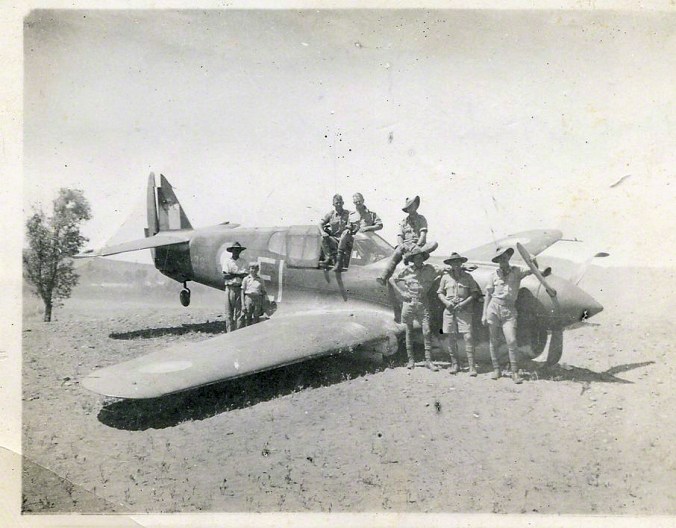
A year or so after their arrival in Hermannsburg, the supervising pastor, F.W. Albrecht was stuck in Adelaide as a result of the war. Hermannsburg came under suspicion, as it was a mission set up by German missionaries back in the 1880’s, and as such with ties to the Lutheran church, had a German name and tradition. The British Army being paranoid of anything that hinted of German, was suspicious of Hermannsburg. They feared German spies were hiding out there. So, they sent officers to check out Hermannsburg.

*[Photo 6: A visit by the Airforce © S.O. Gross circa 1942]


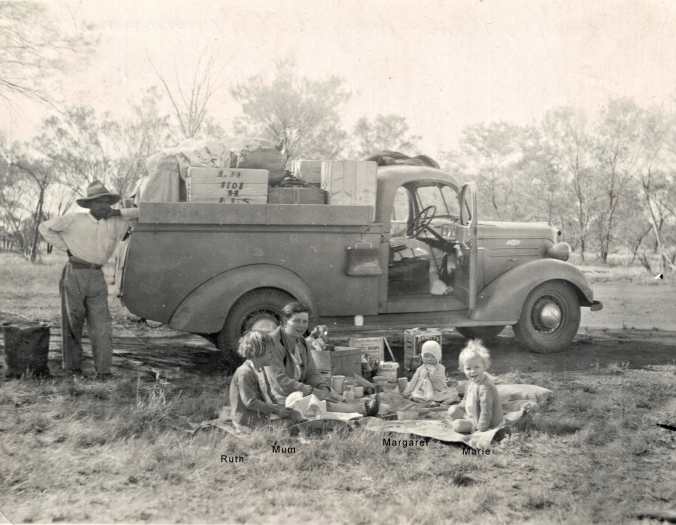
On one of these visits, without their chief, Pastor Albrecht, Sam and Elsa had to entertain these one-eyed wary characters. How did Sam survive their investigation? My mum says her father had the gift of the gab. My grandma had the gift of hospitality. In “A Straight-Out man” by F.W. Albrecht, I remember reading the Arrernte said that Sam would be alright, he’s so Aussie they won’t suspect him. Besides, the name Gross is found in England too. Also, Sam’s first language was English and when at school, he had trouble learning German. Although German was spoken at Hermannsburg and in the family, Mum can’t remember what they did when these British Intelligence Officers came, but thinks the children were kept out the way. Maybe someone took the kinder (children) on a picnic…


*[Photo 7: Mum and her sisters on a picnic © S.O. Gross circa 1942]


Sam and his family survived the officer’s interrogation. However, the pedal two-way radio was confiscated, and later Rex Batterbee was appointed to keep an eye on the mission. This Rex did and taught Albert Namatjira to paint.

There’s much more to Sam’s story. I think this post gives a glimpse into his generation and German farming ancestry, migrants making good, living in isolation, making do, thinking on one’s feet and problem-solving.

Did I mention Sam still found time to indulge (as the Mission Board put it—another saga) his passion for photography? He used these photos of Central Australia for deputations to garner support for the mission. Many of his photos are now stored in the Strehlow Centre in Alice Springs.

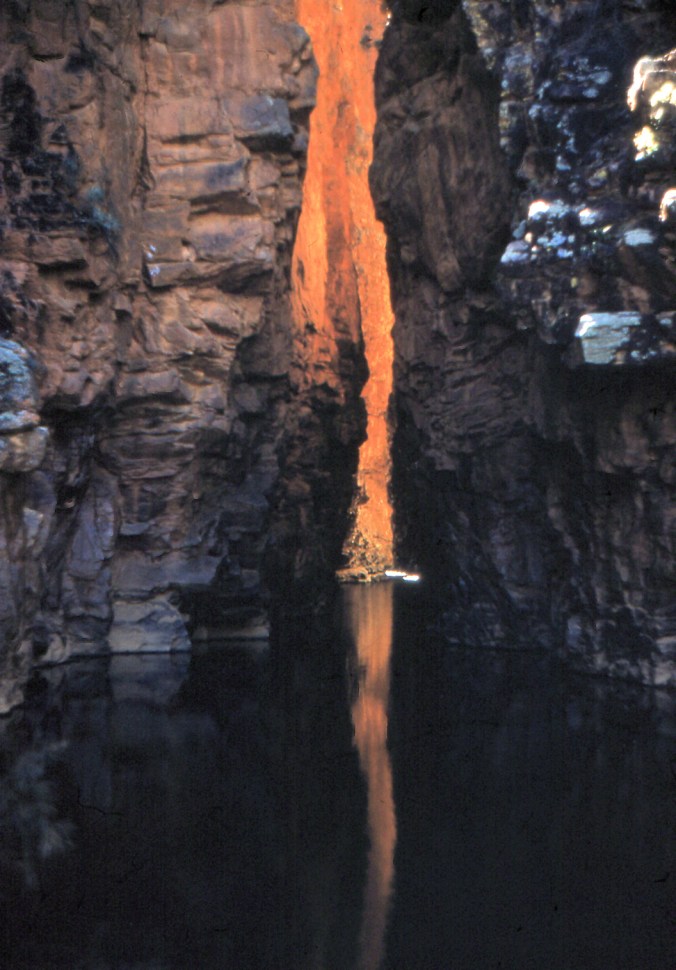
*[Photo 8: One of my favourites of Sam’s photos, Ghost Gum © S.O. Gross circa 1942]


And finally, Sam outlived his doctor’s expectations. He lived to the age of 57.

© Lee-Anne Marie Kling 2025
Feature Photo: Sam and Elsa Gross © courtesy M.E. Trudinger circa 1960


VIRTUAL TRAVEL OPPORTUNITY

FOR THE PRICE OF A CUP OF COFFEE (TAKEAWAY, THESE DAYS),

CLICK ON THE LINK AND DOWNLOAD YOUR KINDLE COPY OF ONE OF MY TRAVEL MEMOIRS,

EXPERIENCE HISTORIC AUSTRALIAN OUTBACK ADVENTURE WITH MR. B
IN

The T-Team with Mr. B: Central Australian Safari 1977

OR COME ON A TREK WITH THE T-TEAM IN

Trekking with the T-Team: Central Australian Safari 1981.

Art Break–Story Behind the Muse

Oops! Almost one week into Marion Art Group’s (my art group) exhibition at the local shopping centre, and I have failed to mention it. Been too busy writing, appraising hopeful writer’s works, and transcribing a friend’s biography of her mother who lived through the horrors of World War II. Plus burrowing away in the family history rabbit hole.

I have been pondering where my art genes have come from. No mention of renown artists in my ancestry. My dad was an artist with some potential, emphasis on potential as he channeled his talents more into music than art. My maternal grandfather, Sam Gross was an amazing photographer. But as a missionary pastor in Central Australia, he was discouraged from furthering his photographic endeavours as the mission board frowned on it and said he was spending too much money on camera equipment and film.

So, in light of my predecessor’s unrealised potential and the fact that I am still using the watercolour paints and brushes my dad left behind, I will share an afternoon that we spent painting in Central Australia in 1981.

Mount Hermannsburg

My father and I sat in the dry river bed of the Finke River painting Mt Hermannsburg which towered above the river gums and spinifex. We painted our muse on site; Dad painted in watercolour and I painted in acrylic.

After a couple of hours, Dad packed up his brushes and palette and returned to the town of Hermannsburg. I stayed, in the creative zone, dibbing and dabbing, the setting sun casting shadows over the river bed and a cool breeze pricking me with goose bumps on my bare arms.

I made the final touches as the sun sank below the horizon and I was called in for tea. I signed with my maiden name, naturally, as I was only 18.

Dad’s painting and mine sat side by side on our host’s piano where all who saw, admired our work. I kept walking past and gazing at my painting. Did I really do this? Wow! Did I really?

© Lee-Anne Marie Kling 2016; updated 2024

Mt. Hermannsburg, MacDonnell Ranges Northern Territory, Australia. Painting by Lee-Anne Kling (nee Trudinger) in acrylic 1981. Not for Sale

***

If you are in Adelaide, check us out.

100-Word Challenge–Stolen…Almost

With an exhibition coming up in April, I thought this cheeky little piece, a 100-word challenge might fit the bill, so to speak. The actual incident of imagined “water/wine-theft” took place several years ago, but I believe the gallery involved still takes their rules very seriously.

Stolen…Almost

‘Where can we get some water?’ my friend asked.

I pointed at the casket of spring water languishing in the gallery. ‘There’s some just there.’ A glass wall confined the well-watered and wined gallery guests. We had been guests, but this gallery was devoid of seats. We wanted to sit. And eat.

‘Sign there bans wine not water.’

I stowed into gallery, collected cups of water and walked to the door.

‘Where do you think you’re going?’ self-appointed wine-police snapped.

I placed the stolen water back on the table and left.

Transubstantiation. My first virtual miracle; turning water into wine.

© Lee-Anne Marie Kling 2019; updated 2023

Feature Painting: Sleeping Beauty on Huon © L.M. Kling 2017 (currently displayed at Brews &Views Café, Marino)

***

Want more memoir? Some travel?

Take a journey into Central Australia with the T-Team…

Click on the link:

Trekking with the T-Team: Central Australian Safari 1981

Or

If Sci-fi is more your thing

Check out my War Against Boris series…

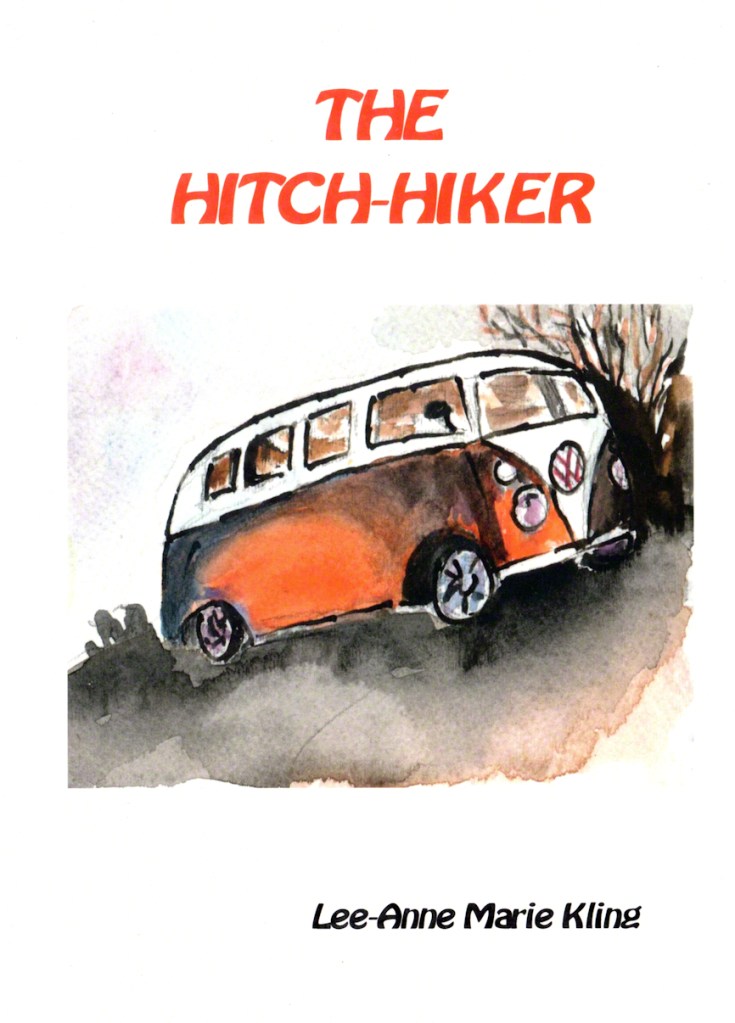
The Hitch-hiker

Mission of the Unwilling

The Lost World of the Wends

Story Behind the Art–Cockling at Goolwa

Cockling at Goolwa

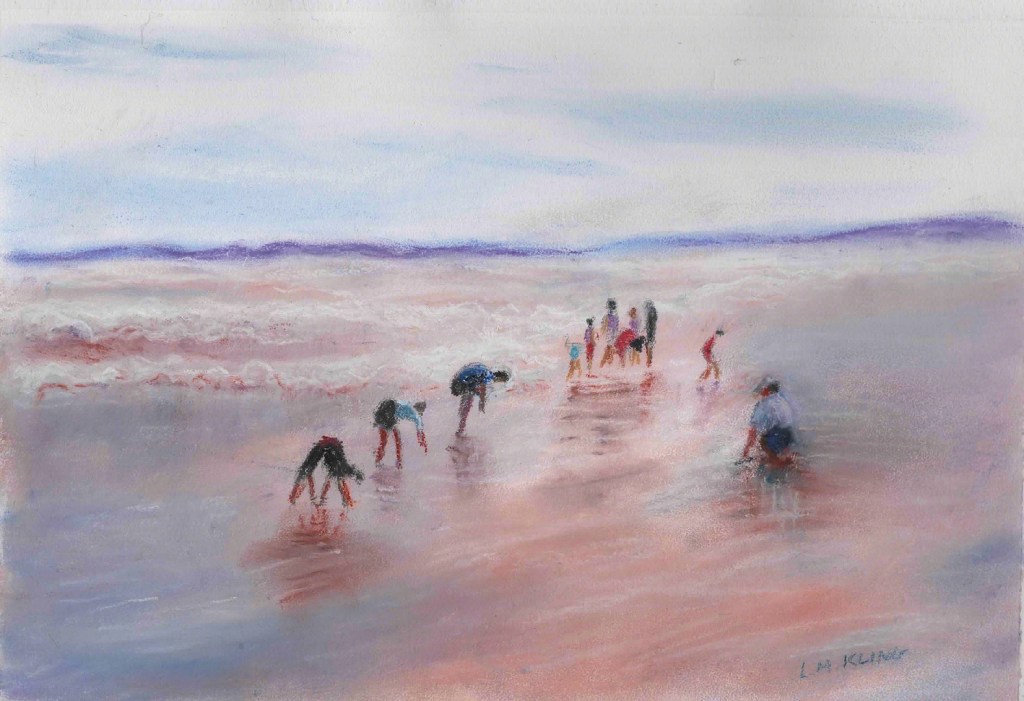
A picture, they say, tells a thousand words. So, what is Cockling at Goolwa’s story? How can the simple heel-toe dance of “cocklers” (people who dig for cockle shells), their feet sinking in soggy sand of the in-coming tide, in the flux of early summer warmth, on a remote beach south of Adelaide tell us? What story worth a thousand words? What was it about this scene that attracted me to capture it? First in photo and then several years later, on canvas in acrylic, and recently in pastel.

*[Photo 1: Cockling at Goolwa © L.M. Kling 2002]

I think the water reflecting the sky, all silver, the people on the wet sand, a mirror, swaying and twisting for cockles captured my attention. I’d been there, on the glassy surface, watching for bubbles, grinding my heel into the bog, feeling for the sharp edges of shell and plucking out the cockles that snapped shut when exposed to air.

*[Photo 2: Dad Digging for the cockle © L.M. Kling 2002]

I was there, but then I watched. Mothers, fathers, and children lost in the moment of twisting and hunting and collecting cockles.

*[Photo 3: Lost in the moment © L.M. Kling 2002]

‘What will you do with all those cockles?’ I asked.

‘They’re for fishing,’ one of our friends said. ‘Bait for fish.’

‘Hopefully, we’ll catch a few fish and have them for dinner tonight,’ another said.

I imagined fish, fresh from the sea, thrown on the barbeque and the cockle bait inside them buried once again in our stomachs. We continued digging for cockles…family and friends, one with the ancient, outside time—nothing else matters but the cockles.

*[Photo 4: Goolwa beach Lost in time © L.M. Kling 2002

]

Goolwa, if I remember, has mounds of spent shells in the sand hills, monuments to generations upon generations of Indigenous Australians, their open-air kitchens and meals. Did they perform the same ritual, on the same patch of wet sand, delving for cockles to fry on their fires? A quick perusal of Google reveals they used nets to collect cockles and catch fish. They then cooked the cockles on a campfire.

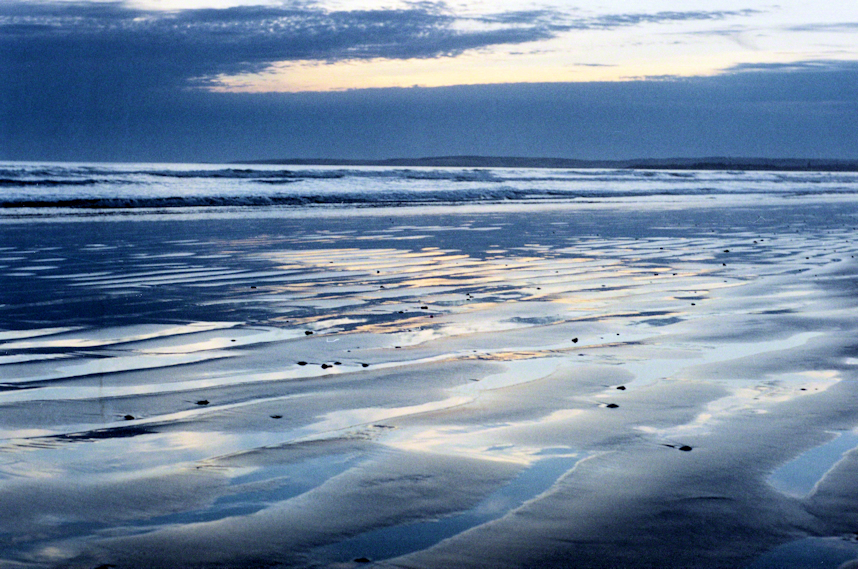
*[Photo 5: Goolwa beach sunset © L.M. Kling 2002]

We are here, they are gone, but their spirit of history lingers, reminding us, though we seem different, we are the same. We are digging, dancing and delving for our dinner. We are still, in the moment, alone in our thoughts in a forgotten corner of the world, unknown by the world, yet one with this country’s past. And God knows each one of us—each part of us, even the unknown parts of ourselves and our secrets.

*[Photo 6: Divine painting of sky and sea © L.M. Kling 2002]

What if I shared a little secret—an artist’s secret? Okay, I’ll tell you. I painted this picture in less than two hours. Now, that I’ve told you, would the painting be worth less to you? Must time be equated with worth? Sometimes I do take hours upon hours, layers upon layers, and more hours planning to get the work right. But not Cockling at Goolwa.

*[Photo 7: The natural child © L.M. Kling 2002]

I love the beginning of a painting; laying the foundation, engaging my inner-natural child, the paint flowing from a thick brush on a damp canvas, colours blending, mixing as I go. One side of the brush crimson, the other blue and a dab of white. Sienna somewhere there in the foreground shadowing the sand. Mid-yellow added incrementally to shroud the distance in light grey for perspective. Then just a hint of heads of land jutting out halfway across the horizon with a suggestion of ultramarine in the grey. So simple, and sometimes, like with Cockling at Goolwa, the scene emerged before my eyes. In the world of artists, I believe the term “magic brush” or “magic hand” has been used. Um, trade secret, so don’t go spreading it around.

So, there you have it, in less than an hour, surf, sand, sky and tones in all the right places.

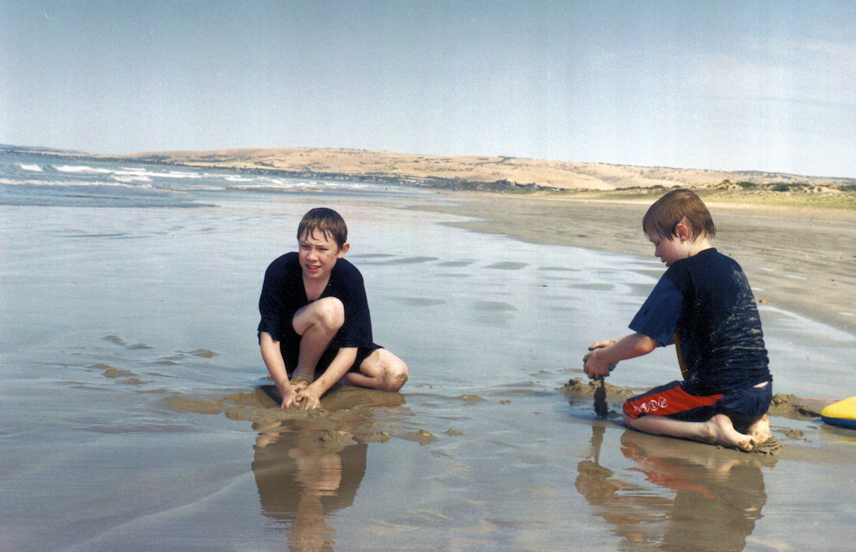
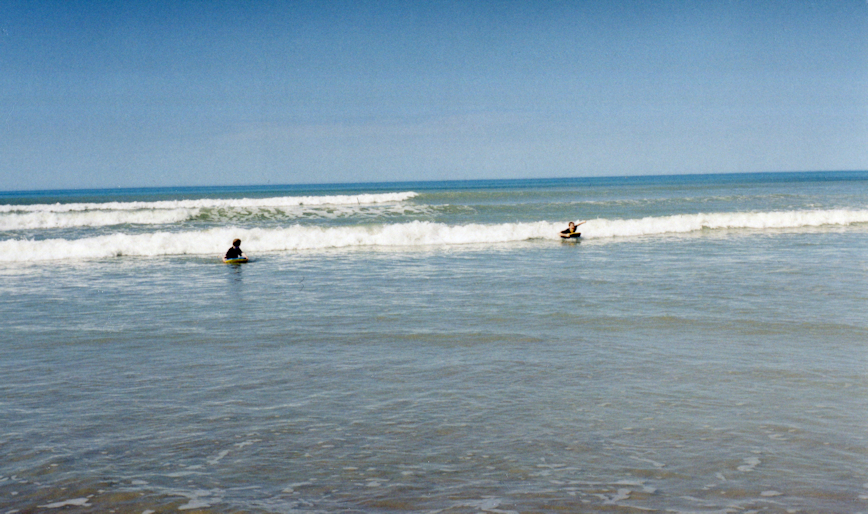
*[Photo 8: Boogie-board Surfing at Goolwa beach © L.M. Kling 2002]

Now for the people, the twisting, turning people, their feet in the boggy sand. How do I paint them? I had a break and drank a cup of tea. I remember not all the children hunted for cockles. Some kids body-surfed in the shallows, some played cricket and one little boy with a wish to be hunted, or to be warm, buried all his body except his head in the sand. I found him and he broke out of his sand-grave, the sand zombie.

*[Photo 9: Sand-zombie © L.M. Kling 2002]

‘Don’t go tracking your sandy footprints into the shack,’ I said.

He washed himself off in the surf, then sat wrapped in a towel and shivering in the sun while watching the cockle hunt.

All the while the “cocklers” cockled for cockle shells. Soon the boy joined the hunt for cockles.

Then when the paint was dry, I plotted the people in with pencil and then painted them in with a finer brush.

‘I like that painting,’ a fellow member of the art group said. ‘Don’t do another thing to it. Don’t even frame it. I’ll buy it as it is. How much do you want for it?’

Paint barely dry, I took the work home, signed it and then the next week at our Christmas lunch, I delivered Cockling at Goolwa to them. The buyer showed the work to others at their table and all admired it.

[Photo 10: Watching the cocklers © L.M. Kling 2002]
 

What made another person connect with Cockling at Goolwa? For this person, their son and family spent many summer holidays at Goolwa, doing just that, cockling. Time out, out of time, unwinding, relaxing, happy times, happy memories, captured on canvas…in less than two hours. And I must admit, the story is slightly less than one thousand words.

But, perhaps as you look at the copy of Cockling at Goolwa, you may have a story of your own about the painting. Maybe a painting’s story is not just one person’s story, but stories from many people, one thousand words, or more…

© Lee-Anne Marie Kling 2016; updated 2019; updated 2022

*Feature Painting: Cockling at Goolwa in Pastel © L.M. Kling 2022

***

Longing for more travel adventures?

Dreaming of exploring Australia?

Read the T-Team’s Aussie adventures, click on the link below:

Trekking the T-Team: Central Australian Safari 1981

Tuesdays with Carol

Fun with Painting

Every Tuesday, or thereabouts, I get together with my friend of over 40 years, and we paint.

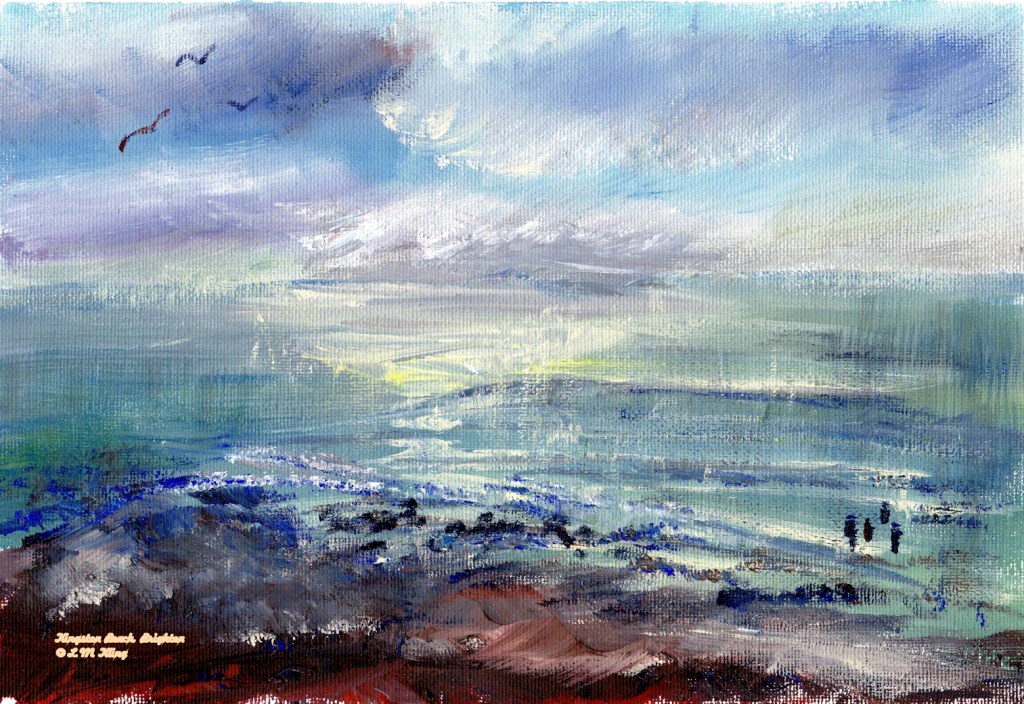
This painting in acrylic of Kingston Beach, depicts one of those calm early autumnal afternoons in March. Although warm and humid, the clouds gather in the west, signalling a change, and hopefully, rain. Still, it’s a perfect balmy afternoon come evening for a birthday celebration on the lawns in the park above the beach.

Much like this painting, Carol and I start the process of painting perhaps a bit weighed down by the various dramas in our lives, but by the end of an afternoon painting, chatting, and remembering way back when we were young, we feel lighter and happier.

© Lee-Anne Marie Kling 2022

Feature painting: Kingston Beach, Brighton (acrylic on canvas paper) © L.M. Kling 2022

***

It’s Free!

Just in time for Easter

Take a ride with The Hitch-hiker for free.

Free from Tuesday 12 till Friday 15 April 2022.

Click on the link below, if you dare

The Hitch-Hiker