Have you ever played the game, “Telestrations”? It’s all the rage at the moment. It’s like “Chinese whispers” but done with pictures. Long story short, so to speak, after a picture and its associated word goes through eight people, the results can be hilarious.
Let’s just say, I had a “Telestration” moment this morning. A friend showed me a mention of a Trudinger in a book, my uncle, who conducted an orchestra–yes, so far, so good–but who also was missionary in northern Australia. Now I was confused. I don’t remember my orchestra conducting uncle being a missionary in Central Australia. My dad and his older brother were. I reckon the writer had blended the facts of the three brothers together. However, I will check with my aunt.
So, in light of the way history can be twisted and changed over time, below a post from the past …
A few months ago, I became curious about the genealogical origins of my interest in art. Was the Trudinger line responsible? Or was it another branch of the family? I did find a few Trudinger relatives with artistic talent; some were architects, others were actual artists of note. But the surprising discovery was my third cousin, the late Pierre Trüdinger who was an artist and a Marquis (French partisan) during World War II. You can read his story from the Italian Online Newsletter, Il Tirreno, here.
In the following re-blog of our European adventures of 2014, enjoy our exploration of the much-fought-over territory between the Germans and French, the Alsace, and the battle we endured with our car’s Sat-Nav.
Friday has rolled around and once again, the well-researched, edited and polished article on some nascent topic of family history has failed to materialize. Too busy researching and chasing promising leads down rabbit holes. Plus making a concerted effort to finish the first draft of “Under the Bridge”, now titled The Culvert.
Hence, I am blatantly and unashamedly going to ramble and keeping to the theme of rabbits, rabbit on.
A fellow writer has the penchant to invite the reader to get comfortable in their favourite armchair with a cuppa and a bikkie, and then travel along with her in her latest story. So, I’m doing something similar today. Imagine we are in your café of choice, I’m having my decaf cappuccino with almond milk and you’re having your beverage of choice, and we are having a chat about family history. Admittedly, I’m the one doing all the talking—for a start. You can have your say at the end in the comment section.
I’ll start with the food. Early on in My Heritage forays, the computer offered some guidance with AI (artificial intelligence) in finding those relatives who would prefer to remain hidden in the distant past.
I took the AI up on the offer, to my regret.
After many questions that became more ridiculous as time went on, the robot which I might prefer to call a “bubble-headed booby”, asked the ultimate in absurdity. ‘What did your ancestor like to eat for breakfast?’
You need to understand that AI was asking about an ancestor who lived three hundred years in the past. If I knew the answer to the breakfast question, I wouldn’t be asking AI, would I?
I decided then to avoid researching with the AI after that interaction.
It got me thinking, though. What did my ancestors eat for breakfast? Too late for most of them to tell me. Even the famous ones don’t include a breakfast menu.
So, for future generations, here’s my offering for the few of my immediate family of whom I know their breakfast preferences.
My dad, Clement David Trudinger grew up during the depression and Second World War times. He loved bread with dripping. I’m not sure if this was a breakfast go-to, but he did say. Just saying.
My mum has to have her cup of coffee first thing in the morning. Coffee gets her going.
A few nuts and a cup of Caro does me for breakfast.
I’m not sure what my maternal grandma, Elsa Gross liked for breakfast, but she didn’t eat meat. I remember her having toast with butter and jam.
As for my maternal grandpa, Sam Gross, and my paternal grandma and grandpa, Ron and Lina Trudinger, I have no idea. And that’s only going back two generations.
All I can say for AI is good luck with that one going back three hundred years.
Digging back further, I discovered that one of my ancestors and an ancestor of my friend, and Indie Scriptorium teammate, Mary McDee’s, were shipmates travelling over to England from Normandy way back when England was invaded by William the Conqueror. I wondered whether they were friends and what their conversation was like. Mary was adamant that her ancestor probably wouldn’t have had much to do with mine as they were likely different ranks. But hey, ships back then weren’t that big, so I wonder…One thing for sure, they probably weren’t discussing their latest books and giving feedback to each other on how to improve their manuscripts.
Continuing on my research voyage, Mary did ask me, “What’s a good Christian girl like you writing such content of bloodshed and gore. How did you come up with such an evil character like Boris?’
As I’m exploring those murky depths of my ancestral past, I’m beginning to understand. A relative of mine once read The Hitchhiker and was so shocked she gave it a poor rating. “This is not the person I knew,” she wrote as a comment. Little did she know that my ancestors and her husband’s were not the “Sarah Janes”, “Pollyannas” or “Saint Whoever” of the past. Quite the opposite. Think of Game of Thrones which is based on the War of the Roses, and you get the picture. One was likely a bishop, though, sorry to say…
And no, the dreams that formulated my Sci-Fi novels were seemingly not from ancestral memories from the mercenary soldier, Balthas Trudinger that the family was so ashamed of.
I looked into that and discovered that Balthas who lived at Lierheim which is a castle near Nördlingen, Bavaria, most probably belonged to the Teutonic Order. The Teutonic Order at the time of Balthas’ coming of age, had bought the castle there and were renovating it. Hitler gave the Teutonic Order a reputation as the exemplar of the all-German, all-Aryan fighting force. But once he won power, he ditched the Teutonic order—banned them. Actually, the order from what I can glean did much good over the centuries. They started around the end of the 12th Century as guards protecting pilgrims to Jerusalem. I bet Hitler kept that fact quiet. Although it was an army that did fighting and stuff in the past, these days it’s a charitable organisation.
I could go on rabbiting, but I think that’s enough random thoughts for one day. hubby has come home and we’re off to dinner for our 37th Wedding Anniversary.
Happy Friday and hope you enjoyed your cuppa and bikkie.
If you have a Family History comment or story, I’d love you to drop a line in the comment section below.
Gaslighting—it’s something we believe is a modern practice, AI generated. But, in truth, fudging the truth is as old as history itself.
You could say that creating one’s own reality is a global pastime and no one is immune to it. As humans, we interpret, or mis-interpret the world around us through our experiences, what we see, hear, taste and touch. We use our worldviews to form our identity and place in the world and to serve as a personal force-field to protect our beliefs. Our personal paradigm helps us navigate our way through life, predicting the challenges life may throw at us.
It is fair to say that our worldviews are limited, and often skewed as we encounter the worlds of others. Naturally, we believe our truth is the one and only way. To feel secure, we impose our version of reality on others. We are right. They are wrong.
Have you ever had the experience where someone reckons you said a certain thing, but you’re sure you didn’t? I have had friends “quote me”, attributing wise words to me, and I have no idea I’d ever said that. Wish I had. Maybe I had; I just can’t remember. Either way, our respective worldviews have filtered facts in and screened information out.
Anyway, the same can be said for our own personal family history. I remember reading an article in a Genealogy magazine about family myths and to be wary of them. It’s not enough to believe a story, a narrative. Good research requires facts, preferably primary resources.
With this in mind, I have been researching on the internet, the history of Nördlingen and the Kaiser Hof Hotel Sönne. Did my Trüdinger ancestors own it for two hundred years, as my relatives have been led to believe? It wasn’t our branch as my great-grandfather Karl August Trüdinger and family emigrated from Bavaria to England in the 1860’s, and then from England to Australia in 1886. He was a textile merchant trading in wool in Yorkshire England and then in Australia he set up a business selling textiles in Adelaide city. Now, here again, the details get a bit murky, and I need to do some more research into the actual work history of Karl August in Adelaide. Suffice to say, from my gleaning of Trove, Karl August was a fine Christian family man who together with his wife Clara Theresa, raised eight of his twelve surviving children to enter the mission field. Vastly different from the family origins in Nördlingen who were apparently rich and influential enough to own the hotel that entertained royalty.
[Photo 2: Trudinger Family in Adelaide, South Australia courtesy L.M. Kling circa 1890]
Yet, as I delved deeper into the rabbit-hole of internet searches, I discovered that my four-times great grandfather, Balthas Trüdinger was a soldier in the Teutonic order. Why else was he living in Lierheim (a castle near Nördlingen) which at the time was owned by the Teutonic order? Oh, the shame that this brought on the family, having a mercenary soldier in their ranks! Another myth. Sure, Balthas was a soldier. Sure, as a soldier in the Teutonic Order he was paid. But was the Teutonic Order so bad? When I first mentioned the fact of Balthas belonging to the Teutonic Order, my son and husband joked that he was most certainly a neo-Nazi of his time. I began to imagine Balthas all buff, shaved head and going around on crusades killing anyone who wasn’t Christian. According to my research, Wikipedia, mainly, Hitler portrayed the Teutonic Order as the exemplar of the Aryan race and cause. Again, this was a myth. As soon as Hitler had achieved his purpose using them, he then turned against them and discarded the Teutonic Order.
According to my limited research, although the Teutonic Order went on Crusades to Christianise Europe, and paid mercenaries to fight, they also did a great deal of good. Way back when they formed in 1191, they protected travellers making their pilgrimage to the Holy Land. They organised and built hospitals, initially for wounded soldiers and these days the order is primarily a charitable organisation. Anyway, it would seem from the records compiled from my uncle Ron Trudinger, that Balthas didn’t stay in Lierheim, but, after the birth of his son Georg, he moved to Nördlingen. Here, no mention of Georg being an innkeeper, but instead a linen weaver and Burgermeister of the town.
From a research paper on Nördlingen in the 17th Century called Early Capitalism and its Enemies: The Wörner Family and the Weavers of Nördlingen* (Published online by Cambridge University Press: 11 June 2012) which I accessed online through Jastor, I was able to surmise that for Georg to become the Mayor of Nördlingen, he would’ve needed to be seriously cashed up. I mean rich, one of the wealthiest in the town, if not, the wealthiest. It would seem he landed on his feet so to speak as a linen weaver or had come into a sizable inheritance. Or, had he or his father married into money in the town? The owner of the hotel, perhaps?
Nowhere in my gleanings on the town do I see that he was the innkeeper or owner of Kaiser Hof Hotel Sonne. The above-mentioned article had a breakdown of income, which I presume was yearly, of people in the town. According to a study accessed online called “Nordlingen, 1580-1700: society, government and impact of war”, in 1700, the owner of the Kaiser Hof Hotel Sonne had the highest income of all, a salary of 41 Florin. A teacher at the time received one to four Florin per year. And a soldier, which is what Georg’s father, Balthas was, received eleven Florin per year.
Again, as far as the Trüdinger family is concerned, it’s all conjecture and where myths start to grow and take a life of their own.
One thing for certain, though, is that in family history, experiences that family members have had hold weight for evidence. After all, they are the life-experience of that person and from their point of view. My second cousin, who married a German, and lived in Bavaria, decided to visit the Kaiser Hof Hotel Sonne in the 1960s. Family there living in Germany, informed her that a Trüdinger relative owned the hotel. Upon seeing the hotel, my second cousin was impressed by how high-class it was with fancy décor and loads of antique furniture. The food offered was out of her budget, but my second cousin tried to talk to her hotel-owning relative.
The encounter didn’t progress the way my cousin had hoped. Although my second cousin could speak fluent German, the hotel owner seemed distant and appeared reluctant to engage with her. Maybe, the lady was having a difficult day…Or hadn’t been given enough warning that a cousin was going to visit the hotel unannounced.
My second cousin left the establishment and decided to eat elsewhere.
When we visited my second cousin in Germany, she told me this story and mentioned that by the end of the 1960s the Trüdinger relatives had sold the hotel. She believed that the hotel had been in the family for 200 years.
I am still trying to figure out if this a fact, or if it is a myth.
Do you or someone you know have information on the history of the Kaiser Hof Hotel Sonne Nördlingen? Are you related to the Trüdinger family? You are most welcome to leave a comment. Or you may contact me through the My Heritage Trudinger-Kling website.
This last week, Hubby and I have received our DNA results. Dear Hubby received his last Friday, but mine only arrived today.
So, the last week I have been familiarising myself with the process and slowly building our family trees. Early on, I discovered a truth, you could say a “skeleton” in one of our ancestral lines. I added the details to see if anything further came up. My Heritage, call this a “smart match”. Nothing did, but I left it there.
For certain family members this truth appeared absurd, and too difficult to comprehend. Surely, that ancestor wouldn’t. Didn’t. Noone told us that. You have it all wrong, Lee-Anne.
Hence, Lee-Anne (me) being a good person only wanting the best for the family, deleted the suspect members from that branch of the family.
Then, curiosity set in. Who was that ancestor’s mother? Father? My husband suggested we go down the line to the descendants and put in a particular name.
This I did.
You wouldn’t believe it, but the same results, only this time verified by the official birth and marriage records. My original hunch had been correct. Moreover, in the spirit of Sherlock Holmes, I managed to crossmatch the added, yet odd family members with DNA and behold, a match.
Now, the reason I’m being so vague about the whole ancestral situation, which I might add, is responsible for our existence, is because out of respect for some people, the details of such conceptions are to remain private/personal; too personal to be published.
Isn’t it interesting that for people who want to protect their reputation, the unacceptable behaviour of other members of their family, ancestors or close relatives, must remain hidden, buried and plainly, not discussed. Such individuals may even be ostracised from the family.
Yet, such flawed individuals can still be, in other circles, a valued and much-loved member of the community.
My dad’s cousin, Dr. Malcolm Trudinger for instance. The story goes that he had a problem with alcohol. Legend has it that he couldn’t do surgery without a nip or two before the operation.
Malcolm’s alcohol addiction was too much for his immediate family who it would seem distanced themselves from him. Maybe it was the other way around and he felt not good enough for them. Whatever…
According to articles about Malcolm on Trove, he was regularly in trouble with the law. Infractions that in the 21st century, we’d consider a nuisance, or minor, but in the 1940’s and 50’s were serious. For example, his car engine making too much noise at night in town. Or even one time, merely driving his car late at night. Another time he was charged for making a scene at a function.
Despite these misdemeanours, as I see them (glad my brother and I didn’t live in those times—my brother loved doing “donuts” and “burnouts” in his car like in Top Gear at night with his mates in his youth), the folk on the West Coast of South Australia, loved Dr. Malcolm Trudinger. He was their hero. He once helped rescue people from a shipwreck off the coast during a storm. He cared and was always there for the sick and injured.
I remember my mother telling me the story how a person upon meeting my father, and learning his name was Trudinger, sang high praises for his cousin Malcolm. The sad thing was, that although he was still alive when Mum and Dad were first married, Mum never got to meet Malcolm.
Dr. Malcolm Trudinger was such a vital part of the West coast community, they established a rose garden was in his honour after he died in the early 1960’s. We have heard that rose cultivation was his passion and his roses were prize-winning. My niece discovered the garden when she and her partner were on a road trip passing through Elliston. She couldn’t have been more chuffed having found a Trudinger with a rose garden to his name. It showed Malcolm was a loved member of the community despite his demons.
This is what, I believe, grace is all about—valuing and loving people as they are. We are all flawed. Rather than hide the imperfections, celebrate the person, their life and goodness they bring or have brought to the community. It’s our pride and wanting to look good to others that makes us cover up our sins or those of our kin. But also, we may be protecting their reputation too, which is a reasonable thing to do.
The reality is, we are all fallen and we all struggle. No one is perfect. We are all cracked pots. Yet like in the Japanese art of Kingsugu (the repairing of broken pots), there is beauty that shines out through the cracks.
And so, it is with our imperfect ancestors. When you think about it, it’s the ones whose stories are different and colourful that we find most interesting.
[Over our Australian summer Holidays, I have been down that proverbial rabbit-hole of family history research.
While researching the Kaiserhof Hotel Sonne in Nördlingen, which my family have claimed the Trüdinger ancestors owned for a couple of hundred years until the 1960’s, I discovered that, according to the information provided by the hotel’s website, that Goethe lived there for a year in 1788.
It’s amazing how life works and how the threads of our lives weave in and out. How our attitudes and values are influenced by how we see the world, and who we see in it. While Goethe was living in Nördlingen, Captain Cook in the Endeavour claimed Australia as belonging to Britain (as one who belonged to the British Empire would back then). And I wonder what Goethe thought of Nördlingen and my ancestors. Did he give much thought to the discovery of Australia and that someday, a little over a century hence, a descendant of those Trüdinger ancestors, or perhaps a relative who may have visited the hotel, would be emigrating to Australia with their family…erm, from Great Britain. That’s another story, suffice to say, my great-grandfather, a Trüdinger from Bavaria, was not a fan of Bismark.
Meanwhile, in 1788, a former Swiss noblewoman, Henriette Jeanette Crousaz de Prelaz (her father had died leaving the young family of mother and ten children in financial strife) relocated to the Christian community of Herrnhut. Did she have any idea that almost one hundred years later, her grandchild would marry my great-grandfather Karl August Trüdinger and relocate to Australia? Below is our modern experience of this famous road, joining the many people who have travelled it.]
The Romantic Road
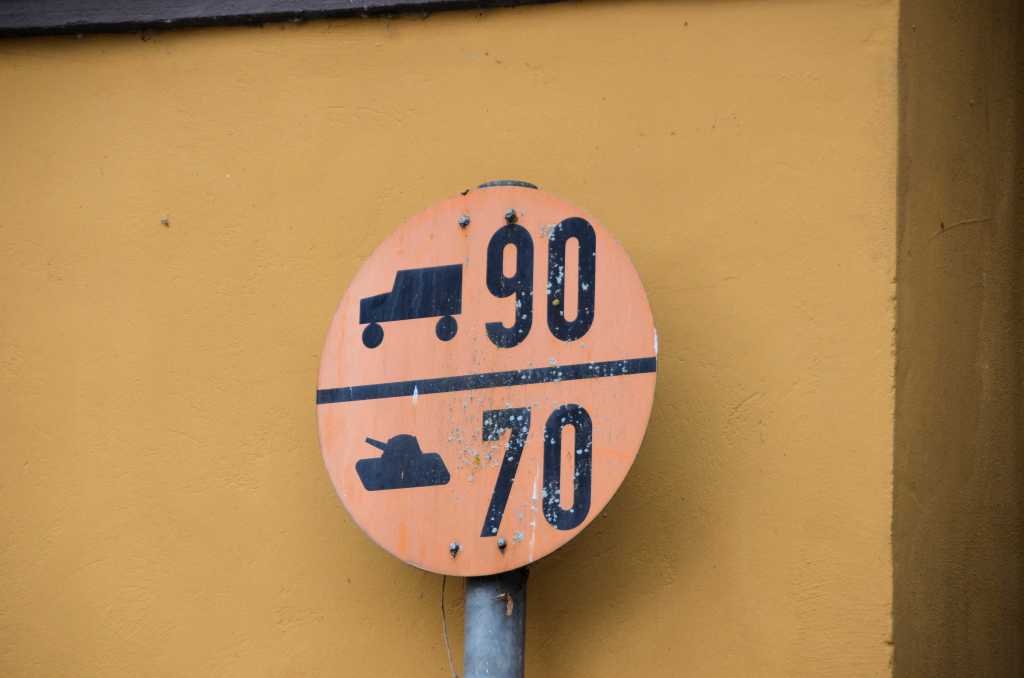
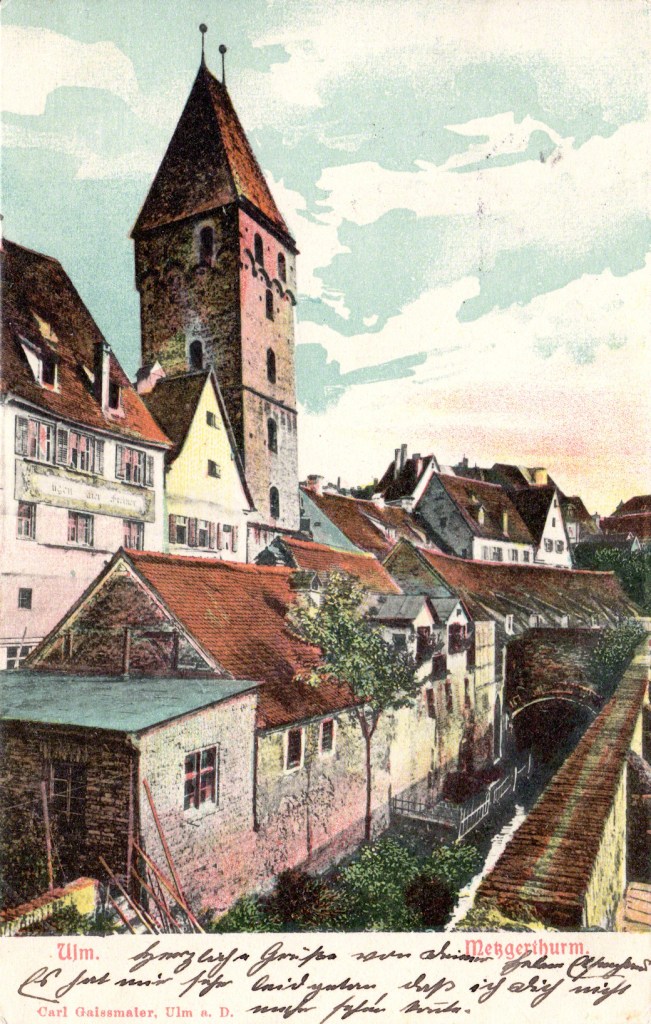
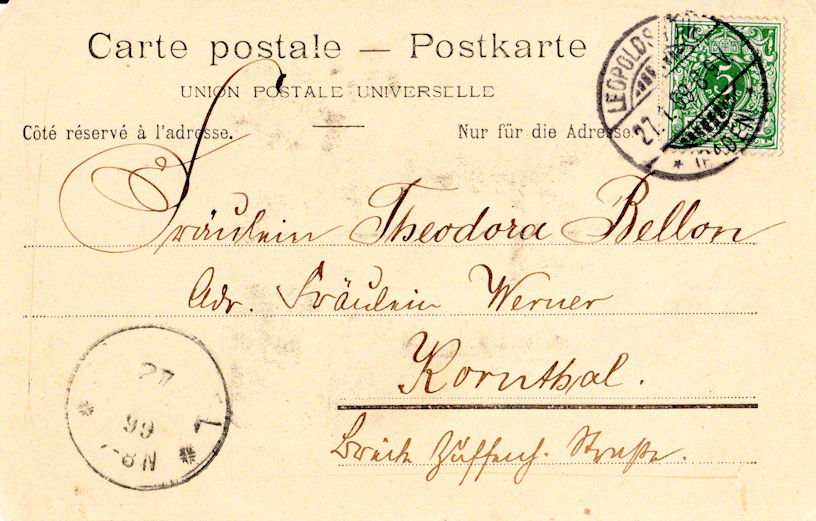
We passed through Ulm which was featured in this postcard but didn’t visit Ulm. We stayed in a town nearby called Burgau for a few days while we explored the Romantic Road. Our Tom-Tom, which we named Tomina, took great delight in leading us astray. In our quest to reach our Burgau apartment, Tomina decided to take us on a roadway that was closed to traffic. Similarly, over one-hundred years ago, this postcard chased Theodora Bellan across Bavaria, originating in Sofflingen (a town that Google maps doesn’t recognise), then Nussdorf, and finally found her in Ludwigsburg.
The Romantic Road was one part of Germany, that despite the wars and modernisation of the twentieth century, never lost its Medieval charm. A reason I so wanted to travel this road of the Romans when we travelled to Germany in 2014.
Romantic Road
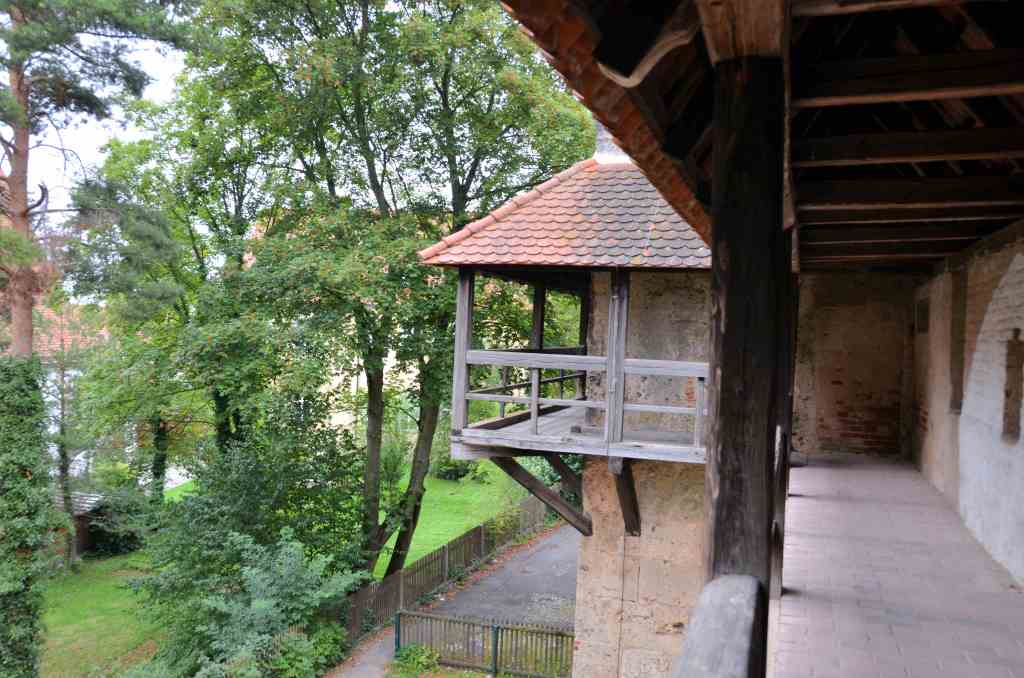
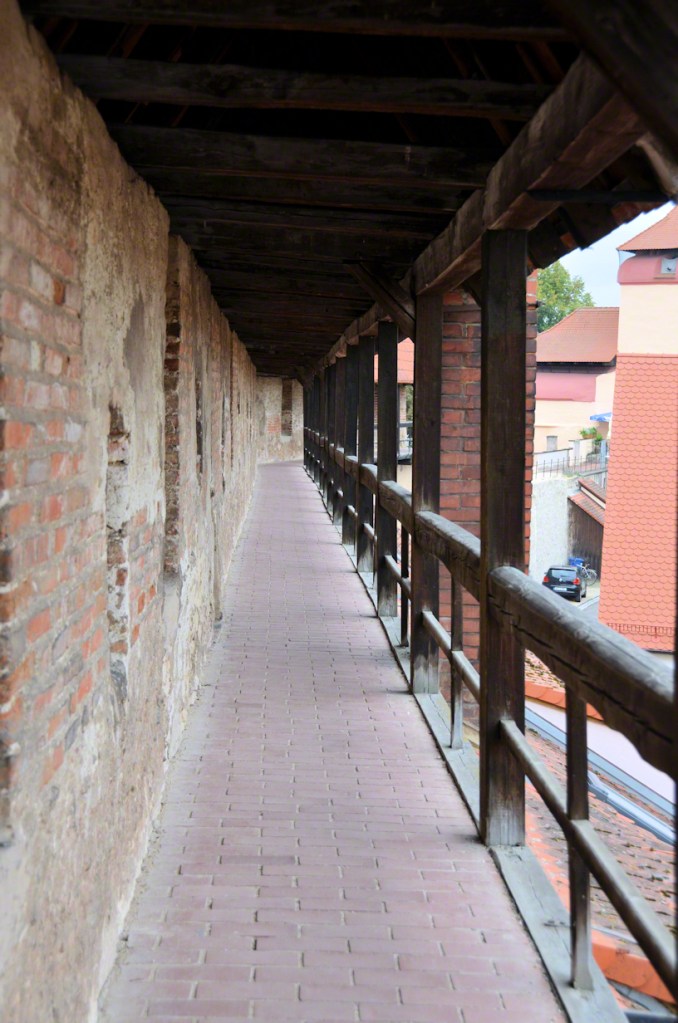
The next few days we explored the Romantic Road, although Tom Tom always tried to get us on the freeway. Friday, we did Tomina’s circuits in by never obeying her commands and instead following the Romantic Road signs. Highlights of the Romantic Road: • Nördlingen–the town of my Trüdinger ancestors and having lunch in the Kaiserhof Hotel Sonne restaurant which, we believe, was owned by the Trüdinger family until the 1960s. We then walked around the medieval wall. Hubby amused fellow travellers by greeting them with an Aussie “G’day”.
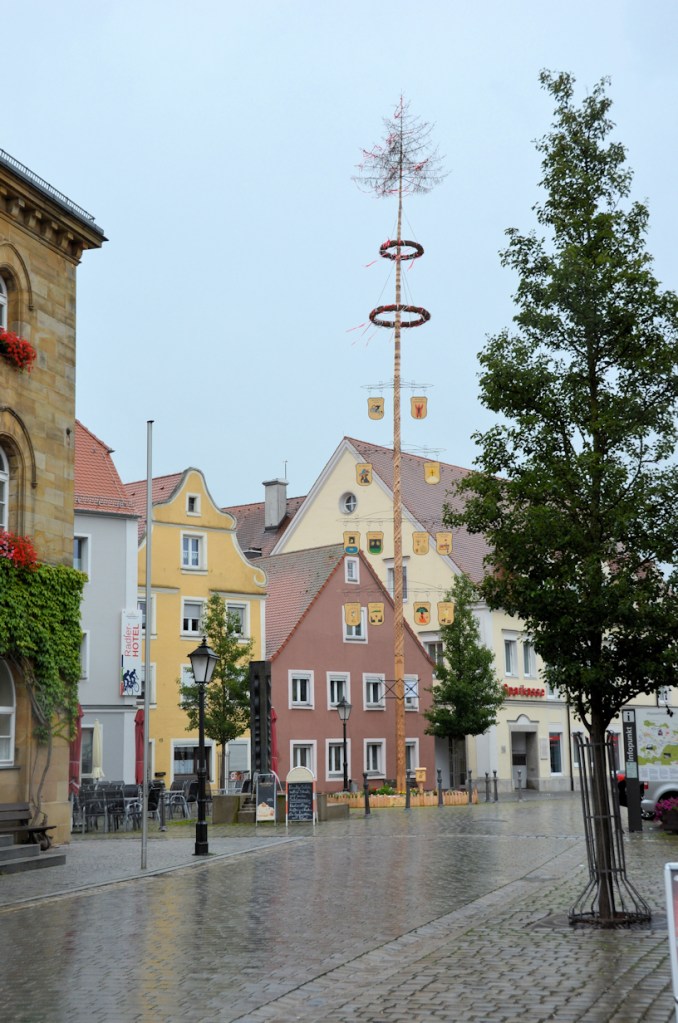
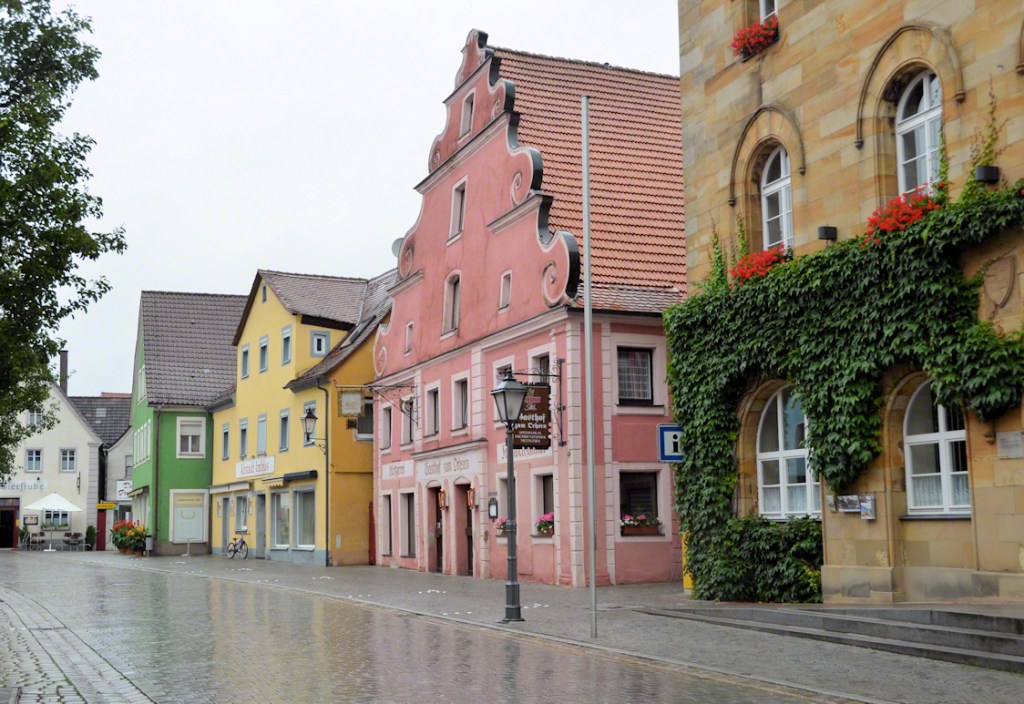
Photo 1: Red Rooves were filmed in Willy Wonka and the Chocolate Factory.Photo 2: The Wall of Nördlingen.Photo 3: Kaiserhof Hotel Sonne Photo 4: Rain in WassertrüdingenPhoto 5: Reflections in the water of Wassertrüdingen
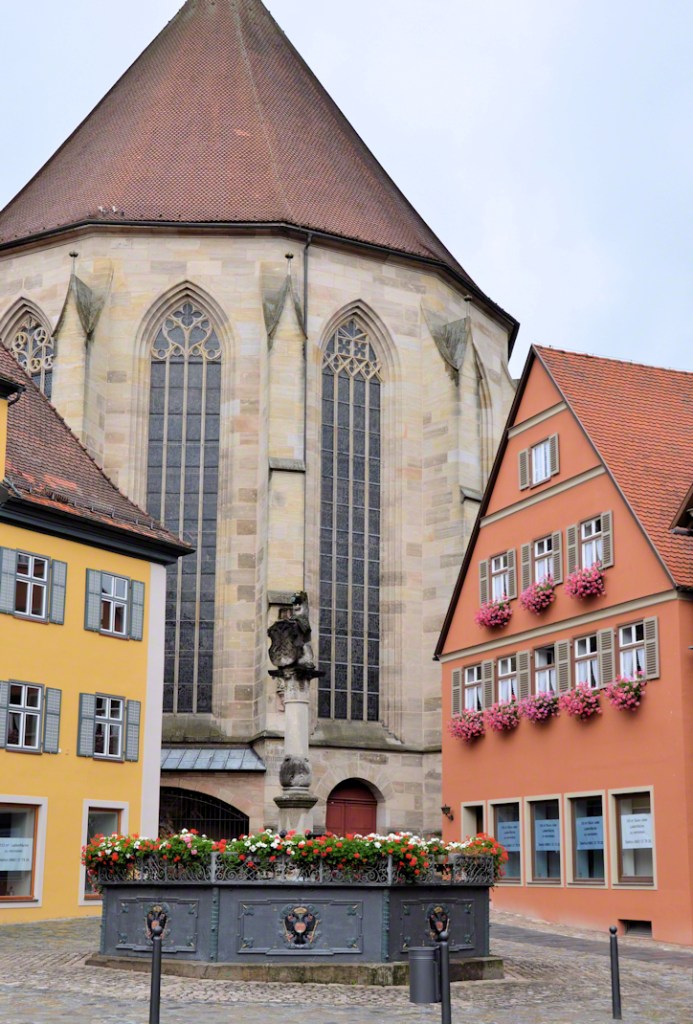
• Dinkelsbuhl–the church, St. Georges Minster, the ornate carvings and artwork and the bejewelled skeleton of a martyr executed by Emperor Nero on display. And…that day, Goths and Emos aplenty.
Photo 6: St. Georges MinsterPhoto 7: Segringer Tor
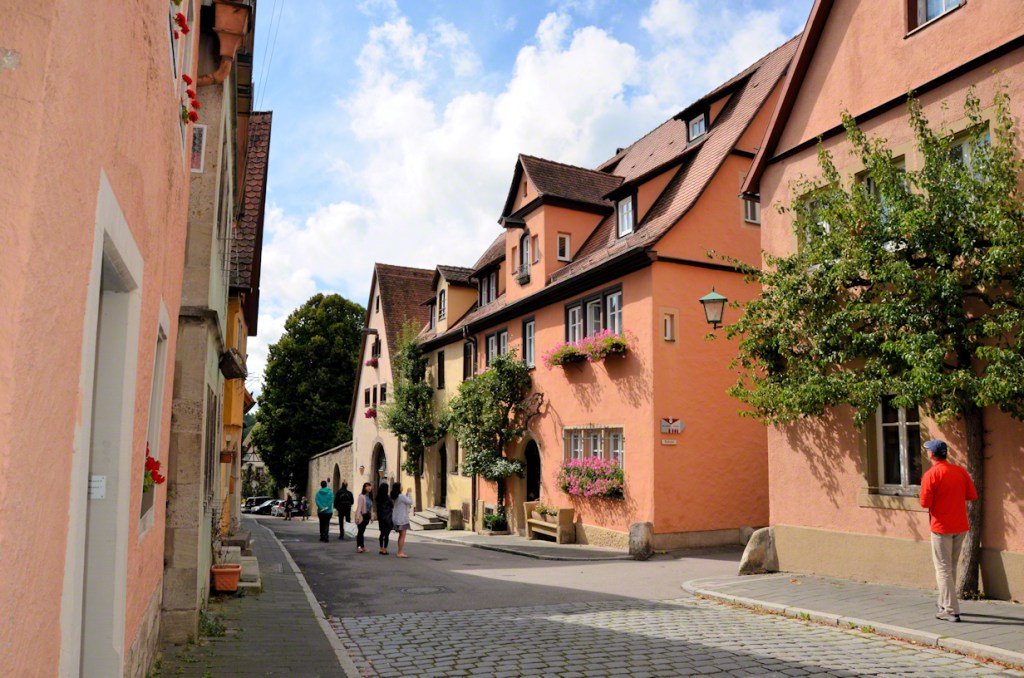
• Rothenburg ob der Tauber where we enjoyed the delicious sweet pastry as well as the beautiful sunny day that showed off its cobblestone roads and medieval buildings at its best.
[Photos 8 & 9: Rothenburg ob der Tauber (c) L.M. Kling 2014]
Photo 8: Sweet TreatsPhoto 9: Typical Rothenburg StreetPhoto 10: Rothenburg ob der Tauber most popular
Challenges of the Romantic Road:
• Too many tourists especially at Füssen on the Saturday we visited, caused us to be trapped in a massive traffic jam that held us in a virtual carpark for an hour. • So many tourists at Neuschwanstein (Mad Ludwig’s Castle). If we’d attempted to buy a ticket, we would have waited four and a half hours or more to enter the castle! • Traffic jams and rain, both especially heavy that particular Saturday in August.
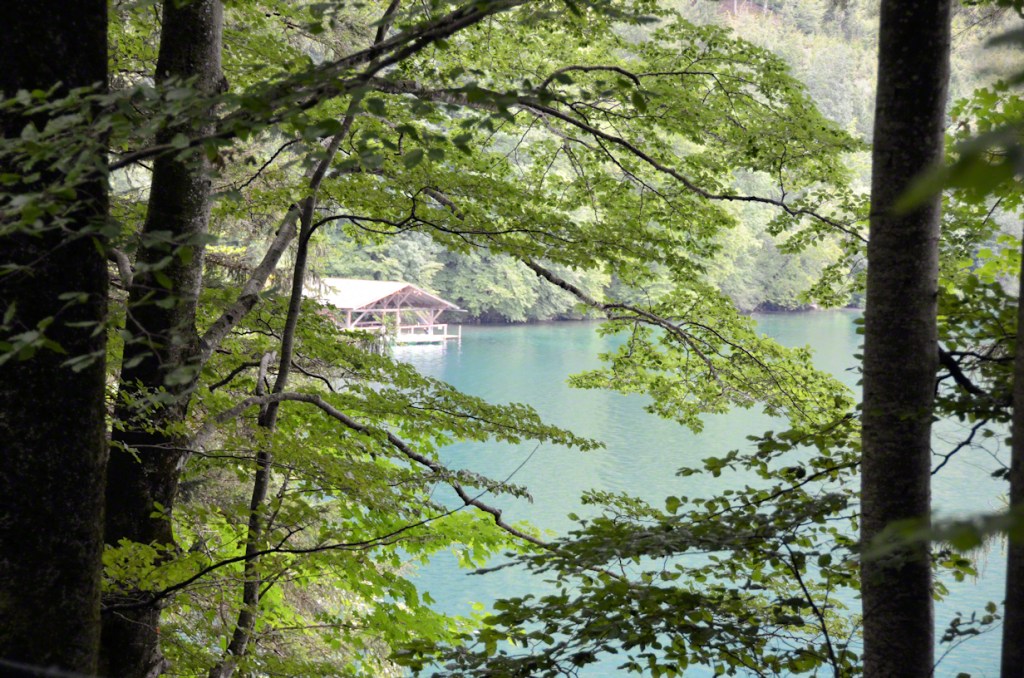
Photo 11: Neuschwanstein with Schloss Hohenschwagau in foregroundPhoto 12: Schwansee
We took a break from the Romantic Road one day to visit my relatives. Tomina had trouble with the “dud” roundabout, so we ended up travelling the “scenic route” through the back way off the motorway through corn fields and behind slow tractors. The hour’s trip took two hours, but once we arrived, we had a wonderful day. Back in our apartment in Burgau we had no internet. I think Hubby coped…although to be honest, he was grumpy at times. I guess there’s something to be said to slow down to the pace of snail mail and send postcards as folk did over 100 years ago…especially when there’s no internet.













 Tru-Kling Creations