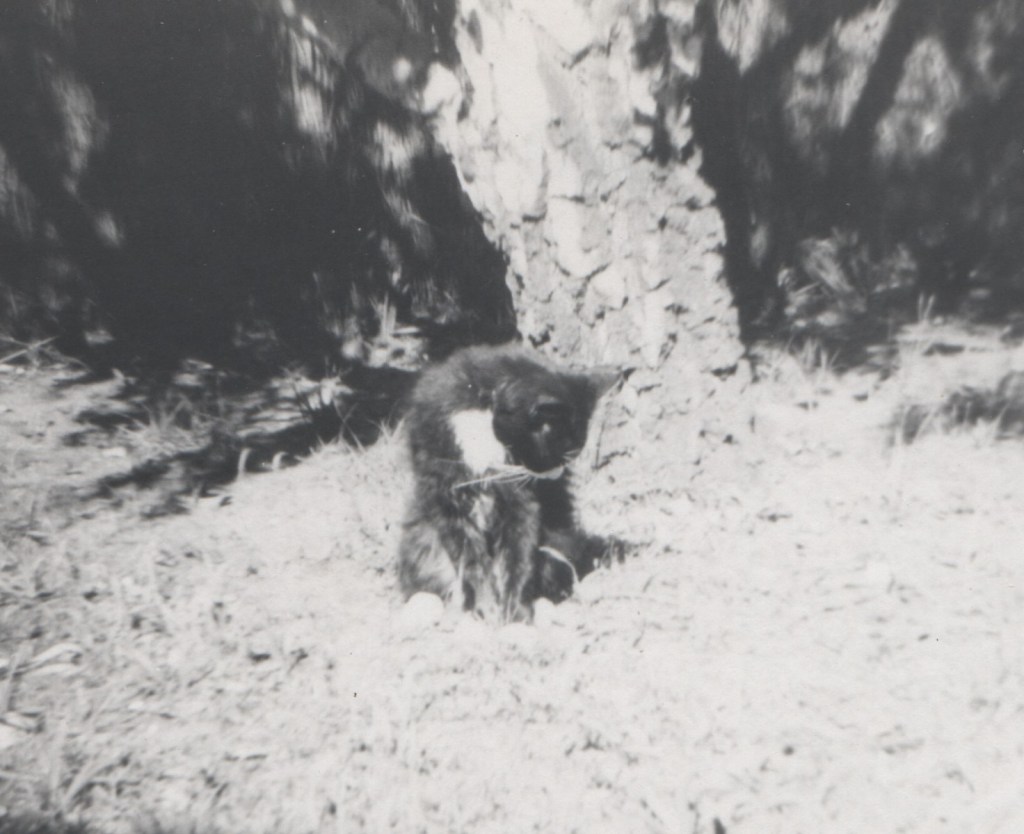
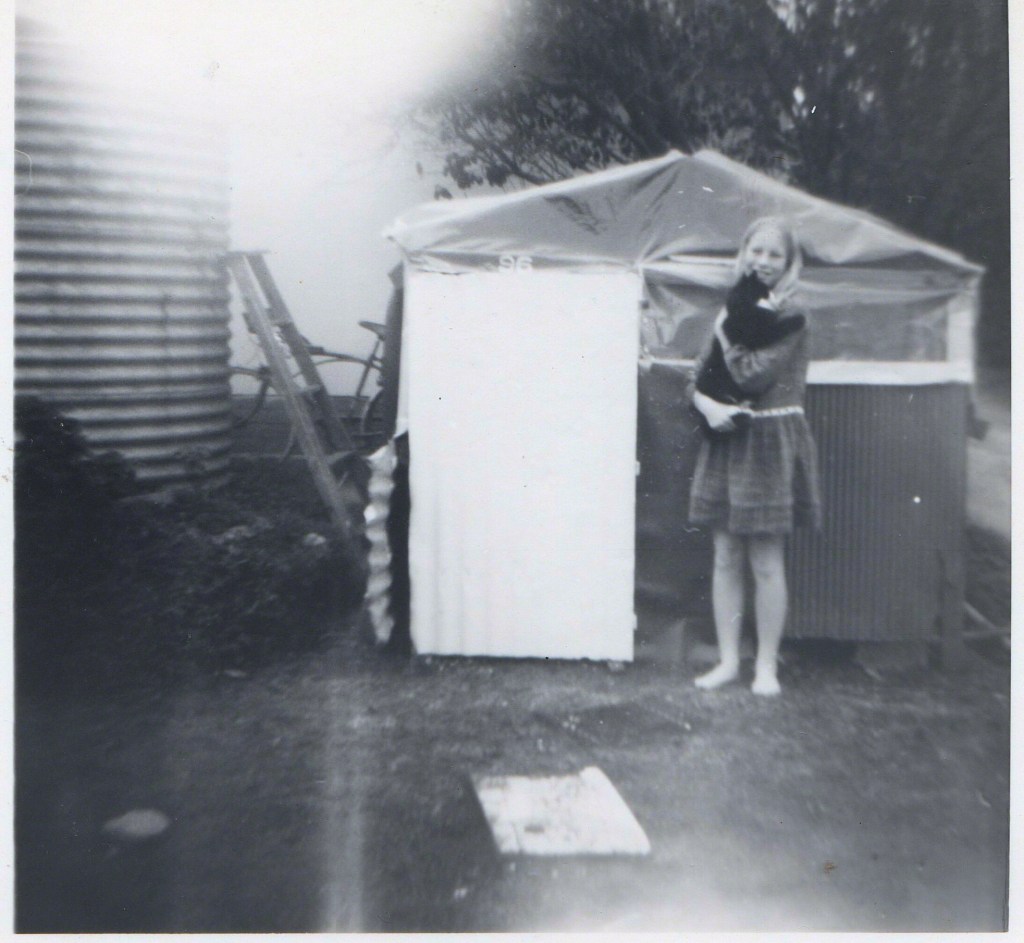
A thunderstorm right over our home last Tuesday and one that rattled the windows threatening to blow out our modem, caused us to switch off our internet. Screen-free for the day, I spent my time excavating my writings from the depths of the closet. There, I discovered this memory from my childhood, and a special cat in my life, Barney.
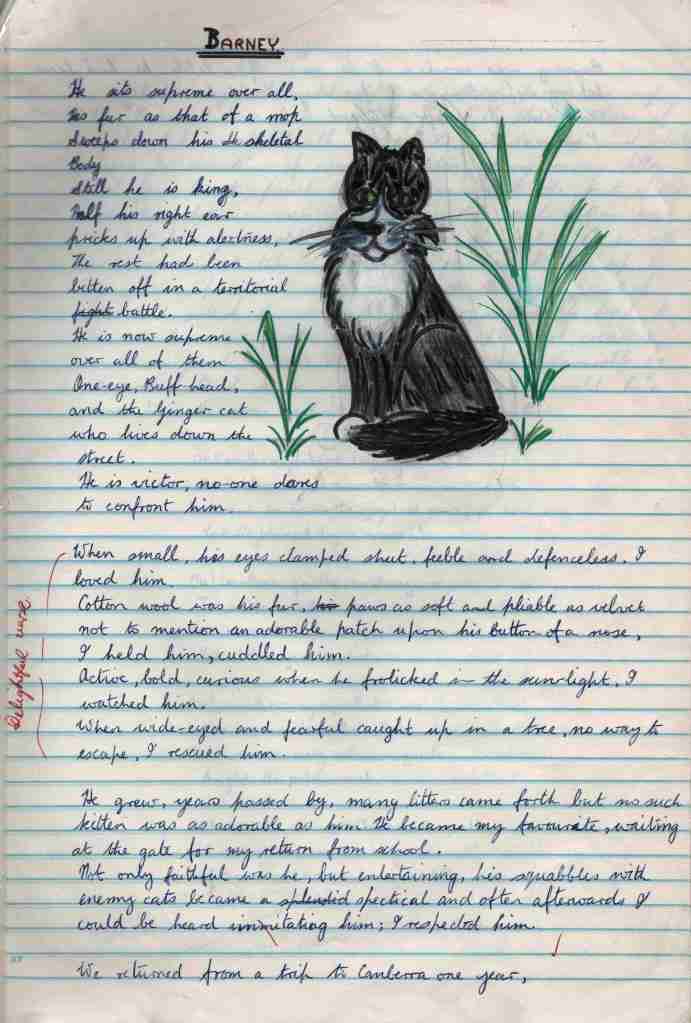
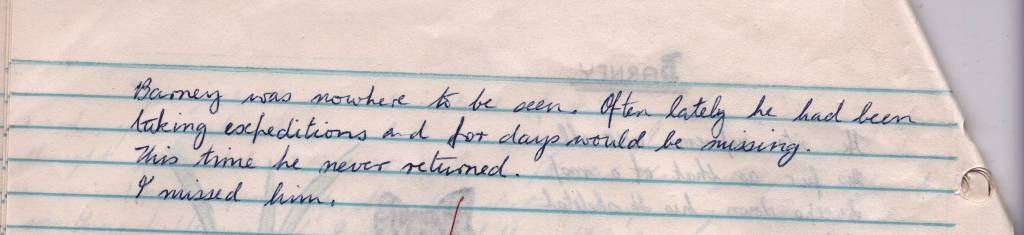
The poem/prose was handwritten, so I have transcribed it. The original is set below this one.
Barney
He sits supreme over all, His fur as that of a mop Sweeps down his skeletal body. Still, he is king. Half his right ear Pricks up with alertness, The rest had been bitten off in a territorial battle. He is now supreme. Over all of them, One-eye, Buff-head, And the ginger cat who lives down the street. He is victor, no one dares to confront him.
When small, his eyes clamped shut, feeble and defenceless, I loved him. Cotton wool was his fur, paws as soft and pliable as velvet, Not to mention an adorable patch upon his button of a nose. I held him, cuddled him. Active, bold, curious when he frolicked in the sunlight, I watched him. When wide-eyed and fearful caught up in a tree, no way to escape, I rescued him.
He grew, years passed by many litters came forth, but no such kitten was as adorable as him. He became my favourite, waiting at the gate for my return from school. Not only faithful was he, but entertaining, his squabbles with enemy cats became a spectacle and often afterwards I could be heard imitating him; I respected him. We returned from a trip to Canberra one year, Barney was nowhere to be seen. Often lately he had been taking expeditions and for days would be missing. This time, he never returned. I missed him.
Grandma rarely locked the back door; not when home or if she ran short errands. The only times she did lock the back door was when she went away on holiday. Ah! Those were the days! The 1960’s—Adelaide, the front door greeted strangers and salespeople, the back door welcomed friends and family who didn’t knock, but walked straight in.
Grandma lived a ten-minute walk from my home in Somerton Park. Throughout my childhood and teenage years, I walked or rode the route down Baker Street, across “busy” Diagonal Road, and into Panton Crescent. Then I trod down her gravel drive of her Trust home to her back door; a door always unlocked and without any ceremony of knocking, I pulled open the fly-screen door, pushed open the wooden door, and walked into Grandma’s small kitchen. I still dream of Grandma’s place, “Grandma’s Lace” as I used to call it as a child, her huge backyard with fruit trees and hen house.
The same as her home, Grandma had an open heart with time available to be there for me. From the time I was born, she was there. She bought and moved into her Somerton Park home nearby, about the same time my mum and dad with my brother and me, bought and moved into our home.
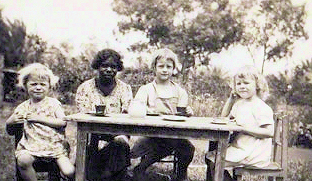
Every Sunday all the family which included mum’s brothers and sisters and their spouses, gathered in her tiny kitchen dining area for Sunday roast. The home filled with laughter as we enjoyed Grandma’s roast beef and crunchy roast potatoes—the best ever! Dessert of jelly and ice-cream followed, topped with a devotion, then the Sunday Mail quiz. Holidays held extra treats of cousins from Cleve, all five of them and Auntie and Uncle. Grandma fitted us all in, albeit us younger ones sat at the “kinder tisch” in the passageway. Often friends from church or elsewhere joined us for Sunday lunch. The door was open for them too, and somehow Grandma made the food stretch and the table expand for unexpected guests.
One of the first times I took advantage of Grandma’s “open door policy” was at two years old. I’d dreamt my cousins were visiting and no one told me. My beloved cousins were at “Grandma’s Lace” and I was missing out.
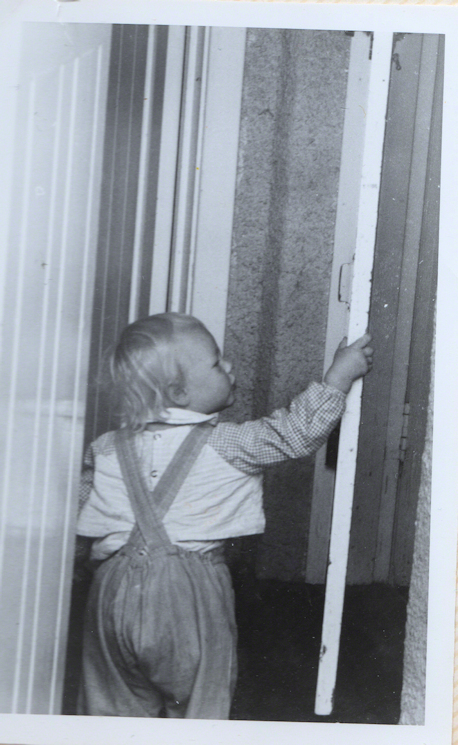
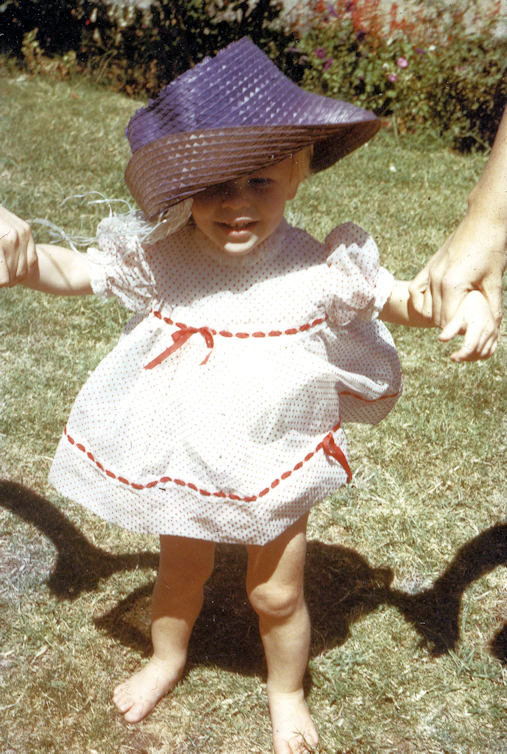
So early that hot summer’s morning, I climbed out of my cot, dumped my nappy, and naked, I navigated my way to Grandma’s. I streaked over Diagonal Road, not so busy at dawn, and then toddled down Grandma’s driveway. I pushed open the back door and tiptoed through the kitchen and passageway. Then I peered into the bedrooms one by one. Each room was empty. Where were they? Where’s my cousins? I was sure they were here.
I entered Grandma’s room. The mound of bedding rose and fell with each puff of breath Grandma made.
I tapped Grandma and asked, ‘Where’s my cousins?’
Grandma startled and her eyes sprang open. ‘Oh! Oh! What are you doing here?’
‘I come to play with my cousins,’ I said. ‘Where are they?’
‘Oh, my goodness—no dear—they’re not here.’ Grandma climbed out of bed and waddled to the bathroom. ‘Now, let’s get you decent.’
After wrapping a towel around me, she picked up the telephone. I stuck by her solid legs while she spoke to my mum. ‘Marie, just wondering, are you missing a daughter?…You might like to bring some clothes…’
As I grew older, Grandma’s open-door policy included her home-made honey biscuits. My friends and I visited Grandma on a regular basis. We’d enter through the back door and make a beeline for the biscuit tin. Then we’d meander into the lounge room. With my mouth full of biscuit, I’d ask, ‘Grandma, may I have a biscuit?’
Grandma would always smile and reply, ‘Yes, dear.’
Grandma’s open-door policy helped as a refuge when love-sick boys stalked me. Mum and I arranged that when I rode home from school, if my blind was up, I was safe from unwanted attention. But if the blind was pulled down, I would turn around and ride to Grandma’s place.
Grandma was there also when I had trouble at school. I remember at fifteen, having boy-trouble of the unrequited love kind. Grandma listened. She was good at that. She sat in her chair as I talked and talked, pouring out my heart, while emptying her biscuit tin.
When I paused one time, after exhausting all my words, she said, ‘Lee-Anne, one thing that may help—you need to have Jesus as your Lord and Saviour.’
Grandma passed on from this life to meet her Lord and Saviour in early 1981, less than two weeks’ shy of her seventy-fifth birthday. Her old Trust home on the big block with the fruit trees and chook-yard were razed and redeveloped into four units—front doors locked and no easy way to their back doors.
The Sunday after the funeral, it seemed to me strange not to gather at Grandma’s. Then Christmas, the brothers and sisters celebrated separately with their own family or partners. I missed the whole Christmas connection with my cousins, aunts and uncles. Time had moved on and our family had evolved to the next stage of our lives.
These days, leaving one’s back door open, even during the day, seems an odd and risky thing to do. Times have changed—more dangerous, or perhaps we’re more fearful of imagined dangers outside our castles. And now in 2025…Well, Grandma’s life and her “open door” policy in a more trusting time, has made me ponder: How open and available am I to others? How willing am I to listen and value others and their world?
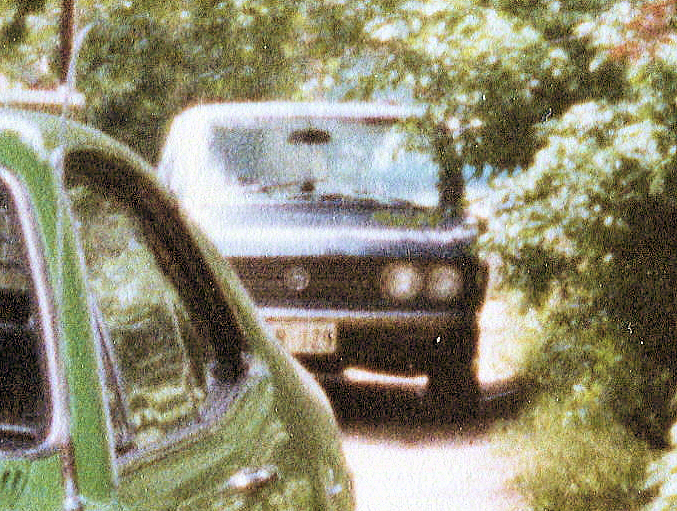
My dad’s midlife crisis took a turn … for the worse. The Mazda. Not sure what type this less-than trusty steed was, suffice to say, he purchased it for a bargain as it had a damaged rear-end. So, the Mazda became the butt of many car-jokes with my friends.
A reblog, in memory of our much maligned Mazda.
An Ode to the Mazda
Now every time the battle-axe we release, We pray: Keep our Mazda running from police Particularly today.
Grant us all green lights, for our brakes may fail, And may thy Mazda’s effervescent light shine forth At both head and tail.
Forgives us our blinkers, our wipers, the lot, As we forgive those who are enemies and gripers Of the Mazda we’ve got.
For my Northern hemisphere readers, it’s Summer Holiday time. Time to read more on the war against the fiend you love to hate; an overgrown alien cockroach, Boris.
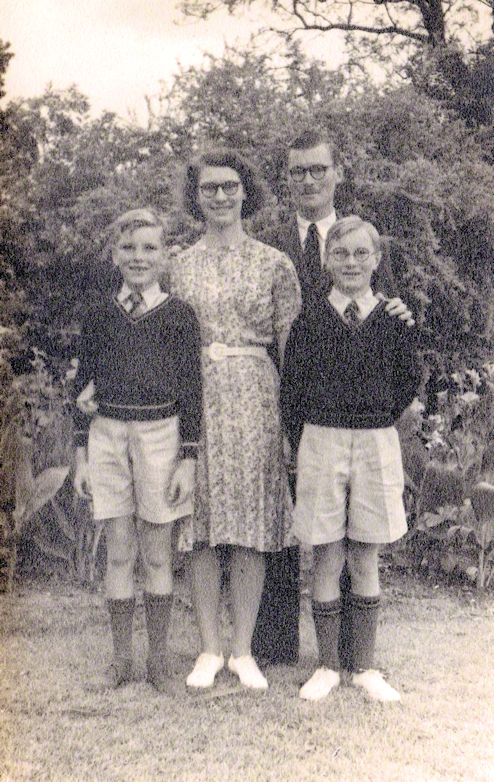
Ron and Lina Trudinger’s third child was born in Adelaide on January 13, 1928. His parents named him Clement David Trudinger. He was a much longed for child as he arrived eight years after his older sister, Agnes.
“Clement?” his aunts cried. “We don’t like the name Clement.”
So they called the babe by his second name, David, and David he has been ever since. Except, of course when he goes to hospital, then he’s Clement, officially.
Throughout his life, God watched over David who has shared many stories of how he showed His love towards him, protecting, and providing for him and his family. He shared how he felt he didn’t deserve God’s love; he wasn’t perfect, yet God loved him. It is this love that David would want all of you to know.
He began to write down his life-story, and in the last few weeks began to tell all, especially his grandchildren, how God worked in his life and how his Heavenly Father protected him.
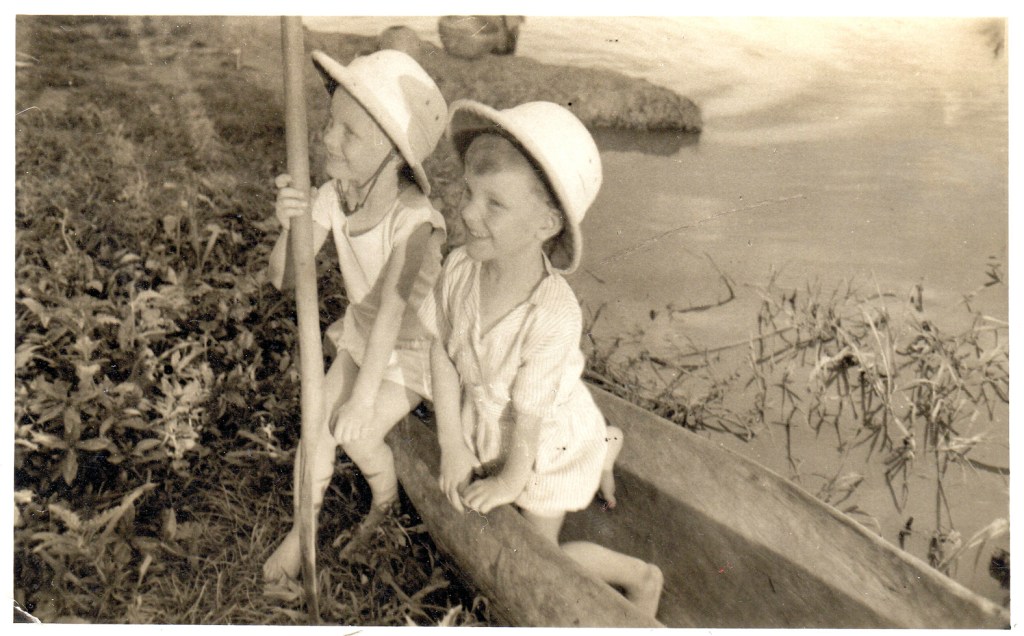
When he was two years old, his missionary parents took David and his younger brother Paul to Sudan, in Africa. Not the kind of place to take small children. But God protected David and his brother from a hippopotamus, cobras, car accidents, and mad men. (He’s written in more detail about these incidents and I will share these in the future.)
God also blessed him with a loving and God-fearing family. Some may say, too God-fearing, for his parents continued their mission work in Sudan while David from the age of seven, and Paul from five, commenced their schooling in Adelaide. As a student, David only saw his parents every five years when they returned home on furlough. He shared how despite missing his parents, he enjoyed his childhood, with so many aunts doting on him, and the game afternoons they had. I think his love of games started there in the Northumberland Street parlour. He’d even created a few games in his latter years.
His other great love was sport, especially football. God blessed David with fitness, agility, and a few trophies along the way. In retirement, he played golf, and when his legs couldn’t keep up trekking the 18 holes, he took up table tennis instead. He was still playing table tennis up until a few months ago. Sport kept his body and mind young.
David also enjoyed hiking and exploring. During school holidays he’d visit his older brother Ron, a teacher at Ernabella. While there, he made friends with the Pitjantjatjara children and go into the Musgrave Ranges on hiking expeditions. One hot day, David and a friend became lost in the ranges without water, or salt. They wandered for hours parched and at the point of dehydration, before coming across a waterhole, the most welcome sight David had ever seen. I’m sure God protected and guided them back home. I’m also sure that’s when David’s love of salt began.
David progressed through his schooling, and gifted in art, he trained to be an art and woodwork teacher. After a couple of years at Lameroo, he won a position at Hermannsburg Mission as headmaster.
He taught at Hermannsburg for five years. In that time, he became close to the Aranda people, especially the students he taught. They took him on expeditions into the MacDonnell Ranges, Palm Valley, and gorges and beauty spots along the Finke River. David also became close to Pastor Gross’ daughter, Marie.
On January 23, 1958, he married Marie in Hermannsburg.
However, his romance with Central Australia was cut short, when, for health reasons, he and Marie had to move down to Adelaide. On October 30, his first child, Richard was born.
David continued teaching, first at Ridley Grove Primary School, and then St. Leonards P.S. The little Trudinger family moved from schoolhouse to schoolhouse.
May 3, 1963, his daughter, Lee-Anne was born. By this time, Glenelg Primary School planned to convert their little rented home into a library. As his family grew and Marie grew more unsettled with the constant shifting, David faced the challenge to buy a house. But how could he on a teacher’s wage? He looked at his lovely stamp collection of rare Sudanese stamps. Could he trade them in to help pay for a deposit?
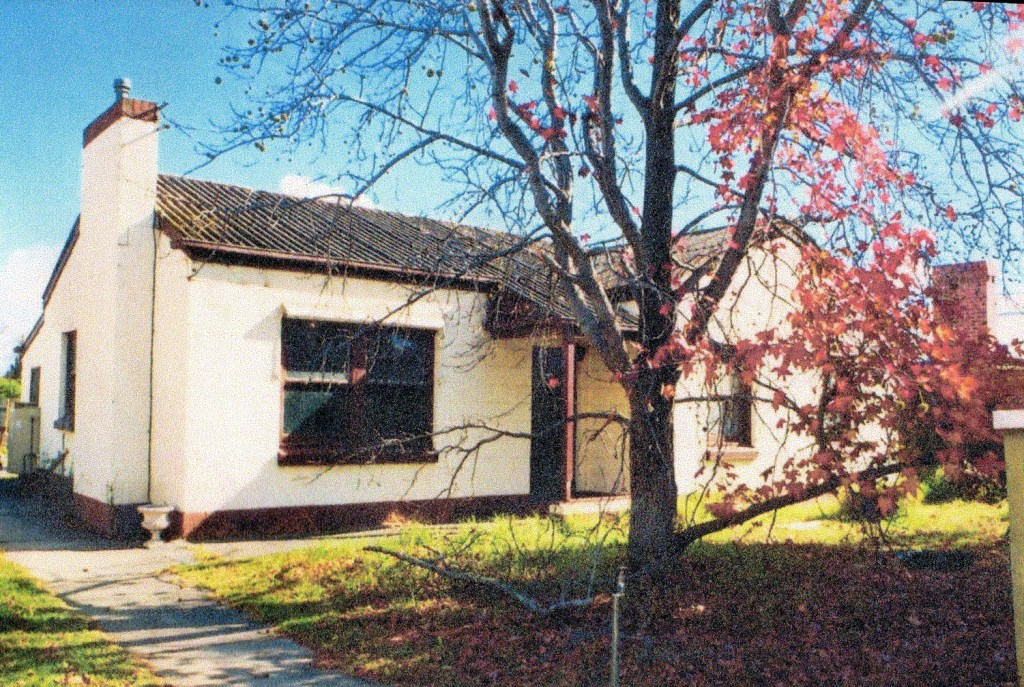
They looked at a few homes. A bungalow on Cross Road appealed to him, but not Marie. His father wasn’t impressed either. Marie didn’t like that pokey little home on the main road with no back yard at all and the property was right next to the rail line. Then a trust home at Gilbert Road Somerton Park came up for sale, and the deal was done. David regretted selling his stamp collection but reasoned that this was an investment for the children. And, many years down the track, it was, especially with the two lovely court yard homes, one of which David and Marie have lived in from 2006.
God blessed David’s career. He taught at Port Adelaide Primary School from the late 1960’s until he retired in 1985 at the age of 57. In that time he studied to teach Indonesian, became Deputy Principal, and won a government research grant to go to Indonesia. He became interested in the Indonesian musical instrument, the Anklung. He brought a set home and proceeded to teach pupils how to play. He had bands of students playing in the Festival of Music until 2010. He continued to visit the school now LeFever Primary and train students to play the Anklung, right up till the beginning of this year. He also tutored indigenous students.
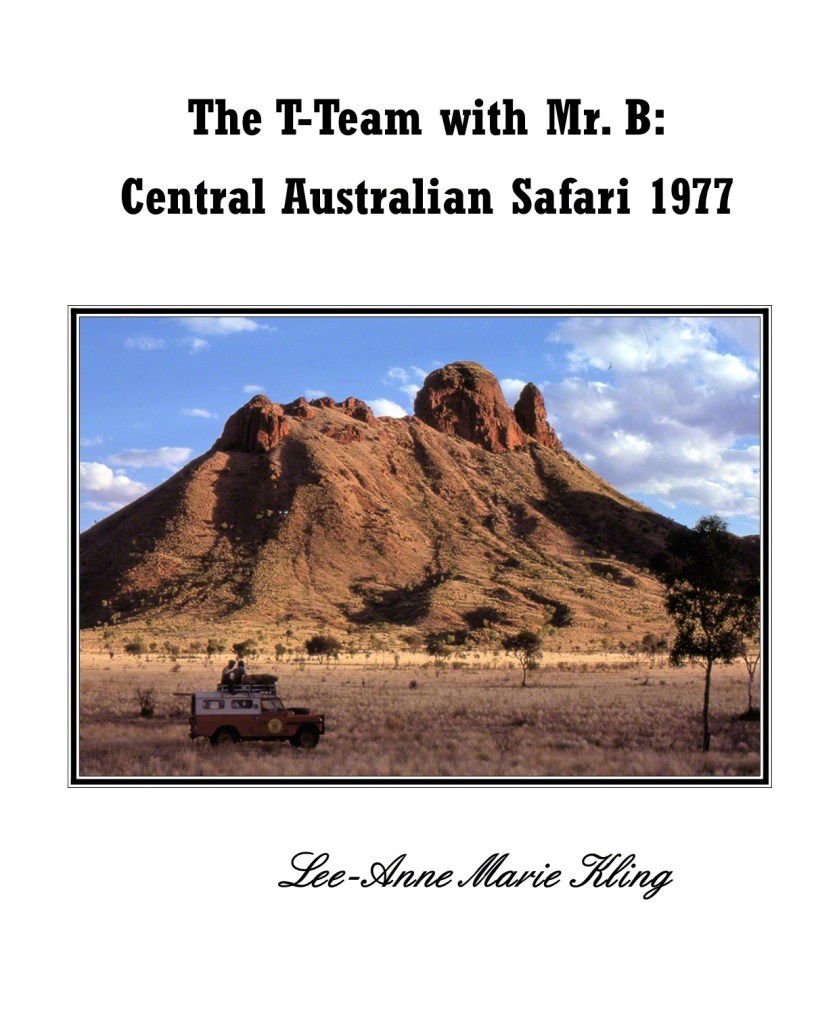
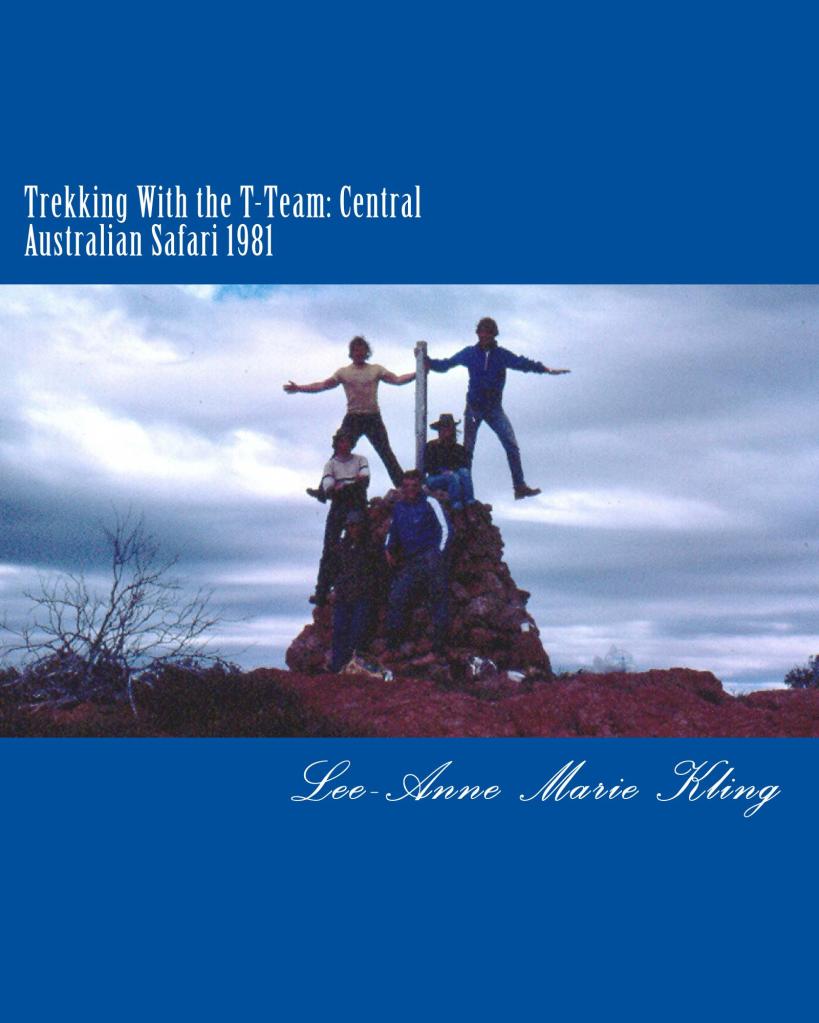
David lived life to the full and grasped every opportunity to explore the wild and untouched land God has created, especially Central Australia. With his long service leave, and then time in his early retirement, he made regular pilgrimages to the Centre. And God protected him. I like to think that now he is with the Lord, his guardian angel is enjoying a well-deserved rest.
One example he gave of God’s protection was on a hiking trip in the Western Wilderness of Tasmania with a friend. On one narrow path climbing around a cliff-face, he felt his heavy pack over-balance and he began to fall. “This is it,” he thought. Then he felt the pressure of someone pushing him back against the rock and he was able to step two metres further to a wider path. He knew an angel of the Lord rescued him, preserving his life, not just for his sake, but for his friend’s sake, and also because his work on earth was not complete.
But on August 25, 2012, David’s work on earth was done. There are probably many things he has done that will be remembered as a blessing and encouragement to all who knew him. He was a regular member of Faith Lutheran Warradale church; he took an active role, and was a vital member of the congregation for over 54 years. He was a Sunday School teacher, an elder, and a Bible Study leader.
We will miss his cheerful nature, how he grasped life, lived it to the full and shared God’s love with all he came across.
He may have been David by name, but he was Clement by nature.









 Tru-Kling Creations