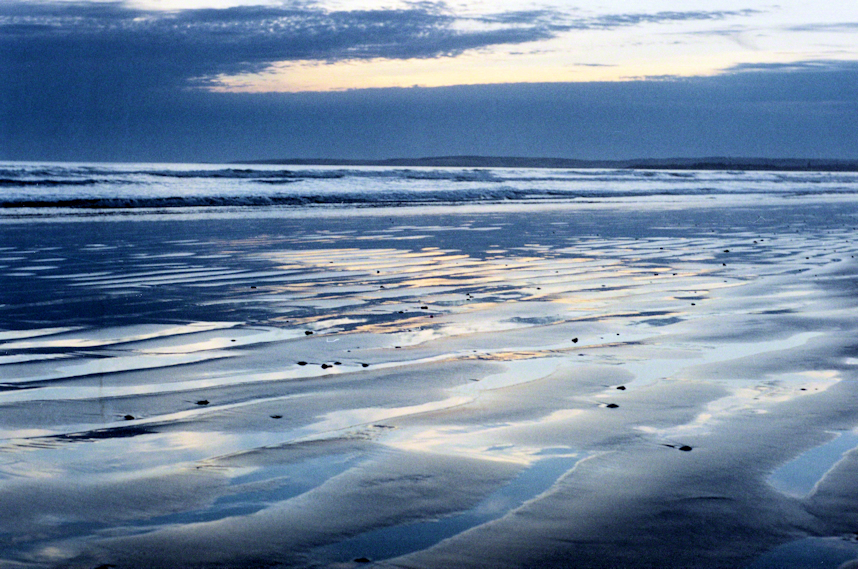
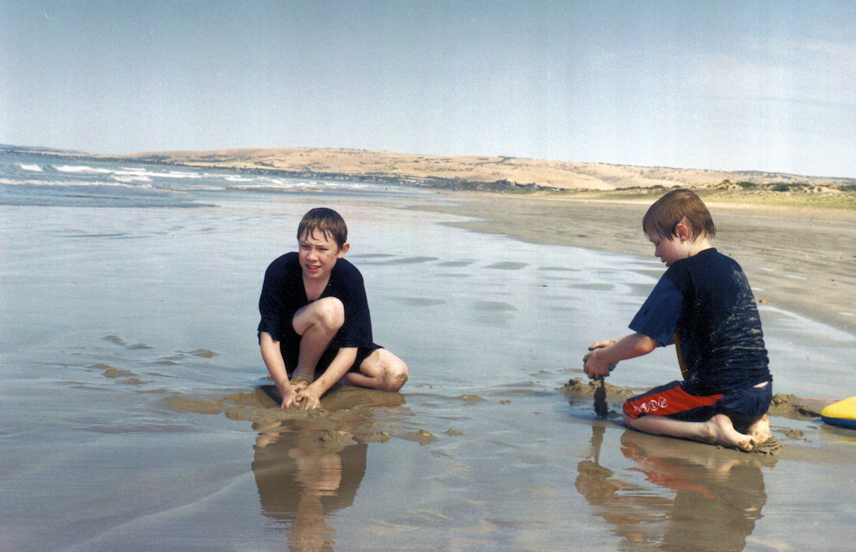
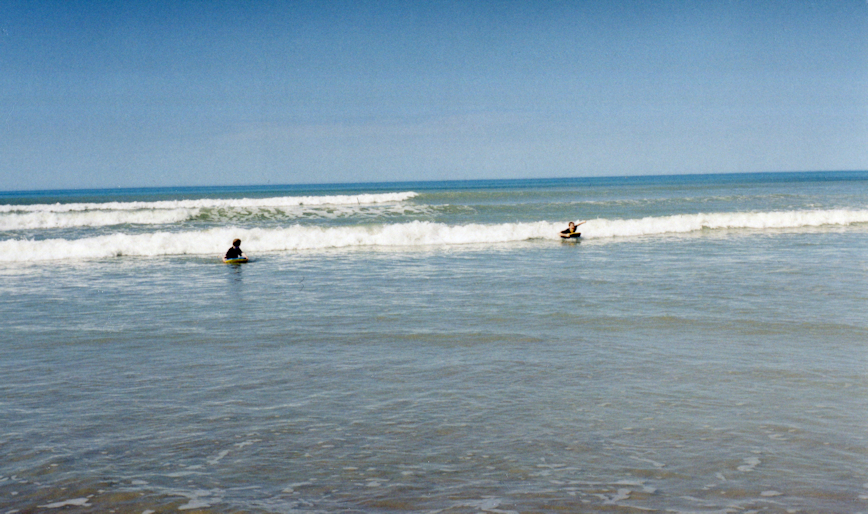
T-Team @ Home–Barossa Valley

[Travellers to Australia often overlook Adelaide, South Australia, as the poor cousin to the eastern states. Situated in an unfashionable corner of the globe, the city and its surrounds have the reputation of being too hot, too dry, and too awkward to visit.

Welcome to my home city and state.]

T-K Team Take on the Barossa Valley

Shortly before the Swiss relatives arrived, panic among the brothers-K set in. Yes, we were going to the Barossa Valley. But where?

My husband and his brother, P1, cobbled together a plan of the day: wine-tasting, sightseeing, a bakery for lunch, and of course, toilet stops at regular intervals.

We converged as the formidable family of ten at Williamstown, eventually in the car park next to, yes, you guessed it, after a scenic drive through the city and hills, the toilets. Most of the group needed a coffee, and although we’d been warned that on Sundays, many bakeries are closed, we found a most accommodating bakery-come-art gallery, where cappuccinos and chai teas revived us.

[Photo 1: Dummies in carpark © L.M. Kling 2017]

Stuffed dummies, one of whom was named Cyril, waited by the stone wall of the car park. The sign touted that they were part of a scarecrow trail that weekend. I guess they were doing their bit for tourism.

Energised, and with the help of a most cooperative mobile phone navigation app, the K-Team whisked over to the Whispering Wall, a dam holding Adelaide’s water supply. I wandered over to the wall while the others raced to the other side. My husband’s voice sounded as clear as if he were standing next to me. Eerie.
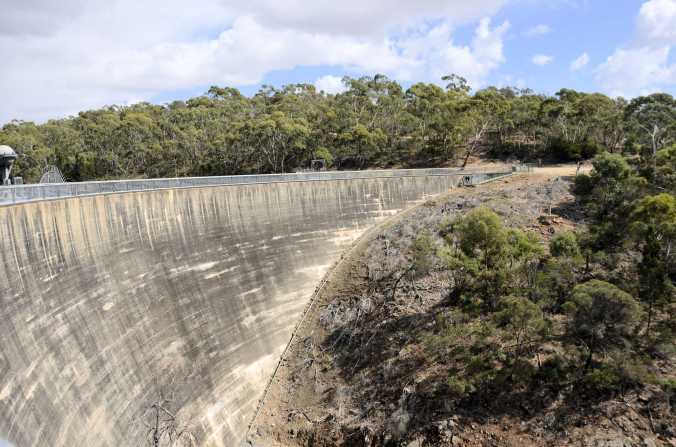
[Photo 2: Whispering Wall © L.M. Kling 2017]

Next stop, and most important, Chateau Yaldara Winery, where we commenced our wine-sampling tour. Our Swiss visitors enjoyed their “schlucks” of Shiraz hosted by a salesgirl with a broad Barossa-Australian accent. I relished the photographic delights of the historic mansion and the feature fountain.

[Photo 3: Chateau Yaldara fountain © L.M. Kling 2017]

Once again, the scarecrows were lurking around the garden.

[Photo 4: Scarecrows in garden © L.M. Kling 2017]

Every road or laneway around here leads to a winery. The Barossa produces some of the best wine in the world. Nineteenth-century migrants from Prussia-Silesia (now eastern Germany and Poland) came to South Australia and settled in the Barossa around Tanunda. Some were my ancestors.

My husband told our visitors, ‘The Barossa has some of the oldest Shiraz vines in the world, having been planted as early as 1847 by Johann Friedrich August Fiedler.’

The K-Team arrived at a tourist-crowded Jacobs Creek winery. This popular winery permitted five free tastings before paying for more. Happy with five small samples, the K-Team admired the view of vineyards, leaves turning autumnal gold, and rows of vines stretching to the hills, plus a meander along the trails around the winery. Not to be outdone, scarecrows lounged in the lawns by the tennis court that sported oversized tennis balls and racquets.

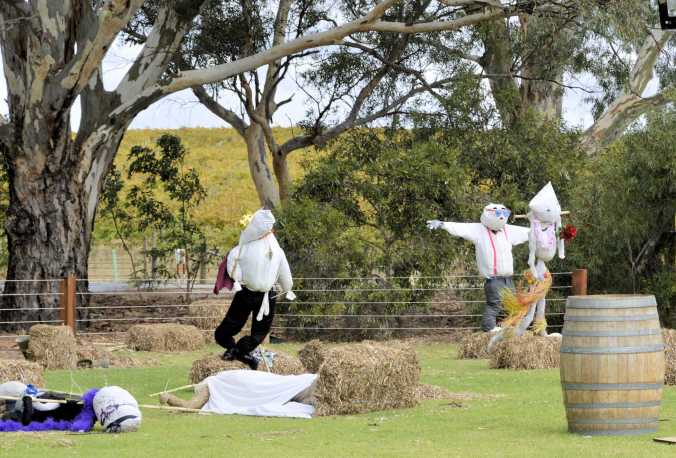
[Photos 5 Jacobs Creek Winery © L.M. Kling 2017]
[Jacobs Creek surrounds with Scarecrows © L.M. Kling 2017]

After purchasing supplies for Tuesday night’s party, we tested our breath with the complimentary breathalyser. All the K-team drivers were deemed safe to drive.

So, a jolly, but not too jolly, K-Team progressed to Tanunda in search of a bakery. I spotted the Red Door Café and led the team there. A waitress guided the K-Team of 10 to the courtyard garden out the back, as inside was full. We sat at separate tables, my husband and I with our younger Swiss cousin and boyfriend next to the Kids’ corner. Most of the K-Team supped on the Café’s specialty burger. Excellent choice, as it was a late lunch that would tide us over for tea.

[Photo 7: Burger © L.M. Kling 2017]

Satisfied with this most welcome and tasty lunch, the K-Team set off for Seppeltsfield Winery. After driving through kilometres of road lined with giant date palms, the K-Team arrived at the grand estate. The hall, a massive shed, actually, teemed with tasters. After more sampling and marvelling at the beautiful grounds, complete with vintage cars, we picked up our ordered wines at the designated shop.
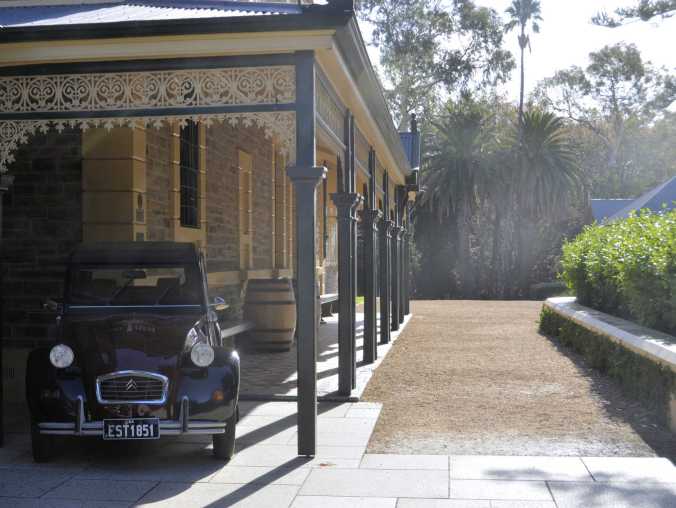
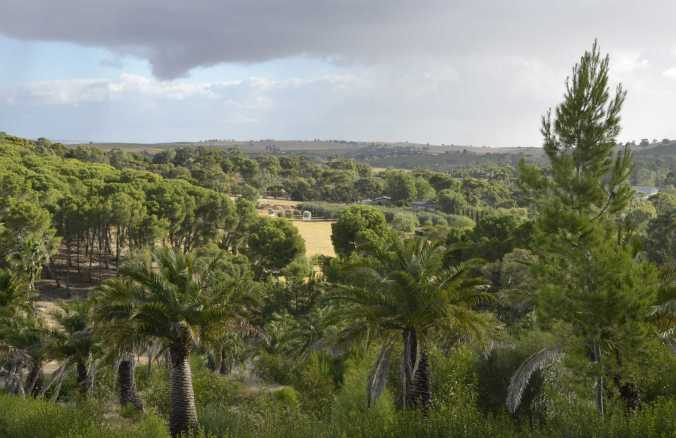
Photo 8
[Photos 8 & 9: Seppeltsfield and surrounds © L.M. Kling 2017]

As one of the oldest wineries, the Seppelts family was so rich, they built their own family mausoleum that presided over their estate. The K-Team made an impromptu stop to climb the steps to the family monument and then absorb the breathtaking view. The sun broke through the clouds, so completing the magical scene.

[Photo 10: View from Mausoleum © L.M. Kling 2017]

Peter Lehmann’s Winery was not far. Plenty of time, so we thought. But when we arrived, the car park appeared deserted. The owners emerged and informed the disappointed K-Team that they were closed for the day. The toilets, though, weren’t, and the K-Team made effective use of them while I took photographic advantage of the mellow tones of Peter Lehmann’s garden.
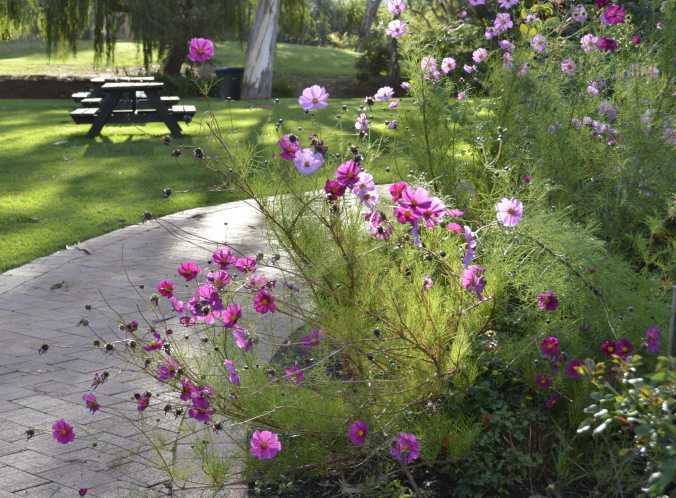
[Photo 11: PL garden © L.M. Kling 2017]

The K-Team reserved the late afternoon for Mengler’s Hill, which features an assortment of sculptures. We puzzled over the meaning of some of the international artistic offerings, but the collection seemed happy to be presiding over the Barossa. I observed that by this time, the scarecrows had slunk away and were nowhere to be seen.
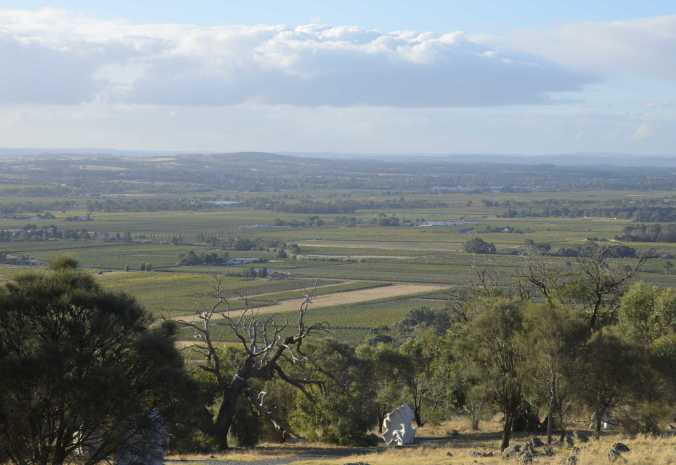
[Photo 12: View of Tanunda from Menglers Hill © L.M. Kling 2017]

Then, finally, as the sun sank towards the horizon, the K-Team hiked the one-hour circuit of Kaiser Stuhl National Park.

‘Wildlife is best seen at dusk and dawn,’ P1 said.

During our walk, we detected an echidna, then later on, kangaroos. Any koalas, though, remained hidden from view.

Photo 13: Echidna © L.M. Kling 2017]

While our Swiss guests hunted for wildlife, I caught the sunlight on eucalyptus trees and the gnarled forms of branches and trunks with my camera; future subjects for paintings, I hope.

Photo: 14.
[Photos 14 & 15: Trees and light, gnarled trees © L.M. Kling 2017]

It had been a long and full day, and my husband’s mobile phone, drained of battery power and starved of tower transmissions, was by this time grumpy. As revenge for being deprived of its usual mobile-phone fixes, it became intent on leading us astray. In Angaston, when we finally arrived there after the phone’s GPS took us on a meandering scenic route, the phone demanded in a passive-aggressive voice, ‘Take the next right.’ Then, ‘Take the next right.’ Then again, ‘After thirty metres, take the next right.’

‘Hey, it’s taking us in circles,’ I said. ‘Ignore it and go straight ahead.’

The phone cut in. ‘Take the next right,’

I pointed at the sign to Adelaide. ‘No, follow the sign.’

As we drove down the highway to Gawler, the phone bleated, ‘At the first opportunity, make a U-turn.’

‘No!’ we shouted.

The phone insisted. ‘Turn left and make a U-turn.’

I filmed the phone map spinning in every direction. ‘It looks like it’s going nuts,’ I said. ‘I’m turning it off.’

I switched off the phone, and we completed the journey to Adelaide in peace.
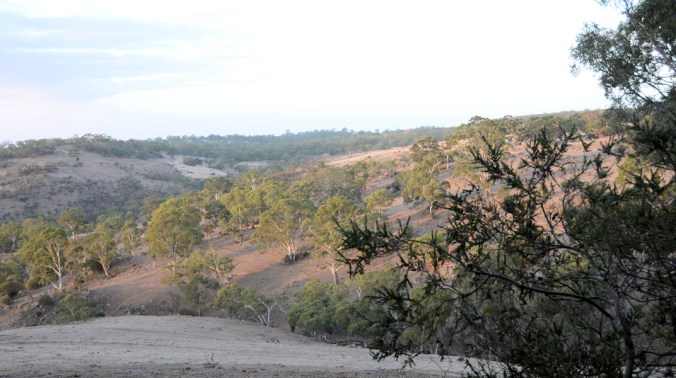
[Photo 16: Sun setting on Menglers Hill © L.M. Kling 2019]

© Lee-Anne Marie Kling 2017; updated 2019; 2025

Feature Painting: One Day in the Barossa © L.M. Kling 2018

***

Dreaming of an Aussie Adventure?

Click on the links below:

The T-Team With Mr. B: Central Australian Safari 1977

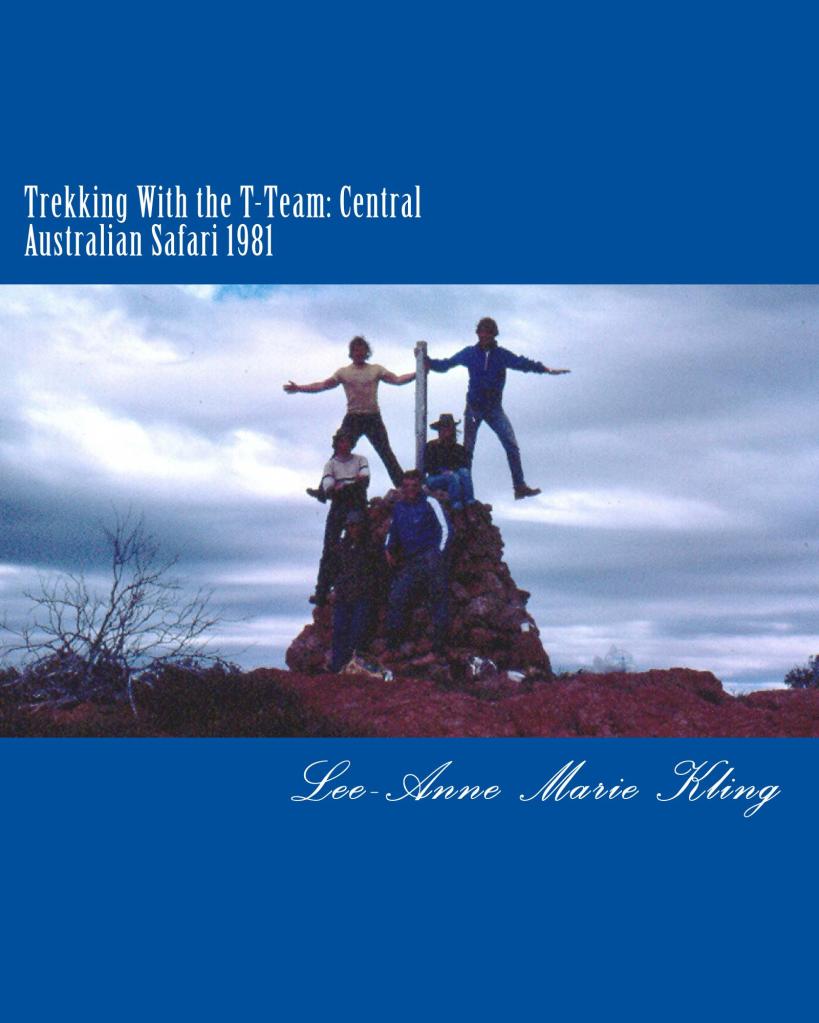
Trekking With the T-Team: Central Australian Safari 1981

To download your Amazon Kindle copy of the story …

And escape in time and space to the Centre of Australia

Second Friday Crime–Under the Bridge (11)

I Know Nothink

Thursday, March 3, 2022, 2pm

Brighton

Dan

Dan perched on the vintage two-seater 1960’s occasional armchair. He admired its upholstery, a stunning turquoise woven velvet. Francis Renard sat opposite in a matching single armchair.

‘You can’t get too comfortable in these chairs,’ Renard leaned back and crossed his long legs, ‘or get too heavy.’ Renard chuckled. ‘We once had a colleague of El’s here. Walt Wilberforce, chaplain from Yatala, actually. On the big side. Sat where you’re sitting. Chair had to go in for repairs after. There’s a good repairer down on the Broadway. Took ages to get it back.’ Renard laughed and fidgeted. ‘Guess these chairs keep us honest as far as weight and fitness goes.’

*[Photo 1: 1960’s Occasional Lounge Chairs © L.M. Kling 2017]

Dan stroked his chin. Hmmm, honest. Let’s see how honest Renard will be. He sighed wishing Eloise Delaney could be a part of the interview as she was so astute in reading people. However, he knew that El being there would ruin the interview. Being a close family member to Renard. Wife, actually.

‘So, Francis,’ Dan said, ‘can I call you Francis?’

Renard nodded. ‘What’s this about, Sir?’

‘We are looking into an incident that happened in November 1980. Saturday night November 29 to be precise. Do you remember that day?’

‘That’s over 40 years ago.’ Renard shrugged. ‘To tell you the truth, I can’t remember what I had for breakfast.’

‘You remembered Walt Wilberforce.’

‘He-he, lucky guess, oh and association with the chairs.’ Renard rubbed his ear and his face flushed a bright pink making his bald patch more prominent. ‘So long ago, I have no idea what I’m supposed to remember.’

‘Okay, let’s start with some basics, then,’ Dan leaned forward. ‘What make and model car were you driving at the time?’

‘Ah, that brings back memories.’ A wide smile spread across Francis Renard’s face. ‘A red and white 1967 Kombi.’

*[Painting 1: One red and white Kombi © L.M. Kling 2015]

‘Good memories?’

‘Yeah, had some good times in that van.’

‘I bet you did.’ Dan scribbled 1967 Kombi on his notepad, then pulled out his mobile phone. ‘Do you give your consent for me to record this interview?’

Renard gestured with palms open upwards. ‘Sure, I’ve got nothing to hide.’

‘Right, now, I believe you were friends with Sven von Erickson at the time.’

‘Uh-huh, where this going? I’d rather not be dropping my mate in this, whatever it is.’

‘Alright, I’ll leave Sven out of this for now.’ Dan shifted his weight on the spongy cushions of the occasional lounge chair. They certainly didn’t allow one to get too comfortable. ‘Okay, what were you doing, I mean for employment, in 1980?’

‘I was a panel beater come mechanic, back in the day. Gap year, I mean, ended up being several years. I was still growing up, you could say. After dropping out of engineering in 1979, I went back to university as a mature-aged student to study Physics. Never looked back. That’s how I met Sven, actually.’

‘What was the name of your boss at the time?’

‘My boss? Hmm, some German, I remember. A perfectionist. Hard, really hard on me. Nothing I did was good enough.’ Renard scratched his chin. ‘But his name? It’s so long ago, I can’t remember.’

Dan placed a laminated photo of a red 1976 Ford Falcon XB on the glass coffee table that divided them. ‘Does this jog any memories?’

*[Photo 2: My Ford Falcon XB, yellow, but © A.N. Kling 1986]

Renard jerked back and folded his arms. ‘Is that supposed to mean something?’

‘You tell me.’

‘Look mate, I worked on tonnes of cars. They came in, I fixed them up, they went out. Well, eventually, once the old boss…’ Renard sniggered, ‘can’t remember his real name, but we lads who worked at his shop, called him the Car-Nazi. Anyway, once Car-Nazi said it was good enough. Which, it never was, by the way. Oh, what a cruddy job. One of the reasons I went back to uni. And the pay was peanuts. You see, I wanted to have a gap year or two, to work, save up some dough and travel. You know, go overseas. See the world. But, never had enough, and the old Kombi was a money pit. Mon Dieu, talk about endless repairs.’

And, without Dan uttering another word or question, Francis Renard was off, back in the world of the 1980’s. For a start, the Detective Inspector was pleased that he’d successfully tapped into Renard’s memory files. That is, until he began wandering off track on his trek around Australia and sighting a fleet of UFOs on the Nullarbor Plain.
‘Did you see the news reports?’ Renard asked. ‘I was famous.’

Dan attempted to steer Renard back to November 29, 1980, only to be carjacked by a psychotic hitch hiker in 1984 when Renard and his friends took a road trip to the Flinders Ranges. He was glad to get rid of the van, then. The hitch hiker who stole it, had done him a favour.

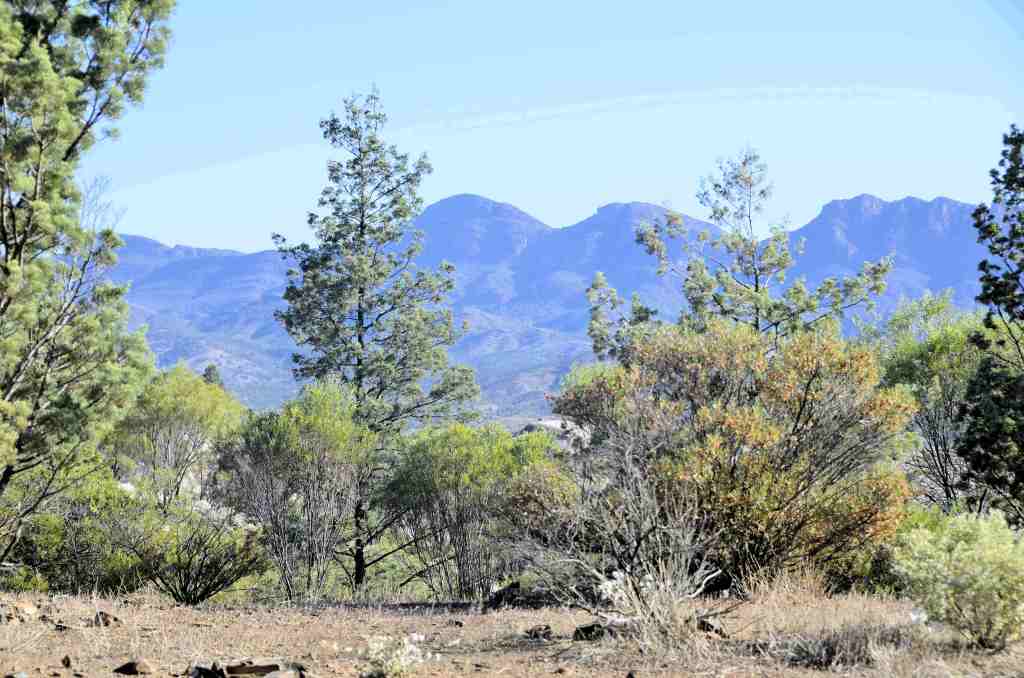
*[Photo 3: Iconic Flinders Ranges © L.M. Kling 2023]

Dan again attempted to guide the conversation back to November 1980 asking what make and model cars his friends were driving. To this Renard said he couldn’t remember. So long ago.

The front door clicked and clacked. Footsteps on the floorboards.

Dan and Renard glanced at the lounge room entrance.

‘Hi there,’ Eloise strode through. She looked from Dan to Renard. ‘What’s all this about then?’

‘We have a visitor,’ Renard replied.

‘I can see that,’ Eloise said.

‘Just an informal chat,’ Dan added. ‘Francis has been telling me all about his adventures with UFOs and hitch hikers.’

Eloise looked away and muttered, ‘Can’t help himself.’

Renard looked at his wife and said, ‘Dan was just asking about Saturday night, November 29, 1980, my dear. Do you remember anything?’

‘I was too young, and still in Switzerland, I think,’ Eloise replied. ‘But thinking about that date, and the age of your daughter, I would say that it might be a significant date.’ She faced Dan and explained the recent discovery courtesy of a DNA test.

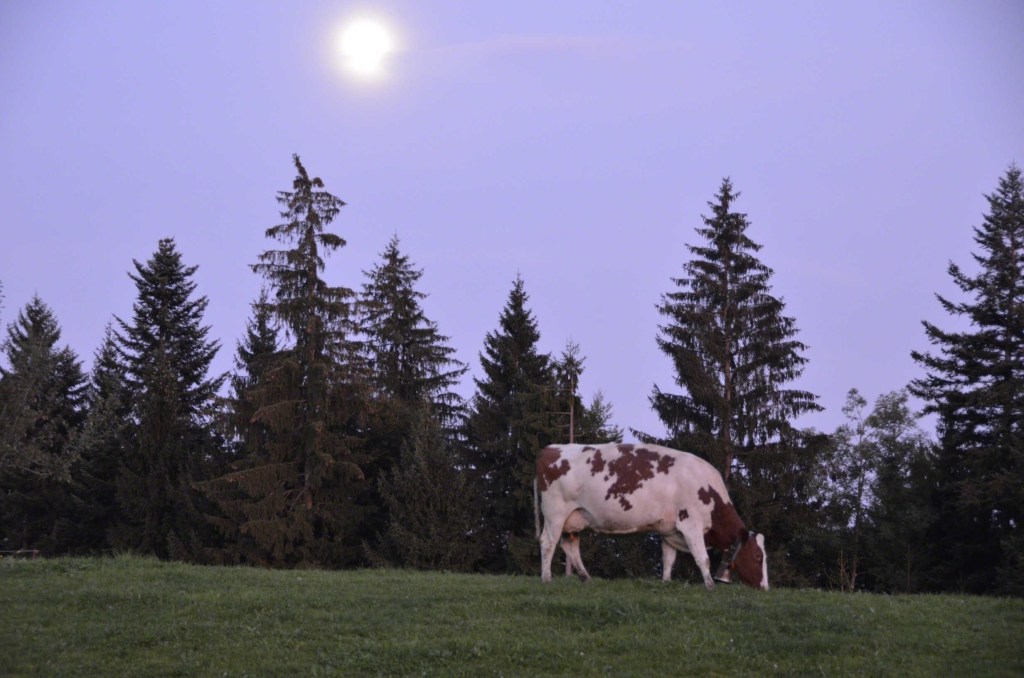
*[Photo 4: Iconic Switzerland with cow © L.M. Kling 2014]

‘How so?’ Renard asked.

Dan flushed, his face the colour of beetroot, and he chuckled. ‘I guess you got some value out of that old van of yours Francis.’ He glanced at his phone on the coffee table and realised the recording app was still activated.

Renard cleared his throat. ‘Oh, yeah, now, who was I with?’

Her DNA results will clear up that mystery,’ Dan said and then rose. He made the assumption that Renard would have been occupied with conceiving his daughter and thus not focussed on the fate of Milo Katz. No use continuing the interview now, he thought, and decided that if he needed more information from Renard, he’d make another time to see him on his own. He picked up his phone, with his notebook, tucked them into his pocket. ‘I better get going.’

Eloise walked him down the hallway. ‘How’s things?’ she asked.

‘Could be better,’ Dan said.

Over the next half hour, on the front porch, view of the gulf on a gentle autumn day, blue water and white sail boats bobbing, he proceeded to tell Eloise about the dramas in his life. His son wanting to move back to Europe to be with his ex. Mooch, actually. They’re in Lausanne, Switzerland. Whatever for, he has no idea. And his relationship with Jemima is under pressure. She’s all fired up about politics and a particular protest movement. Disruptions going on left, right and centre. And he must help police those from time to time and there’s Jemima on the other side. So awkward. What is he to do?

Plus, to make matters worse, he’s been partnered up with Dee Berry. Remember her? Such a difficult personality. And they have history going back to the ‘70’s. History he’d rather forget. Old flame, you see.

[Photo 5: Brighton Beach © M.E. Trudinger 2010]

In the pause while Dan reflects on his lot in life, Eloise asked, ‘Say, Dan, there’s this cold case I’d like to look into, if that’s at all possible. Would you be able to lay your hands on the Percy Edwards files? He went missing back in 1978. And could you possibly pass them in my direction?’

Dan locked eyes with Eloise. ‘Delaney, you know I can’t do that.’

‘But…Also, I think there’s more to the disappearance of Lillie and Sven’s father, Jan von Erikson. And I have this feeling in my gut that Mr. Edwards who disappeared a year later, has something to do with it.’

Dan puffed. ‘You and your gut, El, one day, I believe it will be the end of me.’

‘You will?’

‘I’ll have a poke around.’ Dan shook his head. ‘Can’t promise anything.’

As Dan climbed into his Government issue 2022 Toyota Corolla Hybrid, he remembered that his mobile phone recording app was still running. A colourful word escaped his mouth before he muttered that he must delete the last thirty-minutes of recording. When he gets home and works out how to do such things.

© Lee-Anne Marie Kling 2024

*Feature Photo: Seagulls Brighton Beach © L.M. Kling 2010

***

Sometimes characters spring from real life,

Sometimes real life is stranger than fiction.

Sometimes real life is just real life.

Check out my travel memoirs,

And escape in time and space

To Central Australia.

Click on the links:

The T-Team with Mr. B: Central Australian Safari 1977

Trekking with the T-Team: Central Australian Safari 1981

Or for a greater escape into another world…

Check out my Sci-fi/ dystopian novel,

And click on the link:

The Lost World of the Wends

Travelling Friday–T-Team Next Gen: Coober Pedy

Saturday 6-7-13

Coober Pedy

Meet by the Monument. What monument?

[Day 2 of the T-Team Next Gen’s pilgrimage to Central Australia to scatter Dad’s ashes…]

Mambray Creek greeted us with a picture-perfect morning; a morning that, in years to come, we could boast about to the T-Team who missed it in all its delicate beauty. Kookaburras announced the sunrise with their manic laughter. Parrots chattered in the trees. The air was calm, but not too cold.  And the shower in the stone toilet block was warm and refreshing. I wondered where the MB (My Brother) component of the T-Team had camped. If they had camped. And if they’d enjoyed a warm shower in the morning.

[Photo 1: Morning glow at Mambray Creek © L.M. Kling 2013]

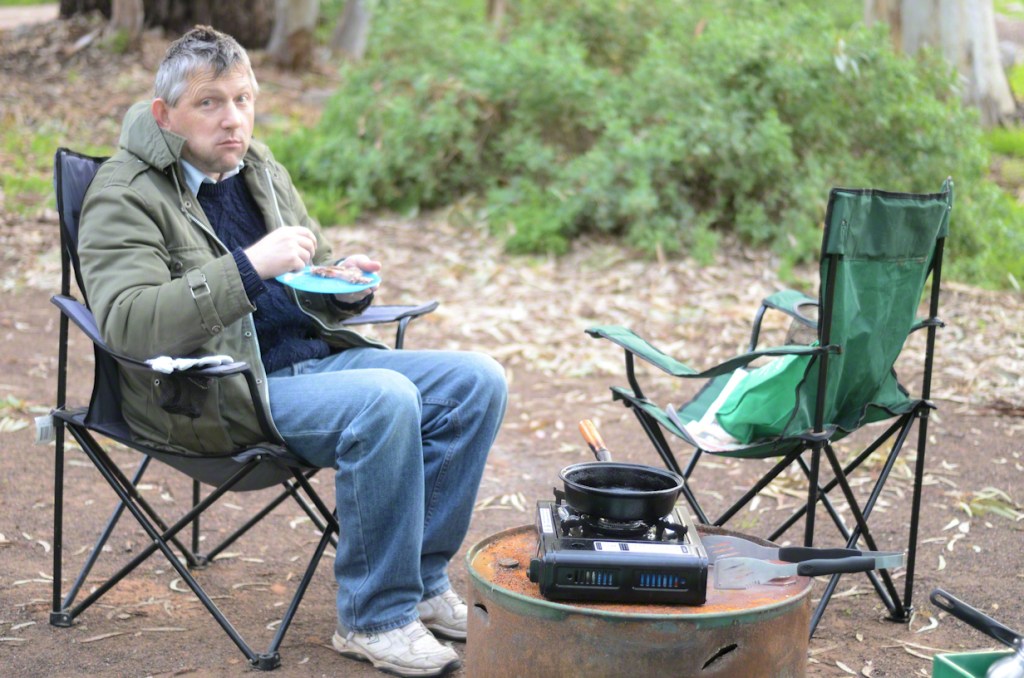
When I returned from my shower, Hubby was busy sizzling chops on the portable butane gas cooker. The aroma drew me in and soon I enjoyed lamb chop sandwich for breakfast.

[Photo 2: Hubby with cooked lamb chops © L.M. Kling 2013]

Then we were packed and ready to hit the road to Coober Pedy by 9.30am. The plan, meet the rest of the T-Team at Coober Pedy.

[Photo 3: A magpie wanted some chops too. Mambray Creek © L.M. Kling 2013]

On the way, we stopped in at Port Augusta where we bought those inevitable forgotten items such as a wooden board and soap. Now, if I hadn’t had a shower that morning…and if Hubby hadn’t cooked breakfast…

We then commenced the journey on the Stuart Highway, flat, straight, gibber plains each side and the white dividing line disappearing into the distance. Hubby was happy to tackle this new kind of boring.

[Photo 4: Start of the Stuart Highway. Goodbye, Flinders Ranges © C.D. Trudinger 1981]

Hubby’s phone tingled breaking the monotony at 11am. My niece informed us that the T-Team had already reached Coober Pedy.

‘They must’ve driven most of the night,’ Hubby remarked.

I had visions of MB and co not sleeping until they were on the outskirts of Coober Pedy.

As the phone reception was seriously patchy, the bare amount of information was exchanged. Arrangements were made to meet at the monument when we arrived. They would be spending the day at Coober Pedy, enjoying the sights and attractions of this mining town.

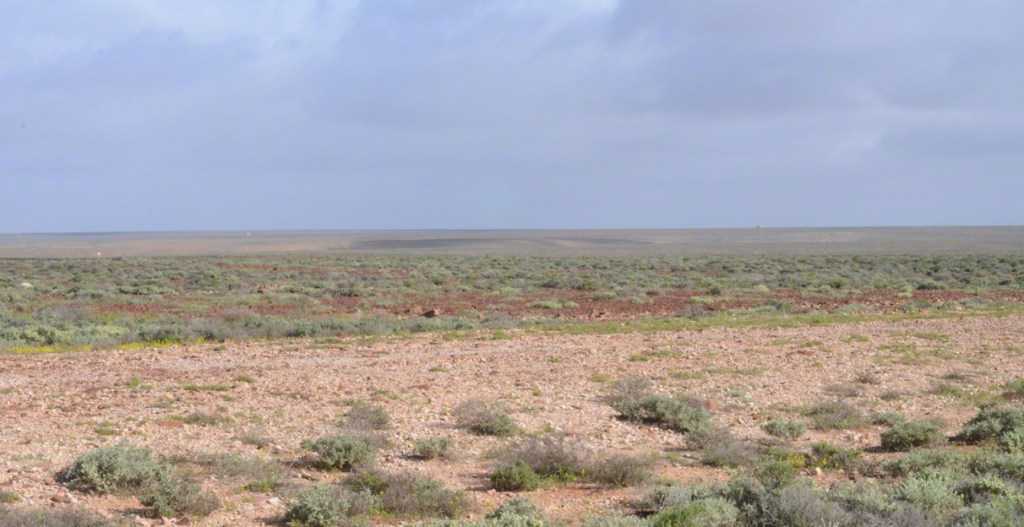
We continued our trek towards Coober Pedy, obeying the speed limit of 100km per hour. The Gibber Plains sparkled like silver. I took some photos of the gibber when we had a short break.

[Photo 5: Gibber Plains by the Stuart Highway © L.M. Kling 2013]

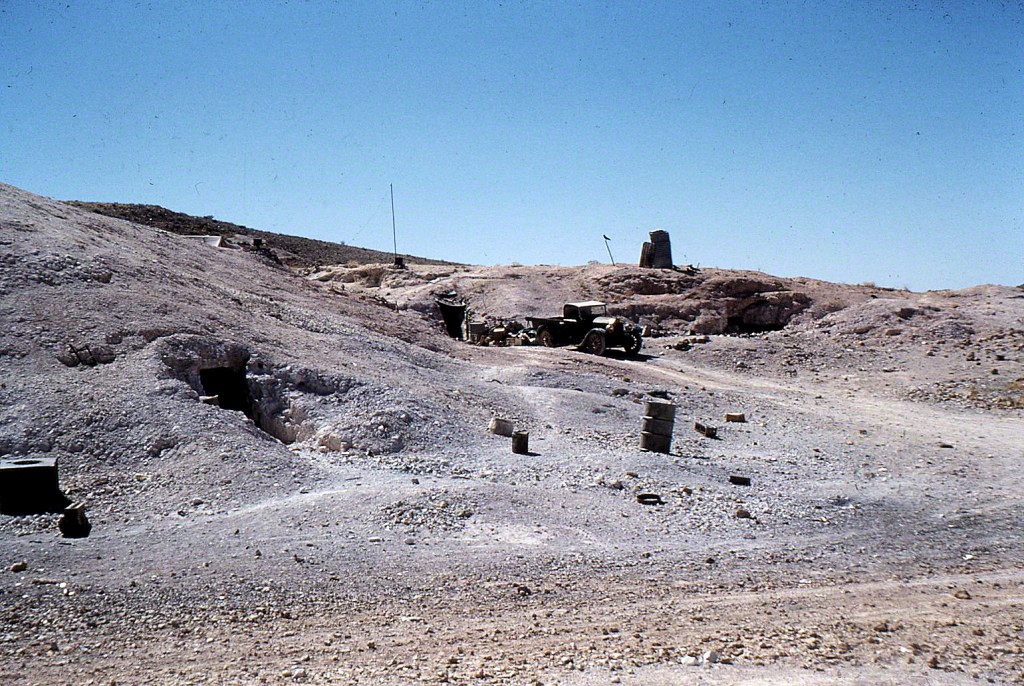
Six hours after the T-Team had called us, we arrived in Coober Pedy. In an effort to find the agreed monument, we took a scenic tour of Coober Pedy and its grid of streets. No Monument. No T-Team.

‘What does this monument look like?’ Hubby asked.

I shrugged. ‘Like a monument.’ I had a vague recollection from my youth and the T-Team’s trek with Mr. B in 1977. MB and I had our photos taken by this so-called monument, or on this monument. But finding something that resembled the fuzzy memory in my mind? Nup, not today.

I rang my niece. ‘Where are you?’

‘We’re at the playground with the giant tyres,’ she replied. ‘You can’t miss it. It’s the first thing you see when you enter Coober Pedy.’

‘We’re having a barbeque!’ Mrs. T yelled.

‘Where are they?’ Hubby asked.

‘The playground near the entry of Coober Pedy,’ I said, ‘We must’ve driven right past them.’

‘How could you miss them?’ Hubby snapped. ‘Are you blind?’

‘Must’ve been in a parallel universe,’ I muttered. Sure, there was no one there when we drove into the town.

[Photo 6: Had they fallen down a mine shaft? The many mine shafts on the outskirts of the opal mining town, Coober Pedy © S.O. Gross 1955]

Hubby wound his way through the straight streets to the playground with the tyres. He glanced at the giant tyre structure. ‘Did you mean this monument?’

‘I don’t know, but obviously the MB did.’ I pointed. ‘There they are.’

MB was fiddling with the barbeque hotplates while Mrs. T stood behind him with a packet of sausages. The T-ling girls played on the swings, while the boy sat in the van, eyes glued to his iPad. A sign near the picnic area warned that the barbeque was only to be used during daylight. The sun hovered just above the horizon.

Over sizzling sausages, Mrs. T apologised for deserting us. But she just wanted to reach Coober Pedy and spend the day there. We had planned to explore Coober Pedy on our way back, after spending a night camping there. However, Mrs. T had a sense that plans at the end of the trip may not work out and wanted to get Coober Pedy in on the way up to Central Australia.

[Photo 7: Opal from Coober Pedy cut by Hubby’s Omi (grandma) © L.M. Kling 2018]

‘Did you get any sleep?’ I asked.

‘We parked in some parking bay, just outside of the town,’ MB said.

‘It was terrible!’ the younger niece said. ‘We were all cramped in the van, and we got no sleep at all.’

‘Mum kept kicking me in the head,’ my nephew cried.

‘You were snoring!’ Mrs. T bit back.

‘No, I wasn’t. You were!’ Nephew laughed. ‘I was just imitating you.’

‘Yeah, the kids were pretty cranky that we didn’t stay at Mambray Creek,’ MB whispered to me.

‘Yeah, but, who wanted to have KFC at Port Augusta? Hmm?’ Mrs. T didn’t miss a trick. ‘I wasn’t going to go backwards once we had takeaway and had gone as far as Port Augusta.’

[Photo 8: More Stuart Highway, more gibber plain © L.M. Kling 2013]

In darkness we drove endless kilometres to some elusive free parking bay. Mrs. T’s dream was to sleep under the stars, just as the T-Team in 1981 had done. In the pitch blackness of night, about 9 – 10pm, we settled in a spare patch in an already crowded free parking area.

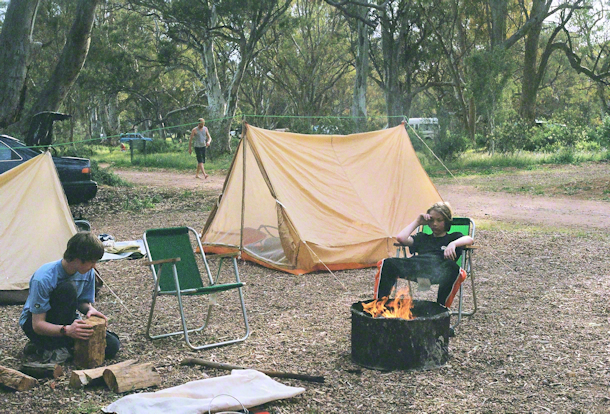
On the unforgiving stony surface, MB and wife constructed their questionable number of star accommodation of raised camp bed, piles of doonas topped with a tarpaulin. A little distance from them, actually, right next door, Hubby and I arranged our bedding on that rocky ground covered by tarpaulin then blow-up mattress. We had no camp bed, but we had our minus five sleeping bags in which to wrap ourselves. We also covered our swaddled selves with another tarpaulin. Hubby grumbled about this, but he had no choice; the ground was too hard to hammer tent pins in.

[Photo 9: Free camping and our questionable number of star accommodation © L.M. Kling 2013]

The T-lings opted to sleep in the van.

My nephew chuckled. ‘At least I won’t have mum’s foot in my face. I should get some sleep.’

© Lee-Anne Marie Kling 2024

Feature Photo: Those Gibber Plains © L.M. Kling 2013

***

Virtual Travel Opportunity

For the price of a cup of coffee (takeaway, these days),

Click on the link and download your kindle copy of my travel memoirs,

The T-Team with Mr. B: Central Australian Safari 1977

Trekking with the T-Team: Central Australian Safari. (Australia)

Trekking With the T-Team: Central Australian Safari (United States)

T-Team Next Generation–The Convoy…

Trekking With the T-Team, Next Generation:

Central Australia Convoy 2013

[More than ten years ago, the T-Team, next generation embarked on their pilgrimage to Central Australia. Purpose: to scatter Dad’s ashes in his beloved Central Australia, in Ormiston Gorge.

Over the next few monthly Travel Fridays, I will take you on a virtual trip to the Centre and memories of that unforgettable holiday in 2013, with my brother and his family; the T-Team Next Generation. Then, it’s about time I put this story together into a book.]

Friday 5 July, 2013

The Convoy that Never Was

T-Team Next Generation’s convoy to Central Australia only took six hours to fragment and evaporate.
The said convoy consisted of Brother T’s family Mistubishi van containing my brother (Dad), Mrs. T (Mum), and three Teen-Lings (one boy, two girls), and Mum T’s trusty Ford Falcon Station wagon with Hubby and me. Mum T with our sons (S1 and S2) would be joining us in approximately a week’s time, flying up by plane to Alice Springs.

That was the plan.

With camping at Mambray Creek in the Flinders Ranges in mind, the T-Team Next Generation Convoy, took a recess break at Port Pirie where Mrs. T checked out a craft shop. Nearby, what appeared to be a church, was in fact a Barnacle bills Family Seafood Restaurant. Mrs. T, armed with crafting supplies, allowed the convoy to continue. But thoughts of an easy takeaway had been planted in some of the T-Team Next Generation’s minds.

[Photo 1: Crafty Stop at Port Pirie © L.M. Kling 2013]

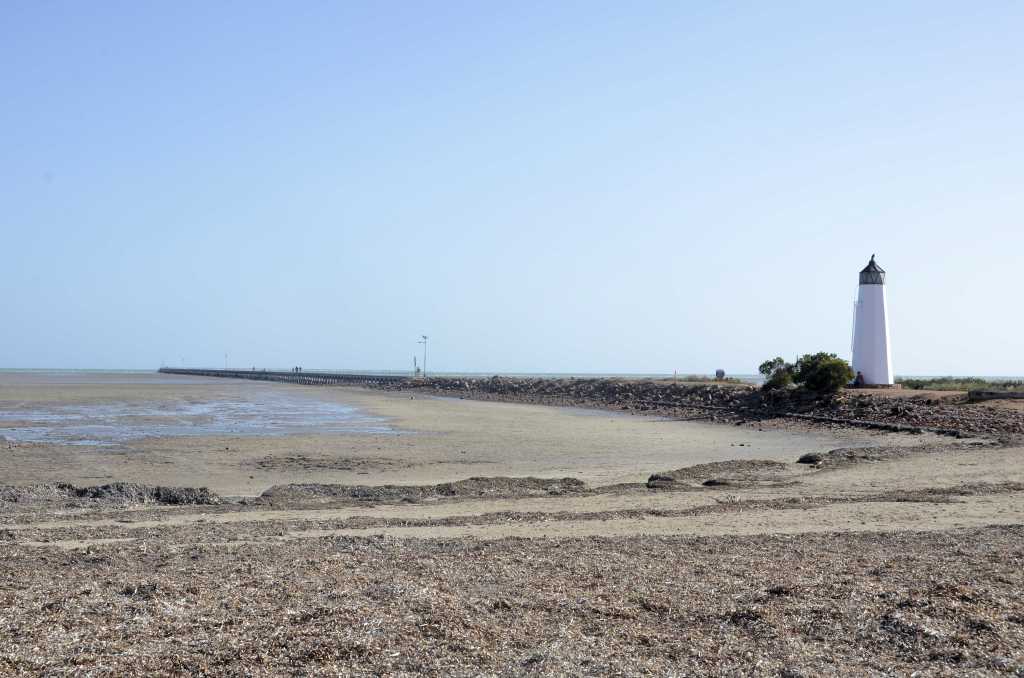
Then, there was the obligatory stop at Port Germein. For Brother T and friends who frequented the Flinders Ranges, a pause in the trip at Port Germein was tradition. Although the sun was fast sinking below the horizon, we braved the brisk winter air and took a stroll up the longest jetty in the Southern hemisphere.

[Photo 2: Dancing by the Port Germein Jetty in times gone past ©L.M. Kling 1984]
[Photo 3: Port Germein Jetty stretching into the distance © L.M. Kling 2013]

And so, at 6.30pm and in darkness, Hubby and I turned off to Mambray Creek…

And Brother’s team, driven by Mrs. T…didn’t.

I fumbled for my mobile and called MB. ‘What’s happening?’

‘Mrs. T’s decided to keep on going,’ my brother sighed. ‘Once she makes up her mind, you don’t argue with her. Besides, the kids want Hungry Jacks for tea a Port Augusta, they have vouchers.’

Hubby had made up his mind. We weren’t about to follow. We’d be camping at Mambray Creek and would continue our journey north fresh after a good night’s sleep. In the morning. After all, they promised to catch up with us in Coober Pedy; we had mobile phones to keep in contact, after all.

[Photo 4: Mambray Creek towards sunset © L.M. Kling 2018]

Despite the darkness, Hubby managed to set up the two-man tent in minutes. Then, although suffering the pangs of disappointment, we downed a light tea of bread, with packet soup and hot chocolate using water boiled from Hubby’s eco billy. ‘We’ll have the chops when there’s more light,’ I said, ‘in the morning.’

[Photo 5: Our trusty two-man tent on a previous visit to Mambray Creek © L.M. Kling 2005]

‘Now, to see if these minus-five sleeping bags keep us warm in the desert.’ Hubby snuggled into our co-joined sleeping bag. ‘Did I ever tell you how when camping with my family in the Flinders, I had to sleep in a cotton sleeping bag? It was freezing!’

[Photo 6: K-Team appearing suitably chilled in the Flinders Ranges © N. Kling 1982]

To which I replied, ‘Yes. But when the T-Team were in the Musgrave Ranges, it was so cold…’

[Photo 7: Chill in the morning near Mt. Woodroffe, Musgrave Ranges © L.M. Kling (nee Trudinger) 1981]

I looked over to Hubby’s side. Was he snoring? I snuggled close to him. I guess for him, this minus-five sleeping bag passed the test.

© Lee-Anne Marie Kling 2020; updated 2024

Feature Photo: Approaching Darkness at Port Germein © L.M. Kling 2013]

***

Virtual Travel Opportunity

For the price of a cup of coffee (takeaway, these days),

Click on the link and download your kindle copy of my travel memoirs,

The T-Team with Mr. B: Central Australian Safari 1977

Trekking with the T-Team: Central Australian Safari. (Australia)

Trekking With the T-Team: Central Australian Safari (United States)

Trekking With the T-Team: Central Australian Safari (UK)

Trekking With the T-Team: Central Australian Safari (Germany]

Trekking With the T-Team: Central Australian Safari [France]

Trekking With the T-Team: Central Australian Safari (India)

Trekking With the T-Team: Central Australian Safari [Canada]

Trekking With the T-Team: Central Australian Safari [Mexico]

Trekking With the T-Team: Central Australian Safari [Italy]

Trekking With the T-Team: Central Australian Safari [Brazil]

Trekking With the T-Team: Central Australian Safari [Spain]

Trekking With the T-Team: Central Australian Safari [Japan]

Trekking With the T-Team: Central Australian Safari [Netherlands]

Final Trek Friday–T-Team Next Gen

Woomera, Then Home (part 2)

[I never actually finished the story of the T-Team, Next Generation’s adventures in Central Australia in 2013. So, here is the final chapter in the series. Next month, I will commence the journey at the beginning, as I revisit our journey to scatter my dad’s ashes in Central Australia eleven years ago.]
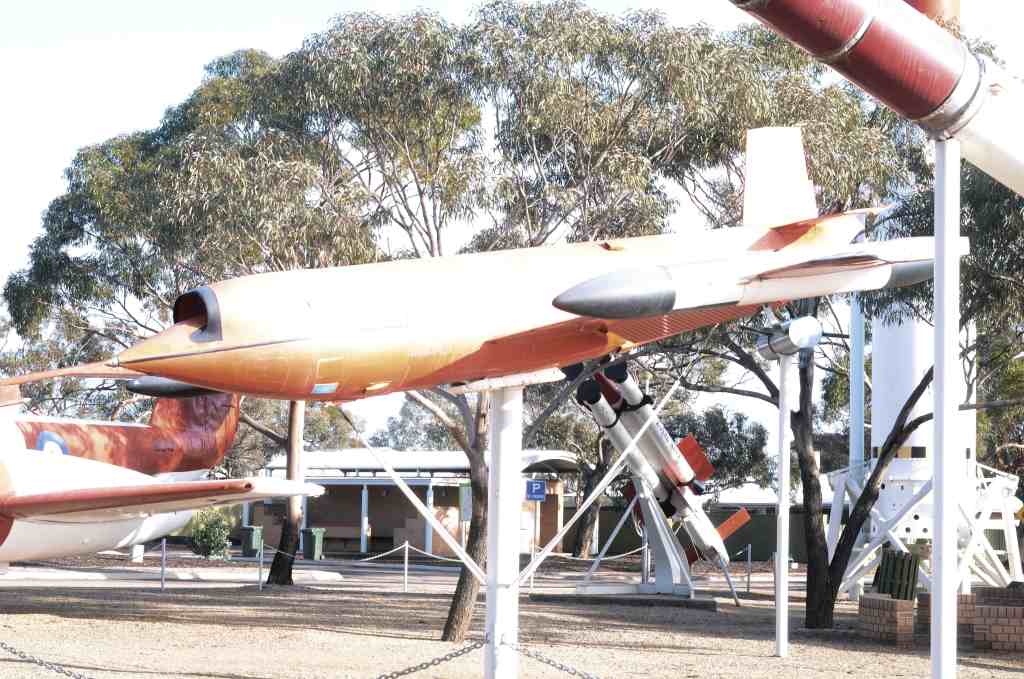
Woomera II and the Final Leg of our Journey

In the cool crisp morning, sun shining lemon yellow rays but not much warmth, we strolled around the Woomera Rocket Museum. Rockets of all shapes and configurations stood in the open-air, testimony of what once was. This RAAF Base and village was once a lively town in the 1950’s and 60’s, as an Anglo-Australian Cold War defence project. On this day Saturday July 20, 2013, the place seemed a mere shell of its former self, a cemetery of what once was, rockets rising like giant tombstones to the sky.

We meandered around the rockets, reading signs, eulogies from the past when threats from enemy nations was imminent. I was reminded of older friends telling me of a time when they practised drills of hiding under their school desk in the event of enemy attack.

*[Photo 1: Monument, A Rocket at Woomera © L.M. Kling 2013]

My mother recalled when on February 19, 1942, Darwin was bombed. She was a girl in Hermannsburg at the time and whenever a plane flew over, the Aranda women would wail, fearing disaster.

*[Photo 2: Twists and turns © L.M. Kling 2013]

Now, Hermannsburg was a mission set up by German missionaries in 1877. Although, by the 1940’s the mission was fair dinkum Australian having existed in Australia for all that time, with the advent of World War II and the conflict with Germany, the name, being German, raised the suspicions of the Allies. Hence, Mum remembers British Officers* drove into Hermannsburg to check the place out. They had to make sure there were no German spies. My grandpa, Pastor Sam Gross and his wife (my grandma) hosted these officers and put on a lovely spread of lunch for them.

[Photo 3: The Hermannsburg welcome Spread © C.D. Trudinger circa 1955]

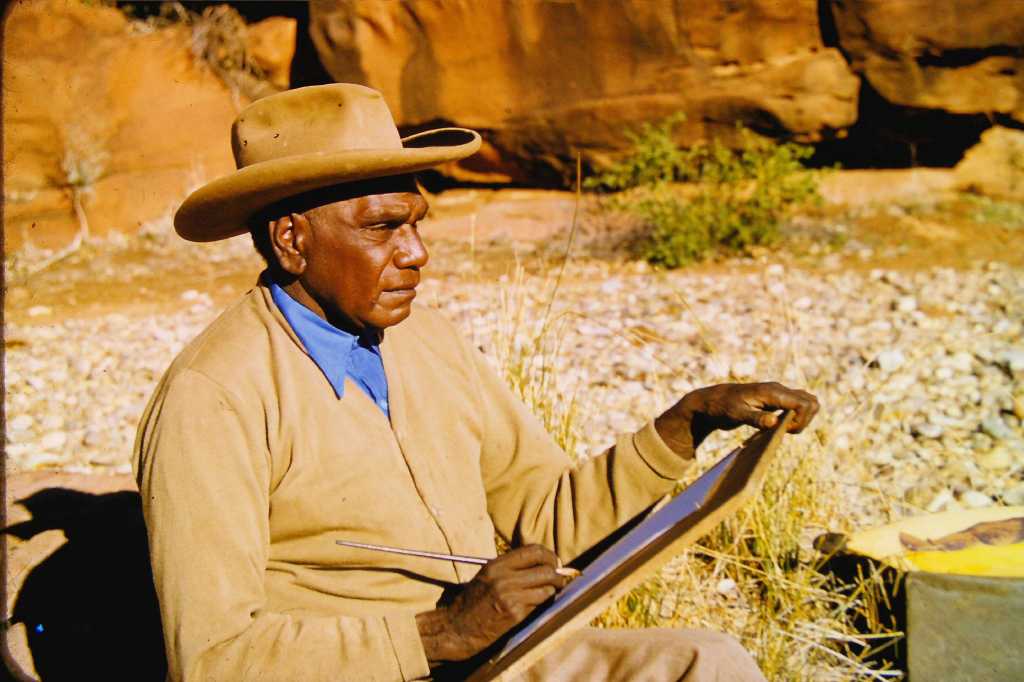
After investigating any mitigating threats, the British Officers* drove away in their propeller plane satisfied that Hermannsburg was no threat. Never-the-less, they confiscated the one and only link to civilisation, the community pedal radio. Just in case they really were spies, I guess. Further, to make sure that no threat to the allies arose from this humble mission, they sent Rex Batterbee, a world War I veteran, to oversee the mission in the role of “protector of the aborigines”. As he had visited and then lived in Central Australia since the mid-1930’s, Rex taught Albert Namatjira to paint watercolours and helped him launch his career as a renowned artist.
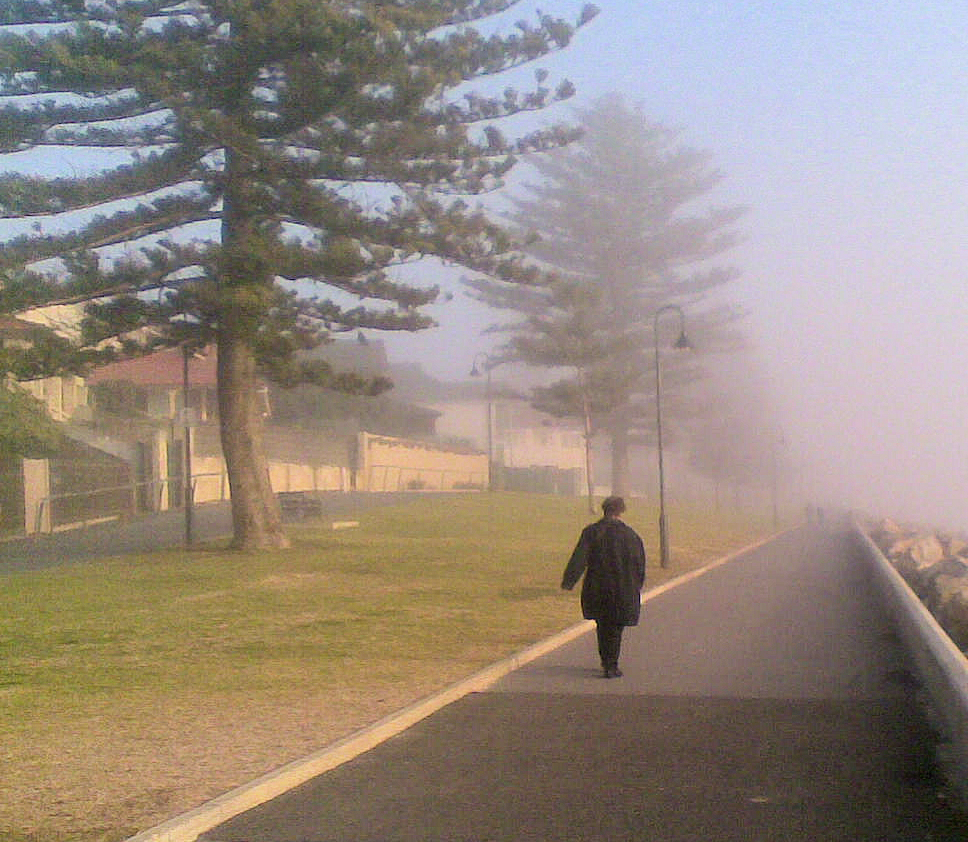
*[Photo 4: Albert Namatjira at work © S.O. Gross circa 1950]

Homeward Bound

Needless to say, in 2013, such threats of foreign enemies seemed in the distant past. But, being only 446 km from our home town, Adelaide, we were reluctant to linger amongst the rockets. Having packed, and checked out of our overnight accommodation, we were eager to start our journey home.

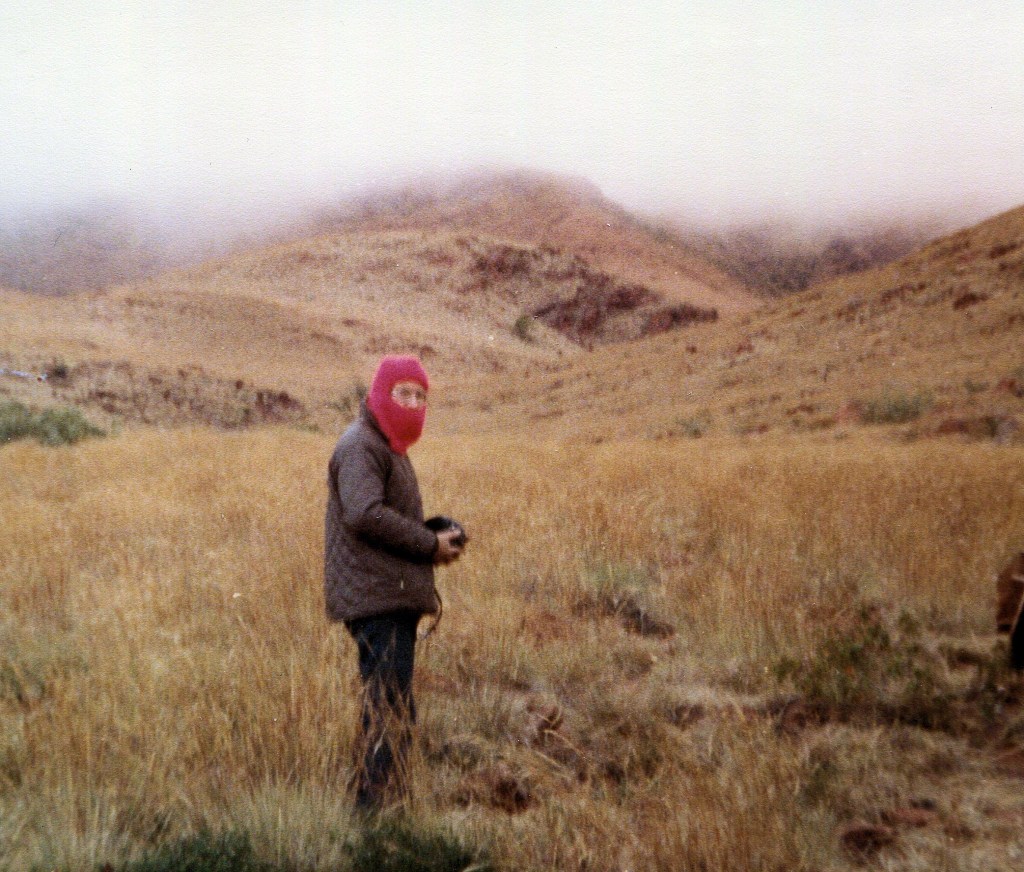
At a steady 90 km/h, we made progress down the highway that split the gibber plains in halves.

‘I bet the T-Team (my brother’s family) are home by now,’ I said. ‘No hanging around of taking time to look at any more places for them.’

‘Why don’t you ring them just to see where they’re at,’ my hubby said.

I texted my niece. The time was 10:30am.

“We are in Port Augusta,” she replied by text.

‘There’s no way we’ll catch up to them,’ I said, and then texted back, “Have a safe trip home.”

*[Photo 5: Off we go over the gibber plains © L.M. Kling 2013]

Clouds and rain descended on the land the further we drove south. By the time we reached Port Wakefield, the cold had seeped into the car. I put my parka on my legs to keep warm. Yet, for lunch Hubby insisted we eat alfresco in the rotunda at Port Wakefield. After all, despite his aversion to the cold, he needed to stretch his legs. Plus, it seemed no café existed in the town.

The rain and cold became more intense as we approached Adelaide. After driving through the grey, sodden streets, we arrived home, just as darkness fell at 5:30pm.

What disaster awaited us?

Hubby opened the door and we trod inside. Son 1 played a computer game on the PC in the dining/living annex. He ignored us. We tiptoed through the family room. Not too much mess and the carpet remained visible, and clean.

We found Son 2 all rugged up and cosy in his room playing World of Warcraft. He said, “Hello” and then asked for a coffee, then followed the conversation up with, “I’m hungry, what’s for tea?”

In the kitchen, as I prepared a drink, I noticed the dishes had been done and the cats fed. I thanked Son 1 for the effort. He took all the glory and remarked that his brother had done nothing.

The Aftermath

There’s always casualties that follow every holiday. And this one was no different. Two paintings which I had planned to exhibit in the upcoming Marion Art Group exhibition had gone AWOL. I’d like to think they were stolen…but I reckon they would be found in some odd place sometime in the future.

*[Painting: Dad’s resting place, Ormiston Gorge © L.M. Kling 2018]

Eleven years hence as I write this final chapter, I wonder what paintings they were.

Oh, and the other casualty, Hubby, who proudly exalted that he had taken thousands of photos of the Central Australian trip on his mobile phone, can no longer find where those photos went. It would seem those photos went AWOL too.

As for the T-Team, they actually arrived home after us, having spent a night at Port Germaine. They decided to treat themselves after roughing it for the past two weeks.

*[Photo 6: Port Germaine Jetty © L.M. Kling 2024]

***

Note: *My mum, Mrs. T checked this and questioned whether they were British. She thinks they were more likely to be Australian. However, I have read a letter written by these officers and the words they used made them sound British. When I find the letter, I will investigate the background of the visiting officers and plan to write a more detailed account of my grandparent’s experience.

© Lee-Anne Marie Kling 2024

Feature Photo: Woomera Open-air Museum in the morning © L.M. Kling 2013

***

Want more? More than before?

Take a virtual trip with the T-Team and their adventures in Central Australia.

Click below on…

The T-Team with Mr. B: Central Australian Safari 1977

Trekking With the T-Team: Central Australian Safari 1981…

To download your Amazon Kindle copy of the story…

And escape in time and space to the Centre of Australia.

T-Team @ Home–Glenelg

[Slowing down after Christmas/ New Year and feeling nostalgic, this time I meander down to my childhood stamping ground, Glenelg.]

My Old Stamping Ground

I grew up in Somerton Park which is about a ten-minute bike-ride from Glenelg. Even today, though I live in the Adelaide foothills, I go to Glenelg to shop, have coffee at the Broadway Cafe with Mum, and many times I drive through Glenelg on my way up north to Salisbury, or to the Barossa.

[Photo 1: View of Glenelg beach south © L.M. Kling 2018]

So, while tourists snap their memories of Glenelg frozen in time, for me images of my childhood and grown-up years remain fluid, layers in my head and marinated with the changes and experiences over the decades. Glenelg has changed; the land/seascape of my memories unrecognisable as the shops, the trams, the jetty and the coastline shift and develop. Although some places have changed, some have stayed the same.

*[Photo 2: Somerton Beach Catamarans © L.M. Kling nee Trudinger 1977]

Gone: The Gift Store

At the tender age of one-year-old, I committed my first (and only) criminal offense at this shop; a five-finger discount of a face-washer. Mum caught me in time, and blushing, returned the stolen item, replacing it on the shelf before anyone noticed.

The gift store, a favourite of mine, provided birthday presents for me to buy for friends and knick-knacks with my pocket money.

*[Photo 3: Sea Mist near Glenelg © L.M. Kling 2012]

Gone: The Historic Cinemas

One with its red carpet, sweeping staircase and chandeliers. It’s a Woolworths complex now. Many happy moments with family and friends watching movies, eating popcorn and occasionally rolling Jaffa’s down the carpeted aisle.

The other, halfway down Jetty Road towards the sea, disappeared in the 1980’s. I remember watching the film Heidi there, and before the movie started, the pre-film entertainer conducted a singing competition. My friend won first prize.

That cinema space became a mini shopping mall which, as a university student, I mopped every Saturday morning for $12. Today, a restaurant resides in that space.

After several years bereft of cinematic entertainment, a new cinema complex has been built off Partridge Street.

Gone: Tom the Cheaper Grocer

While Mum shopped at Toms the Grocer on Mosely Square, my brother and I hung out near the sea wall by the jetty. I loved winter when the waves crashed against the wall. Toms was sold off decades ago and today the old building houses cafés and restaurants.

*[Photo 4 & 5:  Waves crashing near Broadway Cafe © L.M. Kling 2018]

Gone: Charlies Café

At three, I crawled under the table at Charlies Café and my auntie uninvited me to her wedding reception.

When sixteen, we dined at Charlies as a youth group. The guy I was dating didn’t show. After the supper, near tears from being stood up, I waited with my friends for this guy to arrive and drive us home. There were not enough cars amongst the group to drive us all. In a flash, this guy appeared in his silver car. He glanced at us and then kept on driving down Jetty Road.

My brother had to make two trips to carry us all safely home.

Charlies is long gone. So’s that guy. I dropped him.

***

Here today Despite Time and Changes

As my friend from Youth Group was fond of saying, ‘Thank God somethings stay the same.’

*[Photo 6: View from the Broadway Café; a favourite haunt for my mum and me. © L.M. Kling 2018]

Still There: Glenelg Jetty

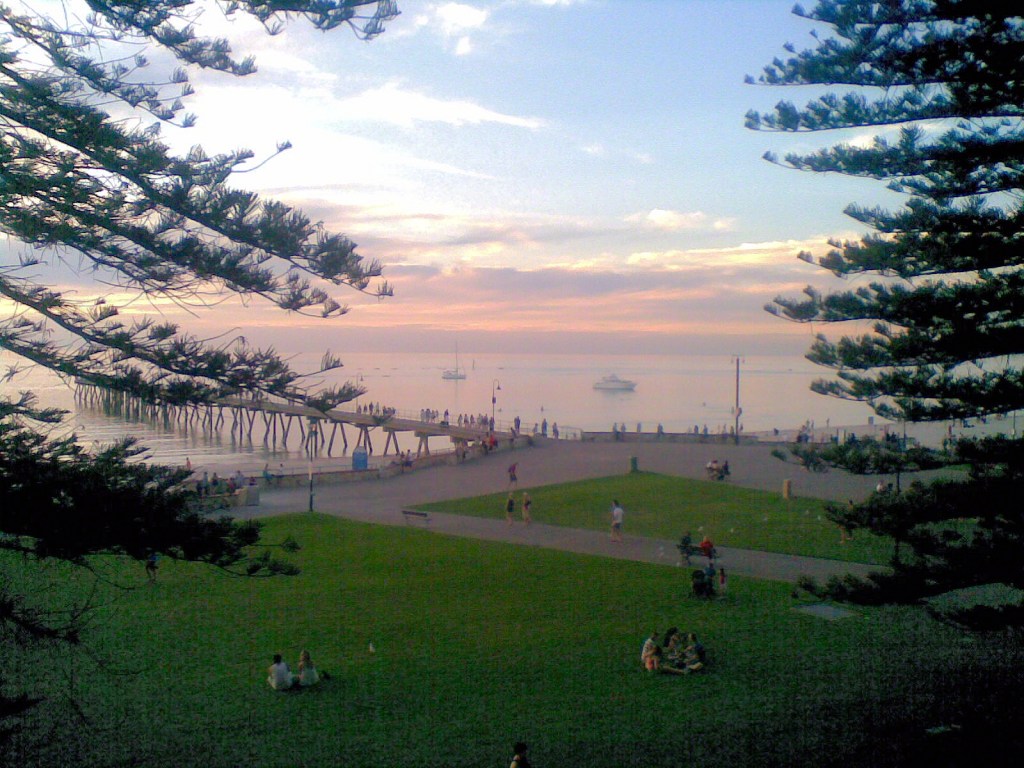
At least an updated and cemented version from one of many over the years of storms that regularly destroy the jetty. Each time the jetty is damaged by a “storm of the century”, it’s repaired or another one is built to maintain that steady icon that makes Glenelg.

*[Photo 7:  Jetty Boys © M.E. Trudinger circa 1958]
*[Photo 8: From the Jetty to the Hills © L.M. Kling 2011]

Still There: Moseley Square

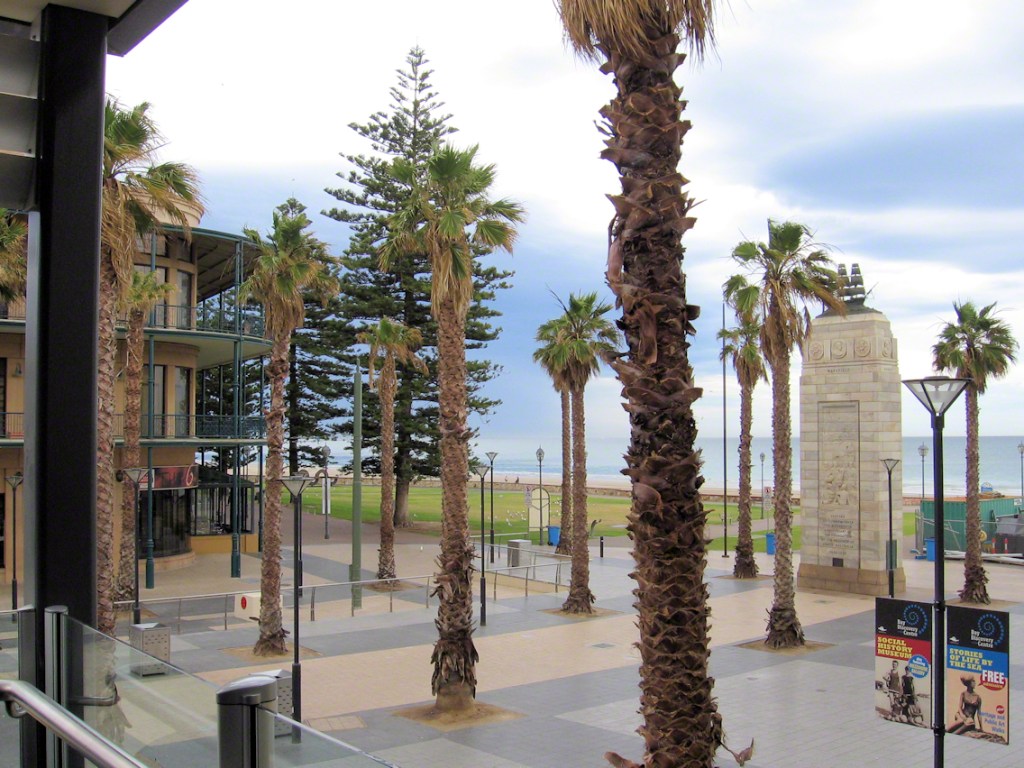
Tarted up over the decades, today with tall palms and water-features. The shops, cafés and restaurants that line jetty road leading up to Moseley Square, though they change, they are still there and most importantly for the tourists, are open Sundays and public holidays.

*[Photo 9: Moseley Square © L.M. Kling 2006]
[Photo 10: Sunset over Moseley Square © L.M. Kling 2010]

Still There: Some Sort of Amusement Park

That’s why we go to Glenelg, right? A famous dating place or hang-out for youth. In my teenage years, I followed my date around the games arcade as he sampled all the pinball machines. Yawn!

A friend sourced the sideshow for lovers and got herself into “trouble”.

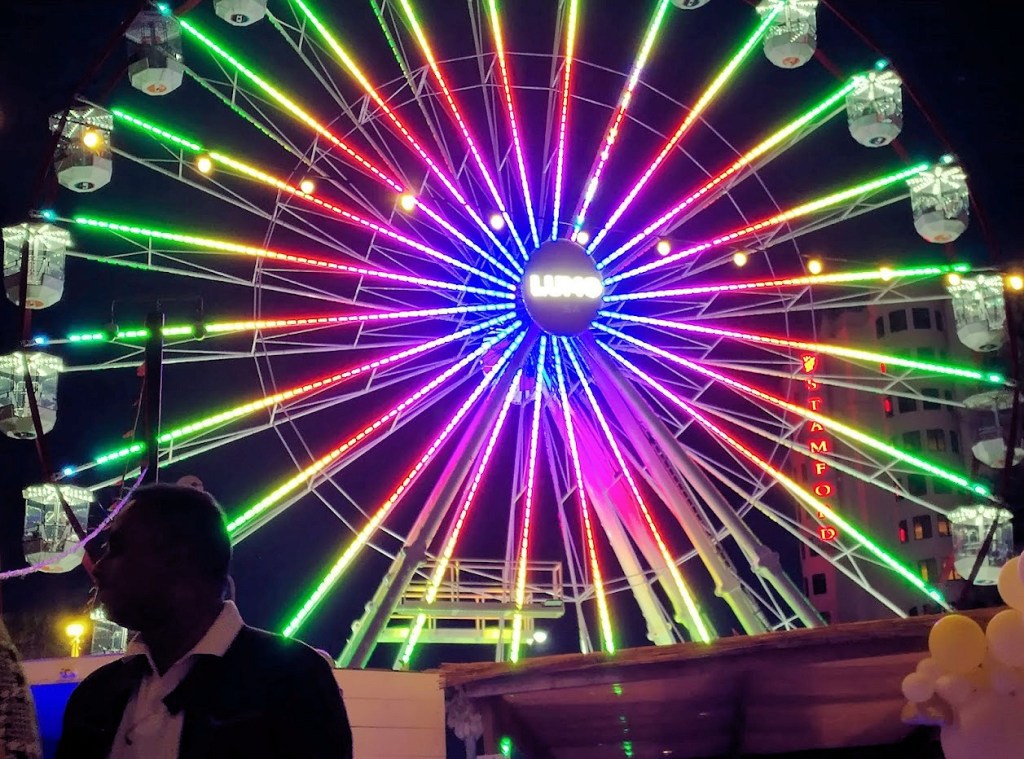
Memories of parking in the carpark in the early morning under the inert Ferris Wheel, and furtive romantic moments before the inevitable knock on the window by the local policeman.

Over the years, the sideshow alley vanished, but still near the carpark at the end of Anzac Highway, the Ferris Wheel sat idle, a skeleton of its light-garnished self. Then this carpark turned into a round-about, high-rise apartments grew along the foreshore, and the sideshow morphed into a massive brown lump called “The Magic Mountain”.

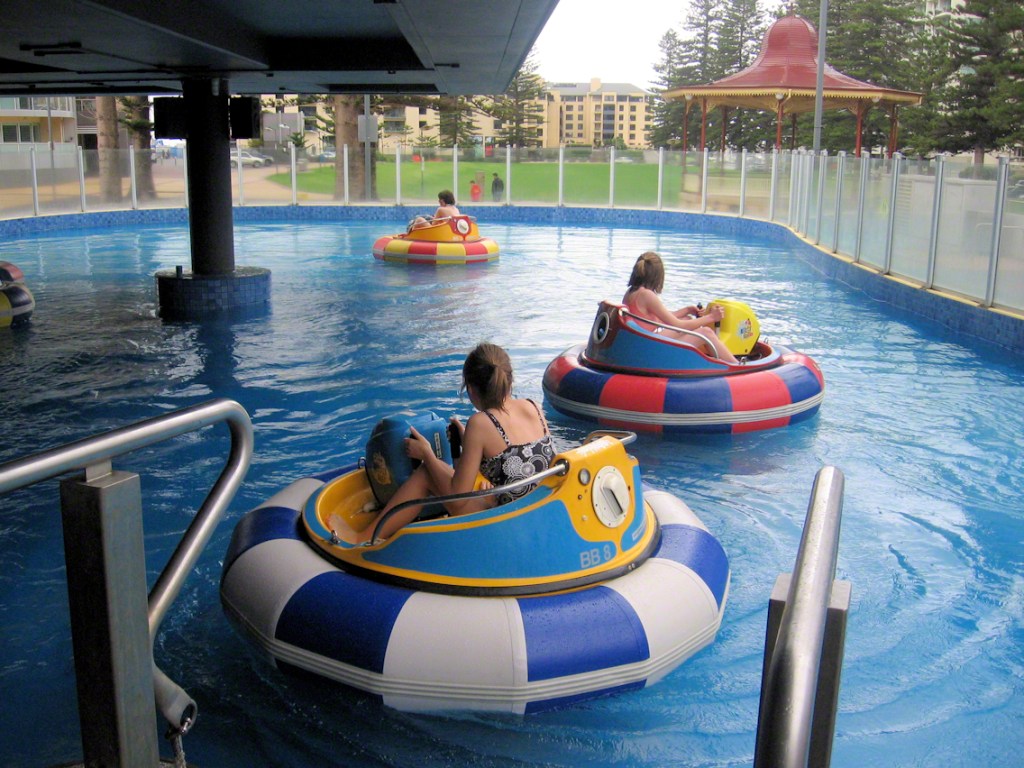
My sons enjoyed birthday parties in this mountain’s cave, chasing Pokemon, bumping in floating boats, and slipping down the waterslide.

Then the “Magic Mountain” went off, replaced by “The Beach house”. Same amusements as before without the “magic” of the mountain. The Ferris Wheel now sits in front of “The Beach house”.

*[Photo 11: Boat Bumping at Beach House © Lee-Anne Marie Kling 2010]

Nearby, high-rise apartments have grown alongside the marina and with them, a delicious array of cafes and restaurants to feed the foreshore wanderer.

*[Photo 12: Marina in the moonlight © L.M. Kling 2017]
*[Photo 13: Now the ferris wheel has moved, centre stage in Moseley Square © L.M. Kling 2021]

Still there: The Beach

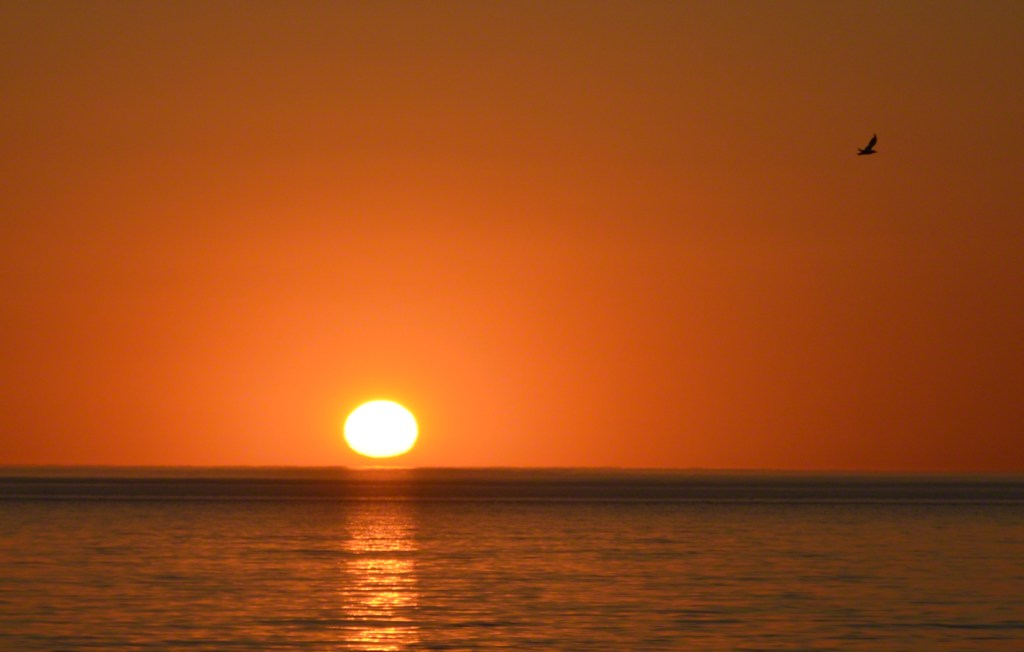
Ever faithful, ever beautiful, the setting to summers filled with family teas by the beach on the lawns, fish ‘n chips with soft drink or cheese and gherkin sandwiches with cordial. Grandparents busy themselves with crossword puzzles while Mums and Dads swim in the waves with kids by the jetty. Then after, while sitting and licking an ice-cream, families watch the sun bulge bright orange as it sinks below the horizon of sea, overhead in the cloudless sky, a plane from Perth streaks a jet-stream, and on the water, there’s a sailboat, swimmers and paddle-boarders.

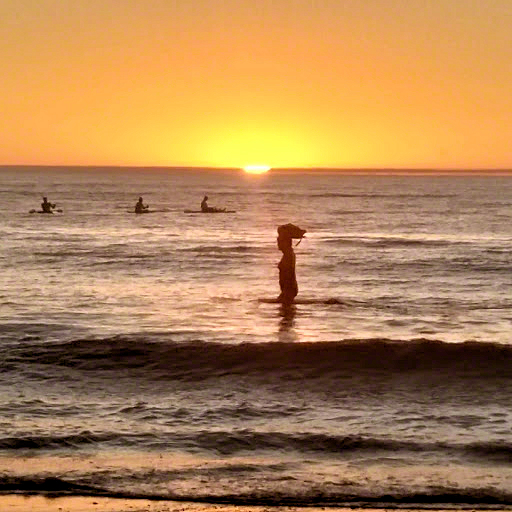
[Photo 14: Watching paddle-boarders © L.M. Kling 2018]
[Photo 15: Foreshore fun © L.M. Kling 2008]
[Photo 16: Kitsch Sunset with seagull © L.M. Kling 2018]


And people, who walk the boardwalk, play on the sand, and frolic in the water, on a balmy summer’s evening, beam with smiles on their faces. This is the constant memory, through the decades of changes, this is the memory that stays with me of Glenelg.

*[Photo 17: Sunset contemplation of Mr K © L.M. Kling 2018]

© Lee-Anne Marie Kling 2017; updated 2019; 2020; 2024

*Feature Photo: Sunset at Glenelg © L.M. Kling 2019

***

Dreaming of Adventure?

Read more of the adventures of the T-Team in my memoir, The T-Team with Mr. B: Central Australian Safari 1977 and Trekking With the T-Team: Central Australian Safari 1981 available on Amazon and Kindle. Check them out, click on the links below:

The T-Team with Mr. B: Central Australian Safari 1977

Trekking With the T-Team: Central Australian Safari 1981

Frolicking Friday–Fantastic Fleurieu

Our Mother’s Day Secret

 [May’s our horror party month. We endure enjoy several family birthdays plus Mother’s Day. The last few days I have been stressing because the chosen restaurant for a special “0” birthday, seemed to be dragging their proverbial heels in getting back to us confirming if we could be seated there. Actually, I had used a tried and, so I discovered, not so true that uses the symbol of a familiar table implement, and they had been the one’s inconveniently delaying the response. So, I contacted the restaurant directly by email and received confirmation in the positive of our booking the next morning. Big sigh of relief!

Anyway, this trial reminded me of the recently celebrated Mother’s Day and one that happened and that I shared a few years ago. I will share some of our celebrations and scenery from May/June parties past and present.]

FROM KUITPO TO MEADOWS

Everyone, and I mean everyone in Adelaide must celebrate Mother’s Day. And everyone and their mother go out—eat out, picnic out, filling the parks, beaches, hills and car parks. The whole city—and their mothers, jump on the bandwagon of “mother-worship”, the restaurants filled to capacity, and unless you book months in advance, you won’t get a table for you and your mother.

[Photo 1: A pancake party at Le Paris Plage © L.M. Kling 2023]

My mother doesn’t like crowds, and our family struggle to organise themselves a few weeks in advance, let alone months. So, with that in mind, my mother has designated the Sunday after Mother’s Day, as her day.

On that Sunday, a week after all the mother-fuss was over, or so we thought, my family and Mum set off for Kuitpo forest (about forty kilometres south-east of Adelaide CBD). After a week of rain which began the previous Sunday, we were treated with the sun shining, no clouds and a clement twenty-two degrees Celsius. Perfect for sitting around a small wood fire and barbeque. Just what Mum and I wanted for our “Mother’s Day”.

[Photo 2: A different type of Party. Rogaining Second Valley, Fleurieu Peninsula © L.M. Kling 2012]

We piled into Mum’s station wagon and cruised down past Clarendon taking the road to Meadows.

‘What happened to the others?’ my older son asked.

‘They couldn’t make it. They had other things on,’ I said. I guess there’s always a cost to changing “Mother’s Day” to suit ourselves as mothers.

After my faulty human navigation skills led us astray as we turned down a road too early, we turned and we trundled back to the Meadows Road. There we sailed to the next turn off, this one sign-posted, white letters on brown, to Kuitpo. I apologised for leading us astray while my husband reminded me he knew the way.

Within ten minutes, we rolled into Chookarloo Camping ground. We’d picnicked here for our designated “Mother’s Day” a few years earlier and had found a clearing for a wood-fire with ease. I remembered a happy, though cloudy day, cold, but the company of family warm. The kids collected a stick insect and I took photos.

[Photo 3: Weber party © L.M. Kling 2007]

The sign at the entrance, though, warned of change. I read it and exclaimed, ‘Oh, we can only have fires in designated fire-rings.’

‘And where are these rings?’ Hubby asked.

‘Around,’ I said. ‘We have to drive around.’

We circled the camp grounds twice. Every clearing furnished with a fire-ring was filled with jolly campers and families munching on their chops and sausages. Cars guarded the cement rings where the occupants had finished lunch and gone on a hike.

[Photo 4: K-Team party, Kuitpo © L.M. Kling 2017]

We crawled past a clearing surrounded by a ring of trees but no fireplace.

‘If only I’d packed the portable barbeque,’ Hubby said.

‘Let’s go to the bakery at Meadows,’ I said.

‘Why not?’ Mum said.

‘What a shame they’ve spoilt Kuitpo with these rules,’ my younger son said.

‘It’s not the same, anymore,’ my older son said.

‘They have the rules because of the fire in Kuitpo a couple of years ago. They’re making sure it doesn’t happen again,’ I explained.

‘Stop complaining, Lee-Anne,’ my husband raised his voice, ‘the rules say you can’t have a fire.’

‘That’s what I was explaining, the National Park are making sure we don’t have another fire. The last one was pretty bad.’

My sons grumbled.

‘We had all this rain.’

‘How’s there going to be a bushfire?’

‘Let’s go to the bakery at Meadows,’ Mum said. ‘Anyway, it’s been a nice drive.’

Hubby shook his head and then exited the Chookarloo Camping ground.

[Photo 5: Braizier Party © L.M. Kling 2015]

We trekked off to Meadows, parked in the main street and trooped into the bakery. The aroma of fresh baked bread and brewed coffee greeted us. So did a variety of empty tables and chairs in the wide porch area with wall-to-wall views through the glass of the Meadows country-side. We settled down at a long table and basked in the sun shining through the windows.

As we supped on our pies and sausage rolls and sipped our cappuccinos, my younger son gazed out at the majestic gum trees, green hills and people with smiles walking up and down the street.

‘I like it here,’ younger son said. ‘It’s peaceful.’

After a pleasant family time, we wound our way back home. More than once, each of us in the car commented on the stunning scenic drive to and from Meadows: the golden sun glinting through the autumnal leaves of the deciduous trees that line the road, the gnarled eucalypt tress, the cows nibbling on grass in the paddocks and horses grazing in the field. We stopped for my older son to photograph the view of the rolling hills to the sea.

[Photo 6 and Feature: View over Fluerieu and beyond © L.M. Kling 2011]

At home, I fired up the brazier. The crowds had commandeered all the fire-rings at Kuitpo, but they couldn’t touch my brazier in my back yard. Let me tell you, we have a country-feel in our back yard. The neighbours’ two huge gum trees with wide girth shade our lawn, parrots congregate and chatter in the branches of those trees, and we even have the occasional koala visit.

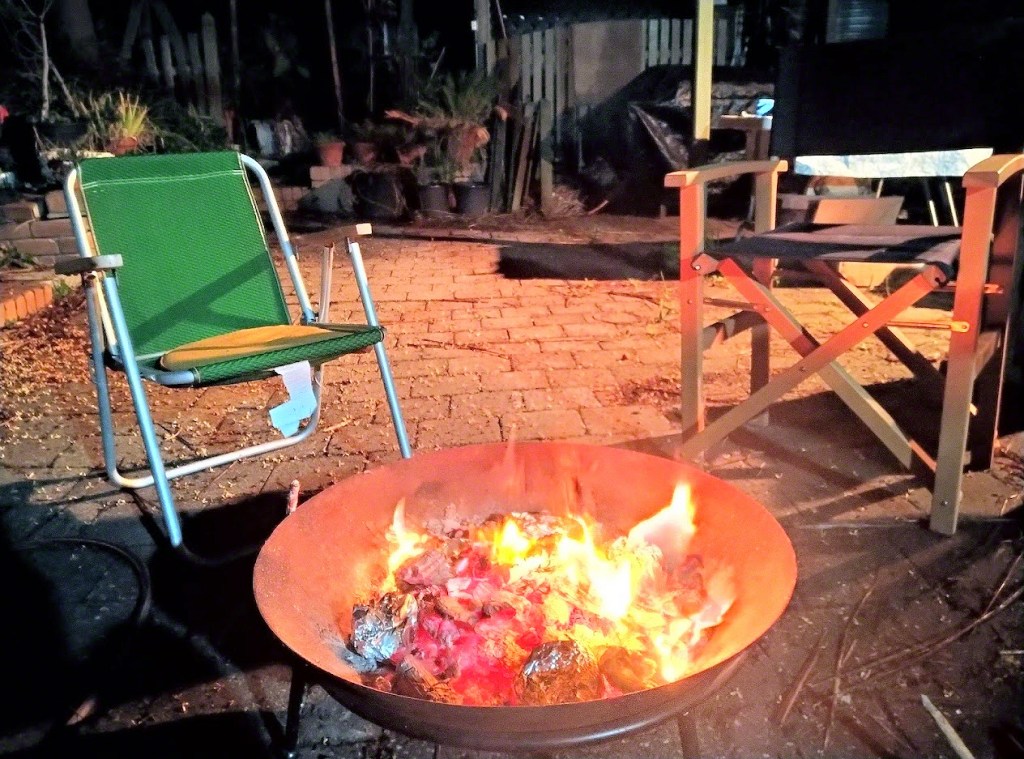
My husband cooked the chops and sausages that had been assigned for our lunch in Kuitpo. We had the meat for tea instead. As a family, we sat around the brazier fire and enjoyed a simple barbeque, with a glass of wine. Family stories and adventures were shared into the night.

A perfect end to a perfect day, even though, perhaps as a result of the rule-change at Kuitpo. The secret? We actually talked with each other and listened to each other’s stories.

[Photo 7: Party around the home fire pit © L.M. Kling 2022]

‘Thank you for a lovely day,’ Mum said, ‘and I mean it. Because going for a drive in the hills, sitting around at the café and then the brazier fire, I got time to spend with my daughter, son-in-law and my grandsons. That’s what I wanted to do.’

© Lee-Anne Marie Kling 2016; updated 2023

Photo: Willunga Hills near Meadows © Lee-Anne Marie Kling 2011

***

Longing for more travel adventures?

Dreaming of exploring Australia?

Read the T-Team’s Aussie adventures, click on the link below:

Trekking the T-Team: Central Australian Safari 1981

Story Behind the Art–Cockling at Goolwa

Cockling at Goolwa

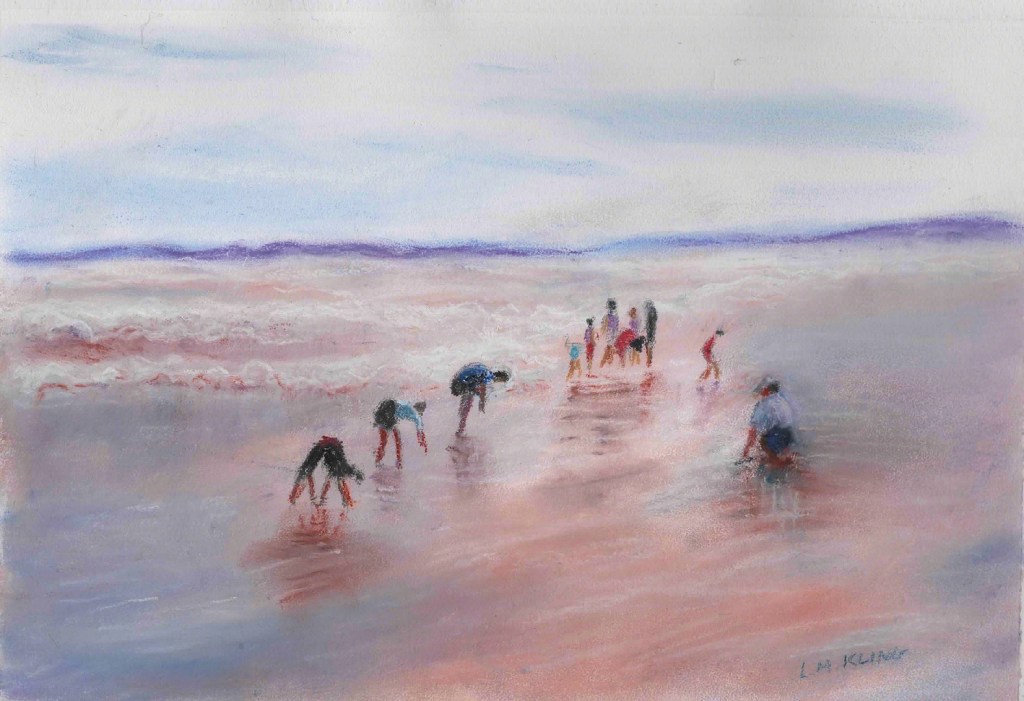
A picture, they say, tells a thousand words. So, what is Cockling at Goolwa’s story? How can the simple heel-toe dance of “cocklers” (people who dig for cockle shells), their feet sinking in soggy sand of the in-coming tide, in the flux of early summer warmth, on a remote beach south of Adelaide tell us? What story worth a thousand words? What was it about this scene that attracted me to capture it? First in photo and then several years later, on canvas in acrylic, and recently in pastel.

*[Photo 1: Cockling at Goolwa © L.M. Kling 2002]

I think the water reflecting the sky, all silver, the people on the wet sand, a mirror, swaying and twisting for cockles captured my attention. I’d been there, on the glassy surface, watching for bubbles, grinding my heel into the bog, feeling for the sharp edges of shell and plucking out the cockles that snapped shut when exposed to air.

*[Photo 2: Dad Digging for the cockle © L.M. Kling 2002]

I was there, but then I watched. Mothers, fathers, and children lost in the moment of twisting and hunting and collecting cockles.

*[Photo 3: Lost in the moment © L.M. Kling 2002]

‘What will you do with all those cockles?’ I asked.

‘They’re for fishing,’ one of our friends said. ‘Bait for fish.’

‘Hopefully, we’ll catch a few fish and have them for dinner tonight,’ another said.

I imagined fish, fresh from the sea, thrown on the barbeque and the cockle bait inside them buried once again in our stomachs. We continued digging for cockles…family and friends, one with the ancient, outside time—nothing else matters but the cockles.

*[Photo 4: Goolwa beach Lost in time © L.M. Kling 2002

]

Goolwa, if I remember, has mounds of spent shells in the sand hills, monuments to generations upon generations of Indigenous Australians, their open-air kitchens and meals. Did they perform the same ritual, on the same patch of wet sand, delving for cockles to fry on their fires? A quick perusal of Google reveals they used nets to collect cockles and catch fish. They then cooked the cockles on a campfire.

*[Photo 5: Goolwa beach sunset © L.M. Kling 2002]

We are here, they are gone, but their spirit of history lingers, reminding us, though we seem different, we are the same. We are digging, dancing and delving for our dinner. We are still, in the moment, alone in our thoughts in a forgotten corner of the world, unknown by the world, yet one with this country’s past. And God knows each one of us—each part of us, even the unknown parts of ourselves and our secrets.

*[Photo 6: Divine painting of sky and sea © L.M. Kling 2002]

What if I shared a little secret—an artist’s secret? Okay, I’ll tell you. I painted this picture in less than two hours. Now, that I’ve told you, would the painting be worth less to you? Must time be equated with worth? Sometimes I do take hours upon hours, layers upon layers, and more hours planning to get the work right. But not Cockling at Goolwa.

*[Photo 7: The natural child © L.M. Kling 2002]

I love the beginning of a painting; laying the foundation, engaging my inner-natural child, the paint flowing from a thick brush on a damp canvas, colours blending, mixing as I go. One side of the brush crimson, the other blue and a dab of white. Sienna somewhere there in the foreground shadowing the sand. Mid-yellow added incrementally to shroud the distance in light grey for perspective. Then just a hint of heads of land jutting out halfway across the horizon with a suggestion of ultramarine in the grey. So simple, and sometimes, like with Cockling at Goolwa, the scene emerged before my eyes. In the world of artists, I believe the term “magic brush” or “magic hand” has been used. Um, trade secret, so don’t go spreading it around.

So, there you have it, in less than an hour, surf, sand, sky and tones in all the right places.

*[Photo 8: Boogie-board Surfing at Goolwa beach © L.M. Kling 2002]

Now for the people, the twisting, turning people, their feet in the boggy sand. How do I paint them? I had a break and drank a cup of tea. I remember not all the children hunted for cockles. Some kids body-surfed in the shallows, some played cricket and one little boy with a wish to be hunted, or to be warm, buried all his body except his head in the sand. I found him and he broke out of his sand-grave, the sand zombie.

*[Photo 9: Sand-zombie © L.M. Kling 2002]

‘Don’t go tracking your sandy footprints into the shack,’ I said.

He washed himself off in the surf, then sat wrapped in a towel and shivering in the sun while watching the cockle hunt.

All the while the “cocklers” cockled for cockle shells. Soon the boy joined the hunt for cockles.

Then when the paint was dry, I plotted the people in with pencil and then painted them in with a finer brush.

‘I like that painting,’ a fellow member of the art group said. ‘Don’t do another thing to it. Don’t even frame it. I’ll buy it as it is. How much do you want for it?’

Paint barely dry, I took the work home, signed it and then the next week at our Christmas lunch, I delivered Cockling at Goolwa to them. The buyer showed the work to others at their table and all admired it.

[Photo 10: Watching the cocklers © L.M. Kling 2002]
 

What made another person connect with Cockling at Goolwa? For this person, their son and family spent many summer holidays at Goolwa, doing just that, cockling. Time out, out of time, unwinding, relaxing, happy times, happy memories, captured on canvas…in less than two hours. And I must admit, the story is slightly less than one thousand words.

But, perhaps as you look at the copy of Cockling at Goolwa, you may have a story of your own about the painting. Maybe a painting’s story is not just one person’s story, but stories from many people, one thousand words, or more…

© Lee-Anne Marie Kling 2016; updated 2019; updated 2022

*Feature Painting: Cockling at Goolwa in Pastel © L.M. Kling 2022

***

Longing for more travel adventures?

Dreaming of exploring Australia?

Read the T-Team’s Aussie adventures, click on the link below:

Trekking the T-Team: Central Australian Safari 1981

Monday Meanderings–Happy Valley Reservoir

A Perfect Day for a Meander

This day being a public holiday in South Australia, hubby and I took a meander around the Happy Valley Reservoir. This Reservoir has been open since last December and this is the first time we’ve entered this reserve.

Before December 2021, the reservoir was closed to the public to keep the water supply clean. However, I gather that water purification technology has advanced enough to allow the public to enjoy the ambient nature of this now recreational park.

Below are some moments captured in time from our Monday Meandering around the reservoir.

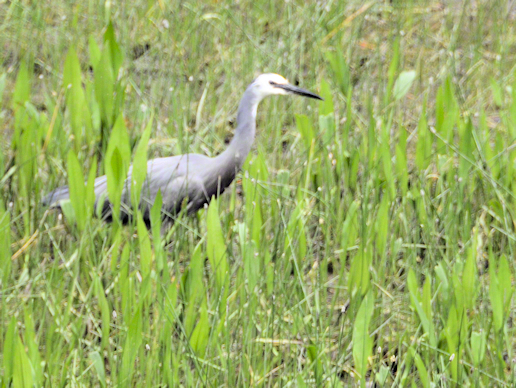
Photo 1: A white-faced heron greeted us. © L.M. Kling 2022
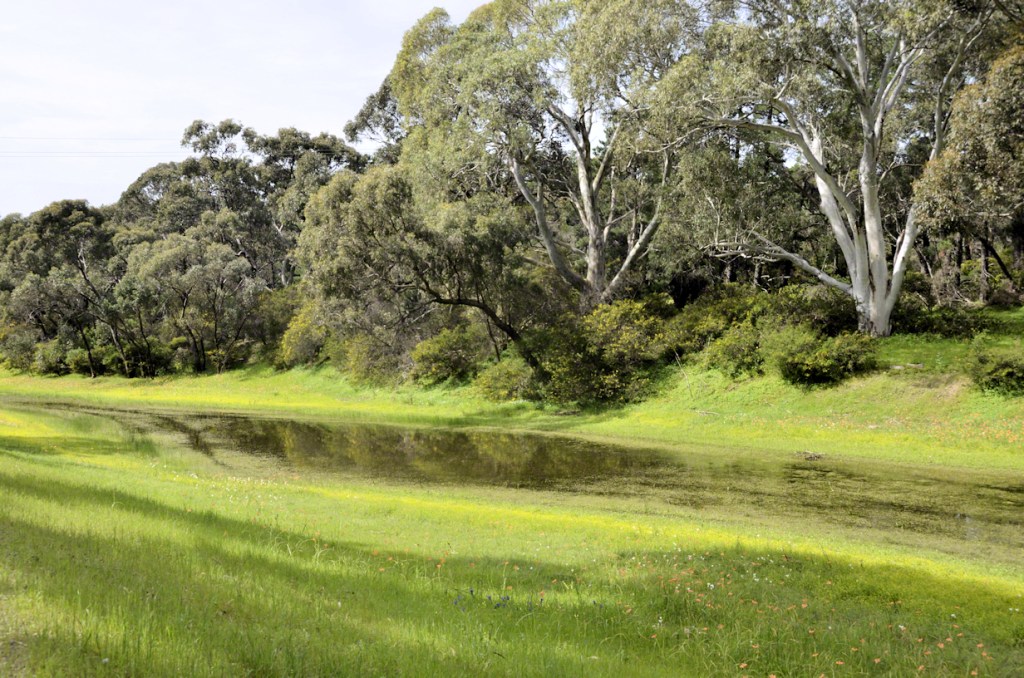
Photo 2: Water rushing from the Field River© L.M. Kling 2022
Photo 3: Reflections in the field © L.M. Kling 2022
Photo 4: Flowers abundant© L.M. Kling 2022
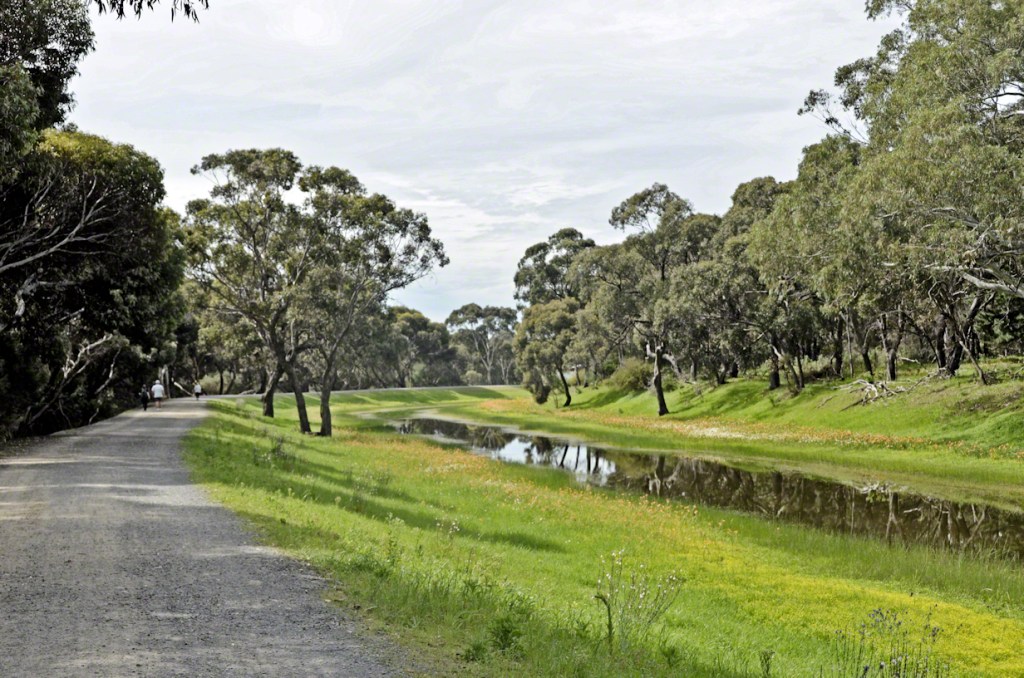
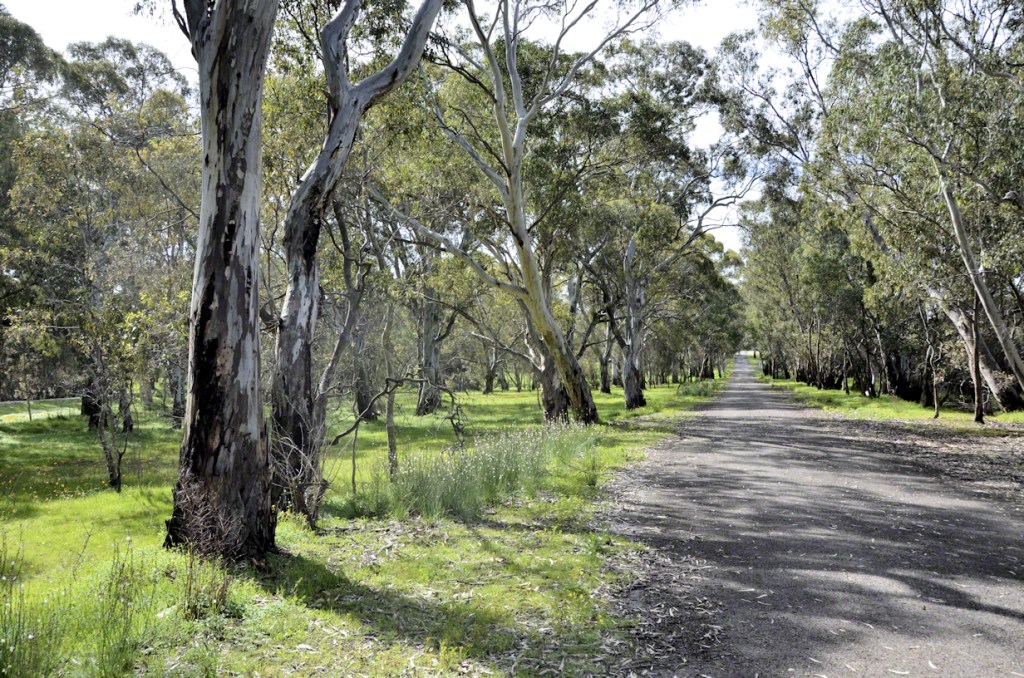
Photo 5: Road most travelled© L.M. Kling 2022
Photo 6: Path to Woodland© L.M. Kling 2022
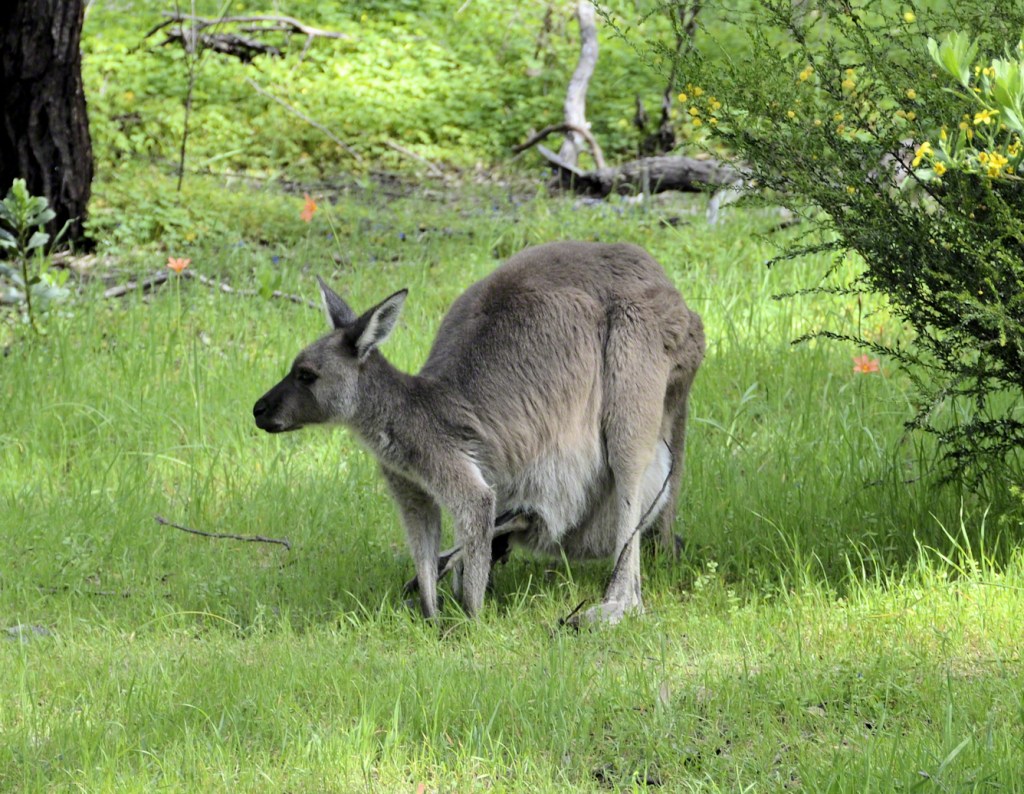
Photo 7: Mama Roo© L.M. Kling 2022
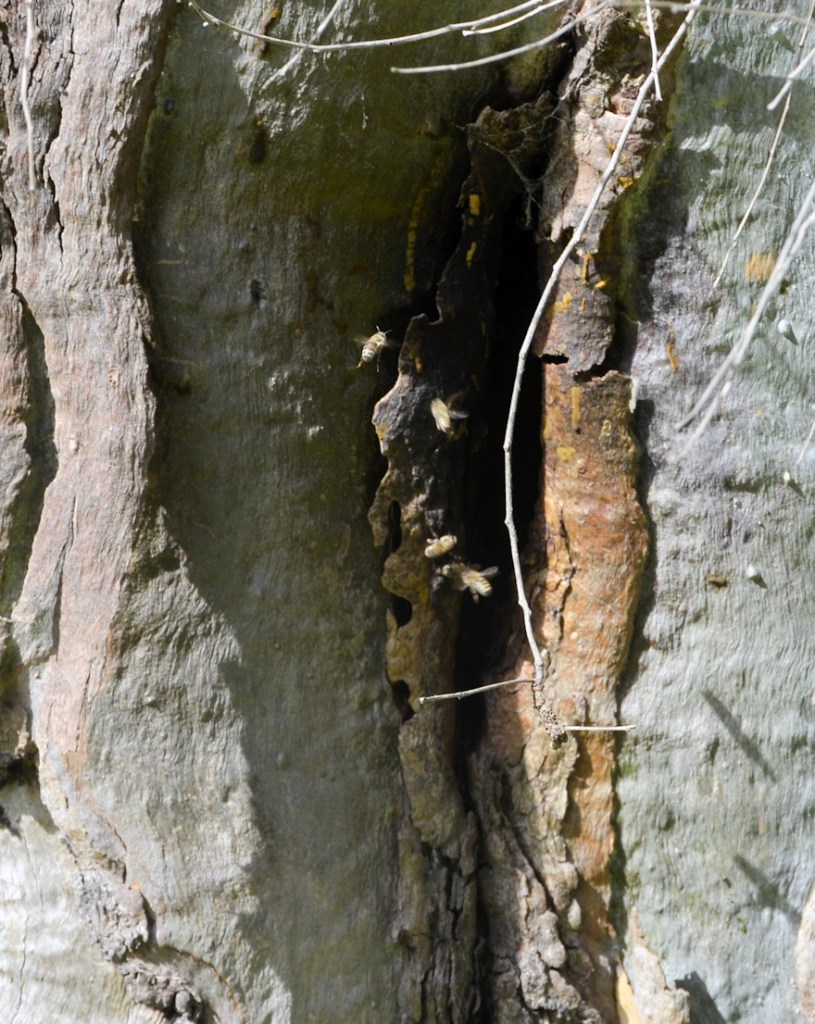
Photo 8: Beehive in tree© L.M. Kling 2022
Photo 9: Trespassers will be prosecuted © L.M. Kling 2022
Photo 10: Are we there yet? © L.M. Kling 2022
Photo 11: Kookaburra © L.M. Kling 2022
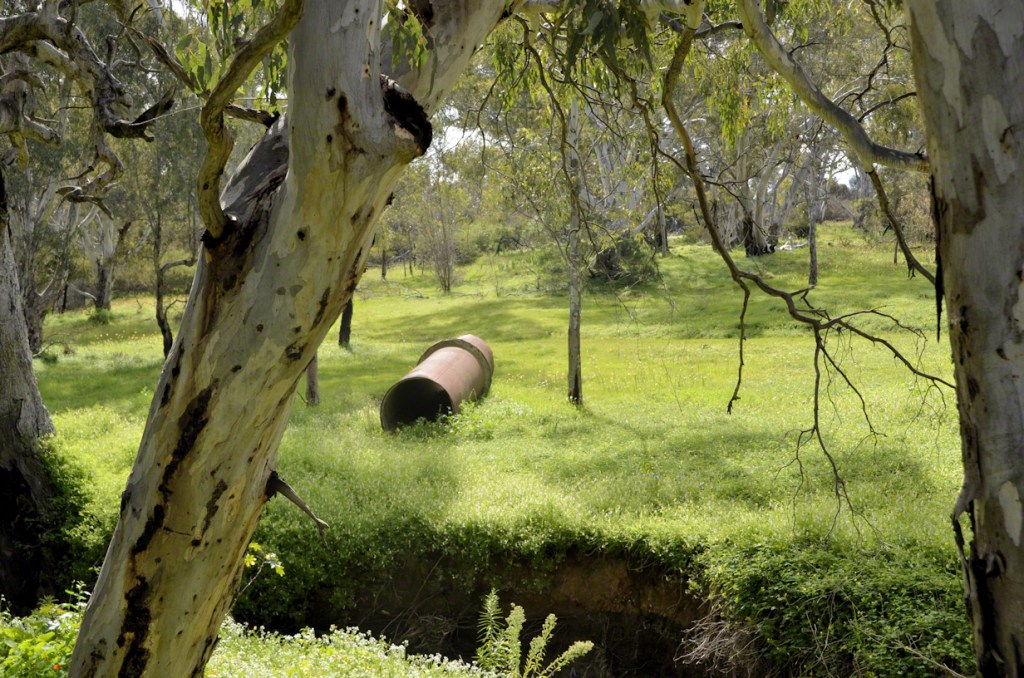
Photo 12: Pipe from the past© L.M. Kling 2022
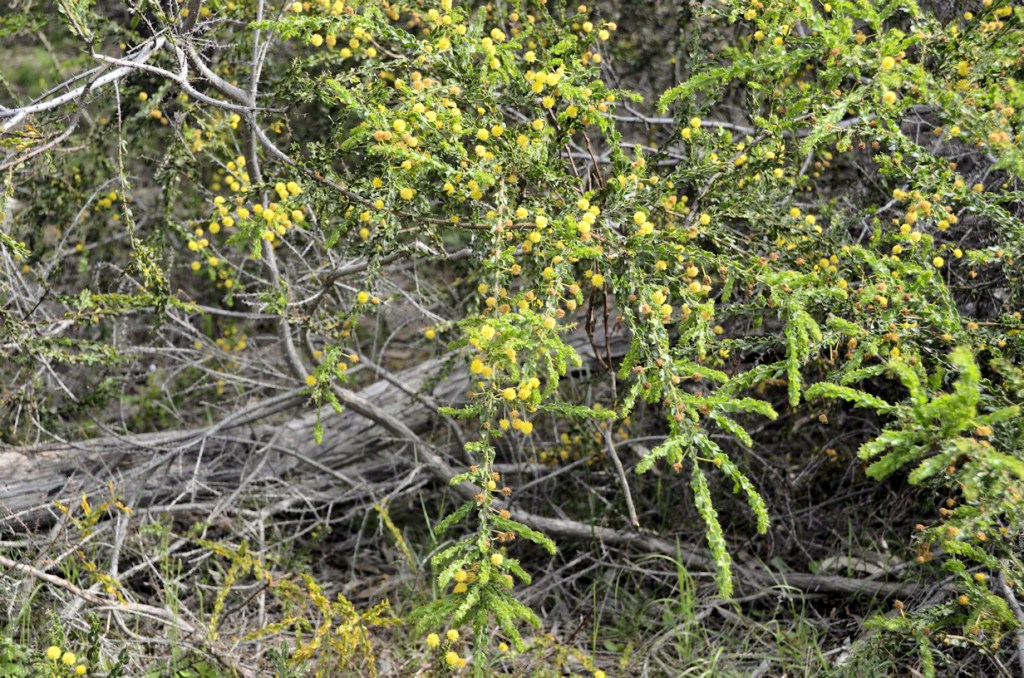
Photo 13: This here is a wattle…© L.M. Kling 2022
Photo 14: This here is an anthill…© L.M. Kling 2022
Photo 15: So close, yet so far…© L.M. Kling 2022
Photo 16: Spot the kangaroo © L.M. Kling 2022
Photo 16a: Feeding time © L.M. Kling 2022
Photo 17: Bright Bloom © L.M. Kling 2022
Photo 18: Home stretch © L.M. Kling 2022
Photo 19: Adelaide Hills Green parrot © L.M. Kling 2022
Photo 20: Mother duck said, “Quack, quack, quack” …© L.M. Kling 2022
Photo 21: Time for rest and recreation. © L.M. Kling 2022

© L.M. Kling 2022

Feature Photo: Happy Valley Reservoir © L.M. Kling 2022

***

Want more? More than before? More adventure? More Australia?

Check out my memoir of Central Australian adventure…

Available in Amazon and on Kindle.

Click on the link:

Trekking with the T-Team: Central Australian Safari 1981

T-Team Series–Mt. Woodroffe

[The last few months I have revisited The T-Team with Mr. B: Central Australian Safari 1977 which is a prequel to Trekking With the T-Team: Central Australian Safari 1981. In preparation for its release later this year, I will be sharing posts of this adventure.

In this episode, the T-Team with Mr. B scale the heights of the highest mountain in South Australia, Mt. Woodroffe. Even back in 1977, Mt. Woodroffe being on land owned by the Indigenous people, we needed permission and a guide. Don’t know what happened to the guide back then, but we had permission. The situation has changed in the 44 years since we climbed…more about that later.]

The Top of SA — Mt. Woodroffe

The sun climbed over the horizon, its rays touching the clouds in hues of red and Mount Woodroffe in pink.

*[Photo 1 and feature: Mt. Woodroffe, our goal © C.D. Trudinger 1981]

In the golden light, packs on our backs we filed up the gully. The narrow creek in the hill-face gave way to the slopes leading to the summit. With no defined track except for euro (small kangaroo) ruts, we picked our way through the spinifex. Rick carried his .22 rifle in the hope of game for dinner.

 ‘You’ve got to watch that spinifex,’ Dad said. ‘If you get pricked by it, the needle stays inside your body for years.’

‘Years?’ I asked. ‘What does it do there?’

‘It works its way through your body and eventually it comes out through your hands or feet or somewhere.’

‘Yuck!’

‘Ouch!’ Rick screamed. ‘The spinifex just stung me.’ My brother stopped and pulled up his trouser leg to inspect the damage and then muttered, ‘Next time I’m making shin-guards.’

‘I guess one should be careful when one answers the call of nature out here,’ Mr. B said.

Matt sniggered.

I gazed at the acres of spikey bushes and decided to resist the call of nature.

*[Photo 2: The sting of Spinifex © C.D. Trudinger 1981]

After about two hours of weaving our way through spinifex, climbing over rocks, scaling waves of ridges, we reached the summit.

We gathered around the cairn and surveyed the mountain range that spread like ripples of water in shades of mauve below us.

Dad pointed to the north. ‘Can you see? Ayers Rock, The Olgas and Mt Conner.’

*[Photo 3: View of the North from the summit © C.D. Trudinger 1981]

I studied the three odd-shaped purple monoliths popping up from the plain. After the strenuous hike to the top of South Australia, I gazed at the ranges resembling waves rising and falling in the sea of the desert was filled with euphoria.

 ‘Wow!’ I gushed. ‘Apart from spinifex, the climb was a walk in the park—a most worthwhile journey.’

Mr. B folded his arms and grunted.

Still on a high, I ran around the stone pile, snapping photos from every direction with my instamatic film camera. Then I gathered the T-Team. ‘Come on, get around the cairn. We must record this momentous occasion for posterity.’

The men followed my orders like a group of cats and refused to arrange themselves. Mr. B hung at the back of the group and snapped, ‘Hurry up! We need to eat.’

Lunch of corned beef and relish sandwiches at the top of South Australia was Dad’s reward to us for persevering. We rested for an hour on the summit taking in the warmth of the sun, the blue skies dotted with fluffy clouds and the stunning views of the Musgrave Ranges and desert.
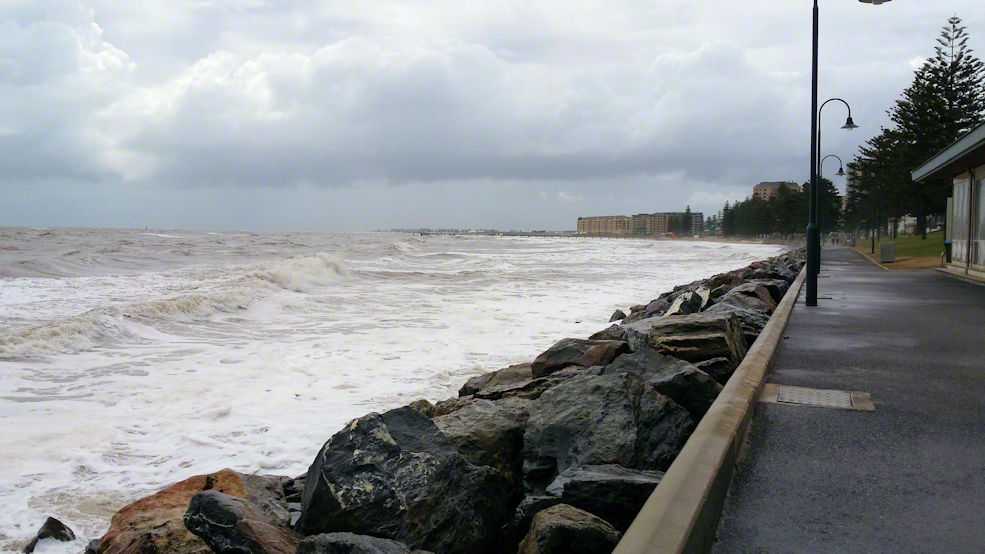
*[Photo 4: Musgrave Ranges view from the summit © C.D. Trudinger 1992]

My adventurous brother climbed on his own down the slope and out of sight.

‘Where’s your brother gone, girl?’ Mr B asked.

‘Probably gone to hunt kangaroo for tea,’ I chuckled, ‘he’s had no luck so far.’

‘Better than egg soup, I guess,’ Mr B muttered.

‘Well, aren’t you going to follow him?’

‘Nah, I need to rest before the hike down.’

About twenty minutes later, I detected his head bobbing up and over the rocks and bushes. I watched as he sauntered along the scaly rocks towards us.

Dad frowned. ‘Careful walking over those rocks.’

Rick looked up. ‘What?’ He caught his shoe on a wedge of stone, lost balance and stumbled, crashing on the rocky surface.

‘O-oh!’ Dad scampered over to my brother. I followed while Mr. B and Matt stayed planted on their respective rocks.

*[Photo 5: More Musgrave Ranges view from the summit © C.D. Trudinger 1992]

Rick pulled up his trouser leg and with our father they inspected the damage.

I peered over Dad’s shoulder. ‘What’s wrong?’

‘I’ve bruised my knee and leg.’ Rick sniffed.

Dad helped Rick hobble to the cairn and then gave him a canteen flask of water to wash over the injury.

‘How are you going to get down the mountain?’ I asked.

‘I mean to say, laddie, you can’t camp up here,’ Mr. B added.

Rick sighed. ‘I’ll be fine. It’s nothing.’

Matt chuckled at my brother’s bravery.

Dad patted Rick on the back. ‘Ah, well, you’ll be right.’

With the T-Team all in one spot, I took advantage of the situation and seized the moment on camera.

Mr. B glared at me. ‘Make it snappy.’

‘Okay,’ I said capturing the less than impressed Dad, Mr. B, Matt and my brother nursing his bruised knee.

*[Photo 6: T-Team at the summit © L.M. Kling (nee Trudinger) 1977]

After photos, we began to climb down those jagged rocks, carefully avoiding the spinifex. But try as he might to avoid the menacing bushes, more spikes attacked Rick’s tender legs. ‘Definitely going to wear leg guards the next time I come to Central Australia to climb mountains,’ he grumbled.

We reached a rock pool, just a puddle of slime, actually. I pulled off my shoes and emptied grass seeds and sand onto the surface of slate. Then I ripped off my socks. They looked similar to red-dusty porcupines, covered in spinifex needles. My feet itched with the silicone pricks of the spinifex. I dipped my prickle-assaulted feet in the muddy water.

‘You mean, David, old chap,’ Mr. B massaged his feet and turned to Dad, ‘we’re stuck with the prickly critters long after our climbing days are over?’

‘Yes, I’m afraid so,’ Dad replied.

*[Photo 7: Rock pool of rest © C.D. Trudinger 1992]

During rest at the poor excuse of a rock pool, nature called, and this time I could no longer resist. I hunted for a suitable spot, but everywhere I looked, ants scrambled about, millions of them. The longer I looked, the more ants congregated and the more desperate I became. But I had to go, ants or no ants. At least the patch was clear of spinifex. I suppose for the ants, my toilet stop might have been the first rain in weeks.

*[Photo 8: Honey Ant; not the same at I encountered, but a sweet delicacy according to the Indigenous © S.O. Gross circa 1950]

Back at camp, we began our ritual of preparing the bedding. Mr. B stomped around the creek bed until he found the softest sand. Dad grabbed the sleeping bags one by one and tossed them to each of us.

‘Argh!’ Mr. B cried.

‘What?’ Dad asked.

‘Oh, no!’ Rick moaned.

‘What?’ Dad asked.

‘Who’s been piddling on my sleeping bag?’ Rick grizzled.

‘Piddling?’ Dad stomped over to Rick.

‘It’s all wet.’

‘I say, boy, why’s my sleeping bag all wet? Couldn’t you use a bush?’ Mr. B remarked.

Matt turned away. ‘Wasn’t me.’ He unrolled his sleeping bag. ‘Oh, no, mine’s wet too.’

Rick looked at me.

‘Hey, I stopped wetting the bed years ago,’ I snapped. ‘Anyway, mine’s dry.’

‘I wasn’t going to say anything,’ Rick replied.

I raised my voice. ‘You were, you were looking at me like…’

‘There, there, cut it out,’ Dad strode over to Rick and me. He held up a bucket. ‘The washing buckets leaked on the sleeping bags.’

*[Photo 9: Desert Sunset © S.O Gross circa 1950]

***

These days, in the days of the “new normal”, as a result of Covid, climbing Mt. Woodroffe may not be possible. I did a little Google research about it. During the times of the “old normal”, permission from the Indigenous Owners of the APY Lands was still necessary, but it seems the Mt. Woodroffe climb was part of an organised tour. To find out more, here are the links below:

https://www.diversetravel.com.au/aboriginal-tours/nt-mt-woodroffe-climb

Mt Woodroffe – Aussie Bushwalking

Best summit hikes in South Australia | Walking SA

[An extract from The T-Team With Mr. B: Central Australian Safari 1977; a yet to be published prequel to my travel memoir, Trekking with the T-Team: Central Australian Safari 1981, available on Amazon.

© Lee-Anne Marie Kling 2019; updated 2021; 2022

Feature Photo: The Goal, Mt. Woodroffe © C.D. Trudinger 1981

***

Free from May 7—11, 2022

Dreaming of Adventure in Australia?

 In the Centre of Australia?

Check out my memoir and travel back in time and space as you trek with the T-Team.

Just click on the link below:

Trekking with the T-Team: Central Australian Safari 1981