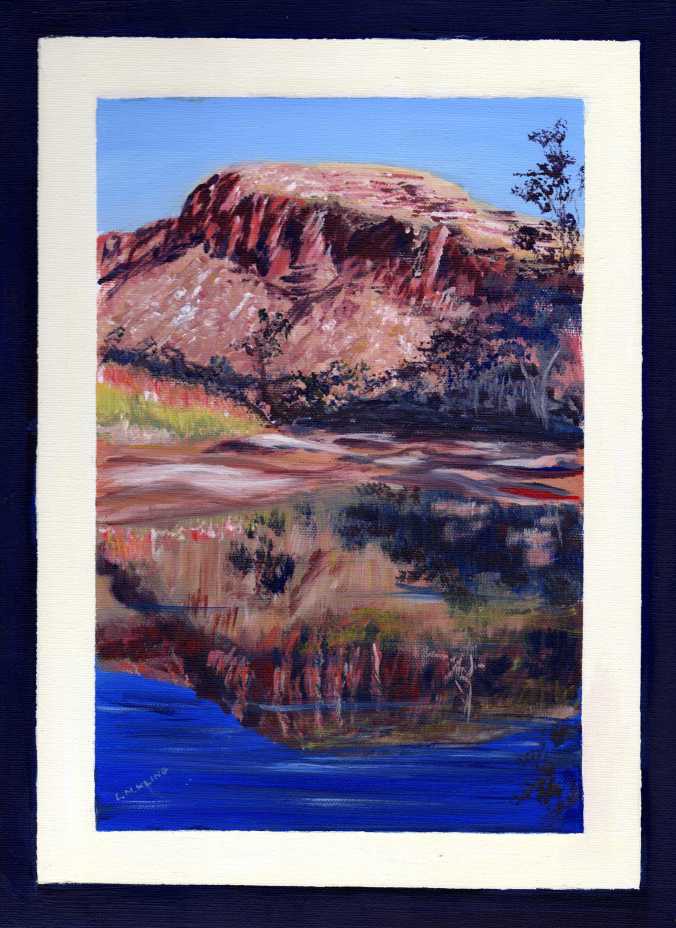
Here I was, merrily thinking the exhibition at Brighton Central finished on Saturday. Then my art and writing friend informed me it’s Sunday. So, there you go, a bonus day. If you have time and are in Adelaide, head down to Brighton Foodland, corner of Edward Street and Brighton Road, to view this brilliant display of artwork. Again, Marion Art Group (MAG) has done well, paintings selling like hotcakes at times.
So come, treat yourself, and have a look.
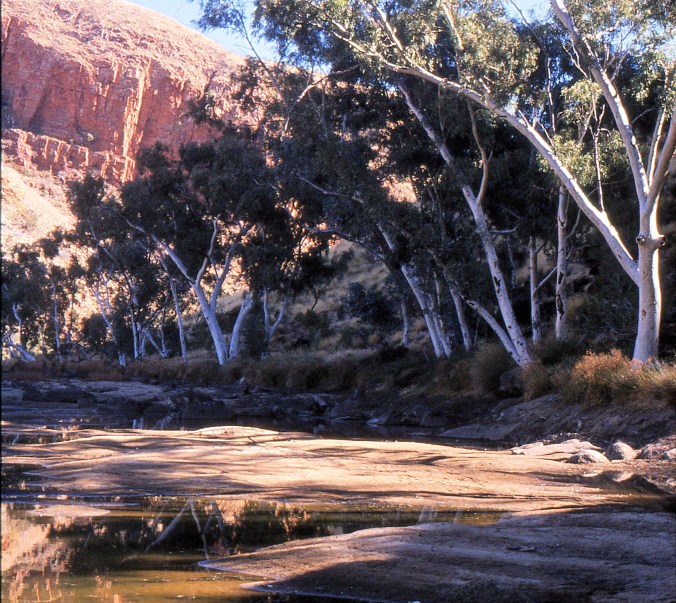
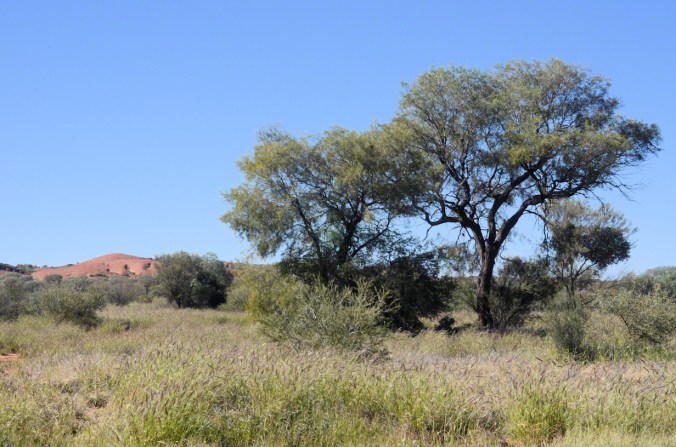
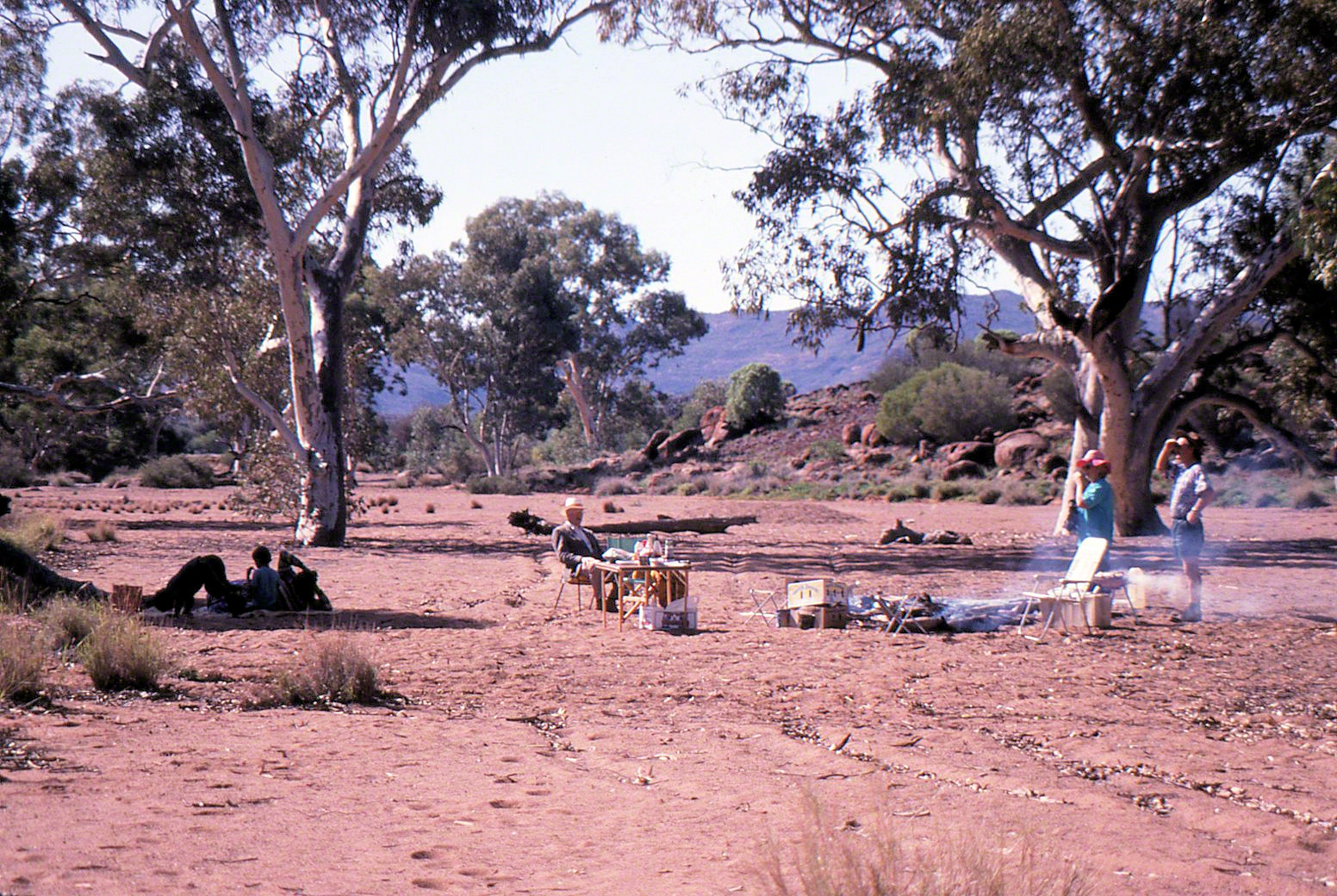
Meanwhile, click on the link below and read my story behind one of my paintings, Ghost gum, Western MacDonnell’s.
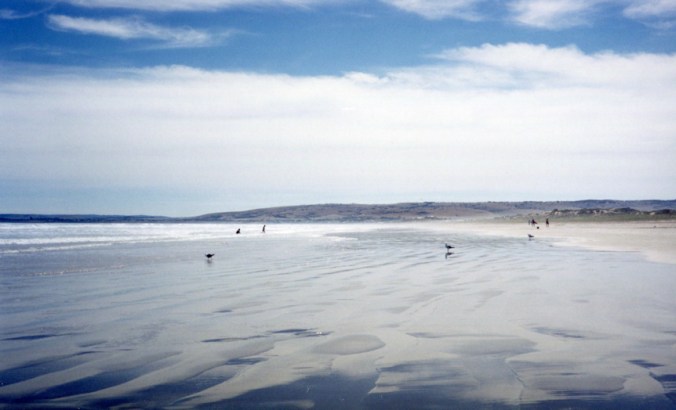
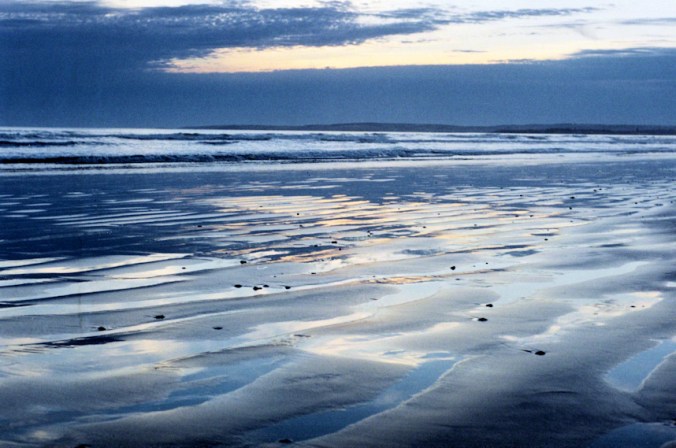
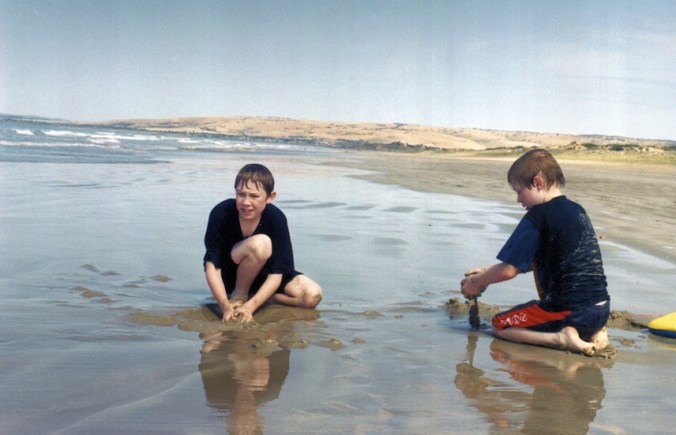
[Marion Art Group is holding an exhibition at Brighton Central Shopping Centre (Brighton Road, South Brighton), May 18-30, 2026. One of my artworks to be displayed, Cockling at Goolwa in Pastel, revisits the K-Team’s journey down “memory” highway, 100 kilometres south of Adelaide to Goolwa Beach on the far-flung edges of the Fleurieu Peninsula. Remembering our time with friends 24-years ago searching for cockle shells in the sand.]
Cockling at Goolwa
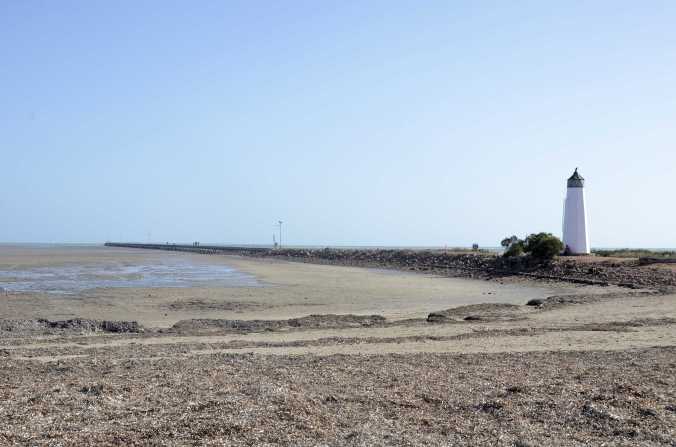
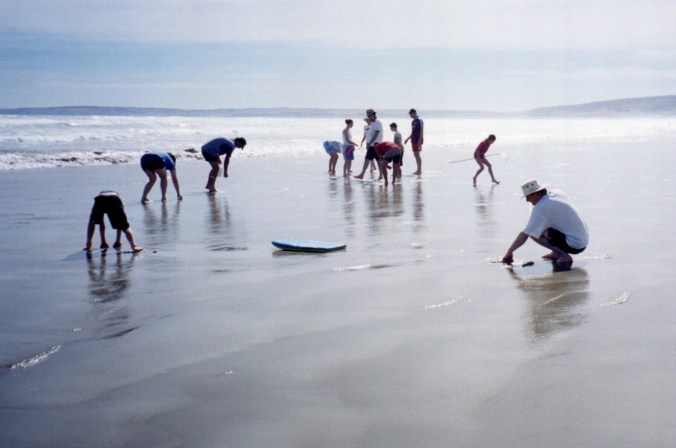
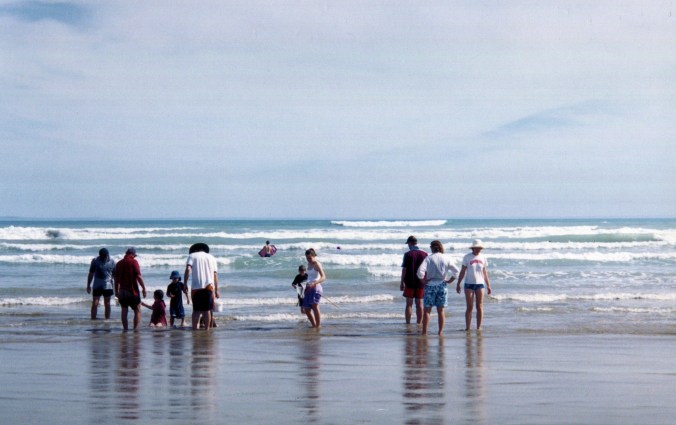
A picture, they say, tells a thousand words. So, what is Cockling at Goolwa’s story? How can the simple heel-toe dance of “cocklers” (people who dig for cockle shells), their feet sinking in the soggy sand of the incoming tide, in the flux of early summer warmth, on a remote beach south of Adelaide, tell us? What story is worth a thousand words? What was it about this scene that attracted me to capture it? First in photo and then several years later, on canvas in acrylic, and then recently in pastel.
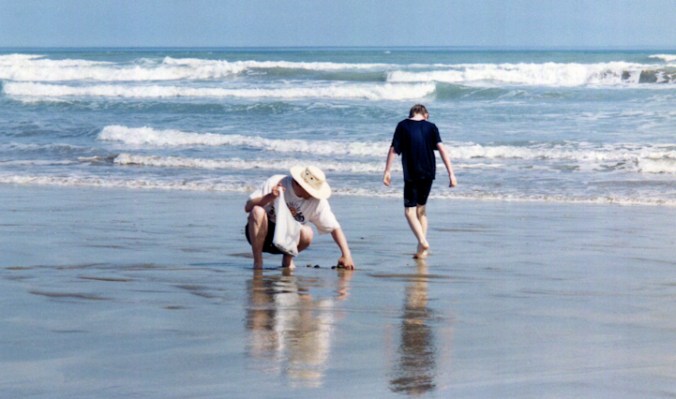
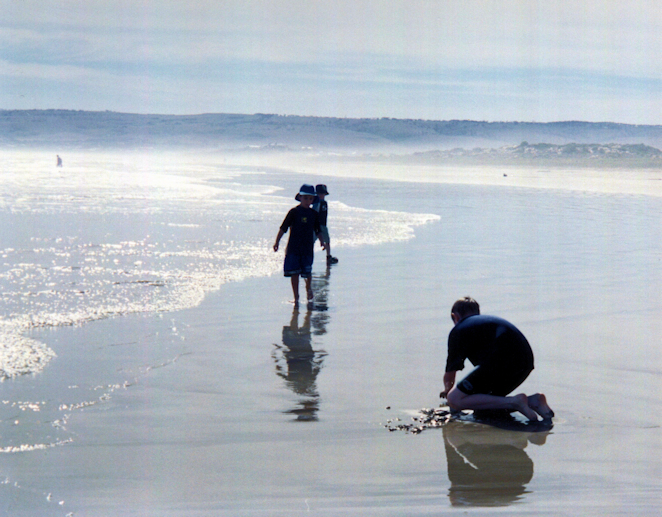
I think the water reflecting the sky, all silver, the people on the wet sand, a mirror, swaying and twisting for cockles captured my attention. I’d been there, on the glassy surface, watching for bubbles, grinding my heel into the bog, feeling for the sharp edges of shell and plucking out the cockles that snapped shut when exposed to air.
‘What will you do with all those cockles?’ I asked.
‘They’re for fishing,’ one of our friends said. ‘Bait for fish.’
‘Hopefully, we’ll catch a few fish and have them for dinner tonight,’ another said.
I imagined fish, fresh from the sea, thrown on the barbeque and the cockle bait inside them buried once again in our stomachs. We continued digging for cockles…family and friends, one with the ancient, outside time—nothing else matters but the cockles.
Goolwa, if I remember, has mounds of spent shells in the sand hills, monuments to generations upon generations of Indigenous Australians, their open-air kitchens and meals. Did they perform the same ritual, on the same patch of wet sand, delving for cockles to fry on their fires? A quick perusal of Google reveals they used nets to collect cockles and catch fish. They then cooked the cockles on a campfire.
We are here, they are gone, but their spirit of history lingers, reminding us, though we seem different, we are the same. We are digging, dancing, and delving for our dinner. We are still, in the moment, alone in our thoughts in a forgotten corner of the world, unknown by the world, yet one with this country’s past. And God knows each one of us—each part of us, even the unknown parts of ourselves and our secrets.
What if I shared a little secret—an artist’s secret? Okay, I’ll tell you. I painted this picture in less than two hours. Now that I’ve told you, would the painting be worth less to you? Must time be equated with worth? Sometimes I do take hours upon hours, layers upon layers, and more hours planning to get the work right. But not Cockling at Goolwa.
I love the beginning of a painting; laying the foundation, engaging my inner-natural child, the paint flowing from a thick brush on a damp canvas, colours blending, mixing as I go. One side of the brush is crimson, the other blue, and a dab of white. Sienna is somewhere there in the foreground, shadowing the sand. Mid-yellow was added incrementally to shroud the distance in light grey for perspective. Then just a hint of heads of land jutting out halfway across the horizon with a suggestion of ultramarine in the grey. So simple, and sometimes, like with Cockling at Goolwa, the scene emerged before my eyes. In the world of artists, I believe the term “magic brush” or “magic hand” has been used. Um, trade secret, so don’t go spreading it around.
So, there you have it, in less than an hour, surf, sand, sky, and tones in all the right places.
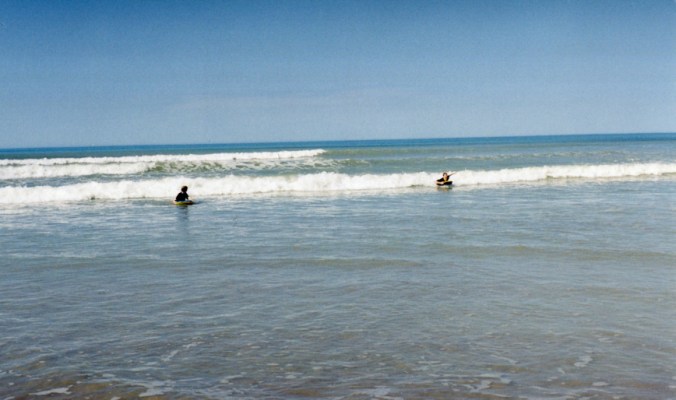
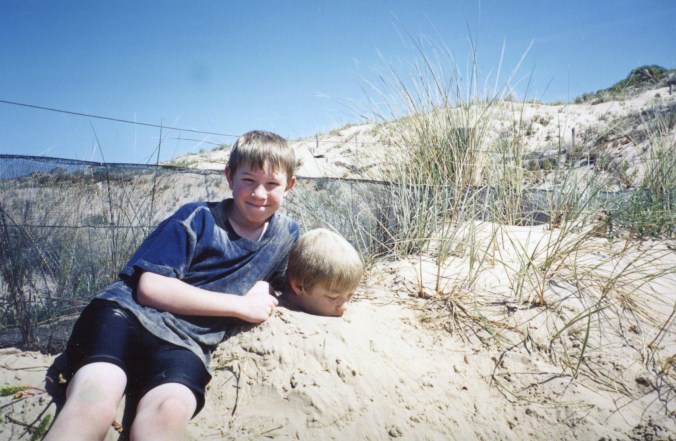
Now for the people, the twisting, turning people, their feet in the boggy sand. How do I paint them? I had a break and drank a cup of tea. I remember not all the children hunted for cockles. Some kids body-surfed in the shallows, some played cricket, and one little boy with a wish to be hunted, or to be warm, buried all his body except his head in the sand. I found him, and he broke out of his sand-grave, the sand zombie.
‘Don’t go tracking your sandy footprints into the shack,’ I said.
He washed himself off in the surf, then sat wrapped in a towel and shivering in the sun while watching the cockle hunt.
All the while, the “cocklers” cockled for cockle shells. Soon, the boy joined the hunt for cockles.
Then, when the paint was dry, I plotted the people in with a pencil and then painted them in with a finer brush.
‘I like that painting,’ a fellow member of the art group said. ‘Don’t do another thing to it. Don’t even frame it. I’ll buy it as it is. How much do you want for it?’
Paint barely dry, I took the work home, signed it, and then the next week at our Christmas lunch, I delivered Cockling at Goolwa to them. The buyer showed the work to others at their table, and all admired it.
What made another person connect with Cockling at Goolwa? For this person, their son and family spent many summer holidays at Goolwa, doing just that, cockling. Time out, out of time, unwinding, relaxing, happy times, happy memories, captured on canvas…in less than two hours. And I must admit, the story is slightly less than one thousand words.
But perhaps as you look at the copy of Cockling at Goolwa, you may have a story of your own about the painting. Maybe a painting’s story is not just one person’s story, but stories from many people, one thousand words, or more…
T-Team Next Generation — From Alice to Adelaide (1)
[In 2013, the T-Team, next generation embarked on their pilgrimage to Central Australia. Purpose: to scatter Dad’s ashes in his beloved Central Australia, in Ormiston Gorge.
Over the next few months, I will take you on a virtual trip to the Centre and memories of that unforgettable holiday in 2013, with my brother and his family; the T-Team Next Generation.
This time, the T-K Team commences their return to Adelaide from Alice Springs.]
Back to the Big Smoke of the South
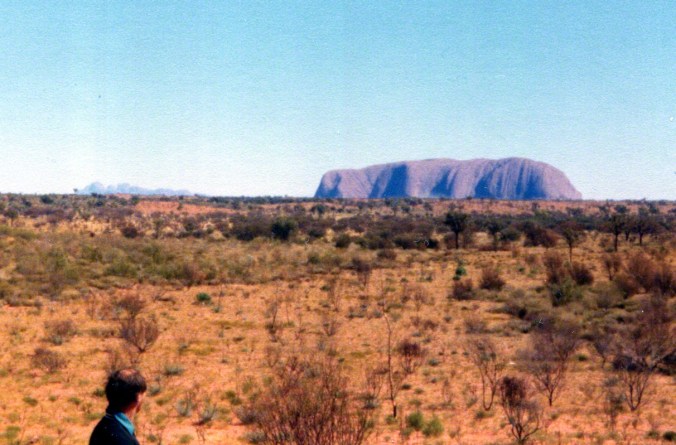
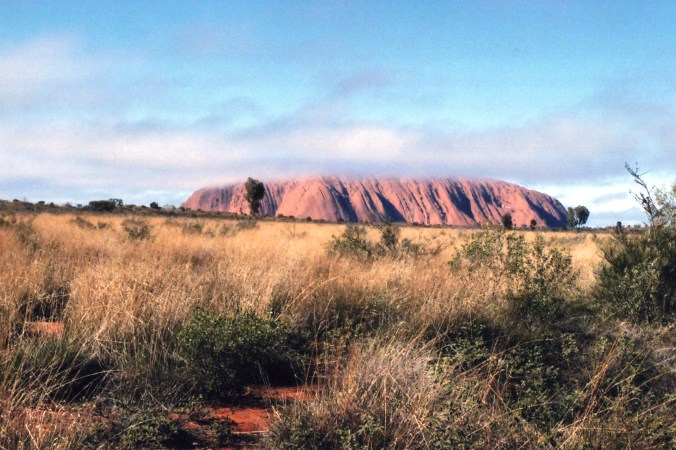
After packing up our belongings into our trusty Ford, topping up with petrol, and cash supplies, we departed Alice Springs and headed south to Adelaide. It’s amazing what one discovers retracing our steps to South Australia. In the morning sunlight, there, mini-Ulurus, mini–Kata Tjutas, and mini-Mt Conners.
At Kulgera, we shared lunch with flies. All around us, people swished at their faces. My glasses kept falling off as I fanned the flies away. In the end, I put on my sunnies. Then, when that strategy failed, we retreated into the roadhouse and had coffee in the restaurant. Self-serve for $3.
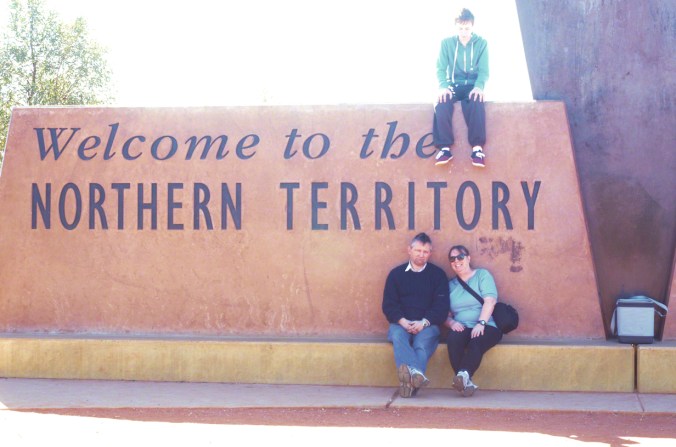
There, at the border, we parked to check our itinerary of food for fruit and vegetables. Owing to the prevention of bringing any fruit fly infestation into South Australia, fruit and vegetables had to be disposed of in the bins provided. More flies hovered around, joining our forage in the back of the Ford.
A passing Northern American tourist remarked, ‘Are South Australians so precious?’
‘Yes, we are,’ I muttered to Hubby, ‘how else have we kept the scourge of fruit fly out of our state?’
All around us, fellow travellers hauled out their luggage from their cars or four-wheel drive vehicles and disposed of their fresh produce. None of them looked happy.
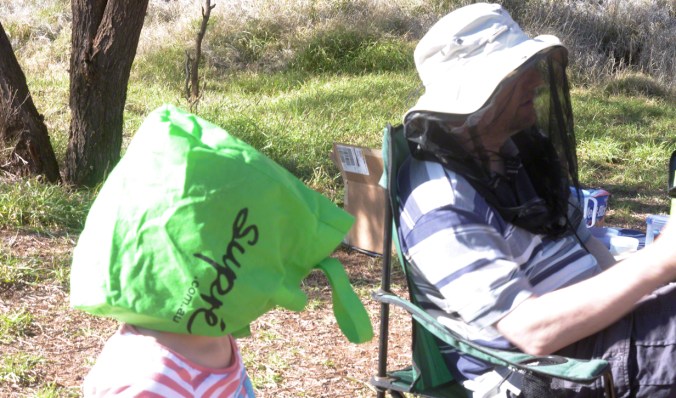
Sitting on a picnic table, a lad about Son 1’s age, and wearing a fly net, boiled up a pan of canned corn and peas on a portable gas cooker.
Nodding in their direction, I remarked to my husband, ‘Do they think canned vegetables are a problem?’
‘Quiet, Lee-Anne, they might hear you,’ my husband snapped.
‘Maybe someone should tell them that it’s only fresh vegetables that need to be disposed of.’
Hubby shook his head. ‘Come on, let’s get going.’
After depositing the few offensive apples and oranges in the bin, we piled into the Ford and charged forth on our journey south down the Stuart Highway.
With the potatoes securely stored in the cooler hidden in the Ford, we stepped into Marla’s red brick tourist park office. Tent site? No problem. Plenty of room on the grassy park for campers.
However, fearful that the biosecurity police might emerge from under a mini-Ayers rock and ping us with a hefty fine, I was designated to cook up the potatoes and one offending onion, while Anthony pitched the 2-person tent in the middle of the verdant camping reserve. My potato dish was not exactly rösti, though.
While frying up this “contraband” fare, a familiar white van whizzed past. I stepped out of the BBQ shelter and waved to them. The white van turned around.
The T-Team joined us for our potato and onion fry. Our nephew contributed their stash of vegetables to make a stir fry. Mrs. T shared the T-team’s adventures visiting a friend’s cattle station south of Alice the past couple of days.
My older niece was not her usual cheerful self. While helping me wash the dishes in a crummy camp kitchen with little light, Brother T confided in me that she may not have been happy about driving the Oodnadatta track.
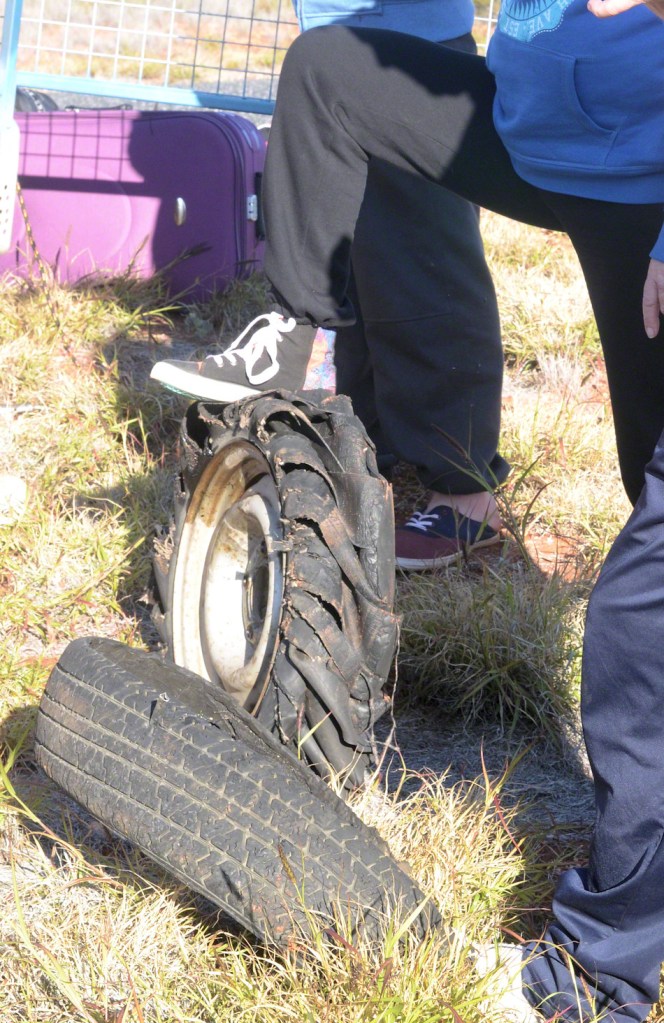
‘Yeah,’ I said, ‘she must know that track is full of tacks to bust tyres.’
He laughed. ‘Oh, yeah! Maybe we won’t go that way…’
We waved the T-Team off on their venture south at around 8.30 pm. Then Hubby crawled into the tent and began tossing out clothes, bags, and stuff into the frigid frosty night.
‘What are you doing?’ I asked.
‘Where are you hiding the drink bottles?’ he cried.
‘Are they in the car?’
‘No, I’ve looked there.’
‘Sure, they’re not in the BBQ hut?’
‘No, where have you hidden them?’
‘I don’t remember, “hiding” them. They must be left somewhere,’ I said. ‘It’s too dark to look for them now, so you might just have to be satisfied with the thermos.’
With a grunt, he, who is always right, shrugged on an extra coat, sat outside the tent, sipping hot chocolate from the thermos, and playing with his phone. Wrapped in my sleeping bag, I sat beside the man who had lost his water bottle and wrote my diary by torchlight. Ours was one lonely tent in an expanse of couch grass.
Having lost the battle to mourn the temporary loss of his water bottle alone, Hubby crawled into bed at 10 pm. Soon after, I followed him, and in the warmth of the thermal sleeping bag, I soon fell asleep.
Jack woke and rubbed his eyes. ‘What’s happening?’
‘What are you doing?’ Mitch asked.
‘What do ya think?’ Rick said as he slowed to the 60 km/h speed limit of the town.
Mitch pointed the other way, out of town. ‘Couldn’t we just…’
‘No,’ Rick said.
‘Cordelia’s going to be sick,’ I chimed in.
Rick slammed on the brakes and skidded on the rubble on the side of the road.
‘Not yet,’ Cordelia said in a soft voice. ‘But I need a hospital.’
None of us asked the reason we needed a hospital for Cordelia. Under the light of the newly functioning headlights, I studied the strip map for the district hospital. Not much joy there. The map only showed the strip of road or highway from town A to town B, no diversions. However, we did find a 24-hour service station where Mitch asked for directions to the hospital.
Upon arriving, Cordelia insisted on entering the premises on her own while the rest of us waited in the car park. Making the most of the opportunity not to be cramped up in the car, we sat or paced around the car in the balmy night.
An hour or so later, Cordelia emerged feeling better. No explanation.
And once more, we piled in the car and headed for Sydney.
‘If we drive through the night, we’ll reach Sydney by morning,’ Mitch said. ‘Plenty of time for the conference.’
Rick adjusted his grip on the steering wheel and grunted. ‘As long as nothing else happens.’
I squeezed myself against the back passenger door. I had lost my place in the front with Rick to Cordelia. I had been relegated to the back seat with Mitch and Jack.
The gentle rocking of the drive lulled me to sleep.
Lost in Sydney
I yawned and stretched.
‘Hey, watch it!’ Mitch said and pushed my hand away.
‘Sorry.’ I covered my mouth and yawned again.
The Charger crawled along following bumper-to-bumper traffic. High-rise buildings towered over the narrow road, and every side street garnered either a black and white “One Way” sign or red and white “No Entry” sign. Sydney Harbour bridge, appearing like a giant coat hanger, peeped through a gap in the buildings.
‘Oh, Sydney,’ I said. ‘How come we’re not at the conference?’
‘You tell me,’ Rick muttered.
‘We’re having trouble …’ Mitch began.
‘It’s all these one-way streets,’ Rick said. ‘Whoever designed Sydney must’ve had rocks in their head.’
Jack suggested we head for Bondi Beach for a swim as it’s so bleeping hot, reasoning that if we hadn’t had the car trouble, we’d have had a day to take in the sights and go for a swim.
‘Aren’t we late for the conference?’ I asked.
Rick rolled his eyes. ‘Rate we’re going, we’ll never get there.’
‘But, if we go to Bondi,’ Mitch said, ‘perhaps we can find a park and work out where we are and how to get to the conference.’
‘But how do we do that?’ Rick asked. He moved the car at the speed of a tortoise along the road chock-full of nearly stationary vehicles.
I pointed at a sign which read, “Bondi”. Head east, follow that sign. I’d given up on attending the conference, and, believing we’d be stuck in Sydney city traffic forever, resolved to content myself with the promise of the beach sometime in the next week. Not sure how Dad would feel about us not turning up, though. He’d made it his mission to persuade our little tribe to come. And, here we were, lost in the city traffic, wandering in circles around one-way streets.
I imagined Dad pacing the floor of the conference centre, wearing a groove in the carpet, glancing at his watch, and peering out the window. ‘Where are those children?’ he’d be saying, ‘They should be here by now.’
‘Where, exactly, is the conference?’ I asked. ‘Is it near Bondi?’
‘Have you got rocks in your head?’ Rick said. His face was flushed with beads of perspiration dripping from his temples. ‘Of course it’s not. And at this rate, no matter where it is, we won’t get there. We’re stuck.’
‘Um,’ Jack interrupted Rick’s rant, ‘I think it’s at Randwick Racecourse.’
‘And where’s that?’ I chimed in.
‘Perhaps, if we go to Bondi, find a park, then we can study the map, and work out where to go,’ Mitch said.
‘Or we could lob into a corner shop and ask someone directions,’ I suggested.
The guys ignored my idea, as guys do. All this time Cordelia remained silent, contributing nothing to the discussion. Perhaps to be more popular with the boys, as Cordelia certainly was, I considered I should remain silent. But me, being me, I just couldn’t help myself. Being one of the “lads” and voicing my opinion, that is.
We reached Bondi. Early afternoon.
I remember the weather. Warm, cloudy, and humid. Specks of rain assaulted the windscreen. Despite the inclement weather by my Adelaide standards, the streets around this beachside suburb were cluttered with more cars and even more people. It seemed to me that Bondi was crowded with the entire rest of the population of Sydney, the ones who were not still stuck in traffic in the city centre.
As a result, no parks. Nowhere. Not a thin strip anywhere to put the Charger.
Rick sighed and drove through the park-less and crowded Bondi, along some coastal road, and then up a road heading east again.
Jack, who had been studying a simple map of Sydney that the RAA strip map provided, pointed at a road on the map. ‘I’m pretty sure if we turn down Anzac Parade and follow it all the way down, we will reach our destination.’
Rick followed Jack’s directions, and we arrived at the conference just in time for afternoon tea. And, I might add, a roasting from Dad who could not understand how we could get lost in Sydney.
Mitch, though, was philosophical. ‘It could’ve been worse, but I was praying the whole time, and God got us here safe and sound.’
Dad sniffed and tapped his trouser pocket. ‘Hmm, yes, you are right, Mitch. Ah, well, praise the Lord.’
Want more, but now, probably due to current world events, (Again! Sigh!) too impossible to travel down under? Why not escape all the world drama and take a virtual journey back in time and space, with the T-Team Adventures in Australia?
As it is the Easter weekend and in keeping with Arty Friday, a story of my Easter break camping in the Gammon Ranges with my father and then future husband.
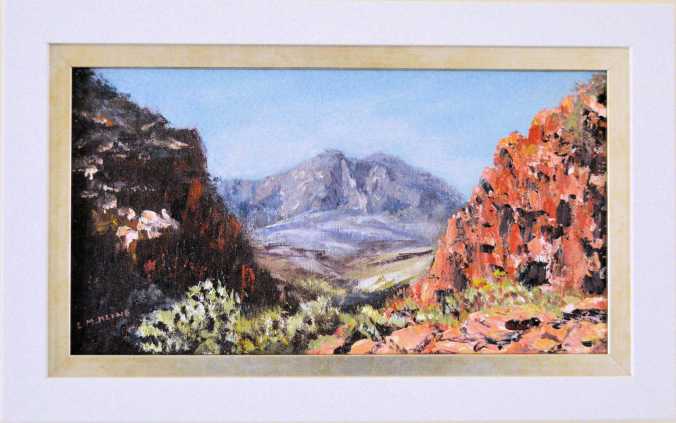
THE BIRTH OF “BUNYIP CHASM”—THE PAINTING
You need to loosen up with your painting,’ my art teacher said.
So, with a palette-knife, I did with…
Over the Easter break in 1986, Dad took my boyfriend (future husband) and me to the Gammon Ranges. Dad had gone there the previously with his photographer friend and he was keen to show us some of the scenic secrets these ranges held.
We bumped and rolled in Dad’s four-wheel drive Daihatsu down the track into the Gammon Ranges. We camped near Grindell’s Hut, backpackers’ accommodation. A murder-mystery from the early Twentieth Century involving the hut’s owner, spiced our discussion around the campfire that night. Then we set up a tent, for boyfriend, on the ground above the bank of the creek. I placed my bedding also above the creek under the stars. Dad opted for his “trillion-star” site underneath a river gum. No tent for him, either.
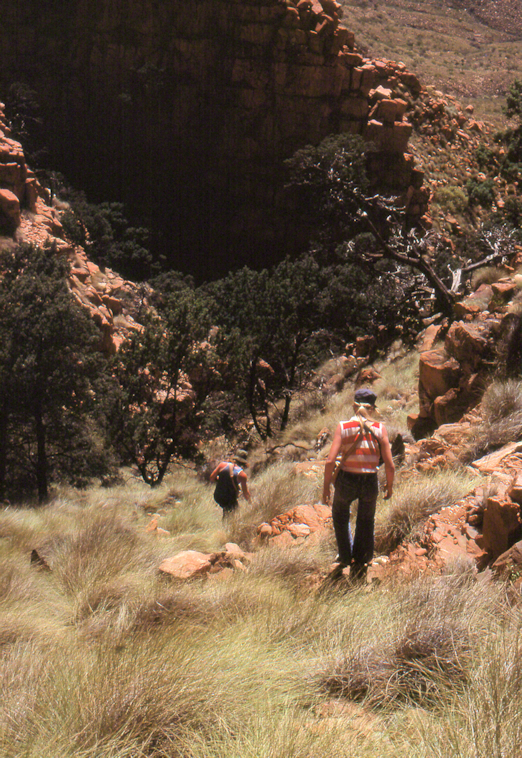
The next day Dad guided us along the Balcanoona creek bed shaded by native pines to Bunyip Chasm. After an hour or two of hobbling over rounded river stones, we arrived at a dead-end of high cliffs.
‘Come on, we better get back,’ Dad said and then started to hike back the way we came.
We trailed after Dad. Although native pine trees shaded our path, the hiking made me thirst for a waterhole in which to swim. I gazed up at the lacework of deep blue green against the sky and then, my boot caught on a rock. I stumbled. My ankle rolled and twisted. I cried out. ‘Wait!’
After about ten minutes, with my ankle still swollen and sore, I hobbled after the men. We climbed down a short waterfall and at the base, I looked back. The weathered trunk of an old gum tree leaned over the stream, three saplings basked in the late-afternoon sunlight against the sienna-coloured rocks, and clear water rushed and frothed over the cascading boulders and into pond mirroring the trees and rocks above.
Then holding hands, we hiked along the creek leading to our campsite and Dad.
‘I’m going to paint that little waterfall,’ I said.
We walked in silence, enjoying the scenery painted just for us—the waves of pale river stones, the dappled sunlight through the pines, and a soft breeze kissing our skin.
[In memory of my father Clement David Trudinger (13-1-1928—25-8-2012)]
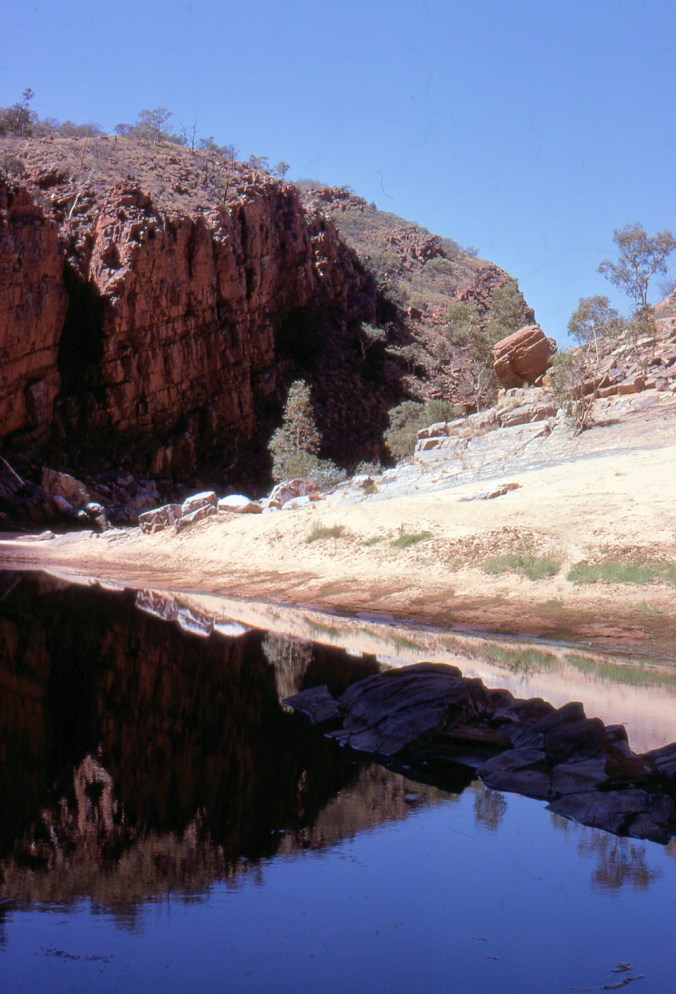
[In 2013, the T-Team, next generation, embarked on their pilgrimage to Central Australia. Purpose: to scatter Dad’s ashes in his beloved Central Australia, in Ormiston Gorge.
Over the next few weeks, I will take you on a virtual trip to the Centre and memories of that unforgettable holiday in 2013, with my brother and his family, the T-Team Next Generation.
This time, the T-K Team visits Emily Gap.]
Lunch With the Ants
Our plans changed. Hubby decided we could take a risk with our fuel situation, so since we were in the vicinity of the Eastern MacDonnell Ranges, we visited Emily Gap and had lunch before refuelling the Ford.
‘After all,’ I said to Hubby, ‘it is almost two o’clock, and I’m hungry.’
He just had to reply, ‘Hungry? Unlike you, I can wait till teatime.’
‘Hmm, yet another similarity you have to my father. Only he could fast from breakfast as well as lunch.’
As we rolled into the shady climes of the Emily Gap car park, I remarked, ‘But such a lovely place to sit and have a picnic, don’t you think?’ I had already sourced some nuts and chocolate from my bag in case he disagreed with my suggestion.
‘We’ll go for a walk first to see the rock paintings and then have some lunch,’ Hubby grumbled. ‘I don’t want to walk on a full stomach.’
While Hubby marched ahead to find the rock paintings before they disappeared, I trailed behind and nibbled my nuts and chocolate. Needed reinforcements to do the walk.
Hubby vanished around a corner. A few minutes later, he appeared, jogging towards me. ‘They’re here! Come, look!’
‘Oh, yeah,’ I replied, remembering 1981 when TR baited us with some significant discovery of Indigenous art. That art turned out to be less ancient and more modern.
I followed Hubby. Around the bend, he pointed. ‘Look! There they are.’
Gazing at the entrance to a shallow cave, I said, ‘Oh, yeah! So, there are. They look like giant caterpillars.’
We spent some time examining the array of caterpillar paintings and carvings; the totem of the Easter Aranda people, we assumed.
‘I think my dad took us to Jesse Gap,’ I said as we walked back to the picnic area. ‘I’ve never seen those paintings before. When he took us out to the Eastern MacDonnell’s, all we saw was artwork of the Western kind, graffiti. When we suggested visiting Emily Gap, it was already nearly dark, and Dad thought there would only be graffiti there too. After all, we had just been to the Devil’s Marbles, after sunset, so it was getting too dark to see anything at that time.’
In the shade of the gum trees in the picnic area, we “shared” our lunch of canned tuna and buttered bread with some inch ants. Had to put our food on a rock and then move the picnic rug, but the inch ants followed us.
After lunch, we found the BP petrol station that my brother had told us about. And finally, the Ford had its fill of LP Gas. Then, on our way back to the Caravan park where we were staying for the night, we swung by the local IGA. There I bought mince, button mushrooms, two onions, shampoo and conditioner. Would you believe that the shampoo and conditioner I had brought from home had not lasted the distance of our two-week Central Australian journey?
In the golden light of late afternoon, while I helped Anthony put up the tent, I watched another family pitch theirs. The father sat in his director’s chair and directed the rest of the family, the women and children, on how to put up their tent.
But, ah, what bliss to cook tea in the light of the common kitchen. Spag Bog, and plum pudding. Dessert, hot chocolate.
Mitch’s hopes turned to practicalities as the morning dragged on while we waited for another elusive item, the alternator. I figured the alternator must be hiding in the same place the roadhouse in Dubbo must be.
By the time my watch read 8am, us four who were not mechanics, once more headed down the main road to the town centre in search of a “deli” as we in South Australia call corner shops, or a supermarket of some description.
We found a supermarket come snack bar, and treated ourselves to a meat pie, chips and Famers Union iced coffee. Just the sort of food one has for breakfast after a gruelling sleepless night. Mitch, appreciative of my mechanic brother’s efforts, brought him back the same fare as we had eaten.
Rick was leaning against the side of his precious Charger, still waiting for the elusive alternator.
A heated discussion ensued amongst the fellows. Mitch put forward that we could be using daylight to drive to Sydney.
Rick refuted that suggestion with, ‘Do you want to sleep in the car again?’
Jack began to raise his hand, but Mitch cut in. ‘No, you’re right, Rick.’
Rick went onto explain that the problem with faulty alternators is that they affect the battery. He described how in the short but slow drive to Dubbo, he drove the car in a lower gear to get the most out of the failing battery.
And so, we waited, sitting in what little shade the garage’s carpark afforded, waiting for the alternator to arrive.
Early afternoon, the sun’s heat beating down on us, Jack, Mitch, Cordelia and I again walked down to the main street for some lunch. Upon our return with stale ham sandwiches to share, Rick was hunched over under the Charger’s open bonnet.
I put my hands together in a half-hearted clap. ‘Hooray! The cavalry has arrived!’
‘No,’ Mitch had to be correct, ‘it’s the alternator.’
‘I had an idea how to repair the existing one,’ Rick said.
‘Hooray! Rick has worked out how to fix the alternator,’ I laughed.
‘You have a strange sense of humour,’ Cordelia said. ‘No wonder you find it hard to make friends, Lee-Anne.’
‘Praise the Lord!’ I raised my hands. ‘My brother can fix…’
‘Don’t make it worse,’ Cordelia said.
Perhaps she’s right, I thought, then took my sandwich pack, split from the “social police” before drifting over to Rick, to watch him as he operated on the car. Strange thing was, Mitch made a speedy dash away from Cordelia and followed me.
‘Hey, Rick,’ Mitch asked while hovering over his shoulder, ‘how long till you’re finished?’
Rick grunted in reply and swore.
I stepped back, knowing all too well not to crowd my brother when he was concentrating. Obviously, Mitch was not as aware. He leaned over Rick, blocking the sunlight from the engine. Rick poked out his tongue as he tackled a stubborn bolt.
Mitch stuck by Rick’s elbow. ‘Is that all you have to do?’
Where’s the social police now? Oh, there she is, staring at her sandwich and grimacing. She looked like a chipmunk.
I smiled observing Rick as he gritted his teeth and muttered expletives. Mitch seemed totally unaware that his attention wasn’t helping.
‘Bu#@%er!’ Rick cried.
A ping and a clunk, and the spanner dropped into the engine of no return.
‘What happened?’ Mitch asked all innocent.
Rick narrowed his eyes at his friend. ‘What do you think?’
‘Did you drop the spanner?’
‘Yes. And now I’m going to have fun getting it out.’
Mitch rubbed his hands together. ‘Can I help?’ Mitch loved to help.
A grin slowly formed on Rick’s face. ‘I think you can, Mitch.’
Mitch was dancing on the spot in anticipation. ‘How?’
‘See the engine?’
Mitch nodded. ‘Yes.’
‘I want you to find the spanner and pick it out for me.’ Rick wiped his sweaty brow. ‘This is hot and thirsty work and I need a drink and some lunch.’
‘Okay,’ Mitch said while studying the engine, ‘I can do that.’
In the shade of a scraggly bush by a low stone wall, I handed Rick a quarter of sandwich and bottle of Fanta. My brother and I sat on the wall and watched Mitch hunt for the spanner. Rick munched on his ham and relish sandwich, unperturbed by the dryness of bread and ham tasting too salty. He washed down some of the fizzy drink and then said, ‘Well, I better go and rescue Mitch.’
The sun travelled westwards, and shadows lengthened as the “quick” job took several hours to complete.
Just before the sun set, Rick rubbed his grease-covered hands on an old cloth and declared the vehicle ready for action. He hoped the battery would give us no trouble.
Once again, we piled in the car and Rick turned the ignition.
A squeak.
A sputter.
Then a roar.
The Charger puttered and shook as the engine turned over and the beast began to move out of the garage carpark.
We entered the main street, passing the store which had provided our breakfast and lunch. Closed for the night. Jack gazed at the store and sighed.
As if reading his mind and everyone else’s, Rick said, ‘We’ll need to drive for an hour or so before we stop.’
Mitch put on a brave face. ‘We’ll find a roadhouse sometime later tonight to have tea.’
We watched Dubbo’s Shell service station come roadhouse flit past as we left the town.
Sitting in the front passenger seat next to my brother who was driving, I pulled out the RAA strip map and flicked through the pages. Locating the one with Dubbo, I scanned the last few pages and calculated the distance and time to reach our destination.
‘According to the strip map, it will take us about six hours to reach Sydney,’ I said.
‘So,’ Mitch from the back replied, ‘we shall make it in time for the conference.’
‘Where, exactly is the conference?’ Jack asked.
‘Randwick Racecourse, if I remember correctly,’ Mitch said.
‘Where’s that?’ I asked.
‘Beats me,’ Rick said.
‘Do we have a map of Sydney?’ Mitch said with an edge to his voice.
Rick shrugged and planted his foot on the accelerator. The Charger roared to the highway’s maximum speed of 110 km/ph.
Cordelia who seemed to be quieter than her usual demur self (I guess she had no social mores to report on), clutched her stomach and whispered, ‘I don’t feel very well, I need to find a hospital.’
Slowing the car, Rick sighed and shook his head. ‘I guess we better go back to Dubbo.’
Tyres crunched on the gravel before he swung the car in an arc performing a seamless U-turn and headed back towards the twinkling lights of Dubbo.
Want more, but now, probably due to current world events (Again! Sigh!) too impossible to travel down under? Why not escape all the world drama, and take a virtual journey back in time and space, with the T-Team Adventures in Australia?
Friday already? It’s been a busy time planning another travel adventure, this time a family wedding later in the year. So, memories of our Tasmanian journey way back in 2009, and a hike around Dove Lake on a perfect summer’s day.
[In 2013, the T-Team, Next Generation, embarked on their pilgrimage to Central Australia. Purpose: to scatter Dad’s ashes in his beloved Central Australia, in Ormiston Gorge.
Every month, I will take you on a virtual trip to the Centre, and memories of that unforgettable holiday in 2013, with my brother and his family, the T-Team Next Generation.
This time, the T-K Team once again returns to Alice Springs as they begin their journey back home.]
In Search of Gas
While Hubby packed the Ford, I prepared a “thank you” card for our friends. I found a photo of a rock formation near Mt. Liebig, then I painted a frame around the picture, and finally, sketched Mt. Sonder from memory in the middle of the card.
Hubby checked his expert handiwork at packing, and then said, ‘Ready to go?’
‘Yep, let’s go over to the FRM store and say goodbye to our friends.’
We bid our Hermannsburg friends farewell, promising to catch up with them when they returned to Adelaide. After more storytelling by P and some souvenir shopping by us, we were ready to farewell Hermannsburg.
Following a few more stories from P, then a phone call to my brother, who said they were about to leave Alice Springs, we were set for this town.
Except…
‘I just want to check out the graveyard,’ I said.
‘Do we have to?’ Hubby sighed. ‘There’s nothing there.’
‘I just want to see who’s buried there.’
‘If we have to.’
My husband trekked after me as I trudged over to the graveyard that looked more like a neglected paddock of red sand than a cemetery. We gazed at the iron crosses of the early missionaries, such as Kempe, and a sad tombstone of a 10-week-old Latz baby.
‘Vogelsang, who’s he?’ I asked.
Hubby shrugged. ‘Probably a missionary here, since he’s buried here.’
1 pm, we rolled into Alice Springs, making a beeline for the petrol station.
‘We must fill up with gas before we start on the journey back to Adelaide,’ Hubby said.
‘Might be a bit difficult,’ I pointed at the LP Gas bowser, ‘it says “Out of Order”.’
Hubby topped up the Ford’s petrol tank, and we steeled ourselves for the hunt for LP Gas. We reckoned that in a country town such as Alice, most fuel stations lined the main roads leading into and out of the town. So, down the Stuart Highway we travelled, in search of a service station which offered gas. Prophetic of a future without LP Gas, our search proved elusive.
We spent some twenty minutes touching base with the T-Team. My brother gave directions for an LP Gas-friendly service station, and we were on our way to this fuel stop of promise, and then Emily Gap. Meanwhile, the T-Team visited their friend who worked at the radio station.
We parked in the car park of a closed service station, which also served as a garage for car repairs. By this time, Cordelia’s request for a doctor had been forgotten. She remained silent and didn’t remind us. I wasn’t going to mention her need. She looked well enough to me when we extracted ourselves from the car and stretched our legs. She was upright and not running off to the nearest public toilet.
After a brief stamp of our legs and rubbing of our arms, Rick said, ‘We’ll need to get some sleep.’
‘How are we going to do that?’ asked Jack.
‘In the car, I guess,’ Rick replied.
Mitch herded us back into the car. ‘Come on, in we go.’
Again, we piled in. Again, Mitch crammed in the middle of us girls, while Rick and Jack reclined in semi-luxury in the front seats.
I observed that Cordelia had no complaints, and her need for a doctor remained a non-urgent issue. For now. She snuggled up to Mitch, who also made no drama of the arrangement. No sleep for me, though. I squashed myself up against the side, putting as much space between my cousin and me as humanly possible. All through the hours of darkness, I sat upright trying to sleep while Mitch twitched, and my brother snored.
In the grey light of pre-dawn, I spied Mitch pacing the gravelly clearing of the car park. How did he get out? The Charger is only a two-door car. On the other side of the back seat, Cordelia slept soundly. Rick snorted and shifted his weight in the driver’s seat while Jack lay stock still. Looked like a corpse. Then he moved.
In an effort not to disturb the three sleepers, I slowly, gingerly, silently, crawled over Rick. My brother snorted as I landed on his knees.
‘Sorry,’ I whispered. ‘Have to answer the call of nature.’
‘Why didn’t you say so,’ Rick said, smacking his lips and continuing to snore.
I pushed open the car door and crept out.
‘What are you doing?’ I asked my cousin.
‘Stretching my legs,’ he said.
‘Weren’t you comfortable?’
‘No,’ Mitch said, ‘sleeping upright and squashed up next to … next to,’ he jerked his head in the direction of the car, ‘I found it very—very … uncomfortable.’
I glanced at Cordelia sleeping like a kitten but decided not to comment on the arrangement. ‘Well, it wasn’t a Sunday School picnic for me, either. I didn’t sleep a wink.’
‘Oh, yes, you did,’ Mitch said. ‘You were snoring.’
‘No, I wasn’t, that was Rick. He always snores. Anyway, I was awake all night.’
But Mitch was adamant that I snored. Just like Rick.
‘What do we do for breakfast?’ I asked.
Mitch shrugged.
‘Perhaps there’s a roadhouse around here somewhere,’ I said. ‘I’m starving.’
Mitch, though, advised that we must wait until the others had risen before we venture into town to find a place to eat.
I gazed in the direction of the main street with the shabby buildings all monochrome, the sun’s rays yet to burst over the horizon. I hoped that there was a place to eat in this sleepy town.
‘Is this Dubbo?’ I asked.
Mitch again shrugged.
‘Looks awfully small for Dubbo.’ I remembered when our family had visited Dubbo on the way back from Canberra three years earlier. We had toured the zoo there at that time. Didn’t take much time to tour the zoo. Rather small, actually, and I went away disappointed. Still, my memory of Dubbo was that it was much bigger than this tiny collection of real estate.
‘I think so,’ Mitch replied. ‘We’re on the outskirts.’
‘Lucky, I found this garage,’ Rick said while strolling up to us.
Mitch smiled. ‘Well, that’s an answer to prayer. We won’t have to go looking for one.’
By the time the sun had peeped over the horizon, Jack and Cordelia had woken and piled out of the Charger.
While Rick commenced preparatory work on the Charger, the rest of us four ventured down the main street in search of a roadhouse. We figured that at this early hour of the day, nothing much else would be open. However, the roadhouse remained elusive, and we returned to the Charger at the garage hungry.
Upon our return, we noticed Rick and a man standing under the raised bonnet of the car. They were deep in discussion.
As we approached, the man waved at Rick and walked away towards the garage, now open.