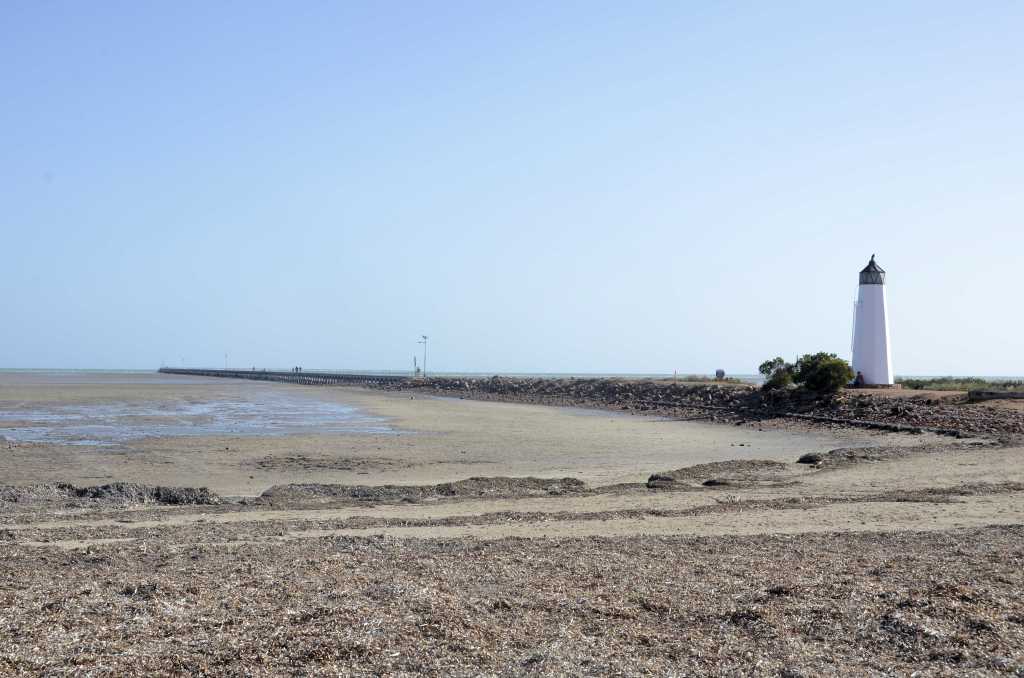
Arty Friday with the T-Team–Kata Tjuta

The T-Team With Mr B (14)—The Olgas and Ayers Rock

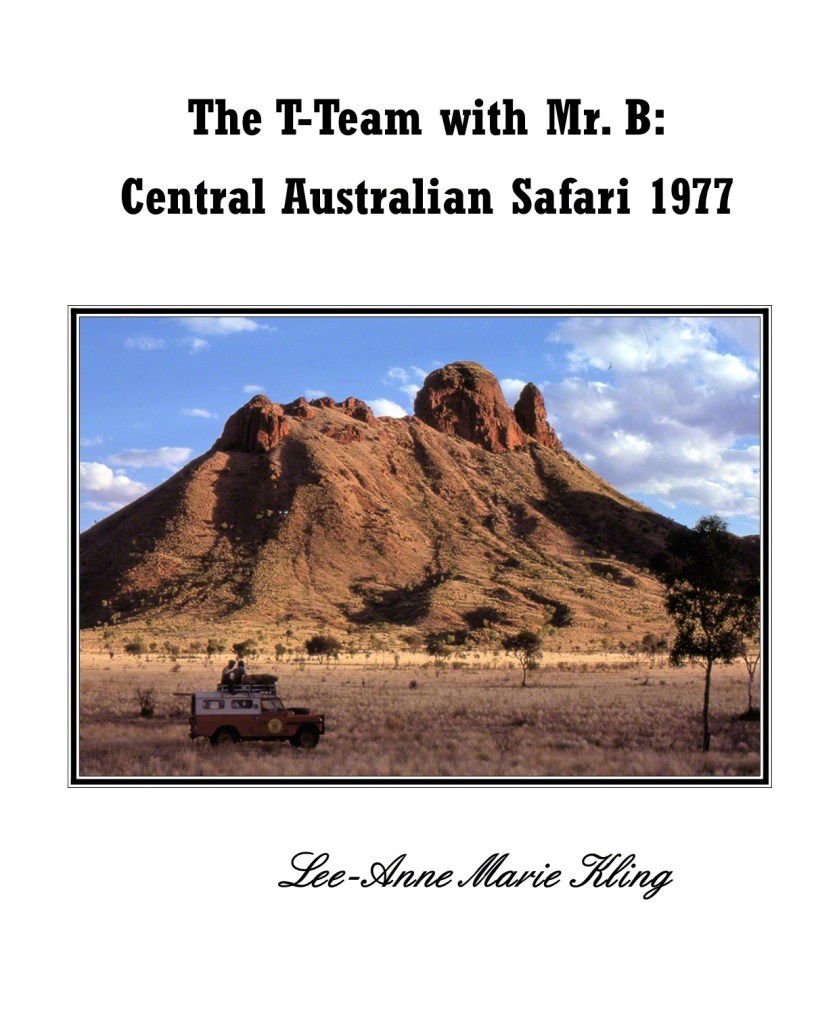
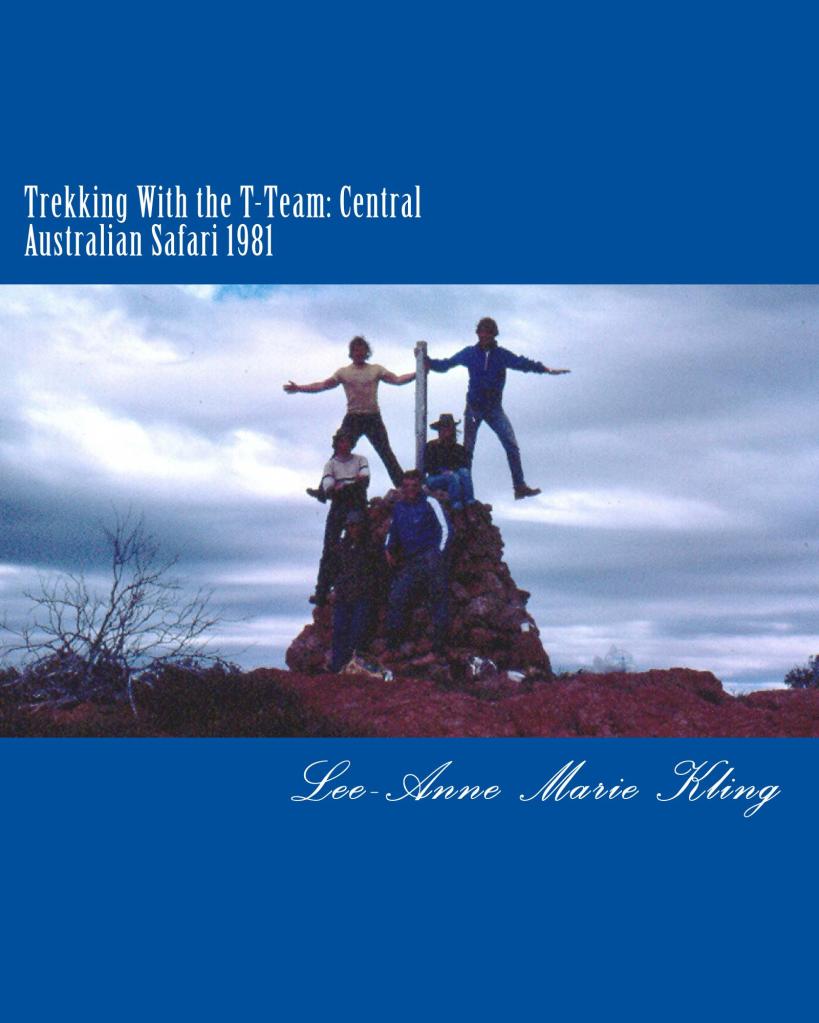
 [For the SALA month of August, my painting, “Sunrise on Kata Tjuta”, is displayed at Marino Community Hall. So, this week I am revisiting my travel memoir, The T-Team with Mr. B: Central Australian Safari 1977, a prequel to Trekking With the T-Team: Central Australian Safari 1981.

In this episode, the T-Team suffers more carnage to the trailer. This time the tyres take a beating. But there are unexpected rewards for those who wait …]

Tyre Carnage On Way to the Rock

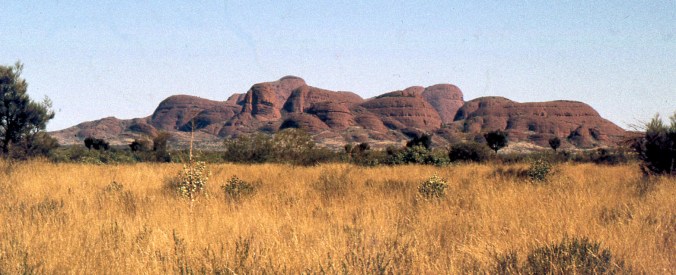
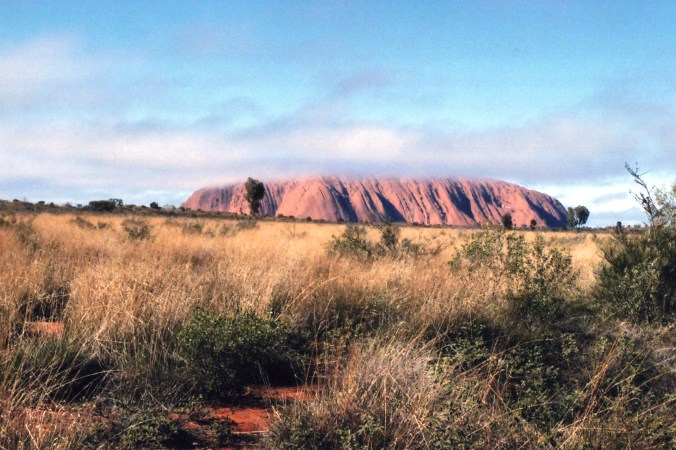
We sailed along on the road to Uluru, the warmth of the sun on our cheeks and breeze in our hair. Sand-hills rolled up and down and then into the distance. Black trunks of ironwood trees flitted past. The Rock made random appearances and disappeared. A wheel flew past and bounced into the bush.
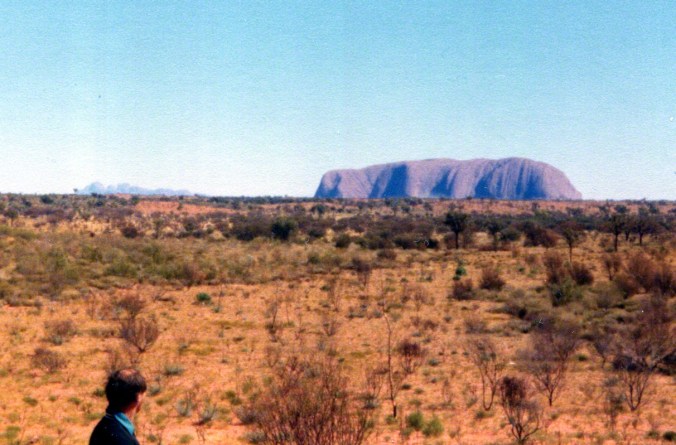
*[Photo 1: Glimpse of Uluru and Kata Tjuta © L.M. Kling (nee Trudinger) 1977]

I looked at Richard. ‘What was that?’

‘A tyre.’

‘Where did that come from?’

‘The trailer,’ Richard remarked with a sigh and pointed.

The trailer scudded on its side, red dust billowing all around it.

Richard leaned over the rail and thumped the driver’s window. The Rover eased to a stop and Dad leapt out. ‘What?’

‘The trailer!’ Richard said. ‘Again!’
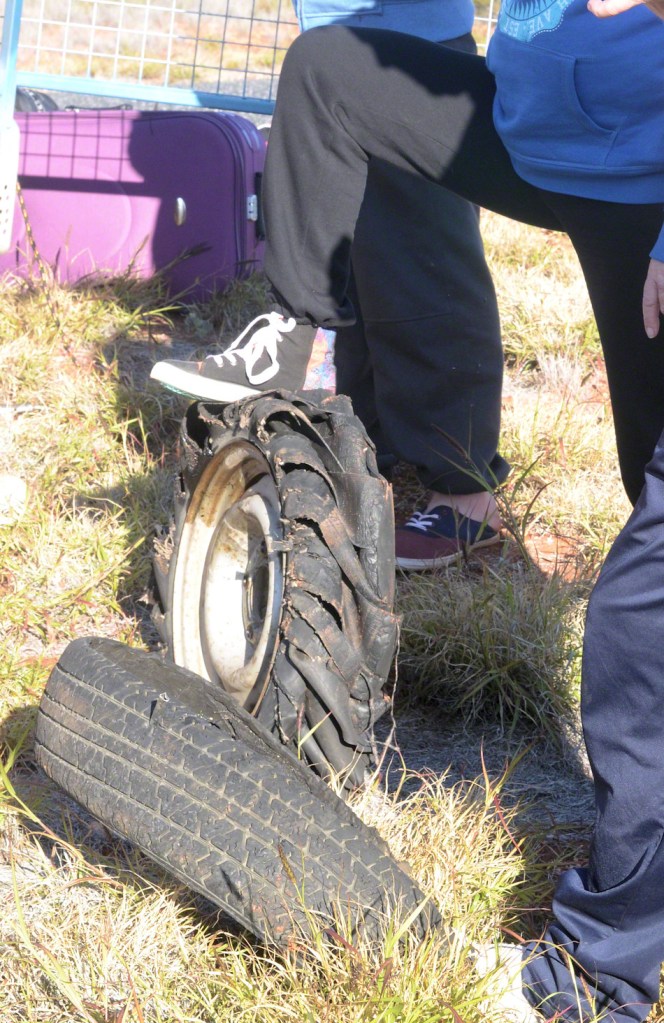
*[Photo 2: Shredded tyre travails of the T-Team’s travels © L.M. Kling 2013]

The men gathered around the trailer and discussed their options in lowered tones. Dad frowned, he put his hands on his hips and gazed at the ground as Mr. B glared at him.

‘Poor! Very poor for a trailer!’ Mr. B muttered. ‘What are we going to do about it, mate?’

Dad shifted his feet and then with his boot scuffed the stones. ‘I don’t know. What do you reckon, Richard?’

Richard shrugged.

‘I say, laddie, can you find that tyre?’ Mr. B asked.

‘It’s long gone,’ Richard said. ‘But I’ll try.’

‘They’re expensive.’ Dad kicked the one remaining trailer tyre. The men stared at the one-wheeled trailer as though they were visiting a gravesite.

‘Alright,’ Richard muttered, ‘I’ll go and see if I can find it.’

Richard stomped down the road. He placed his hand above his eyes and peered in the direction the tyre had vanished into the scrub.

Matt caught my gaze. ‘Boring!’

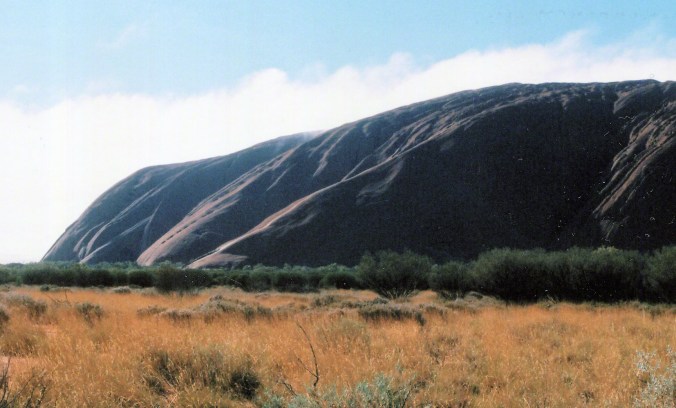
‘Let’s go up that hill and see if we can take a photo of Ayers Rock and the Olgas,’ I said. As we were walking, I conveyed the information I had gleaned from Dad about the Olgas. ‘Did you know, Matt, that the people who own this land call this amazing collection of giant boulders, Kata Tjuta which means “many heads”?’

‘How far are the Olgas from Ayers Rock?’ Matt asked.

‘My dad reckons they are 30 miles west of Uluru,’ I replied. ‘he says we’re going to camp outside the national park, just beyond the Olgas.’

‘Olgas, that’s a funny name.’

 ‘Yeah, it’s German, I think. Dad was telling me that in 1872, the pioneer explorer Ernest Giles discovered them and called them “The Olgas”, after Queen Olga of the German Kingdom of Württemberg.’

 ‘Imagine having a few rocks named after you.’ Matt laughed. ‘The Boulders of Lee-Anne.’

‘Matt’s Massif,’ I joked.

Matt tittered. ‘What about, Richard’s Rock?’

‘Hey, I just remembered, back in Ernabella, there’s a Trudinger Hill. How cool is that?’

‘So, every time, people see those funny rocks and boulders in the distance, they will be reminded of some mouldy old German queen.’

‘Now that you put it that way, sounds a bit odd, us Europeans putting our names on the features of this ancient land. I wonder if they’ll eventually change the names back to what the Pitjantjara peoples call it someday.’
3.
4.
5.
[Photo 3,4, & 5: Views of Uluru and Kata Tjuta © L.M. Kling 2013]

We mounted the nearby rise and admired the Rock, bathed in the blue of midday.

‘There are certain advantages to trailers breaking up,’ I remarked.

Matt nodded. ‘Yep, sure are.’

‘It’s like an adventure.’

‘Yep, sure is.’

*[Photo 6: Sunset on Uluru © S.O. Gross circa 1950]

The men decided to leave the trailer on the side of the road and fix it upon our return when we passed that way. By then we hoped to have the parts and equipment required to reattach the rogue wheel that Richard had found and then hidden underneath the trailer.

© Lee-Anne Marie Kling 2018; updated 2022; updated 2026

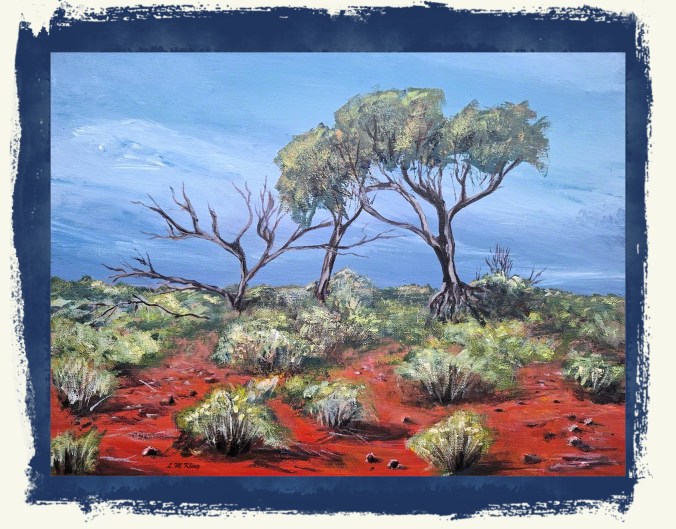
*Feature Painting: Sunrise on Kata Tjuta (Known as The Olgas until 1993 but by 2002, its name has been officially reverted to its indigenous name, Kata Tjuta) © L.M. Kling 2013

***

Want more? Want to know exactly how many tyres the T-Team trashed?

Why not binge on the T-Team Adventures in the Centre?

Click here for:

The T-Team With Mr. B: Central Australian Safari 1977

 Trekking With the T-Team: Central Australian Safari 1981

And escape in time and space to the Centre of Australia …

Travel with the T-Team Next Gen–Return to Adelaide

T-Team Next Generation — From Alice to Adelaide (1)

[In 2013, the T-Team, next generation embarked on their pilgrimage to Central Australia. Purpose: to scatter Dad’s ashes in his beloved Central Australia, in Ormiston Gorge.

Over the next few months, I will take you on a virtual trip to the Centre and memories of that unforgettable holiday in 2013, with my brother and his family; the T-Team Next Generation.

This time, the T-K Team commences their return to Adelaide from Alice Springs.]

Back to the Big Smoke of the South

After packing up our belongings into our trusty Ford, topping up with petrol, and cash supplies, we departed Alice Springs and headed south to Adelaide. It’s amazing what one discovers retracing our steps to South Australia. In the morning sunlight, there, mini-Ulurus, mini–Kata Tjutas, and mini-Mt Conners.

[Photo 1 and Feature: One mini-Ayers rock © L.M. Kling 2013]

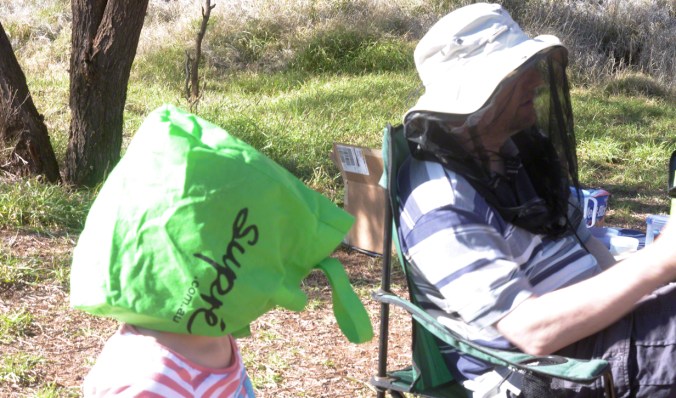
At Kulgera, we shared lunch with flies. All around us, people swished at their faces. My glasses kept falling off as I fanned the flies away. In the end, I put on my sunnies. Then, when that strategy failed, we retreated into the roadhouse and had coffee in the restaurant. Self-serve for $3.

[Photo 2: Probably one of the most effective ways to keep the flies at bay © L.M. Kling 2013]

I drove the following 180 kilometres to Marla. A slow drive at times, stuck behind cars pulling caravans.

‘Why don’t you overtake?’ Hubby whined.

‘I’m playing it safe,’ I replied. ‘Better to be late than dead on time.’

‘Humph!’

The caravan convoy eased into Agnes Creek.

‘Ah, freedom!’ I said and pressed on the accelerator. The Ford powered up to 100 km/h.

‘Careful!’ Anthony warned. ‘Don’t go too fast.’

‘I won’t.’

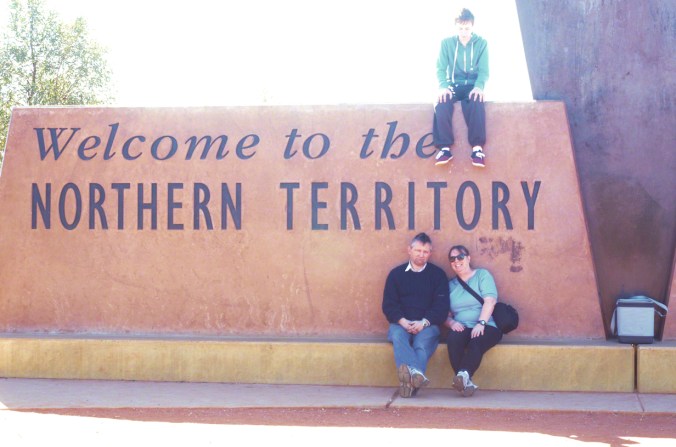
I kept my promise and maintained a steady 100 km/h all the way to the border of South Australia and the Northern Territory.

[Photo 3: Distant memories of entering the NT two weeks prior © L.M. Kling 2013]

There, at the border, we parked to check our itinerary of food for fruit and vegetables. Owing to the prevention of bringing any fruit fly infestation into South Australia, fruit and vegetables had to be disposed of in the bins provided. More flies hovered around, joining our forage in the back of the Ford.

A passing Northern American tourist remarked, ‘Are South Australians so precious?’

‘Yes, we are,’ I muttered to Hubby, ‘how else have we kept the scourge of fruit fly out of our state?’

All around us, fellow travellers hauled out their luggage from their cars or four-wheel drive vehicles and disposed of their fresh produce. None of them looked happy.

Sitting on a picnic table, a lad about Son 1’s age, and wearing a fly net, boiled up a pan of canned corn and peas on a portable gas cooker.

Nodding in their direction, I remarked to my husband, ‘Do they think canned vegetables are a problem?’

‘Quiet, Lee-Anne, they might hear you,’ my husband snapped.

‘Maybe someone should tell them that it’s only fresh vegetables that need to be disposed of.’

Hubby shook his head. ‘Come on, let’s get going.’

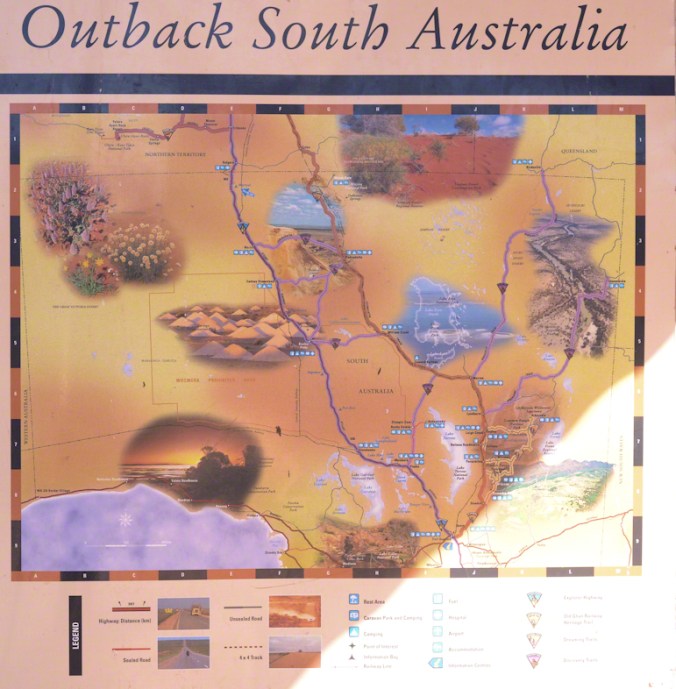
After depositing the few offensive apples and oranges in the bin, we piled into the Ford and charged forth on our journey south down the Stuart Highway.

[Photo 4: The map: Down the Stuart Highway we go © L.M. Kling 2013]

A sign warned of penalties for the non-disposal of fruit and vegetables.

Hubby breathed in. ‘Oh, no, what about the potatoes?’

‘We have potatoes?’

He nodded. ‘What are we going to do?’

I shrugged. ‘Eat them? For tea?’

‘How are we going to do that?’

‘I guess we’ll have to stop over at Marla and camp there tonight. Then cook up the potatoes.’

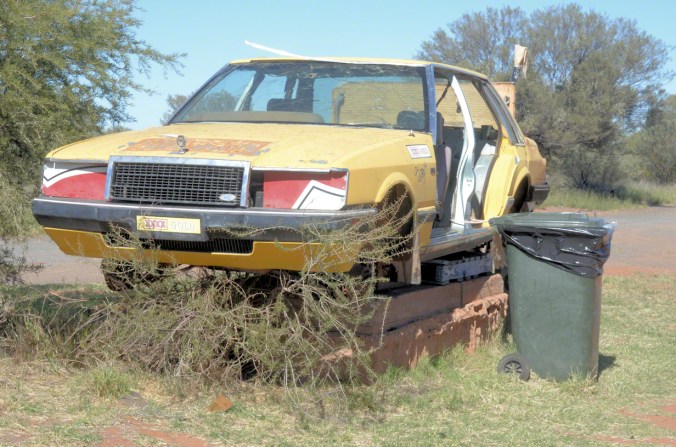
[Photo 5: Better late than dead on time—car body at Marla © L.M. Kling 2013]

With the potatoes securely stored in the cooler hidden in the Ford, we stepped into Marla’s red brick tourist park office. Tent site? No problem. Plenty of room on the grassy park for campers.

However, fearful that the biosecurity police might emerge from under a mini-Ayers rock and ping us with a hefty fine, I was designated to cook up the potatoes and one offending onion, while Anthony pitched the 2-person tent in the middle of the verdant camping reserve. My potato dish was not exactly rösti, though.

While frying up this “contraband” fare, a familiar white van whizzed past. I stepped out of the BBQ shelter and waved to them. The white van turned around.

The T-Team joined us for our potato and onion fry. Our nephew contributed their stash of vegetables to make a stir fry. Mrs. T shared the T-team’s adventures visiting a friend’s cattle station south of Alice the past couple of days.

My older niece was not her usual cheerful self. While helping me wash the dishes in a crummy camp kitchen with little light, Brother T confided in me that she may not have been happy about driving the Oodnadatta track.

‘Yeah,’ I said, ‘she must know that track is full of tacks to bust tyres.’

He laughed. ‘Oh, yeah! Maybe we won’t go that way…’

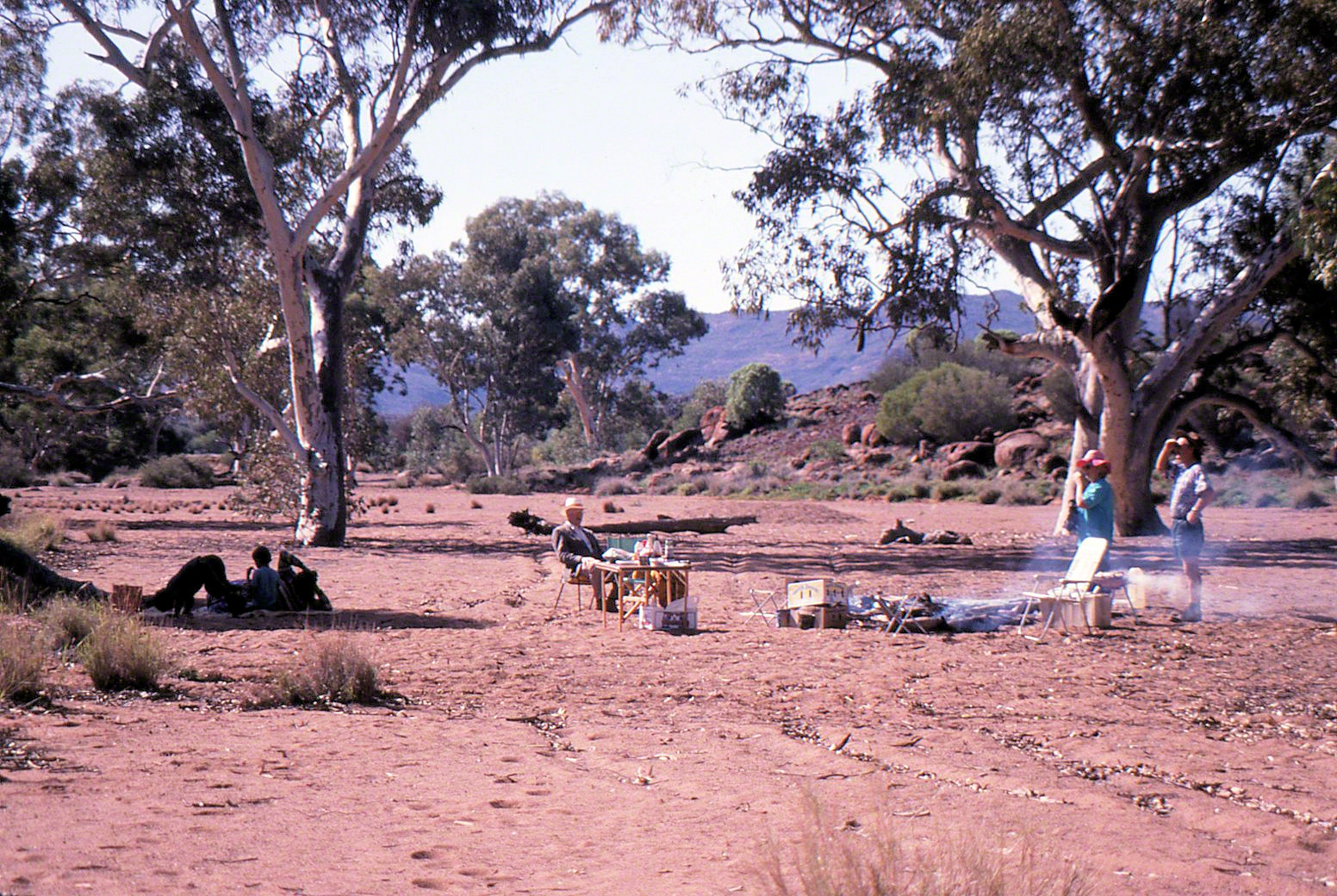
[Photo 6: Reminiscent of past ventures with the T-Team: Lunch at Ernabella with Dad’s brother © C.D. Trudinger 1992]

We waved the T-Team off on their venture south at around 8.30 pm. Then Hubby crawled into the tent and began tossing out clothes, bags, and stuff into the frigid frosty night.

‘What are you doing?’ I asked.

‘Where are you hiding the drink bottles?’ he cried.

‘Are they in the car?’

‘No, I’ve looked there.’

‘Sure, they’re not in the BBQ hut?’

‘No, where have you hidden them?’

‘I don’t remember, “hiding” them. They must be left somewhere,’ I said. ‘It’s too dark to look for them now, so you might just have to be satisfied with the thermos.’

With a grunt, he, who is always right, shrugged on an extra coat, sat outside the tent, sipping hot chocolate from the thermos, and playing with his phone. Wrapped in my sleeping bag, I sat beside the man who had lost his water bottle and wrote my diary by torchlight. Ours was one lonely tent in an expanse of couch grass.

[Photo 7: Like Father like son-in-law, parting with one’s water container brings such sorrow. Somewhere in this landscape of Liebig is my dad’s lost quart can © C.D. Trudinger 1981

Having lost the battle to mourn the temporary loss of his water bottle alone, Hubby crawled into bed at 10 pm. Soon after, I followed him, and in the warmth of the thermal sleeping bag, I soon fell asleep.

© Lee-Anne Marie Kling 2021; updated 2026

Feature Photo: Mini Ayers Rock © Lee-Anne Marie Kling 2013

***

Virtual Travel Opportunity

For the price of a cup of coffee (takeaway, these days),

Click on the link and download your kindle copy of my travel memoirs,

Trekking with the T-Team: Central Australian Safari 1981. (Australia)

The T-Team with Mr. B: Central Australian Safari 1977

Arty Friday–Bunyip Chasm

Story Behind the Painting: Bunyip Chasm

Have a Happy and Blessed Easter.

As it is the Easter weekend and in keeping with Arty Friday, a story of my Easter break camping in the Gammon Ranges with my father and then future husband.

THE BIRTH OF “BUNYIP CHASM”—THE PAINTING

You need to loosen up with your painting,’ my art teacher said.

So, with a palette-knife, I did with…

Over the Easter break in 1986, Dad took my boyfriend (future husband) and me to the Gammon Ranges. Dad had gone there the previously with his photographer friend and he was keen to show us some of the scenic secrets these ranges held.

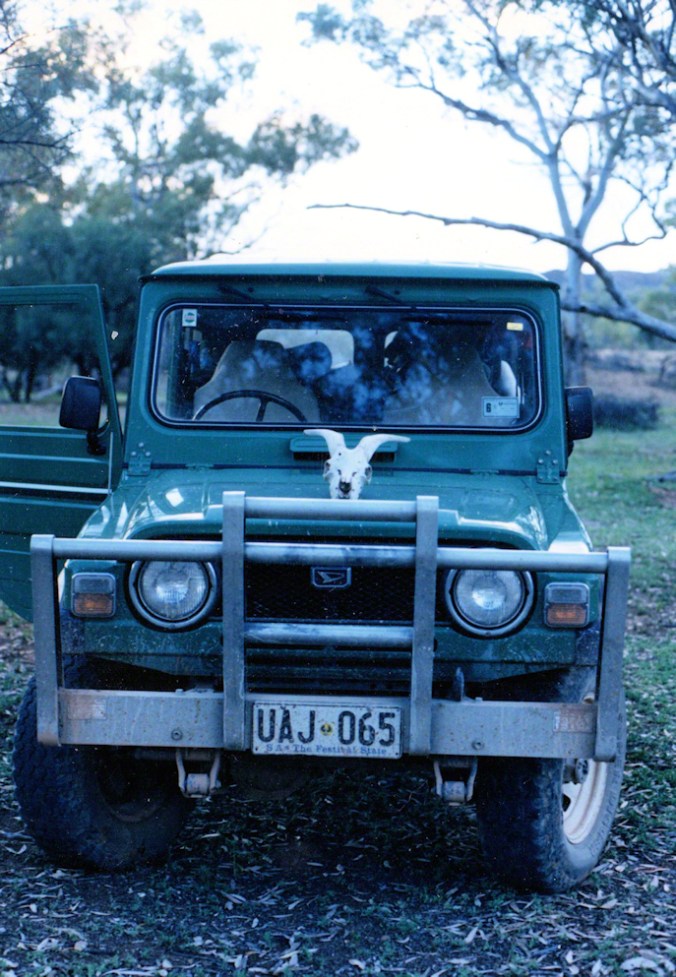
We bumped and rolled in Dad’s four-wheel drive Daihatsu down the track into the Gammon Ranges. We camped near Grindell’s Hut, backpackers’ accommodation. A murder-mystery from the early Twentieth Century involving the hut’s owner, spiced our discussion around the campfire that night. Then we set up a tent, for boyfriend, on the ground above the bank of the creek. I placed my bedding also above the creek under the stars. Dad opted for his “trillion-star” site underneath a river gum. No tent for him, either.

[Photo 1: The Daihatsu © L.M. Kling 1986]

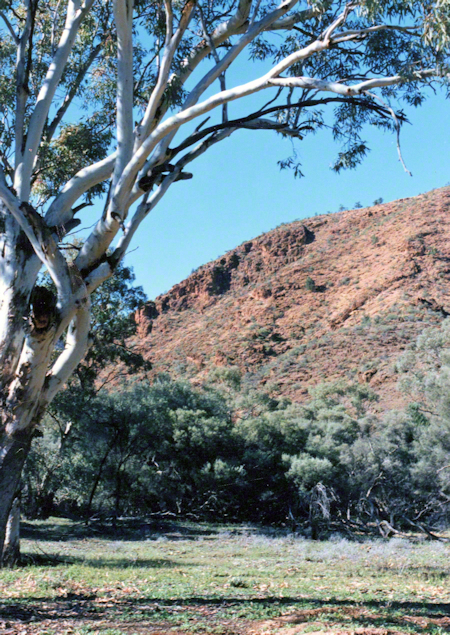
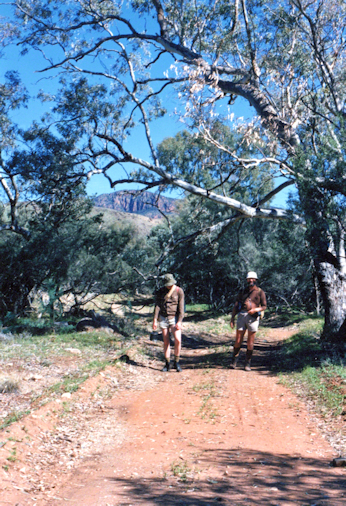
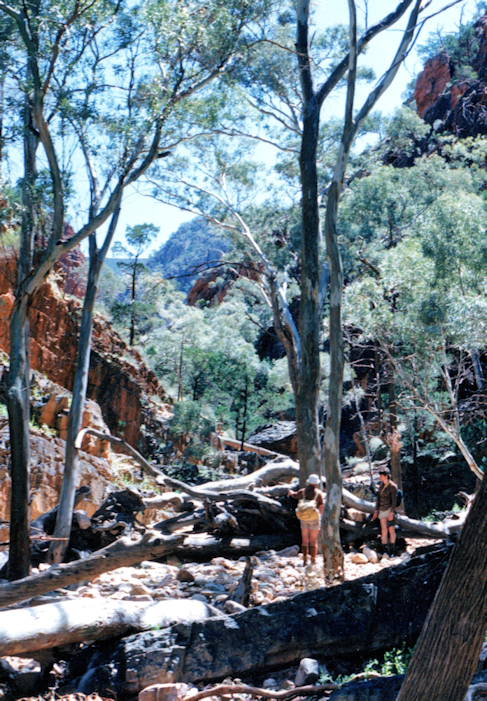
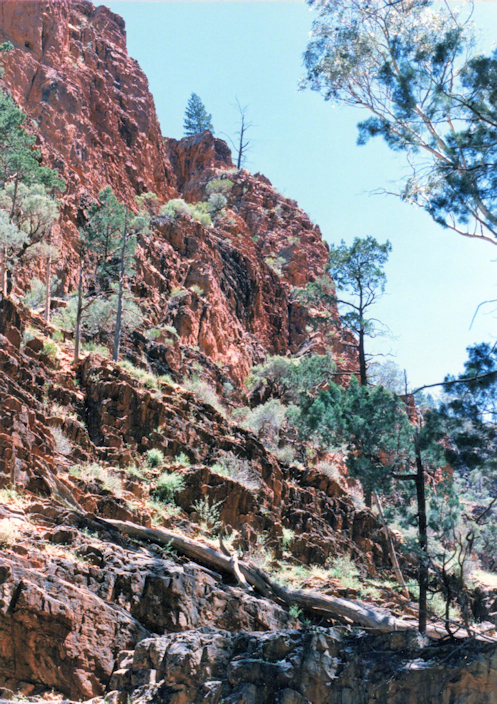
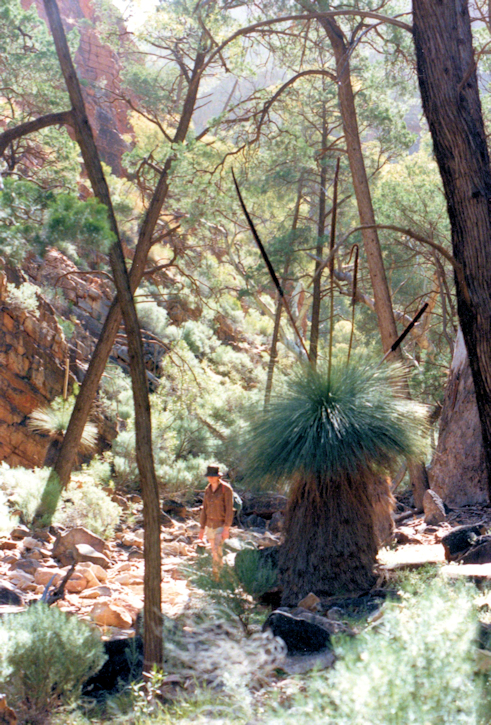
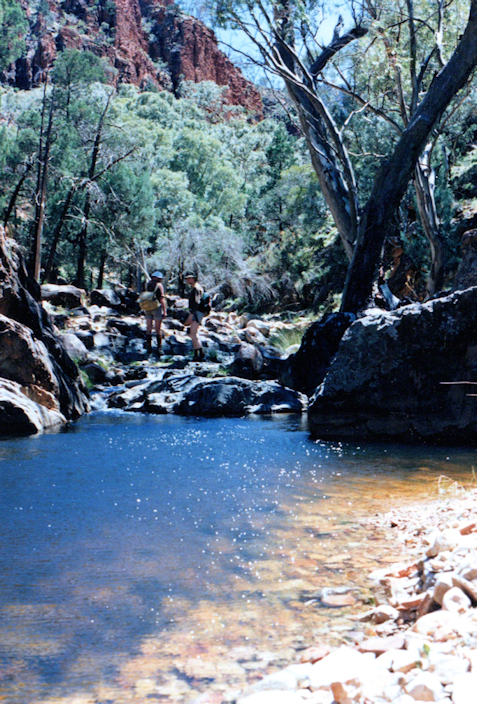
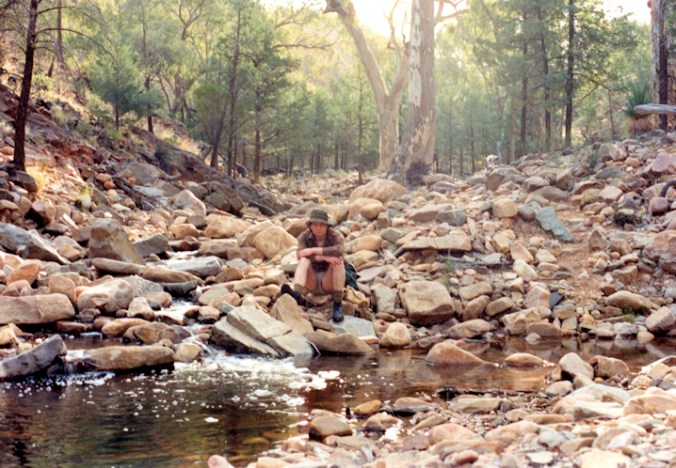
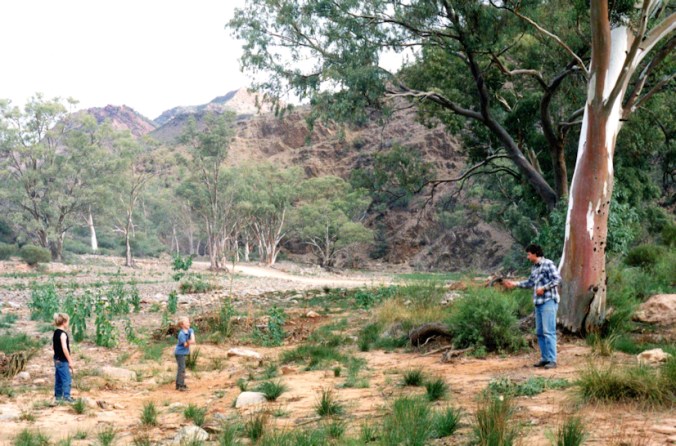
The next day Dad guided us along the Balcanoona creek bed shaded by native pines to Bunyip Chasm. After an hour or two of hobbling over rounded river stones, we arrived at a dead-end of high cliffs.

[Photo 2: Balcanoona Creek, beginning our hike © L.M. Kling 1986]

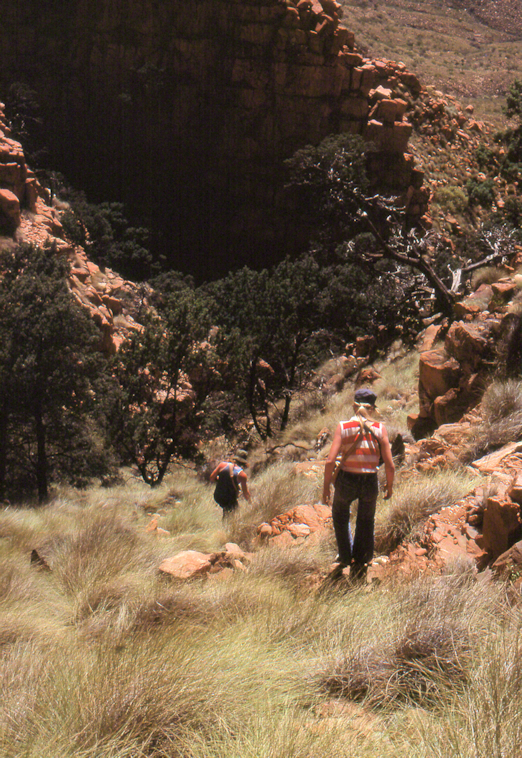
[Photo 3: Trekking of the T-K Team in search of Bunyip chasm © L.M. Kling 1986]

[Photo 4: Waiting for me to catch up © L.M. Kling 1986]

‘Is this it?’ my boyfriend asked. ‘Is this Bunyip Chasm?’

‘I think so,’ Dad said as he squinted at the waterfall splashing over the cliffs. ‘It looks familiar.’

‘I don’t see any chasm,’ I said.

‘Just wait a minute,’ Dad said and then disappeared through some scraggly-looking bushes.

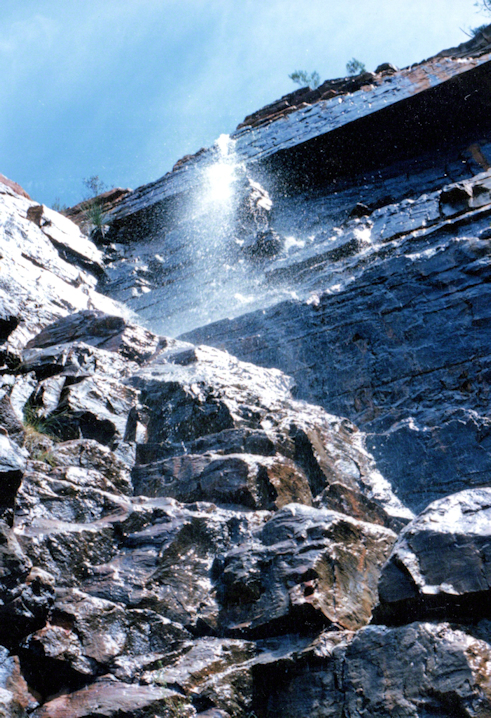
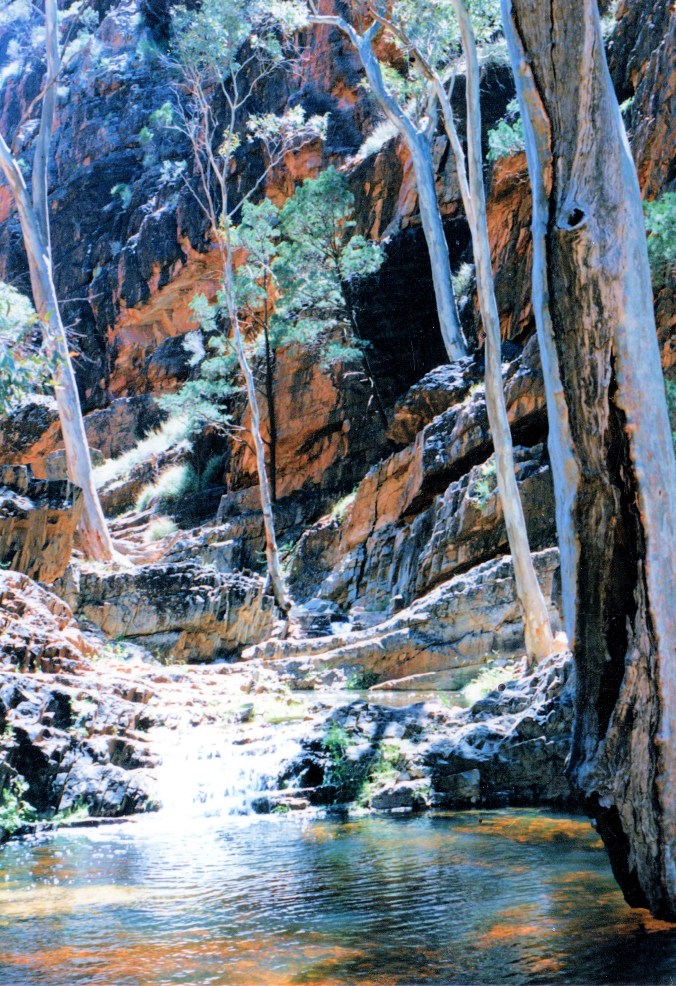
I waited and took photos of the water spattering over dark cliffs set against a cobalt blue sky.

[Photo 5: Is this it? The end of the gully with cliffs dotted with native pines © L.M. Kling 1986]
[Photo 6: Water cascading over cliffs © L.M. Kling 1986]

Dad tramped back to us. ‘It’s over here. The water’s deeper than last year, so I don’t think we can go through.’

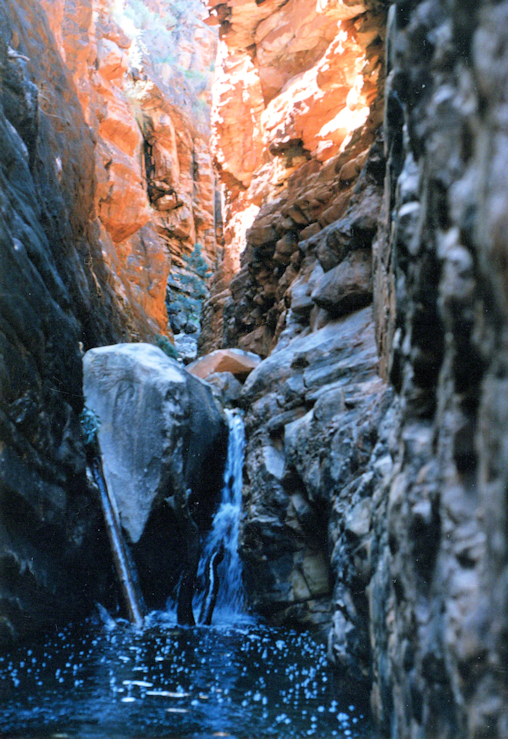
We trekked after Dad, pushing the bushes and then reeds aside. There, the split in the hillside, and a deep pool of water lurking in the shadows.

[Photo 7: Beginnings of Bunyip Chasm © L.M. Kling 1986]

‘Do you think we can swim through?’ I asked. I had worn my bathers in the hope of swimming in a waterhole.

‘Nah, it’s too deep and cold,’ Dad said. ‘I wouldn’t risk it.’ Dad then scanned the surrounding cliffs and shook his head.

I took more photos of the cliffs, hillside and of course the chasm.

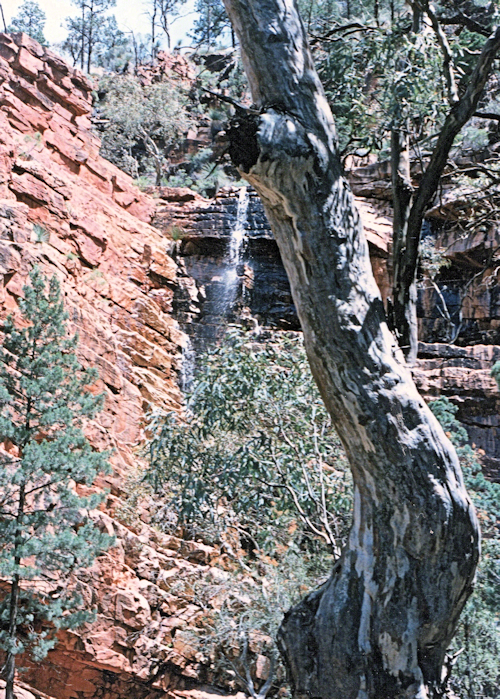
[Photo 8: Waterfall near Bunyip Chasm © L.M. Kling 1986]

‘Come on, we better get back,’ Dad said and then started to hike back the way we came.

We trailed after Dad. Although native pine trees shaded our path, the hiking made me thirst for a waterhole in which to swim. I gazed up at the lacework of deep blue green against the sky and then, my boot caught on a rock. I stumbled. My ankle rolled and twisted. I cried out. ‘Wait!’

[Photo 9: Afternoon return to camp © L.M. Kling 1986]

‘What?’ the men said at the same time.

‘I hurt my ankle; I need to soak it in cold water.’

Dad stamped his foot. ‘Well, hurry up. We have to get back to camp before dark.’

I pulled off my jeans and T-shirt.

‘What are you doing?’ my boyfriend asked.

‘I’m soaking my ankle; I twisted it, and I learnt in first aid that you need to apply a cold compress to it.’

Boyfriend put his hands-on hips and sighed.

I gave him my camera. ‘Here, take a photo of me in the pool.’

Boyfriend swayed his head. But as I soaked my foot and the rest of me—any excuse for a swim—boyfriend took my photo.

[Photo 10: My Foot-soaking pool © A.N. Kling 1986]

After about ten minutes, with my ankle still swollen and sore, I hobbled after the men. We climbed down a short waterfall and at the base, I looked back. The weathered trunk of an old gum tree leaned over the stream, three saplings basked in the late-afternoon sunlight against the sienna-coloured rocks, and clear water rushed and frothed over the cascading boulders and into pond mirroring the trees and rocks above.

‘Stop! Wait!’ I called to the men.

[Photo 11: Waiting for me to foot-soak © L.M. Kling 1986]

‘We have to keep on going,’ Dad said and disappeared into the distance.

Boyfriend waited while I aimed my camera at the perfect scene and snapped several shots.

[Photo 12: The scene that inspired the painting © L.M. Kling 1986]

Then holding hands, we hiked along the creek leading to our campsite and Dad.

‘I’m going to paint that little waterfall,’ I said.

We walked in silence, enjoying the scenery painted just for us—the waves of pale river stones, the dappled sunlight through the pines, and a soft breeze kissing our skin.

[In memory of my father Clement David Trudinger (13-1-1928—25-8-2012)]

© Lee-Anne Marie Kling 2016; updated 2020; 2024; 2026

Feature painting: In Search of Bunyip Chasm © L.M. Kling 1989

***

Want more but yet to travel down under?

Why not take a virtual journey with the T-Team Adventures in Australia?

Click here on the links:

The T-Team with Mr. B: Central Australian Safari 1977

Trekking With the T-Team: Central Australian Safari 1981…

And escape in time and space to Central Australia 1981…

Travelling Friday–Hermannsburg Revisited

[In 2013, the T-Team, Next Generation embarked on their pilgrimage to Central Australia. Purpose: to scatter Dad’s ashes in his beloved Central Australia, in Ormiston Gorge.

Over the next few months, I will take you on a virtual trip to the Centre and memories of that unforgettable holiday in 2013, with my brother and his family; the T-Team Next Generation.

This time, the T-K Team (my husband and I) return to Hermannsburg and catch up with friends there.]

Hermannsburg Here We Come

As we powered along the sealed Larapinta Highway, I mused, what a difference some 60-70 years makes. When Mum T lived in Hermannsburg, back in the 1940’s and 50’s, the trip to Alice Springs was a long arduous half-a-day journey on a dirt track in a truck where one spent several days in Alice Springs stocking up on supplies.

[Photo 1: Travelling in Central Australia in 1950’s required a stop for lunch…]
[Photo 1b: Or for the car to recover… In outback Australia, there were few sealed roads back then © M. E. Trudinger 1956]

As we passed the turn off to Jay creek, I said to Hubby, ‘Mum told us the story of her mum (Grandma Gross) who, when the Finke flooded, had to wade through the waters to reach the other side to continue the journey to Alice Springs. She was 8-months pregnant at the time.’

[Photo 2: Community enjoying the Finke in flood © C.D. Trudinger circa 1955]

‘Hard to imagine the creek flooding,’ Hubby glanced at the dip, a dry riverbed, that signalled the up-coming fork in the road leading the Hermannsburg. ‘But I know from camping in the Flinders Ranges, at the first drops of rain, you don’t hang around, you get out.’

‘Your mum and friend didn’t when they camped at Parachilna,’ I said. ‘They were stuck there on an island with the river all around them for days.’

‘I know, my mum’s friend liked to take risks.’

[Photo 3: K-Team in Parachilna Gorge when not in flood, but very windy © L.M. Kling 2000]

A sign with an image of a cow, and below written, “Beware of wandering stock”, flashed by. Brumbies galloped on the side, as if racing with us. Hawks soared in the cobalt blue sky above. A lone wedge-tail eagle, having gorged on a carcass of roadkill, waddled off the road just in time, avoiding the same fate as its feed.

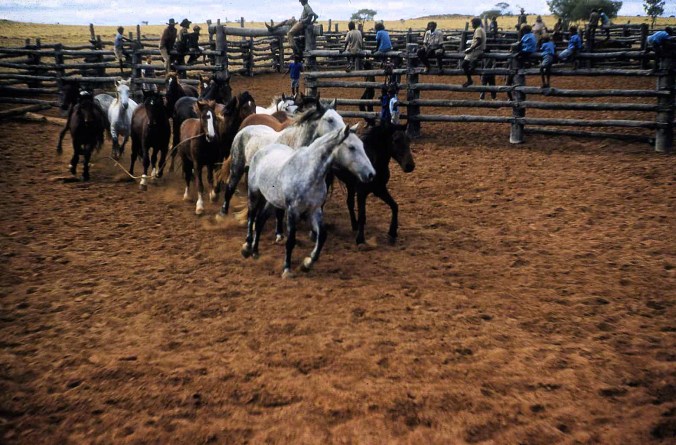
[Photo 4: Brumbies rounded up in times past, Hermannsburg stock yards © C.D. Trudinger circa 1955]

This time, when we arrived in Hermannsburg, we made a beeline for the FRM store where we located our friend, P. He welcomed us and gave us a tour of the store. So much bigger than in 1981; more like the size of our local IGA store in size and shelves fully stocked. It even stocked fridges and washing machines. P proudly showed us the bakery where fresh bread is made each day and he introduced us to the Indigenous workers at the store.

[Photo 5: In front of the store © L.M. Kling 2013]

After settling into our P and K’s home, we spent the afternoon drinking coffee and storytelling with P and K. Storytelling continued over dinner. Much had changed since the T-team visited in 1981. The population of Hermannsburg has now grown to 600, the Finke River Mission still exists there, and the Christian community is growing. However, there remain challenges for the Indigenous community as there are in communities all over Australia, and the world. ‘It just is,’ as P stated, ‘we’re at the coal-face, being a small, isolated outback community; you see everything…’

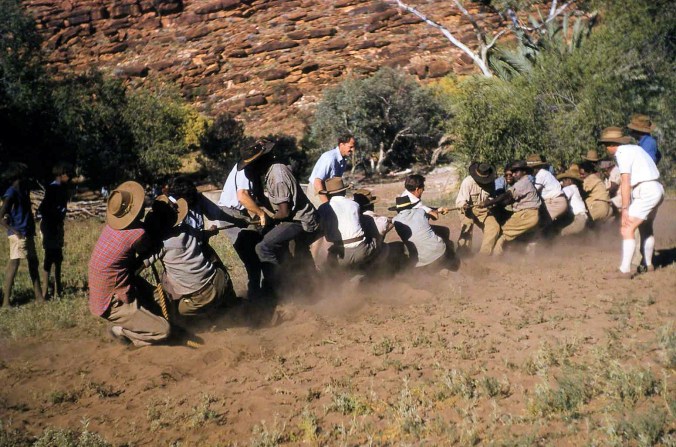
[Photo 6: Memories of times past celebrating Kuprilya Day © C.D. Trudinger circa 1955]

‘Whereas,’ I concluded, ‘in the city it’s hidden by numbers, a larger population and behind the walls of our castles.’ Then I changed the subject. ‘Oh, by the way, this is the house I stayed in when the T-team visited Hermannsburg in 1981.’

© Lee-Anne Marie Kling 2021

Feature Photo: Hermannsburg way back when, enjoying a game of friendly footy © C.D. Trudinger circa 1955

***

Virtual Travel Opportunity

For the price of a cup of coffee (takeaway, these days),

Click on the link and download your kindle copy of my travel memoirs,

The T-Team with Mr. B: Central Australian Safari 1977

Trekking with the T-Team: Central Australian Safari.

Travelling on a Friday–Alice Springs

All On a Sunday (5)

[In 2013, the T-Team, next generation embarked on their pilgrimage to Central Australia. Purpose: to scatter Dad’s ashes in his beloved Central Australia, in Ormiston Gorge.

Over the next few months, once a month, I will take you on a virtual trip to the Centre and memories of that unforgettable holiday in 2013, with my brother and his family; the T-Team Next Generation.

This time, the T-Team leave camping in the desert behind and tackle the complexities of civilisation—Alice Springs … All on a Sunday.]

Must Register

By the time our family and Mum drove the streets of Alice Springs in search of a hotel to eat, night had fallen, and a blanket of darkness surrounded us. As a convoy of Mum’s rental and the Ford, we wended through the few short streets to the nearby hotel which had been recommended by the caravan park.

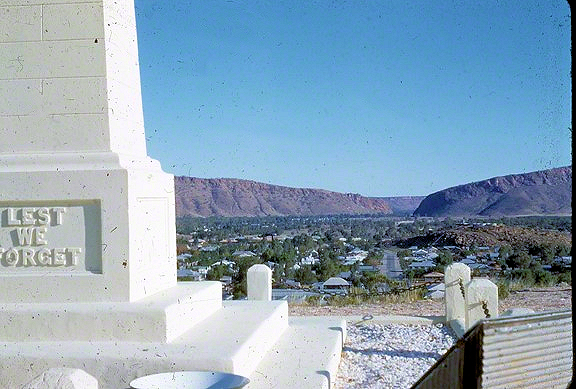
[Photo 1: Memories of Alice Springs way back when—View From Anzac Hill Memorial © courtesy of M.E. Trudinger circa 1955]

‘Hope we can get a table,’ Anthony grumbled as we walked from the neon-lit car park to the entrance of the hotel. ‘We haven’t booked, you know.’

‘If we can’t, I guess you’ll be cooking tea for us all,’ I joked.

‘It’ll be alright,’ Mum sang her mantra.

[Photo 2: Mr. BBQ extraordinaire © L.M. Kling 2020]

Our family of five filtered through the front entrance and into an expanse of dark green carpet and pastel green walls and fronted up to the black topped counter.

‘Do you have a table for five?’ Mum T asked.

‘You need to register,’ the man at the counter said.

Anthony and I glanced at each other. ‘Register?’

‘We need to see your identification; a drivers’ licence will be okay.’

‘That’s normal for me,’ Son 1 said, ‘They always ask for my ID. They don’t believe I’m over 18.’

Son 2 snorted, ‘And here I was getting into hotels when I was under 18, no problem.’

‘Just your luck,’ Son 1 muttered.

‘And I don’t drink,’ Son 2 sniffed.

‘Typical.’

[Photo 3: Neither does my brother, but you wouldn’t think so by the looks of this shot © L.M. Kling (nee Trudinger) 1986]

While the boys quibbled and joked, the T-K Team, good citizens that we were, unquestioningly showed our respective licences and registered to enter the hotel.

As we sat at our designated table, we observed the predominance of people of Anglo-Saxon extraction and the lack of First Nation people. There was one Indigenous family way down the other end of the dining hall, but… They seemed happy enough.

Over dinner, roast meat, and smorgasbord, (your average fare for an Aussie hotel at that time), I mused, ‘What’s the deal with registering?’

Anthony waved a hand around the room. ‘Isn’t it obvious? Didn’t you read the sign at the entrance?’

‘What sign?’

Anthony rolled his eyes and shook his head.

Then again, I understood, without further explanation, what my husband meant.

[Painting 1: Memories of Ormiston Gorge © L.M. Kling 2018]

Back at the campsite, I used the communal kitchen to prepare a hot chocolate for Anthony and me. While the kettle took its time boiling, I watched a pair of German tourists and their Australian friends Skyping on a laptop to Germany.

[Photo 4: Dreams of travelling the Romantic Road; something to look forward to. Rothenburg ob der Tauber © L.M. Kling 2014]

Then, soporific from the effects of warm chocolaty milk, hubby and I snuggled into our sleeping bags and it was lights out for us…only, it wasn’t that much light out—we still had the toilet block light beaming into our tent…all night. And on our minds wondering who were the T-Team imposters?

© Lee-Anne Marie Kling 2021

Feature Photo: Hermannsburg Sunset © C.D. Trudinger circa 1955

***

Virtual Travel Opportunity

For the price of a cup of coffee (takeaway, these days),

Click on the link and download your kindle copy of my travel memoirs:

The T-Team With Mr. B: Central Australian Safari 1977

Trekking with the T-Team: Central Australian Safari. (Australia)

Arty Friday–Kata Tjuta

Kata Tjuta at Sunrise

[Remembering my dad, Clement David Trudinger 13-1-1928—26-8-2012

Extract from Trekking with the T-Team: Central Australian Safari 1981]

Way before the sun had even thought about rising, we gulped down our porridge and then set off for the Eastern Side of Kata Tjuta. Dad was on a mission to capture the prehistoric boulders at sunrise. We arrived at the vantage point just as the sun spread out its first tentative rays, touching the spiky tips of spinifex and crowning the bald domes with a crimson hue as if they’d been sunburnt.

[Painting 1: Kata Tjuta Sunrise (watercolour) © Lee-Anne Marie Kling 2015]

I dashed a hundred metres down the track to photograph the “Kangaroo Head” basking in the sun. We stood in awe as the glow of red on the rocks deepened.

Every few minutes Dad exclaimed, ‘Ah, well, that’s it, that’s as good as it’s going to get.’ He packed the camera away, only to remark, ‘Oh, it’s getting better,’ then retrieve the camera from the bag and snap Kata Tjuta flushed with a deeper, more stunning shade of red. The rest of the T-Team, waited, took a few shots, waited, mesmerised by the conglomerate mounds of beauty, before taking more snaps of the landscape.

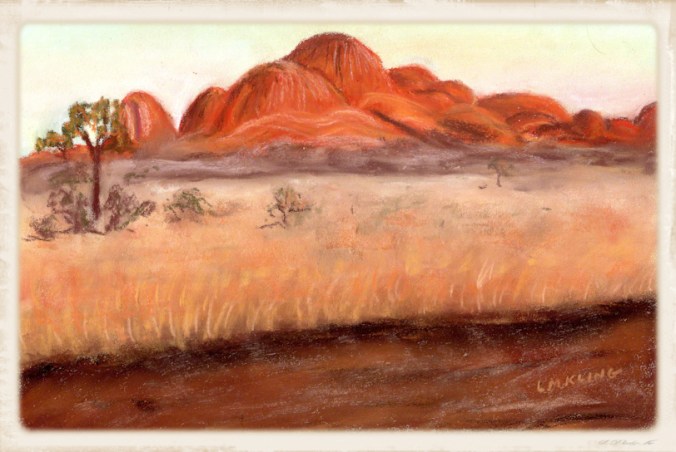
[Painting 2: Soft Sunrise Glow of Kata Tjuta (pastel) © Lee-Anne Marie Kling 2021]

TR patted Dad on the back. ‘Well, the early rise was worth it.’

© Lee-Anne Marie Kling 2016; updated 2021; 2025

Feature Painting: Sacred Sunrise, Kata Tjuta (acrylic) © Lee-Anne Marie Kling 2021

***

Dreaming of Australian Outback adventure?

The Intrepid T-Team Series

Available on Amazon Kindle or as your own Aussie coffee-table books.

Click on the links below …

The T-Team with Mr. B: Central Australian Safari 1977

Trekking With the T-Team: Central Australian Safari 1981

Travelling Friday–T-Team Next Generation (3)

[Over ten years ago, the T-Team, Next Generation embarked on their pilgrimage to Central Australia. Purpose: to scatter Dad’s ashes in his beloved Central Australia, in Ormiston Gorge.

Over the next few weeks, I will take you on a virtual trip to relive and rekindle memories of our travel adventures. This time again to the Centre and memories of that unforgettable holiday in 2013, with my brother and his family; the T-Team Next Generation.]

Yulara

Sunday 7 July 2013

Creature Comforts

Anthony tore off the tarpaulin and then, armed with the foldable shovel, stomped off in the direction of the bushes.

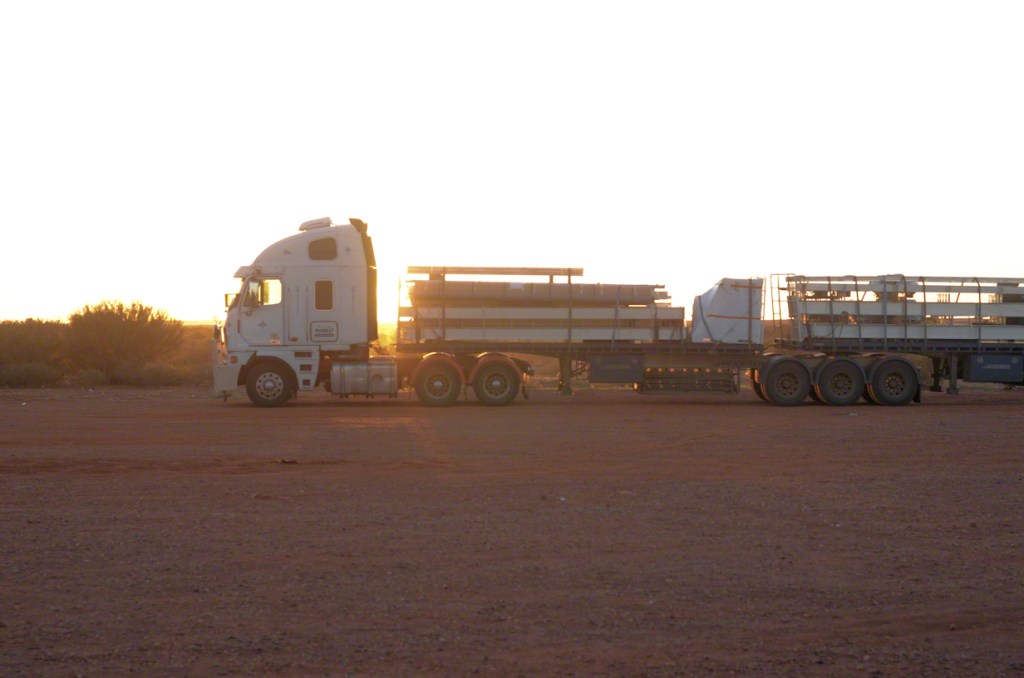
In the harsh light of morning, the scene into which we were brought under the shroud of darkness last night, was revealed. Road trains thundered past on the nearby Sturt Highway. On the opposite side of the road, a couple of these road-monsters basked in the golden rays of the rising sun. Camper vans and caravans crowded the free camping area.

*[Photo 1 and Feature: Early morning road train onslaught © L.M. Kling 2013]
I pottered around the wire fence that protected us from the Adelaide to Darwin rail line. I did not fancy an oncoming Ghan crushing me. Toilet paper littered the stony ground, shreds of it caught in the barbed wire of the fence, and nests of it rested under the salt bush. I gingerly picked up an armful of wood scraps. Hope it wasn’t contaminated.

Anthony returned from his morning adventure; a frown fixed on his face.

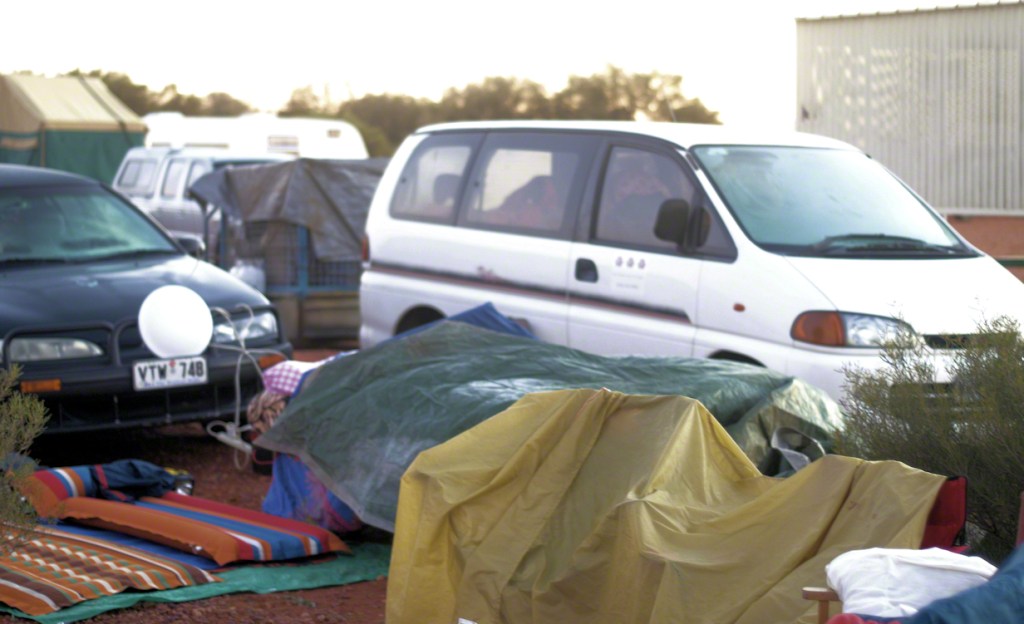
*[Photo 2: Our free “camping” accommodation © L.M. Kling 2013]

‘How did you sleep, dear?’ I asked.

‘Not good, I didn’t sleep a wink.’ He pointed his shovel at the quiet mound resembling my brother and wife. ‘I had a chorus of snorers keeping me awake all night.’ He then glared at my pitiful gathering of sticks. ‘What’s that?’

‘Sticks for a cooking fire.’

My husband rolled his eyes. ‘And where are you going to put that?’

‘Where there’s a clear space.’

‘Good luck.’ He sniffed. ‘There was nowhere even to do my business. I had to walk miles.’ Anthony loves to exaggerate. ‘I can’t believe people don’t cover their mess.’

My nephew came jogging up to us. ‘I want a fire. Where’s the campfire? It’s freezing.’

I glanced around. Spying a clear patch of ground, I announced, ‘Here, I’m getting it started now.’

‘Watch out for any poo. This place is full of it,’ Anthony said.

My nephew chuckled. ‘We’ll use it as fuel, Uncle Anthony.’

Anthony shuddered. ‘Won’t be eating anything from that fire, then.’

I bent down, then cleared stones away to create a shallow basin to make the fire. Soon a small but functional campfire crackled away. Perched on top of the coals, a billy bubbled with boiling water.

Anthony sat some distance from the fire munching on his cereal. There was no way he’d get close to the fire. After all, who know what lies beneath or nearby, on the ground in this part of the world, unregulated by OC Health and Safety.

*[Photo 3: Fire master Anthony © L.M. Kling 2013]

My nephew fried eggs on a frypan on that small but adequate fire.

The free camping site slowly emptied itself of vehicles. First, the trucks disappeared. Then, the Grey nomads, and their luxury on wheels vanished. I imagined they had left once the sun had peeped over the horizon. The caravans had gone too. Just us, the not so grey T-Team stumbled around the parking bay, slowly packing up bedding, wandering beyond in search of a bush in lieu of a toilet, and then gulping down breakfast.

I picked up a stray piece of wood for the fire. A poopy looked up at me. I recoiled. ‘Ee-yew!’

To avoid the inevitable “told you so” from Anthony, my nephew and I announced the fire a success, doused it and covered the remains with dirt.

‘Time to go!’ Mrs. T yelled. ‘Next stop Marla.’

‘What?’ Richard, my brother asked. ‘That’s only about twenty kilometres away.’

‘There’s no way I’m squatting anywhere ‘round here. It’s a tip!’ his wife replied.

*[Photo 4: Making progress; SA-NT Border gathering of T-Team, Next Gen © L.M. Kling 2013]
*[Photo 5: T-Team Climbing the Wall, SA-NT border © L.M. Kling 2013]

So, after a day of driving with the quick toilet stop at Marla, an obligatory exploration and photo stop at the South Australian—Northern Territory border, and then a petrol pause at Erldunda, we turned down the Lassiter Highway to Uluru.

We travelled in convoy on this perfect sunny day. Anthony’s mood seemed to thaw, and he was happy to take the wheel while I filmed parts of the drive with my Dad’s digital movie camera. The bold purple mesa, Mt Conner emerged above the rusty-coloured sand dunes.

We parked at the viewing station to take a photo of this spectacular landform. Some of the T-Party took advantage of the facilities. I had in mind to follow them. But as I approached the wooden huts, the stench and surrounds thick with flies buzzing, made me turn back to the car. I decided to hold on until we reached the Yulara camping ground.

*[Photo 6: Mt. Conner in the afternoon light © L.M. Kling 2013]

The stretch to Yulara wowed us with tantalising glimpses of the rock, in shades of mauve peeping through the waves of low sand dunes and desert oaks.

*[Photo 7: Glimpses of Uluru © L.M. Kling 2013]

We reached the Yulara Camping Ground which lies just outside the Uluru-Kata Tjuta National Park. Then, we had to wait in line to register and pay for our camping allotment.

Anthony drummed his fingers on the steering wheel and muttered, ‘Unbelievable! Hope we’re not too late.’

‘No wonder the grey nomads left early,’ I joked. ‘Anyway, I thought we’d booked.’

‘You know what thought did.’

Yep, after no sleep and all the driving, Anthony was not happy. Fortunately, though, our sites were still there and after tolerating the queues, we paid our fees and were directed to our adjoining grassy patches near the edge of Yulara. Not too distant were the toilet/shower blocks. As soon as we had parked, I made a beeline for these creature comforts.

Anthony set up our barely used 4-man tent with only the bare minimum help from me. Must remember that the thick pole has to go at the front and the thin pole next in line. While Anthony hammered in the tent pegs to secure the tent, I stood holding the pole and watching my brother’s family battle in the construction of their new tent. Five of them, twisting and turning, standing and sitting, lifting walls and dropping them, labouring at snail’s pace to build their tent.

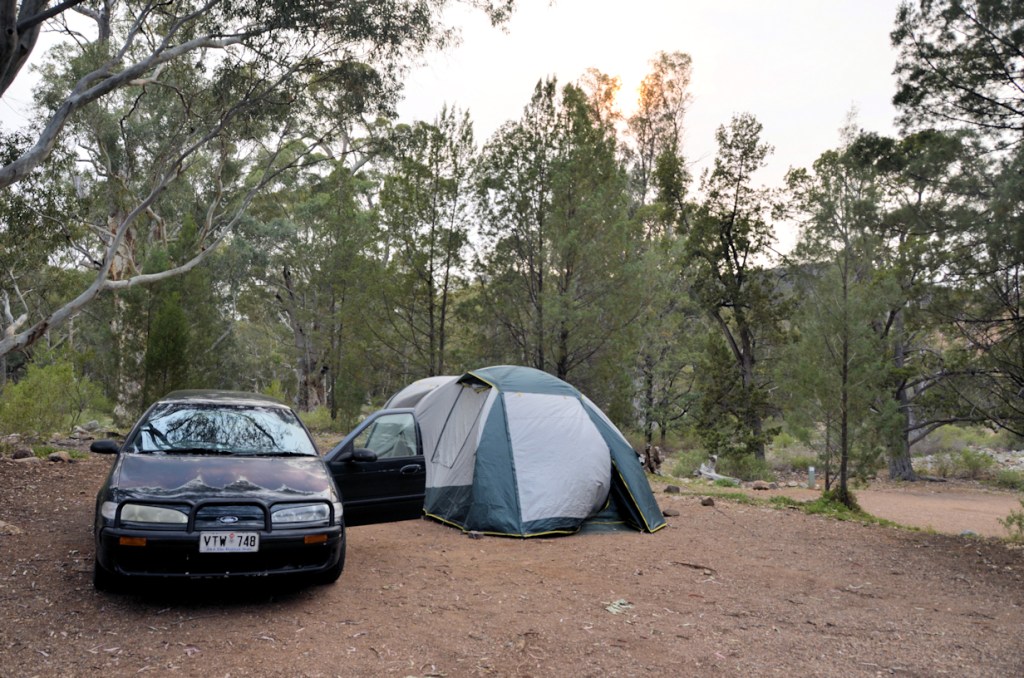
*[Photo 8: Our tent and campsite in the Flinders Ranges 2007 © L.M. Kling 2007]

‘Amazing,’ I remarked, ‘Their tent needs five people to build it and you’ve put ours up by yourself, Anthony.’

Anthony looked over at the T-Team and grunted, ‘Well, since I put up the tent, you can cook tea.’

This I did, using our portable camp stove. Signs all about the camping ground warned that there would be consequences, a fine for making one’s own personal campfire. The BBQ facilities opposite our campsite were monopolised by other campers.

As I stirred the spaghetti sauce, Anthony walked up to me and narrowed his eyes. ‘What are you using that for? Can’t you see?’ He pointed at the now vacant BBQ stands.

‘They weren’t available when I started,’ I replied. ‘Too late now, tea is almost ready.’

Later, I tried boiling water on the stoves that Anthony preferred. I stood, hovering over the billy of water, watching and waiting for something to happen for twenty, then thirty minutes.

*[Photo 9: Billies boiling on fire—Ah, those were the days when campers could have their own fires © L.M. Kling 1989]

Anthony marched over to me. ‘What are you doing?’

‘Waiting for the water to boil.’

We waited another twenty minutes in the icy cold darkness. ‘Seems that it’s too cold for the water to boil,’ I concluded.

Anthony and I sauntered over to the T-Team’s camp. Richard invited us to play cards and enjoy a hot drink. My brother had hooked up lights and electric cooking facilities courtesy of an inverter/generator which he had brought along for the trip. My brother connected the inverter to a spare car battery which was charged as the car travelled, and voila, the T-team had light, and their own personal electric cooking facilities.

Beyond, on route to the shower block was a communal fire pit. But on our first night in Yulara, no one was taking advantage of that.

*[Photo 10: Stories around the Campfire © L.M. Kling 2017]

I pondered that with a bit of distance between us and the snoring T-Team, perhaps Anthony will sleep more soundly this night.

[to be continued…next chapter, The Awe of Uluru]

© Lee-Anne Marie Kling 2020; Updated 2024

Feature Photo: Mt. Conner © L.M. Kling 2013

***

Virtual Travel Opportunity

For the price of a cup of coffee (takeaway, these days),

Click on the link and download your kindle copy of my travel memoirs,

The T-Team with Mr. B: Central Australian Safari 1977 (Australia)

The T-Team with Mr. B: Central Australian Safari 1977 [United States)

Trekking with the T-Team: Central Australian Safari. (Australia)

Trekking With the T-Team: Central Australian Safari (United States)

Final Trek Friday–T-Team Next Gen

Woomera, Then Home (part 2)

[I never actually finished the story of the T-Team, Next Generation’s adventures in Central Australia in 2013. So, here is the final chapter in the series. Next month, I will commence the journey at the beginning, as I revisit our journey to scatter my dad’s ashes in Central Australia eleven years ago.]

Woomera II and the Final Leg of our Journey

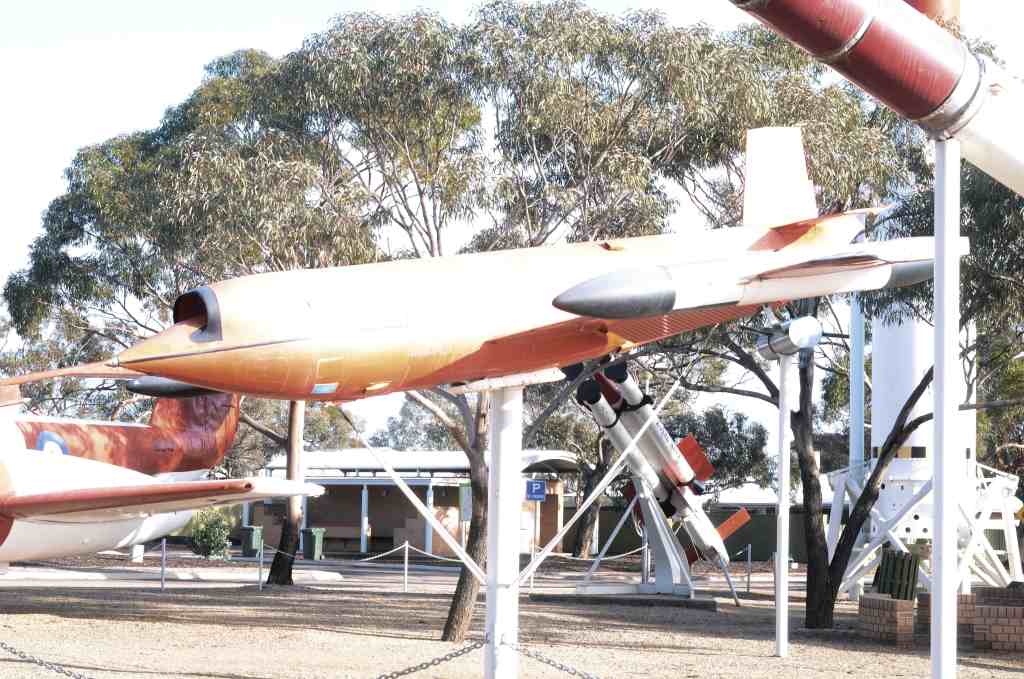
In the cool crisp morning, sun shining lemon yellow rays but not much warmth, we strolled around the Woomera Rocket Museum. Rockets of all shapes and configurations stood in the open-air, testimony of what once was. This RAAF Base and village was once a lively town in the 1950’s and 60’s, as an Anglo-Australian Cold War defence project. On this day Saturday July 20, 2013, the place seemed a mere shell of its former self, a cemetery of what once was, rockets rising like giant tombstones to the sky.

We meandered around the rockets, reading signs, eulogies from the past when threats from enemy nations was imminent. I was reminded of older friends telling me of a time when they practised drills of hiding under their school desk in the event of enemy attack.

*[Photo 1: Monument, A Rocket at Woomera © L.M. Kling 2013]

My mother recalled when on February 19, 1942, Darwin was bombed. She was a girl in Hermannsburg at the time and whenever a plane flew over, the Aranda women would wail, fearing disaster.

*[Photo 2: Twists and turns © L.M. Kling 2013]

Now, Hermannsburg was a mission set up by German missionaries in 1877. Although, by the 1940’s the mission was fair dinkum Australian having existed in Australia for all that time, with the advent of World War II and the conflict with Germany, the name, being German, raised the suspicions of the Allies. Hence, Mum remembers British Officers* drove into Hermannsburg to check the place out. They had to make sure there were no German spies. My grandpa, Pastor Sam Gross and his wife (my grandma) hosted these officers and put on a lovely spread of lunch for them.

[Photo 3: The Hermannsburg welcome Spread © C.D. Trudinger circa 1955]

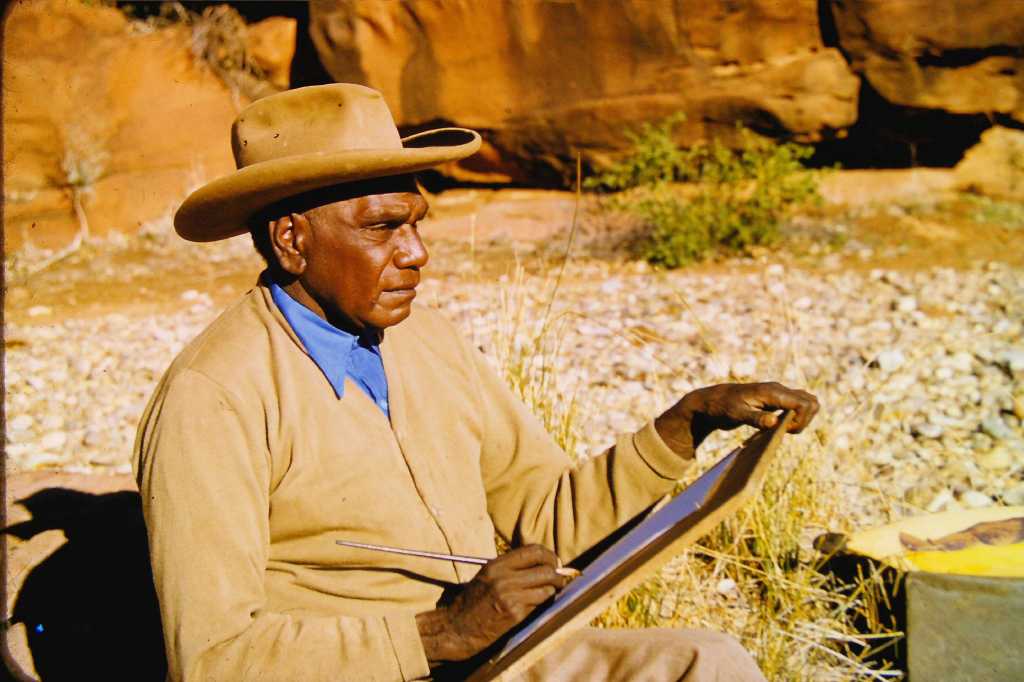
After investigating any mitigating threats, the British Officers* drove away in their propeller plane satisfied that Hermannsburg was no threat. Never-the-less, they confiscated the one and only link to civilisation, the community pedal radio. Just in case they really were spies, I guess. Further, to make sure that no threat to the allies arose from this humble mission, they sent Rex Batterbee, a world War I veteran, to oversee the mission in the role of “protector of the aborigines”. As he had visited and then lived in Central Australia since the mid-1930’s, Rex taught Albert Namatjira to paint watercolours and helped him launch his career as a renowned artist.

*[Photo 4: Albert Namatjira at work © S.O. Gross circa 1950]

Homeward Bound

Needless to say, in 2013, such threats of foreign enemies seemed in the distant past. But, being only 446 km from our home town, Adelaide, we were reluctant to linger amongst the rockets. Having packed, and checked out of our overnight accommodation, we were eager to start our journey home.

At a steady 90 km/h, we made progress down the highway that split the gibber plains in halves.

‘I bet the T-Team (my brother’s family) are home by now,’ I said. ‘No hanging around of taking time to look at any more places for them.’

‘Why don’t you ring them just to see where they’re at,’ my hubby said.

I texted my niece. The time was 10:30am.

“We are in Port Augusta,” she replied by text.

‘There’s no way we’ll catch up to them,’ I said, and then texted back, “Have a safe trip home.”

*[Photo 5: Off we go over the gibber plains © L.M. Kling 2013]

Clouds and rain descended on the land the further we drove south. By the time we reached Port Wakefield, the cold had seeped into the car. I put my parka on my legs to keep warm. Yet, for lunch Hubby insisted we eat alfresco in the rotunda at Port Wakefield. After all, despite his aversion to the cold, he needed to stretch his legs. Plus, it seemed no café existed in the town.

The rain and cold became more intense as we approached Adelaide. After driving through the grey, sodden streets, we arrived home, just as darkness fell at 5:30pm.

What disaster awaited us?

Hubby opened the door and we trod inside. Son 1 played a computer game on the PC in the dining/living annex. He ignored us. We tiptoed through the family room. Not too much mess and the carpet remained visible, and clean.

We found Son 2 all rugged up and cosy in his room playing World of Warcraft. He said, “Hello” and then asked for a coffee, then followed the conversation up with, “I’m hungry, what’s for tea?”

In the kitchen, as I prepared a drink, I noticed the dishes had been done and the cats fed. I thanked Son 1 for the effort. He took all the glory and remarked that his brother had done nothing.

The Aftermath

There’s always casualties that follow every holiday. And this one was no different. Two paintings which I had planned to exhibit in the upcoming Marion Art Group exhibition had gone AWOL. I’d like to think they were stolen…but I reckon they would be found in some odd place sometime in the future.

*[Painting: Dad’s resting place, Ormiston Gorge © L.M. Kling 2018]

Eleven years hence as I write this final chapter, I wonder what paintings they were.

Oh, and the other casualty, Hubby, who proudly exalted that he had taken thousands of photos of the Central Australian trip on his mobile phone, can no longer find where those photos went. It would seem those photos went AWOL too.

As for the T-Team, they actually arrived home after us, having spent a night at Port Germaine. They decided to treat themselves after roughing it for the past two weeks.

*[Photo 6: Port Germaine Jetty © L.M. Kling 2024]

***

Note: *My mum, Mrs. T checked this and questioned whether they were British. She thinks they were more likely to be Australian. However, I have read a letter written by these officers and the words they used made them sound British. When I find the letter, I will investigate the background of the visiting officers and plan to write a more detailed account of my grandparent’s experience.

© Lee-Anne Marie Kling 2024

Feature Photo: Woomera Open-air Museum in the morning © L.M. Kling 2013

***

Want more? More than before?

Take a virtual trip with the T-Team and their adventures in Central Australia.

Click below on…

The T-Team with Mr. B: Central Australian Safari 1977

Trekking With the T-Team: Central Australian Safari 1981…

To download your Amazon Kindle copy of the story…

And escape in time and space to the Centre of Australia.

Travelling Thursday–Mt. Giles, Central Australia

Christmas Holidays are approaching. For me it’s been party time this week. One party after another, especially yesterday with three parties, all in one day. I’m hoping that once the rush and busyness is over, I can rest, relax and start planning our next holiday. Perhaps it’s the same for you.

In the meantime, here’s a revisit to Central Australia and the T-Team. This time when my brother and I became lost on our descent from Mt. Giles.

Virtual Travel Opportunity

For the price of a cup of coffee (takeaway, these days),

Click on the link and download your kindle copy of my travel memoirs,

The T-Team With Mr. B: Central Australian Safari 1977

The T-Team with Mr. B: Central Australian Safari 1977

Trekking with the T-Team: Central Australian Safari. (Australia)

Trekking With the T-Team: Central Australian Safari (United States)