T-Team Series–Uluru Sunset Lost

The T-Team With Mr B (21)

ULURU SUNSET—Lost

 [The last few months I have revisited The T-Team with Mr. B: Central Australian Safari 1977 which is a prequel to Trekking With the T-Team: Central Australian Safari 1981. In preparation for its release later this year, I will be sharing posts of this adventure.

This time, the customary viewing of an icon of Australia, doesn’t quite go to plan.]

Dad meant what he said; he believed we, as the T-Team were travellers, not tourists. So, when the sun began its journey to the other side of the earth, and edged towards the western horizon, Dad drove further west and far away from the popular tourist haunts for the sunset on the Rock.

‘Don’t go too far,’ Mr. B said as he glanced back at the diminishing size of the Rock. ‘I want a red rock of considerable size.’

‘I know what I’m doing,’ Dad replied.

But every vantage point that we considered photo-worthy, so did clusters of tourists. The ants may have been heading for bed, but the road west of Uluru swarmed with sightseers scrambling over the landscape to capture that momentous event of the sunset on Uluru.
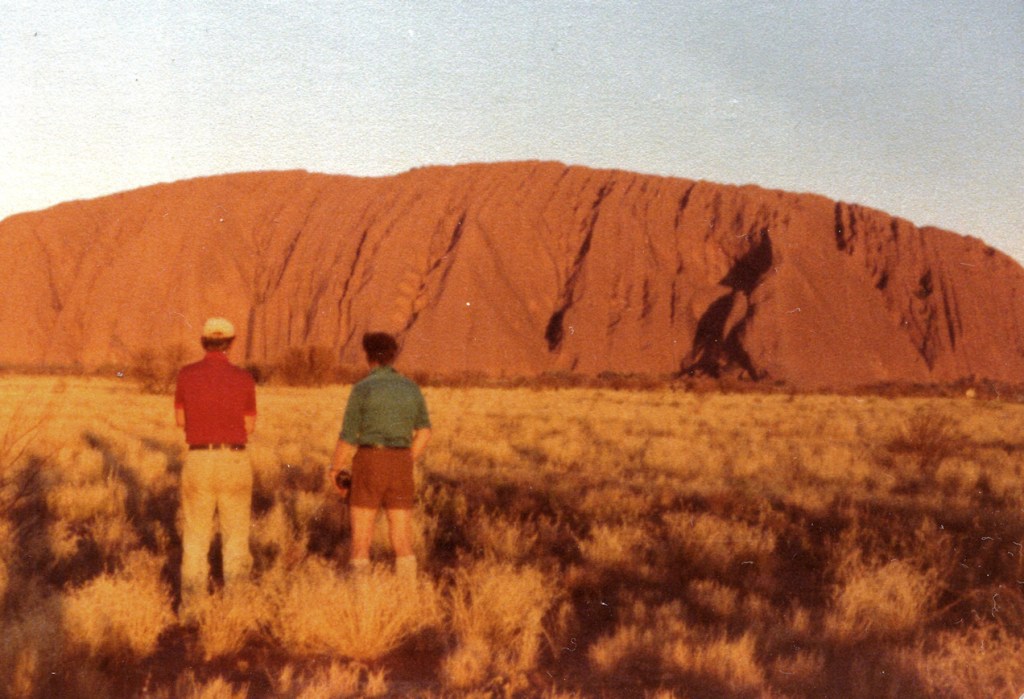
*[Photo 1: Two blokes waiting for Uluru to turn © L.M. Kling (nee Trudinger) 1977]

‘I hope we’re not going to miss Uluru turning red, ‘cos that’s what I came here to see,’ Mr. B said.

‘Plenty of time,’ Dad said. ‘Trust me.’

‘I’ll hold you to that promise, mate.’

Dad sighed and then turned into the next available place to park the Rover.

Mr. B glanced at his gold watch. ‘I mean to say, it’s nearly six o’clock. The sun sets at six, doesn’t it?’

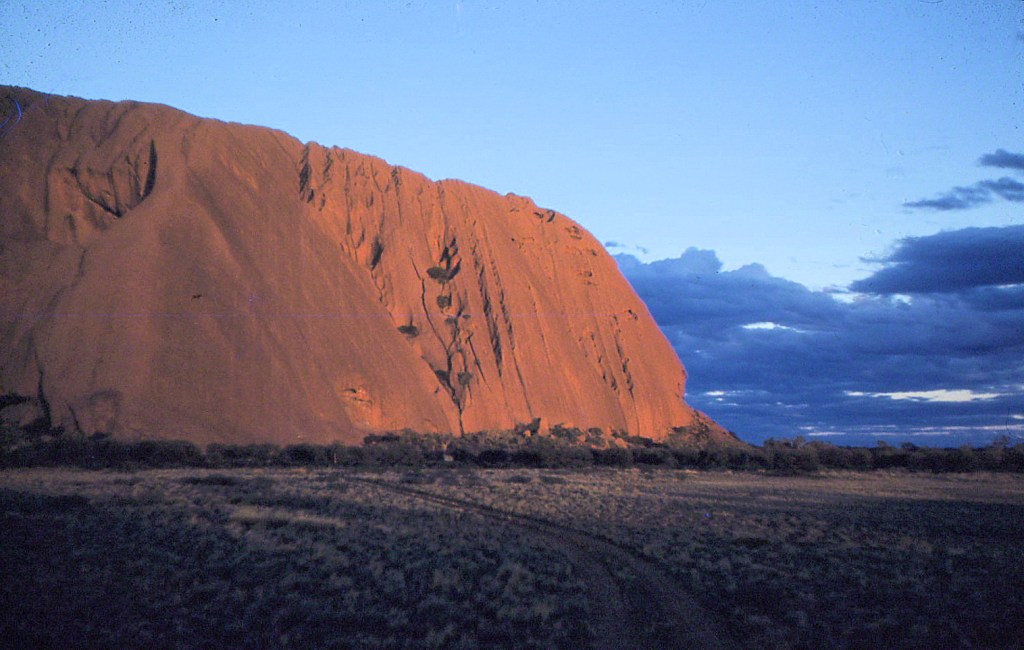
We joined the tourists in the small clearing to take the Uluru-at-sunset-photos. There’s one snap I took of two travellers admiring the Rock as it deepened in colour, more a rusty-red, than the scarlet I’d seen on calendars. So, it’s taken with an instamatic camera and the quality is pitiful compared to the chocolate-box number my grandpa took in the 1950’s, but I reckon it captures the atmosphere.

*[Photo 2: Nothing like the Uluru sunset my Grandpa took © S.O. Gross circa 1950]

‘Enough of these tourists,’ Richard grumbled. Clutching his polaroid camera, he stormed up the nearest hill.

‘Wait!’ I called and raced after him.

My brother ignored me and quickened his stride. I tried to catch up but soon tired of his fast pace. I watched him vanish behind some spinifex bushes and decided his quest for tourist-free photos was pointless. I gazed at the Rock squatting behind waves of sand-hills and bushes. The view’s going to be just as good, if not better by the road and the masses, I thought and rushed back to Dad before the sun went down too far and the Rock had lost its lustre.

*[Photo 3: I mean, where’s the colour?? © L.M. Kling (nee Trudinger) 1977]

Uluru faded from clay-red to a dull grey and the tourist congregation thinned, trickling away in their cars and buses towards the camping ground situated east of the Rock.

‘Is that it?’ I quizzed Dad. The Uluru at sunset in my mind had been spectacular in its failure to deliver. ‘Why didn’t it turn bright red?’
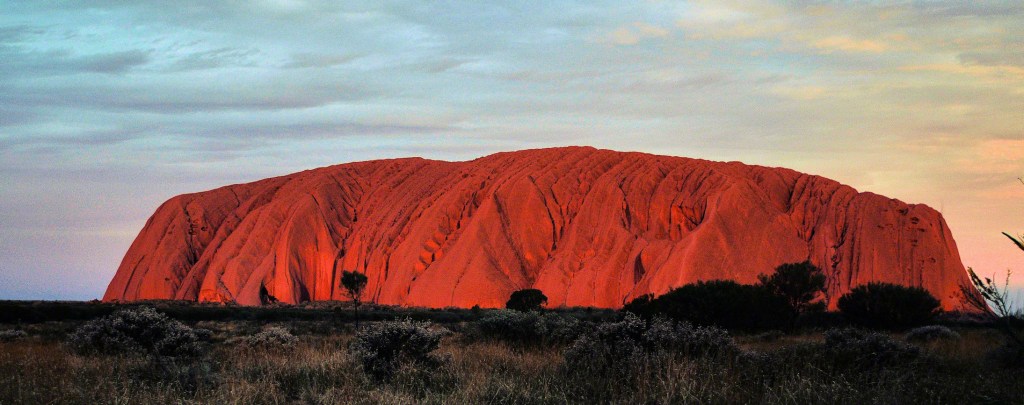
[Photo 4: You mean, like this? Picture perfect, chocolate box in 2013 © L.M. Kling 2013]

‘You need clouds for that. Clouds make all the difference,’ Dad said, his lips forming a beak. ‘Glad my camera’s out of action and I didn’t waste film on it.’

‘You mean, the Rock doesn’t always turn red?’

‘No, it’s the clouds that make the difference.’

‘What on the Rock?’

‘No, to the west, where the sun sets.’
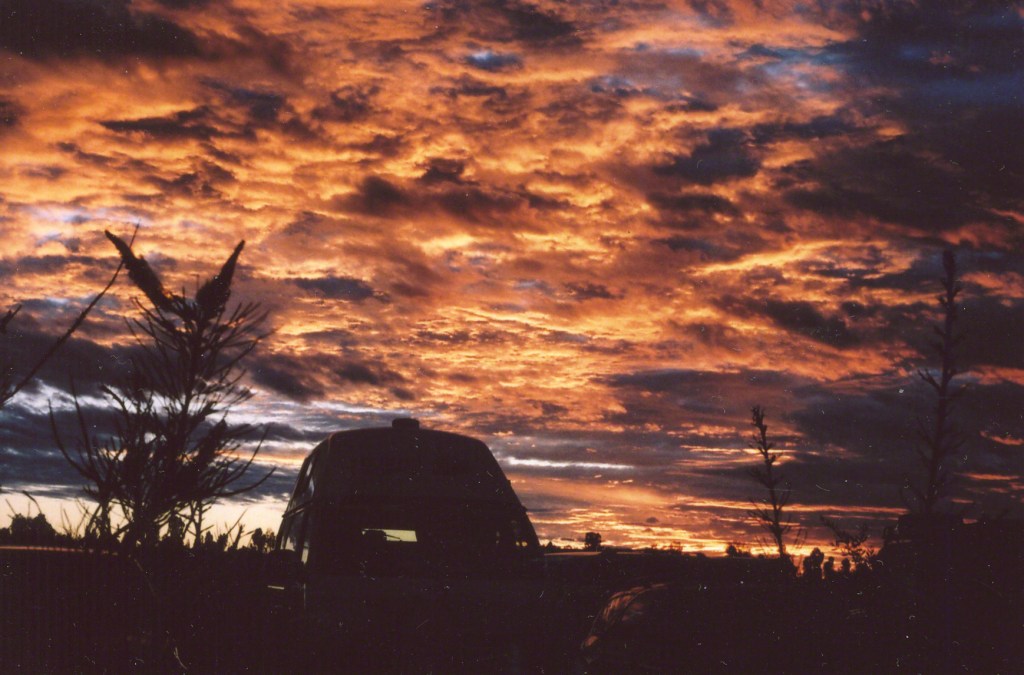
*[Photo 5: Yeah, clouds like the ones we had in 2013 © L.M. Kling 2013]

‘But the photo of a red Ayres Rock taken by Grandpa had clouds around it.’

‘Yeah, well, there would’ve been clouds in the west too,’ Dad explained. ‘See, the sky is clear tonight, so that’s it for the Rock.’

‘Disappointing! A very poor show, ol’ friend.’ Mr. B sauntered past us with Matt tagging behind. ‘Come on, we better get to camp. Don’t want to be cooking in the dark. Don’t want the likes of egg soup again.’

Dad peered into the distant black lumps of hills. ‘Where’s Richard?’

I stared into the thickening darkness. No Richard. ‘Dunno, went into the sand-hills,’ I said with a shrug.

‘Oh, well, I guess he’s gone for a walk,’ Dad said.
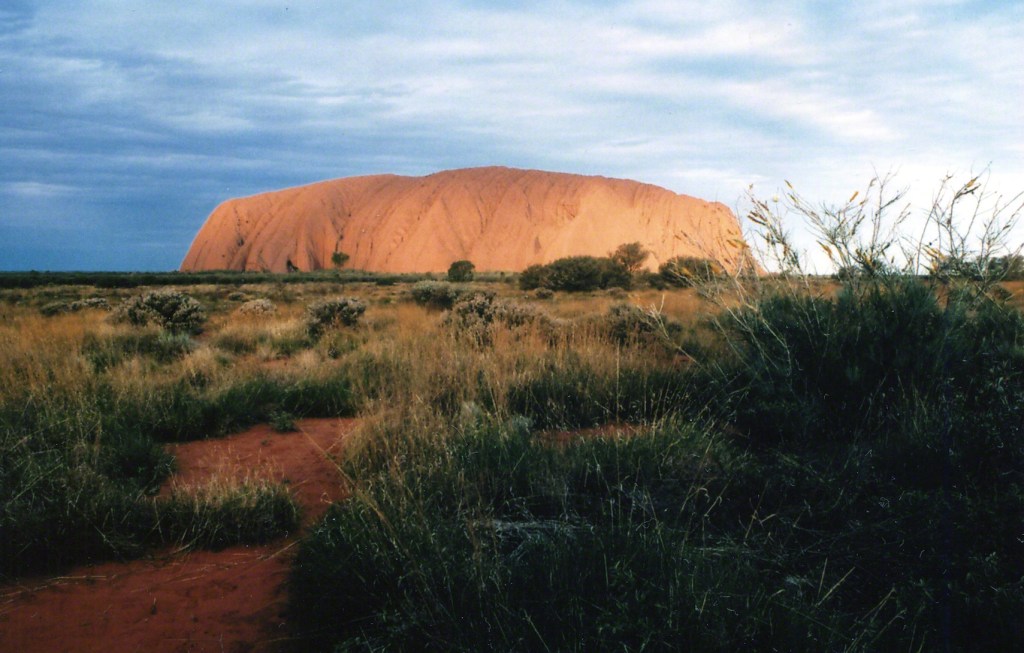
*[Photo 6: So different in 2013—All golden © L.M. Kling 2013]

The Rock became a dull silhouette on the horizon. We packed away our cameras and waited. And waited for Richard. Darkness settled on the land. We waited some more. The icy cold of the night air seeped into our bones. We waited but he did not appear.

‘Where could he be?’ Dad said and then stormed into the bush.

Minutes later, Dad tramped back to us waiting at the Rover. His search in the nearby scrub was fruitless.

Each one of us stood silent; silent sentinels around the Rover.

‘I hope he’s alright,’ my comment plopped in the well of silence. A chill coursed down my spine. What if an accident had befallen my lost brother? The dark of night had swallowed my brother up.

Dad grabbed the torch from the glove box in the Rover, and then marched back up the sand-hill.

I paced up and down the road. Mr. B folded his arms across his chest and scrutinised the shadows of bush that had now consumed Dad. Matt gazed up at the emerging mass of the Milky Way.

‘I hope they’re okay. I hope Dad finds Richard.’ My chest hurt with the pain of losing my brother.

Mr. B sighed. ‘Probably just a—’

‘What?’ I asked.

‘There they are,’ Mr. B said. ‘All that worry for nothing. You’ll get grey hairs if you keep worrying like that.’

I pulled at my hair and then raced up to my brother. ‘Where were you?’

‘I went out along the dunes. I kept walking and walking trying to find a good spot,’ Richard said.

Dad chuckled. ‘And when he did, he waited for the Rock to turn red.’

*[Photo 7: More of the “Red” Rock close up © L.M. Kling 2013]

For the night we camped in an aboriginal reserve seven miles out of the Uluru—Kata Tjuta Reserve. In preparation for the trip, Dad had successfully applied for permission to camp there. This time Dad and I had two fires going each side of us as the previous night was so cold that I had little sleep. We hoped that two fires would be better than one to keep the chills away. Mr. B and his son Matt on the other hand, settled for one shared fire and superior fibres of their expensive sleeping bags to keep the cold out.

And Richard, after all his effort to scare us by almost getting lost, buried himself in his rather ordinary cotton sleeping bag, next to his single fire, and was the first one, after our rather simple rice dinner, to be snoring away, lost in the land of nod.

© Lee-Anne Marie Kling 2016; updated 2018; 2022

*Feature Photo: Sunset on the Rock © Lee-Anne Marie Kling (nee Trudinger) 1977

Find out how, in the previous episode, Mr. B’s urging to climb Mt. Olga went. Click on the link here to my original blog…

***

Get ready for some holiday reading or begin planning your escape to adventure in the centre of Australia.

Click the link below:

Trekking With the T-Team: Central Australian Safari 1981,

To download your Amazon Kindle copy of the story…

And escape in time and space to Centre of Australia 1981…

100-Word Challenge–Worked

…Into a Corner

All afternoon, our backyard echoed with the hum of the cement-mixer, and intermittent scraping. Dad, armed with a trowel, smoothed the cement over an area pegged to become the back patio.

Metre by metre, he pasted his way back.

Mum stood on the porch, and with hands on her hips, remarked, ‘And how are you going to get out of this one?’

In an ocean of soft cement, Dad looked around him, lost. ‘Er…um…I’ll work it out.’

Tracks back to the lawn-edge smoothed, Dad stood and admired his DIY job.

Next morning, paw-prints made their way to the rainwater tank.

© L.M. Kling 2019

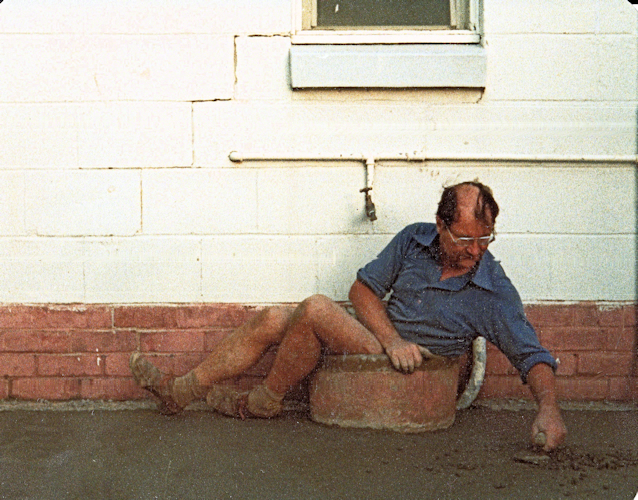
Feature Photo: Dad Concreting back Patio © M.E. Trudinger circa 1978

***

It’s Holiday time.

Time to read more on the adventures of the war against the fiend you love to hate, an overgrown alien cockroach, Boris.

Click on the links below:

The Lost World of the Wends

The Hitch-hiker

Mission of the Unwilling

 Or

Longing for more travel adventures? Dreaming of exploring Australia?

Read the T-Team’s Aussie adventures, click on the link below:

Trekking the T-Team: Central Australian Safari 1981

100-Word Challenge–Putt-Putt Pa

[Have been engrossed in a murder-mystery, come thriller manuscript that I wrote in 2009, and then filed away. Wrote it so long ago I have to read it to find out what happened. So, completely forgot to post my 100-word challenge last week.

Anyway, Dad’s mid-life crisis vehicles keep rolling in. Was this new development a reflection of the direction Dad’s mid-life crisis was taking? Or was he just having a go?]

100-Word Challenge — Have a Go

After lunch at Grandma’s one Sunday, my cousin showed off his prized Ducati. Inspired, Dad resolved to have a go, and buy his own motorbike.

The first hint that Dad was dissatisfied with current transport-arrangements, was expressed in a progressive story game, where he described money-saving qualities of a motorbike. I pointed out the dangers, my cousin’s friend had died in a motorbike accident.

Soon after, Dad came puttering down the driveway on Putt-Putt, a bright orange motorbike. From then on, for a time, Dad puttered his way from Somerton to work in Port Adelaide. Everyone was happy, until…the accident.

© L.M. Kling 2019; updated 2022

Feature Photo: Born to be free: Dad on Putt-Putt in Grandma’s backyard © L.M. Kling (nee Trudinger) 1978

***

Indie Scriptorium

If you’d like to polish your writing skills or find out more about our new project, a self-publishing collective, click on the link to Indie Scriptorium

Or…

Catch up on the exploits of Boris the over-grown alien cockroach, and Minna and her team’s attempt to subdue him.

For good holiday reading click on the links below…

The Lost World of the Wends

The Hitch-hiker

Mission of the Unwilling

Or…

Join the Journey, click on the link below:

Trekking with the T-Team: Central Australian Safari

100-Word Challenge–The Holden

The Dream Car—Holden Premier EH, Serena

[Another fond memory from my childhood…and Dad’s catchcry, “for the time being” took a breather when, after being promoted to Deputy Principal (Primary School), he bought the Holden Premier.]

Serena, our dream family car ferried the T-Team to Canberra. In 1975, hardly a maiden for this voyage, she drove us to our destination; a comfortable, safe ride over the Hay Plains. No breakdowns. No stranded waiting for road service on the hot dusty side of the road. A smooth ride that rocked me to sleep; the vinyl with scent fresh from the caryard to us.

She mounted the snow shovelled roads to Thredbo. From her window, my first sight of snow on a brilliant sunny day, snow shining on twisted eucalypt branches.

Memories.

When Dad sold her, mum cried.

© Lee-Anne Marie Kling 2019; updated 2022

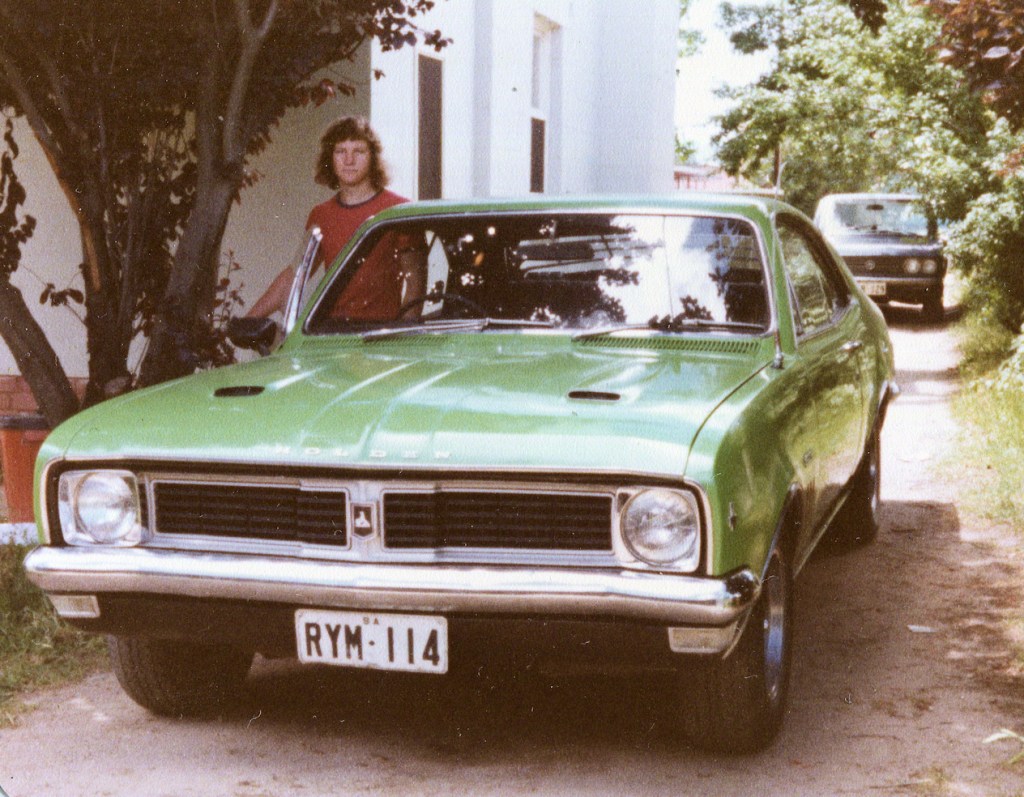
Feature Photo: Not the Holden Premier, but one of my brother’s first car-building projects, a 1970 Holden Monaro HG. Salvaged from the wreckers, he lovingly spent hours panel-beating, arch-welding and engine-fixing this model back to life. © Lee-Anne Marie Kling circa 1982

Note: in the back of the photo, you’ll see the lurking the unfortunate successor to the Holden Premier and focus of the next week’s blog featuring my childhood family’s cars.

***

Catch up on the exploits of Boris the over-grown alien cockroach, and the mischief and mayhem he generates.

Click on the links below…

The Lost World of the Wends

The Hitch-hiker

Mission of the Unwilling

T-Team Series–Climbing Ayers Rock

The T-Team With Mr B (16)

 [The last few months I have revisited The T-Team with Mr. B: Central Australian Safari 1977 which is a prequel to Trekking With the T-Team: Central Australian Safari 1981. In preparation for its release later this year, I will be sharing posts of this adventure.

In this episode we climb Uluru/Ayers Rock and Mr. B startles us with his dream for the Rock…]

Mr. B’s Dream for the Rock

Tourist buses lined the carpark. They looked like caterpillars all in a row ready for a race. People swarmed like ants around the base of the Rock and a steady stream of them marched up and down the slope.

Dad slowed the Rover to a crawl and slotted into a space at the end of the carpark. ‘Well, there’s the tourists,’ he said.

‘And what are we?’ Mr B asked.

‘I like to think we are travellers.’

‘What’s the difference?’

‘Tourists come to a place like the Rock, they climb it, snap a few photos and then they move on,’ Dad said. ‘Travellers take their time. They explore. They get to know the people who live here. They appreciate the culture and history of the place.’

‘So we’re tourists then,’ Mr B remarked, his expression dead-pan.

Dad scratched his brow. ‘Oh, no, I wouldn’t say that.’

‘I’m climbing the Rock,’ Matt said and then bolted out the back door.

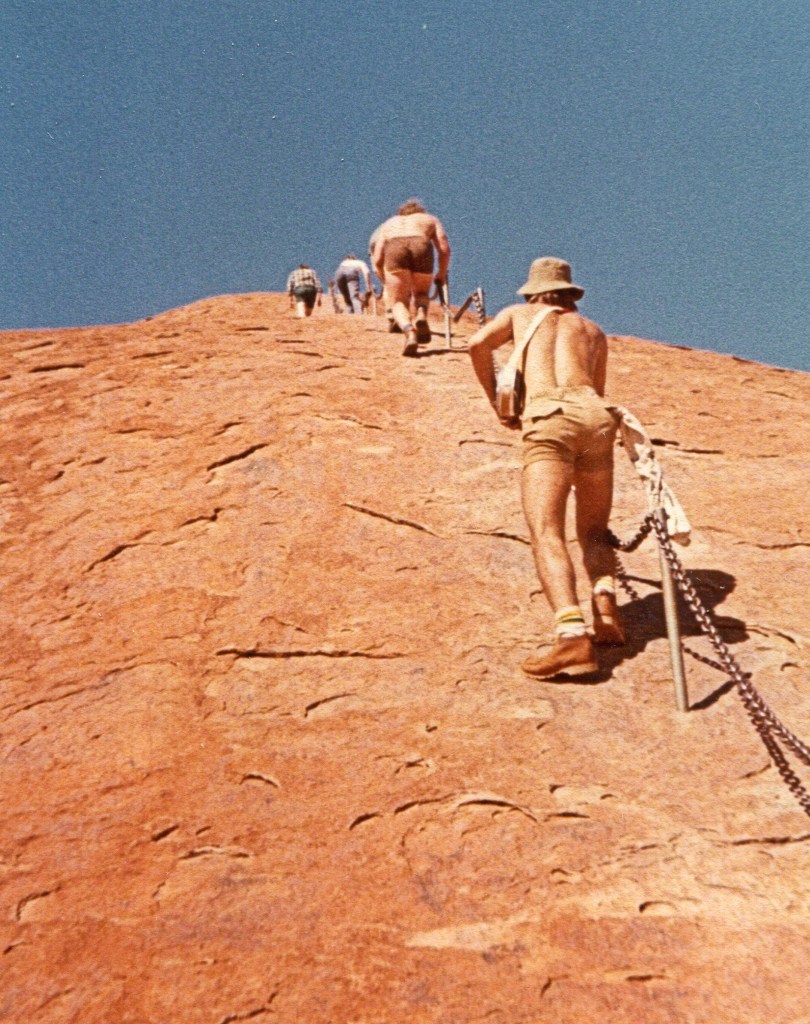
Richard and I chased after Matt. We scrambled up the slope following the painted white line. Further up several tourists inched their way grasping chain rails that were secured into the rock.

*[Photo 1: Open at Last to climb the Rock © L.M. Kling 2013]

‘Hoy!’ Dad yelled. ‘Wait! We all go together.’

‘You forgot your water-bottles and lunch for the top,’ Mr B said.

‘Come on Matt,’ Richard called out to Matt who’d sprinted ahead, ‘better get our packs and stuff.’

Matt, Richard and I plodded back to Dad and Mr B where we collected our backpacks of supplies from them. Then as a group we recommenced our haul up the monolith.

The first part was treacherously steep. Before I even reached the rails, my shins ached from the gradient. We followed the broken white line. Deviation from the nominated path could be fatal. A plaque at the base of the Rock was a solemn reminder that several people had fallen to their deaths.

And yet, while climbing, I recall my mum telling me that when she climbed Ayers Rock back in the 1950’s, there was no white line, and not rail to clutch onto. Then she told me a funny story about an earlier time when a filmmaker took footage of the climb up the Rock with a local Indigenous guide. I have seen this film where at the top of the rock, there were pools from recent heavy rain, and the guide can be seen splashing in the water. Perhaps life and the way the Rock was viewed was different back then in the 1940’s and 50’s.

*[Photo 2: No rails or white line back in the 1950’s © S.O. Gross circa 1953]

Richard and Matt scampered ahead of me. I puffed my way up the slope behind them and soon lost sight of them. Dad and Mr B laboured behind me. Mr B rested every few steps. He swore he’d die of a heart attack before he fell to his death. Dad stayed with him and encouraged him to keep on going.

*[Photo 3: Climbing with Help © L.M. Kling (nee Trudinger) 1981]

Tourists passed me as they descended the Rock. They nodded and said, ‘G’day’ and remarked that the climb was well worth the effort.

Spurred by these recent Uluru conquerors, I took a deep breath and continued the climb.

The steep slope eased into endless ridges. Up and down. Up and down. At least my shins experienced some relief. But I seemed to be hiking over these rocky hills and dales forever, as if Uluru was the Tardis of distance. I glanced at my watch. I’d been hiking over an hour. Was the Rock that big?

*[Photo 4: Those undulations © R.M Trudinger 1981]

I stopped, took a swig of water from my canteen and surveyed the plain beneath. The Olgas shimmered like mauve marbles above the land striped in sienna and gold in the afternoon sun.

‘You’re almost there,’ Richard called. He raced up to me and then pointed. ‘The cairn is just over there.’

‘Where?’

‘Are you blind?’

‘I can’t see it.’

‘Come on.’

Richard led me to the pile of stones set in concrete. Half a dozen tourists plus Richard and Matt milled around the cairne, posing for photos and pointing at the various landmarks below. Richard, Matt and I conformed to the way of the tourists taking turns photographing each of us standing next to the cairn with Kata Tjuta behind us.

*[Photo 5: The Young Ones On the summit © L.M. Kling (nee Trudinger) 1977]

As we waited for our fathers, we admired the awesome scenery; the land below bathed in waves of pink, purple, blue and yellow. The boulders of Kata Tjuta changed from deep purple to blue with the movement of the sun as it travelled west. ‘Wow!’ I exclaimed. ‘This climb was well worth it.’

Other tourists summited, stayed a few minutes to snap a few shots and then trooped away down the Rock.

After Richard, Matt and I had eaten our sandwiches, signed the log book on the cairn, explored some bushes that grew out of the Rock and then watched the third lot of people arrive and disappear, Dad and Mr B staggered to the summit. Their faces glowed with perspiration.

Mr B clutched his chest and slumped down by the cairn. ‘I thought those corrugations would never end!’

Dad patted Mr. B on the back. ‘Ah, well, we made it.’

Mr B slurped water from his canteen, then standing up, he paced around the cairn while scrutinising the landscape with his binoculars. Dad pointed out the landmarks, Mt. Conner to the east, Kata Tjuta to the west and the Musgrave Ranges to the south, and so directing Mr B’s binocular-gaze.

*[Photo 6: The Oldies finally reach their goal © L.M. Kling (nee Trudinger) 1977]

After several minutes admiring the view, Mr B remarked, ‘Amazing! Certainly well worth the climb, ol’ boy.’ He then sidled up to Dad and put his arm around his shoulders. ‘I dare say, ol’ chap, the experience could be improved.’

‘What? A cable-car up to the top?’

‘Oh, hadn’t thought of that. No, I suggest there should be a fast food restaurant up the top here. The place needs refreshments. I mean to say, all these people have spent two hours climbing up here. They need some refreshments, don’t you think?’

Dad cleared his throat. ‘Er, um…’

Is this man for real? I thought. On the climb and also when we visited the cave, I sensed the Rock was holy, sacred. How could Mr B even contemplate building anything on its surface? ‘I reckon there should be less people climbing the Rock, not more,’ I said.

‘And another thing,’ Mr B was not finished, ‘the Rock needs a swimming pool halfway up. I’ve already picked out the perfect location. You see, while I was resting and contemplating during that terrible steep climb, I saw it, the perfect place for a pool. What do you say, ol’ chap?’

‘The Indigenous owners will never agree,’ Dad replied.

‘Well, I have some advice for the natives,’ Mr B said. ‘They need to get with the times. I mean, look at all the tourists. Look at all the opportunities.’

‘I doubt it,’ Dad shook his head, ‘come on, we better get down.’

After Dad and Mr B signed their names in the log book, we made our way down the Rock tracking along the white line. We nodded at the people climbing up and said, ‘G’day’ to them and advised them that the climb was well worth the effort.

*[Photo 7: Uluru rest finally at sunset © S.O. Gross circa 1953]

© Lee-Anne Marie Kling 2016; updated 2022

*Feature Photo: Uluru Climbers Like Ants © Lee-Anne Marie Kling 2013

***

Want more but too expensive to travel down under?

Why not take a virtual travel with the T-Team Adventures in Australia?

Click below:

Trekking With the T-Team: Central Australian Safari 1981

And escape in time and space to the Centre of Australia 1981…

100-Word Challenge–Dad’s Midlife Crisis Cars (2)

The Austin

[My dad’s catchcry, “for the time being” dogged the choice of cars he brought home. The Austin was no exception… ]

The Austin appeared one winter’s afternoon in our backyard; Dad’s solution to the worthless Wolseley, and of course, just for the time being.

Only cost $100. What a bargain!

Next morning, his breath steaming with excitement, Dad marched up to the green lump of a car. I sat sulking in this woe-begone wreck, the vinyl seat threatening frostbite on my delicate buns.

Dad hopped in and turned the ignition key. Nothing. Not even a squeak on this icy morning.

‘Ah, well, we have to crank it,’ Dad said.

Crank it? Yep, we had to crank this ancient Austin to life.

© Lee-Anne Marie Kling 2019

Feature Photo: Not actually the Austin, obviously…but was it the same end? © L.M. Kling 2010

***

For good holiday reading click on the links below…

And catch up on the exploits of Boris the over-grown alien cockroach, and the mischief and mayhem he generates.

Click on the links below…

The Lost World of the Wends

The Hitch-hiker

Mission of the Unwilling

T-Team Series (15)–The Cave

The T-Team with Mr B—Uluru (Ayers Rock Back then)

The Cave

 [The last few months I have revisited The T-Team with Mr. B: Central Australian Safari 1977 which is a prequel to Trekking With the T-Team: Central Australian Safari 1981. In preparation for its release later this year, I will be sharing posts of this adventure.

In this episode we venture up close and personal to Uluru/Ayers Rock…]

When we arrived at the fence that bordered the Ayers Rock-Olgas Reserve (as it was known back in 1977) *, we took more photos of the Rock, rusty-red with black streaks, and towering above us. We drove to the Park Ranger’s office to pay an admission fee to enter the reserve and see the Rock. Once Dad had returned from fee-paying, we commenced our drive around the Rock.

As there were more tourists in their Land Rovers and cars also circling the Rock, Richard and I descended from our high status on the top of the Rover and crammed into the back cabin. The roads, though not sealed, were better graded with gravel tempering the bull dust, so though the dust was still a nuisance, it didn’t make me cough.

*[Photo 1: Approaching the Rock © L.M. Kling (nee Trudinger) 1977]

‘When are we going to climb the Rock?’ Matt asked his dad.

‘Soon, ma boy, soon.’

‘Have you climbed the Rock?’ I asked Dad.

‘Erm…’ Dad coughed.

‘Of course, you did. Back in the 1950’s. Not so many tourists then, I reckon. Were you the only ones camping near the Rock back then?’

‘Um…er…umm…’

 ‘You went with mum and her family back then, didn’t you Dad?’

Dad put his dusty handkerchief over his mouth and coughed.

‘I remember the beautiful photos taken by Grandpa. He was a missionary pastor at Hermannsburg, you know, Mr B. And Dad was a teacher at Hermannsburg. That’s where he met mum, did you know, Mr B?’

*[Photo 2: Ayers Rock 1950’s © S.O. Gross circa 1950]

Mr B rolled his eyes. ‘I know.’

‘I bet the place has changed a lot since then.’

Richard chuckled, ‘More tourists.’

‘The roads are better,’ Dad said. ‘They were just tracks back in the fifties.’

‘I dare say, ol’ chap,’ Mr. B butted into our conversation, ‘the Rock must still be the same.’

Dad chewed his lip. ‘Well, er, yes, I s’pose.’

‘If you ask me, all looks primitive to me,’ Mr. B said. ‘I mean to say, the land looks like we’re back in the 1950’s. I really think they should invest in some decent hotels or motels. Perhaps a tourist village. For the tourists. I mean, just look at the Rock—they’re missing money-making opportunities.’

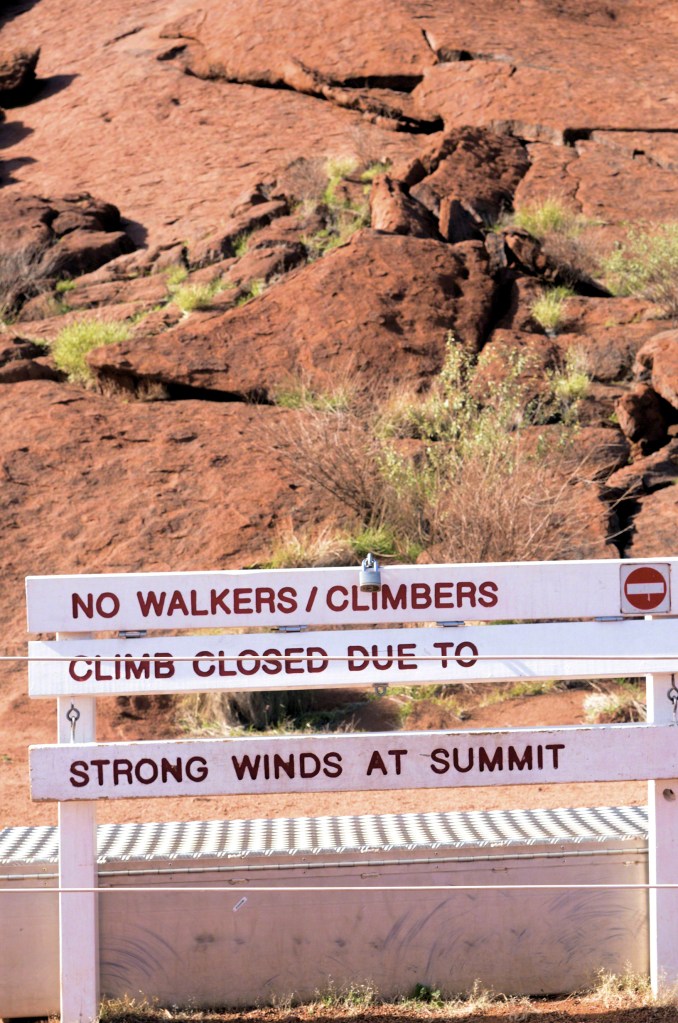
*[Photo 3: Sign and reasons not to climb Rock © L.M. Kling 2013]
*[Photo 4: Tourists climbing the Rock when allowed © L.M. Kling 2013]

Dad shifted his weight in the driver’s seat. ‘Er, I don’t know if having lots of tourists is a good idea for the Rock. The Indigenous consider the Rock sacred. I think they’d want less tourists, not more.’

‘Tourism, that’s where it’s at. And from what I’ve seen of the natives in this part of the land, they could do with some money to boost their living conditions.’

Richard and I glanced at each other. I pondered, Was this man for real?

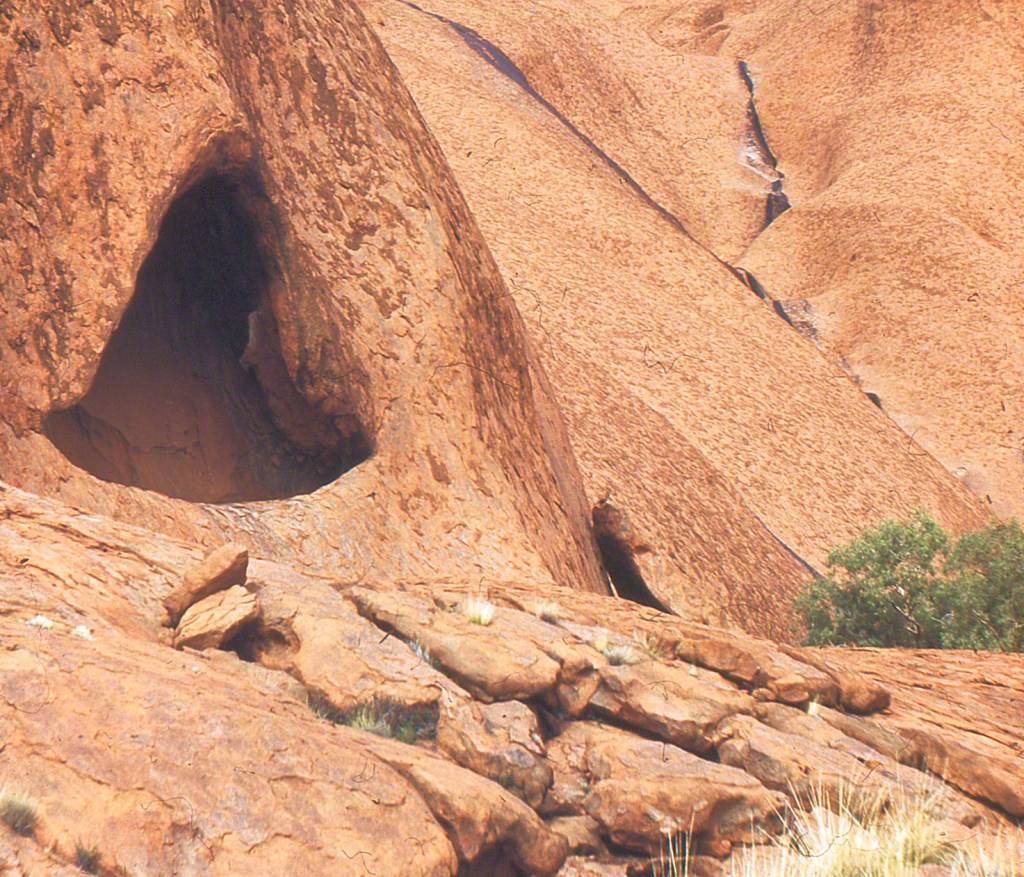
Dad pursed his lips and turned into road leading to a cave in the Rock. ‘Before we climb the Rock, there’s this cave. It has ancient aboriginal artwork on the walls’, Dad said.

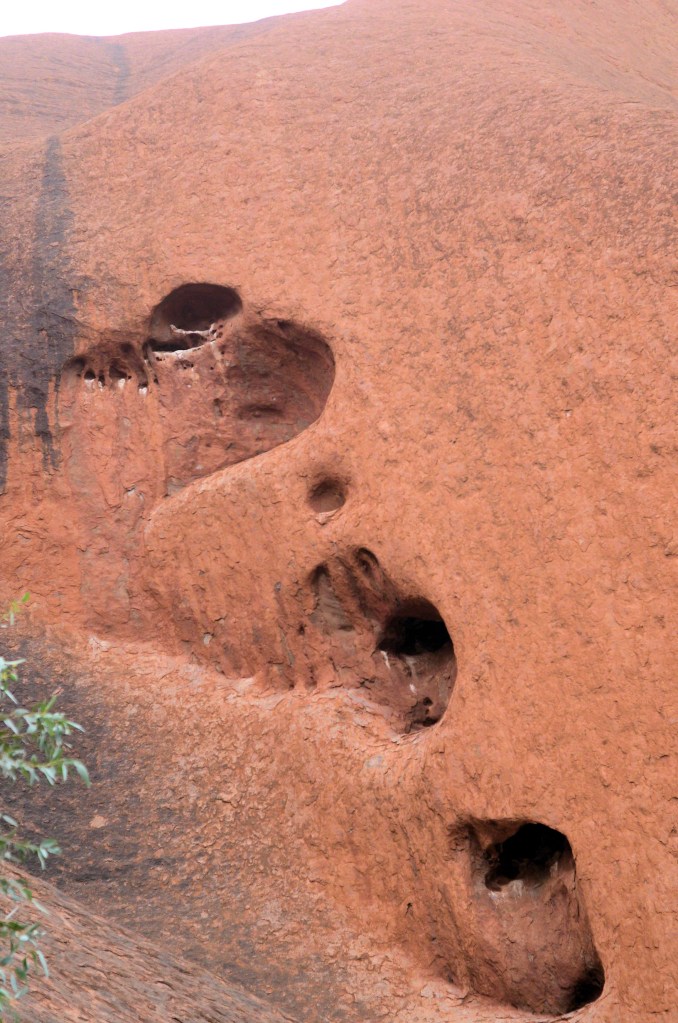
*[Photo 5 & 6: Aspects of the walk around the Rock, Caves & Liver Spot © L.M. Kling 2013]

We walked along a narrow path under the shade of ironwood and acacia trees. The Rock awed me by its size. If I had a camera with unlimited capacity to take thousands of photos, I would have spent the whole trek to the cave snapping away behind the lens. Nearer, the Rock surprised me with shades of tangerine, crimson, umber and red of the iron stone. As we got up close and personal with the Rock, I thought it looked like a giant elephant’s flank all scaly and knobbly. It had looked so smooth from far away.

We entered a cave which appeared as though it was a huge umbrella from the inside. In a zone of wonder we walked along the narrow passage under the roof. I imagined that waves had crashed against it and carved out its form. In one part, I studied the carvings of the ancient owners of this land.

We trod through the cave in silence. This was sacred ground.

[Photo 7 & 8: More aspects of the cave © S.O Gross circa 1950 and L.M. Kling 2013]

To be continued…

© Lee-Anne Marie Kling 2016; updated 2022

Feature Photo: In Awe of an Uluru Cave © Lee-Anne Marie Kling 2013

[*Note: Named by William Gosse in 1873 in honour of the chief secretary of south Australia, Henry Ayers. In 1993 the rock received the dual name, Uluru/Ayers Rock, Uluru being the Pitjantjatjara name for this sacred site.]

***

Want more?

1977 gave the fledgling T-Team a taste for adventure…

Find out how they fared on a full-two-month safari to the Centre in 1981…

Why not binge on the T-Team Adventures in outback Australia?

Click here on Trekking With the T-Team: Central Australian Safari 1981

And escape in time and space to the Centre of Australia 1981…

100-Word Challenge–Bathsheba


[Driving around Adelaide these days, I see many classic cars. Brings back memories of our family cars from my childhood…]

Bathsheba

After 50 years, I have discovered the significance of our Holden FC’s name.

My dad was called David. In the Bible, there’s a King David who has an illicit affair with a woman he spies in a bath on a roof top. Her name, Bathsheba. Bath-she-ba; an apt name considering
the circumstances of their meeting.

Did Mum think that when Dad bought this car, this silver-pointed beauty was his “mistress’?

Similarities: Both Davids were master of their realms. Both Bathshebas, not new, used, yet beautiful. And both Bathshebas became parked in their David’s palace, in a harem, their love
shared.

© Lee-Anne Marie Kling 2019; updated 2022

Feature Photo: Bathsheba in our Backyard © L.M. Kling nee Trudinger) 1969


***

Catch up on the exploits of Boris the over-grown alien cockroach, and the mischief
and mayhem he generates. Click on the links below…


The Lost World of the Wends


Discover how it all started…

The Hitch-hiker

And how it continued in…

Mission of the Unwilling

EPSON scanner image

Tuesdays with Carol–Good Storytelling

Having both studied English at university, the subject that comes up often when visiting Carol is about all things writing and what makes a good story. So, one of my first blog posts came to mind…to encourage and inspire all of us who are writers.

Writers’ Privilege

‘Writing is a lonely craft,’ my university tutor said.

All of us in the group nodded and I thought: Yes, a writer has to hide away in their study clacking away on their typewriter. They have to concentrate. Those were the days back in the 1980’s…

I recalled as a student, hours locked up in my bedroom, writing my essays, trying to concentrate while my family went about their business, stomping in the passageway, dishes clattering in the kitchen and the television blaring in the lounge room. Not to mention my dear brother lifting weights, and dropping the things with the inevitable clunk and thud, in the lounge room. Did I mention trying to concentrate? Yes, trying, but not succeeding. And even now, as I write this blog, can’t go five minutes without interruptions. These days, though, I write my first draft, by hand, in a quiet place at a quiet time, and then I write this blog on the computer as a second draft.

Suffice to say, the statement by my tutor all those years ago, has an element of truth. And compared to being an artist or musician, writing is a lonely craft. I belong to an art group and enjoy going each week as the hall is filled with happy chatter and my fellow artists are friendly and welcoming. And I can imagine a musician, mostly has to play and sing with others in a band, their craft has to be performed to an audience. The lonely parts of a musician’s life, from my observation, is the process of composing music. Although, many musicians collaborate when they jam together and create new songs together.

[Painting and Feature: Alone Sellicks Beach (watercolour) © L.M. Kling 2016)

On reflection, though, my experiences over time with the process of writing as isolating, no longer resonates with me. I don’t write alone. I have my characters. I go into their world. Call me crazy, but it’s like when I was a child and had imaginary friends. Come to think of it, perhaps because I was lonely, I became a writer. Figures, hours after school, on weekends and holidays to fill. There’s only so many hours my brother, five years older than me, would share with me playing games. And friends, too weren’t with me all the time. So, books became my friends, as well as characters in the world of fantasy I conjured up. I swooned away, sitting in my cubby house, and whole days drifted by in my other life of fiction, science fiction.

As I grew up, I became used to my own space. My loneliness transformed into the joy and peace of being alone. Time to think and explore ideas, the “what if’s” of life’s path, stories of people I’ve met, my story, and also the stories of my characters. Time to express these stories, writing them down. Many of these stories remain hidden in my journal, a hand-written scrawl; a mental work-out, sorting out ideas and emotions. Some make it to a Word File on the computer, others a blog post, and a few hundred pages have ended up as works buried on the shelves of Amazon—self-published but published all the same. And for six years, now, there’s my blog, again mostly hidden in the blog-pile of the world-wide web, but more visible today than in 2015 when I started the blogging journey.

Yet, once I’ve written the first draft in quietness and peace, the craft of writing becomes a collaborative process. Good writing needs feedback, editing and proof-reading. An effective piece of work needs a second, third and numerous sets of eyes, and many minds to weed the “gremlins” that beset the plot, content, and pacing. And a keen set of eyes to comb through the text to pick up grammar and spelling issues. The computer’s spell and grammar check are not enough.

[Photo 1: Miyajima Monkeys a-grooming © L.M. Kling (nee Trudinger) 1985)

I love to go to writers’ group. I heard someone on radio say that reading is the ultimate empathy tool. When we read, we enter into another’s world and how they see the world. Exploring another’s world—how much more social can one get? This is what happens at writers’ group. We share our own world through our writing, and we explore other writer’s world as we listen to each other’s stories; a privilege and an honour to be trusted with these gems. As fellow writers we need each other to hone our skills as a writer. We need each other’s feedback. How else will we refine our craft without feedback?

Still, there is an aspect of writing that makes it a lonely existence. As writers we are modern-day prophets, proclaiming words given to us, believing these words can and will make a difference in another’s life. Hoping, the change will be for good. The word is a powerful tool; a double-edged sword. God’s Word is described as a double-edged sword. (Hebrews 4:12) There’s a saying that sticks and stones can break bones, but words cannot hurt me. Not true. Words can hurt. Words can also heal. Spoken words can sting or soothe, and then are gone, but the written word can endure and have power. People believe something is true because it’s in print. Reputations have risen and fallen on the power of the written word.

The printing press revolutionised the fifteenth century. Imagine words once written and hidden in some monastic library, then with the advent of the printed word, being duplicated and spread, and even appearing on church doors, for all to read. In our times we have witnessed the evolution of the power of the word through the internet. Need I say more—the gatekeepers of the past, by-passed, allowing all who are wanting to have a voice, freedom of written expression.

However, with freedom and power to influence, comes responsibility to use our gift and passion to write wisely and for the good of others. As a writer, I have written with good intentions to help others grow, help others see the world differently, change attitudes and effect a positive change in the world. Even so, my good intentions posted on my blog may have affected others in ways I didn’t intend. So, I have an understanding now what it means that writing can be a lonely craft as there will always be someone who doesn’t see the world as I do and may find my public interpretation of life offensive. My voice in the world-wide wilderness of the web may actually alienate me from others. So, I’m back where I started as a child, alone, with time and space to explore my world of fantasy with my characters as friends.

[Photo 2: Shikoku Sunset © L.M. Kling (nee Trudinger) 1985]

I guess that’s why I’m drawn to write. With fiction, it’s out there, it’s fantasy and it’s a safe platform to explore ideas, issues and ways of looking at the world, the other world of “what-ifs”, that help readers open their minds to investigate alternative attitudes and create discussion. And with fact through my travel memoirs, sharing my life and worldview, joys, challenges and faith. Through this process, I hope to bring goodness and personal growth to all who are willing to join in the journey into my world.

© Lee-Anne Marie Kling 2016; updated 2020; 2022

[Painting and Feature: Alone Sellicks Beach (watercolour) © L.M. Kling 2016)

***

Catch a Free ride with the T-Team…

One more day until Wednesday May 11

Longing for more travel adventures? Dreaming of exploring Australia?

Read the T-Team’s Aussie adventures, click on the link below:

Trekking the T-Team: Central Australian Safari 1981

***

Or if fiction is more your thing

Read more, and lose yourself in this tale where the nineteenth century meets the twenty-first…

Click on the link,

To download my novel

The Lost World of the Wends

Or…

Or discover how it all began in The Hitch-Hiker

And how it continues with Mission of the Unwilling

Bonfire on the Beach (2)

Bonfire on the Beach

Part 2

[Tuesdays with Carol is on hold as a certain virus has accosted a close family member and so, we are in isolation. By the way, Carol, when I informed her, was most thankful her godson (my son), needed my assistance as mum’s taxi for some shopping last Thursday. If he hadn’t, I would’ve visited her that Thursday afternoon potentially putting her at risk.

Anyway, here’s the conclusion of Bonfire on the Beach where the murder mystery begins…]

Hit and Run

With a hip flask between best friends, Fifi and Lillie slipped away, gliding along the shore and up the ramp to the road. Kangaroo-skin blanket wrapped around them, the girls perched on a seat overlooking the miniature party scene. The orange glow of the revived bonfire danced in the cove below them. While they gossiped, topic of conversation focussing on Wally, the crisp air carried the beat of The Doors and Sven’s Ford Falcon XB rumbling up the ramp.

Lillie rubbed notches in the seat. Four lines scratched into the backrest. ‘What does this mean?’

‘Some local stud’s score, I reckon.’ Fifi traced the lines. ‘Fox’s probably.’

‘Not much of a stud, then,’ Lillie scoffed, ‘Geoffrey Fox must’ve had more than four conquests. Surely.’

A roar ripped through their conversation.

‘Excellent! A drag race!’ Fifi said and tore the blanket from Lillie.

Fifi waddled to the empty patch of bitumen.

Shivering, Lillie followed and peered down the peninsula. As the headlights approached, a dull thud and a torso, arms and legs flying, altered their curiosity. One headlight wobbled; its radiance extinguished.

Fifi tottered towards the action. ‘What was that?’

‘Probably just a roo.’

‘And what roo has two legs and arms? I definitely saw two legs and arms. I’m going to have look.’

The girlfriends reached the spot. Motorbike shattered on the pavement. Body tangled around a pole, eyes glassy, staring into eternity.

Lillie’s gaze fixated on the human wreckage; mutilation mingled with man’s frailty into her memory.

Fifi dragged Lillie down the ramp. ‘Come, we can’t just stand here. We better tell the others, someone.’

Fox reclined by the fire hypnotised by the flames.

Jimmy, through a mouthful of crisps, said, ‘A good thing that Wally wasn’t there otherwise he would be raving about the grisly details till morning.’

‘It was Wally,’ Lillie said and wiped her dripping nose.

‘Oh,’ Jimmy said and popped a large curly crisp into his mouth and munched.

Unimpressed Fifi yanked at Lillie’s arm. ‘Come on, Lillie. We better see what we can do for the poor bloke.’

A group of pensioners hovered over the blood-stained sheet. Leaning up against the warped pole, a man with black rimmed glasses and bulging nose wagged his head. ‘There was nothing we could do.’

Wrapped in a lavender quilted dressing gown, a woman, hair in rollers, gawked. ‘Poor fellow. What a waste!’

Blood splatters glinted in the streetlight. Acid brewed in Lillie’s stomach. She held her throat and gulped. ‘I don’t feel so well. Let’s go back down.’

‘If you insist.’ Fifi trailed after her friend, hanging back, stopping as the ambulance arrived, watching as it ferried the latest statistic towards the red glow of Adelaide.

Back at the bonfire, Lillie nestled up to Geoffrey Fox. She didn’t want to be alone.

Later, Fox’s Kombi became the couple’s refuge and passion Lillie’s comfort.

Morning: sea watery blue, translucent. Sven emerged from his Falcon. He leant against the bonnet and nursed a jagged dent in the fender. Lillie watched banter between Sven and Jimmy through her flickering sleep-salted eyes.

‘Guess what!’ Jimmy’s mouth frothed with stale left-over beer.

‘What?’ Sven did not look up but continued to stroke and inspect a cracked headlight.

‘Some hoon killed Wally up there.’

Sven shrugged and then adjusted a pair of chipped Polaroid sunglasses on his fine pointed nose.

Crawling out of the Kombi, Lillie hobbled over to the Falcon. ‘Hey, just wait a minute. What’s Wals – How come you’re wearing Wally’s shades, Sven?’

Sven surveyed the placid blue sea. ‘Dunno, they were there, I s’pose.’ He rubbed the damage to his bonnet, frowning as flecks of red paint floated in the breeze. ‘‘Sides he wrecked mine!’

‘And your car? How did you get that dent?’

‘I dunno. Can’t help it if that stupid fatso gets in the way.’ Sven wiped his faded jeans, blotched greasy and brown, purging his hands of sand. ‘It’s what I do to people like Wally and dirty old men.’

‘What do you mean?’ Lille caught her breath and stepped back. ‘Have you done this before?’

‘Ha! Ha! Fooled you!’ Sven tossed his head back and laughed. ‘Geez, sis, you’re so gullible.’

Her brother then climbed into his Ford, spun the wheels, and flew over the firm damp shore, shrinking into the distance, towards Aldinga beach, then returning.

Lillie kicked sand into the ashes. ‘I feel sick. What are we going to do?’

Fifi squirmed in her sleeping bag. ‘Huh? What do you mean?’

‘Last night. Wally. You know.’

Poking her head from the hood, Fifi faced Lillie and narrowed her eyes. ‘Last night? Nothing happened, okay? Nothing happened. We were at Dee’s party – If anyone asks. Okay?” She turned her head to the others and enunciated each syllable. ‘Isn’t that right.’

Jimmy charged his stubby and nodded.

Fox poked his head out the Kombi’s open window. ‘Yep, Dee’s.’

‘But – but…Dee’s my worst enemy. No one will believe that I would’ve been at Dee’s,’ Lillie said and heaped more sand on the coals. ‘We can’t just – they’ll know. And the old people…up there…they saw us.’

‘Look, Lillie,’ Sven said, ‘the police are up there right now investigating. No one has come down to interview us. So, leave it alone.’

‘Look, Lillie, I’ll figure something out. Okay? Anyway, we didn’t see anything. It’s not our problem.’ Fifi scrambled from her bag and smoothed sand with her foot over the campsite. ‘Now, we better disappear.’

Sven dusted his hands of sand. ‘Best we don’t get involved.’

In silent haste, the group joined Fifi’s efforts to erase all evidence of their existence there.

As the golden orb of sun peeped over the barren slopes, the red Ford Falcon and orange Kombi made a slow procession, tyres treading with respect over the shards of glass, then pelting on the highway North to the city.

A young traffic constable Dan Hooper admired the sleek red Ford Falcon as he made his way down Main South Road towards the fatal accident scene from the previous night. Reminded him of the Mad Max film he had watched on a video player at Dee’s party the previous night.

© Lee-Anne Marie Kling 2022

Feature Photo: Fire © L.M. Kling 2008

***

Free till Thursday April 21

In the mid-nineteenth century, a village of Wends, on their way to Australia, mysteriously disappeared…

Who was responsible? How did they vanish?

Want to know more about the trials and tribulations of these missing people from Nineteenth Century Eastern Europe?

Click on the link below:

The Lost World of the Wends