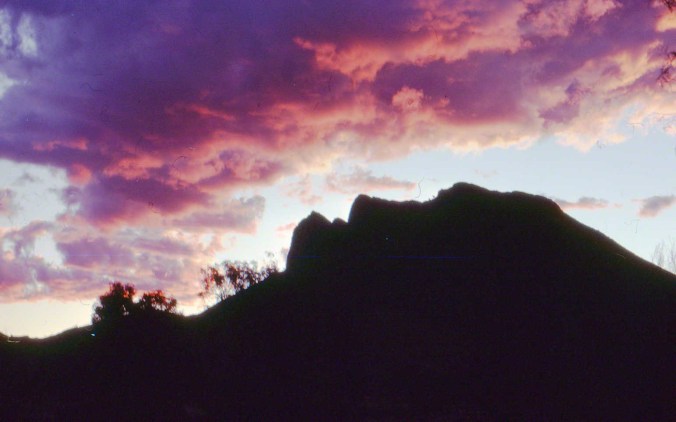
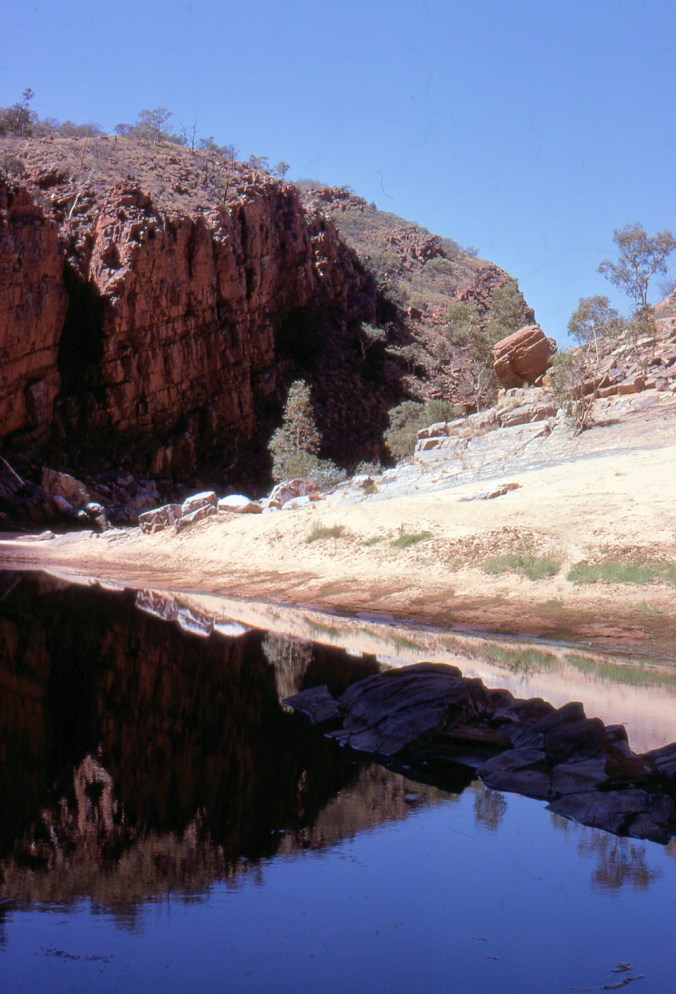
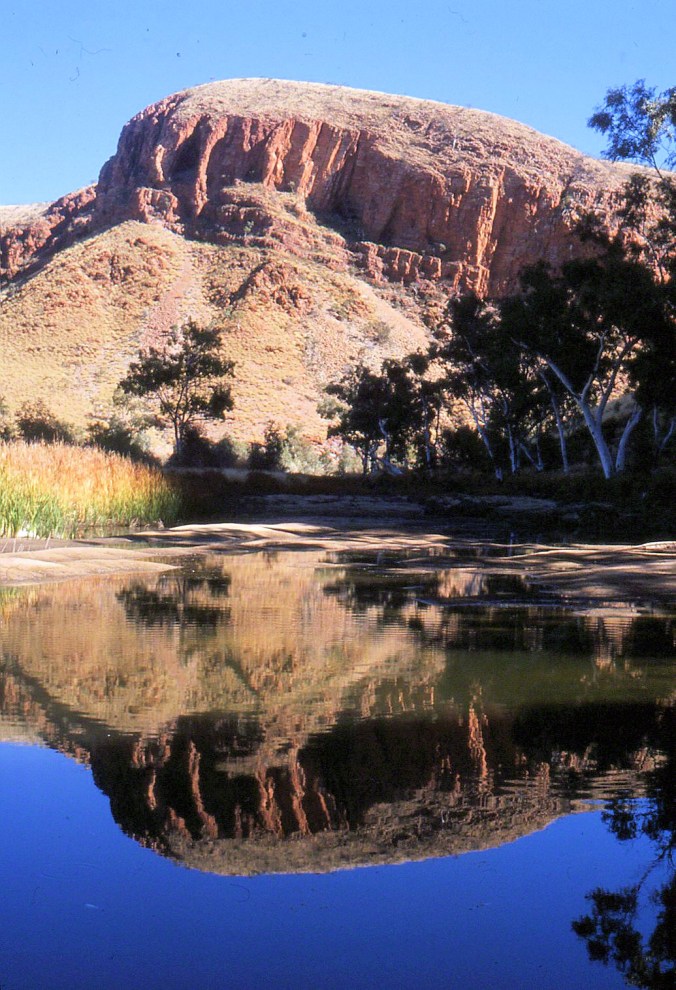
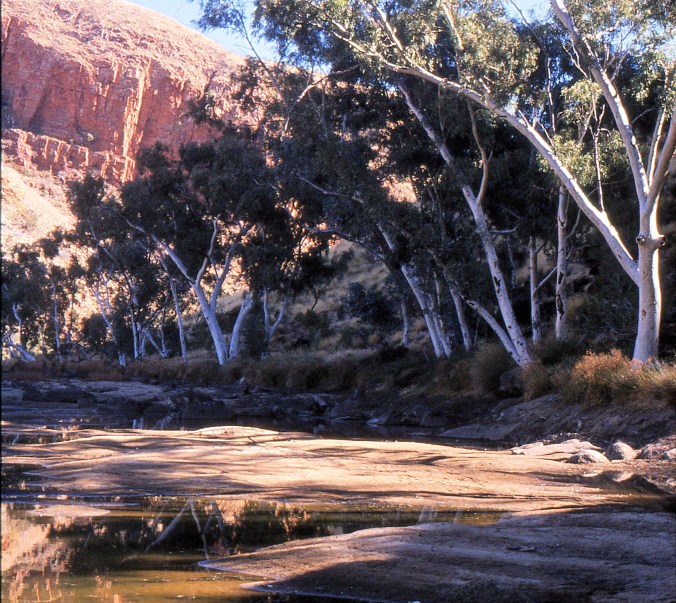
Travel with the T-Team: Homeward Bound

T-Team Next Gen 2013

[So, here is the final chapter in the series: The T-Team Next Generation 2013.]

Woomera II and the Final Leg of our Journey

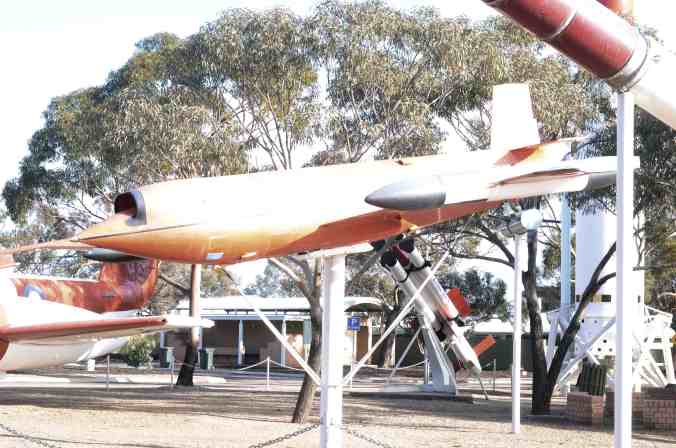
In the cool, crisp morning, the sun shone lemon-yellow rays but not much warmth; we strolled around the Woomera Rocket Museum. Rockets of all shapes and configurations stood in the open-air, testimony of what once was. This RAAF Base and village had once been a lively town in the 1950s and 60s, as an Anglo-Australian Cold War defence project. On this day, Saturday, July 20, 2013, the place seemed a mere shell of its former self, a cemetery of what once was, rockets rising like giant tombstones to the sky.

[Photo 1: Hubby’s paradise—monuments to rockets past © L.M. Kling 2013]

We meandered around the rockets, reading signs, eulogies from the past when threats from enemy nations were imminent. I was reminded of older friends telling me of a time when they practised drills hiding under their school desk in the event of enemy attack.

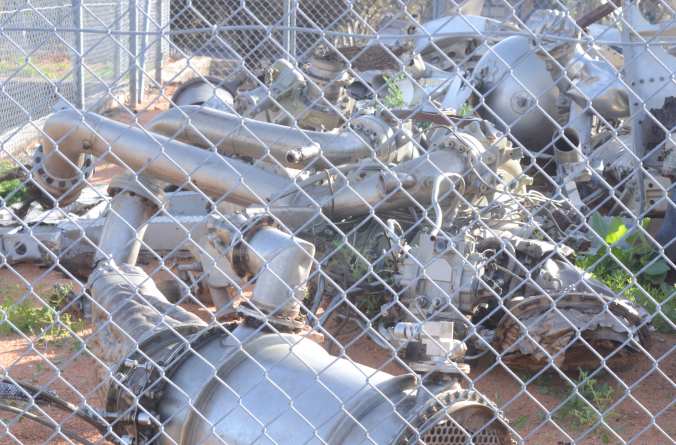
[Photo 2: Crashed Remains of Woomera rockets © L.M. Kling 2013]

My mother recalled when on February 19, 1942, Darwin was bombed. She was a girl in Hermannsburg at the time, and whenever a plane flew over, the Aranda women would wail, fearing disaster.

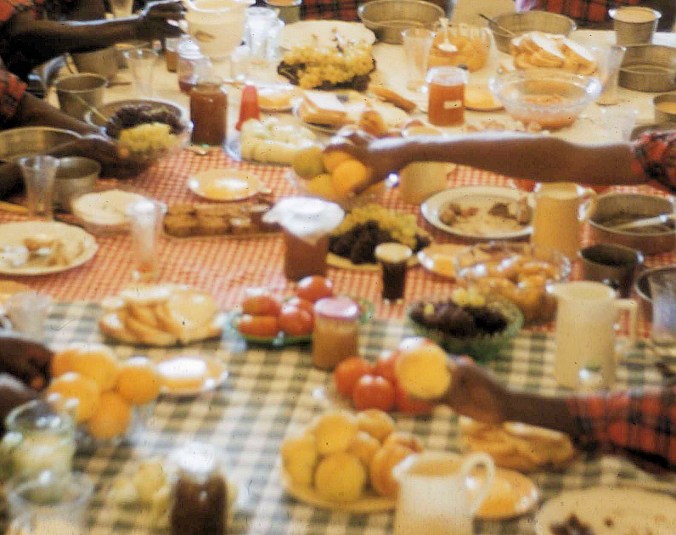
Now, Hermannsburg was a mission set up by German missionaries in 1877. Although by the 1940s the mission was fair dinkum Australian, having existed in Australia for all that time, the name, being German, raised suspicions among the Allies with the advent of World War II and the conflict with Germany. Hence, Mum remembers British officers flying into Hermannsburg to check the place out. They had to make sure there were no German spies. My grandpa, Pastor Sam Gross, and his wife (my grandma) hosted these officers and put on a lovely spread of lunch for them.

[Photo 3: The Lunch Spread © C.D. Trudinger circa 1955]

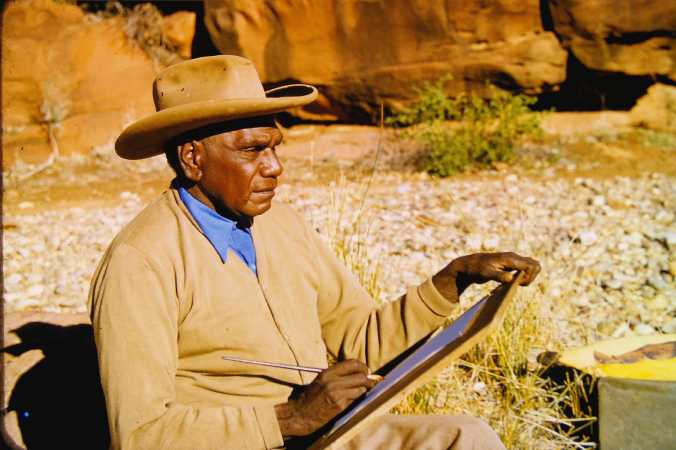
After investigating any mitigating threats, the British Officers flew away in their propeller plane, satisfied that Hermannsburg was no threat. Nevertheless, they confiscated the only link to civilisation, the community pedal radio. Just in case they really were spies, I guess. Further, to make sure that no threat to the Allies arose from this humble mission, they sent Rex Batterbee, a World War I veteran, to oversee the mission in the role of “protector of the aborigines”. As he had visited and then lived in Central Australia since the mid-1930’s, Rex taught Albert Namatjira to paint watercolours and helped him launch his career as a renowned artist.

[Photo 4: Albert Namatjira © S.O. Gross circa 1946]

Homeward Bound

Needless to say, in 2013, such threats of foreign enemies seemed in the distant past. But, being only 446 km from our home town, Adelaide, we were reluctant to linger amongst the rockets. Having packed and checked out of our overnight accommodation, we were eager to start our journey home.

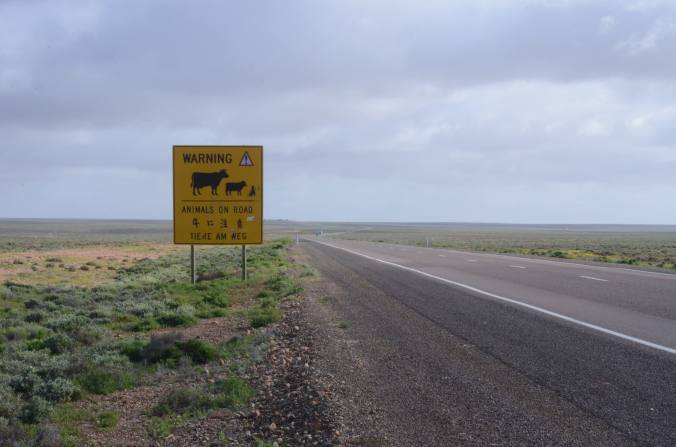
At a steady 90 km/h, we made progress down the highway that split the gibber plains in half.

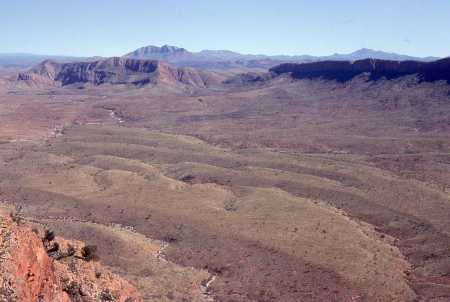
[Photo 5: Highway through the gibber plains © L.M. Kling 2013]

‘I bet the T-Team (my brother’s family) are home by now,’ I said. ‘No hanging around taking time to look at any more places for them.’

‘Why don’t you ring them just to see where they’re at?’ my hubby said.

I texted my niece. The time was 10:30 am.

“We are in Port Augusta,” she replied by text.

‘There’s no way we’ll catch up to them,’ I said, and then texted back, “Have a safe trip home.”

Clouds and rain descended on the land the further we drove south. By the time we reached Port Wakefield, the cold had seeped into the car. I put my parka on my legs to keep warm. Yet, for lunch Hubby insisted we eat alfresco in the rotunda at Port Wakefield. After all, despite his aversion to the cold, he needed to stretch his legs. Plus, it seemed no café existed in the town.

The rain and cold became more intense as we approached Adelaide. After driving through the grey, sodden streets, we arrived home, just as darkness fell at 5:30pm.

What disaster awaited us?

Hubby opened the door, and we trod inside. Son 1 played a computer game on the PC in the dining/living annex. He ignored us. We tiptoed through the family room. Not too much mess, and the carpet remained visible and clean.

We found Son 2 all rugged up and cosy in his room playing World of Warcraft. He said, “Hello,” and then asked for a coffee, then followed up the conversation with, “I’m hungry, what’s for tea?”

In the kitchen, as I prepared a drink, I noticed the dishes had been done, and the cats fed. I thanked Son 1 for the effort. He took all the glory and remarked that his brother had done nothing.

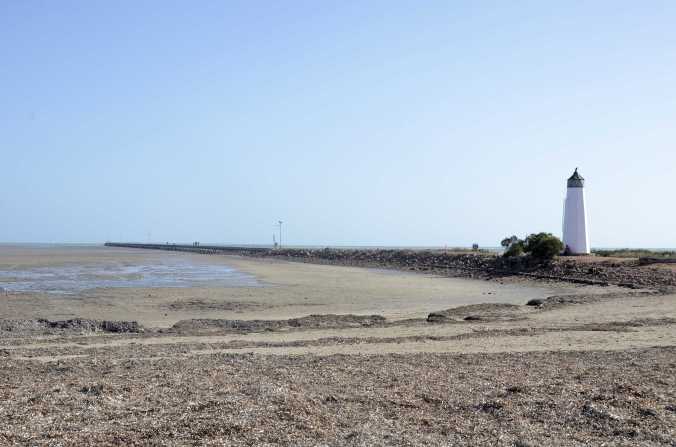
[Photo 6: Memories of our trip’s beginnings—Port Germein jetty © L.M. Kling 2013]

The Aftermath

There are always casualties that follow every holiday. And this one was no different. Two paintings which I had planned to exhibit in the upcoming Marion Art Group exhibition had gone AWOL. I’d like to think they were stolen … but I reckon they would be found in some odd place sometime in the future.

Eleven years hence as I write this final chapter, I wonder what paintings they were?

Oh, and the other casualty, Hubby, who proudly boasted that he had taken thousands of photos of the Central Australian trip on his mobile phone, can no longer find where those photos went. It would seem those photos went AWOL too.

As for the T-Team, they actually arrived home after us, having spent a night at Port Germaine. They decided to treat themselves after roughing it for the past two weeks.

© Lee-Anne Marie Kling 2024

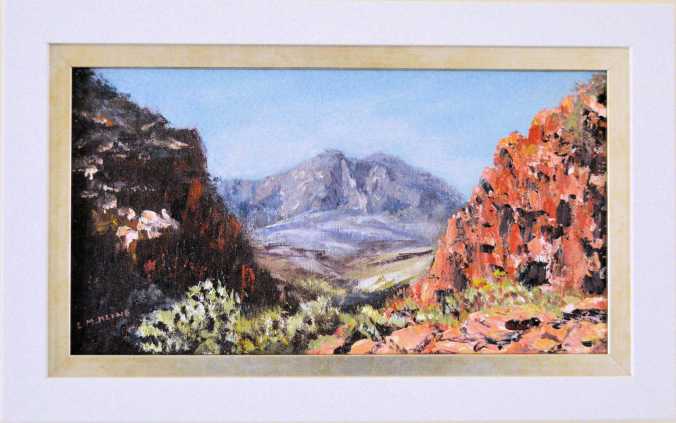
Feature Painting: Ormiston Memories, the reason for the journey © L.M. Kling 2018

***

Virtual Travel Opportunity

For the price of a cup of coffee (takeaway, these days),

Click on the link and download your kindle copy of my travel memoirs,

The T-Team with Mr. B: Central Australian Safari 1977

Trekking with the T-Team: Central Australian Safari. (Australia)

Arty Adventure Friday–Lost on Liebig

[Whilst preparing my painting of the far-flung western MacDonalds (Mt. Liebig) painting for Marion Art Group’s SALA exhibition, in August, I was reminded of our near-death experience when the T-Team became lost descending Mt. Liebig. Below is the story …]

Lost on Liebig (2)

[While Mr. B and his son, Matt stayed back at camp

Three of the T-Team faced the challenge of climbing Mt. Liebig. And finding their way down. After a successful climb (except for the lost quart can) to summit Mt. Liebig (Read Part 1 of this adventure in my travel memoir The T-Team with Mr. B Central Australian Safari 1977 ), the T-Team lost their way … ]

Extract from The T-Team with Mr. B Central Australian Safari 1977, a prequel to Trekking With the T-Team Central Australian Safari 1981. Available on Amazon.]

The T-Team Lost

We heard a blood-curdling scream.

‘What’s that?’ I asked.

‘Rick, I hope he’s alright.’

We scrambled down the last of the gully and ran along the ridge in the direction of Rick’s cries.

Rick rose above the mounds of spinifex rubbing his behind.

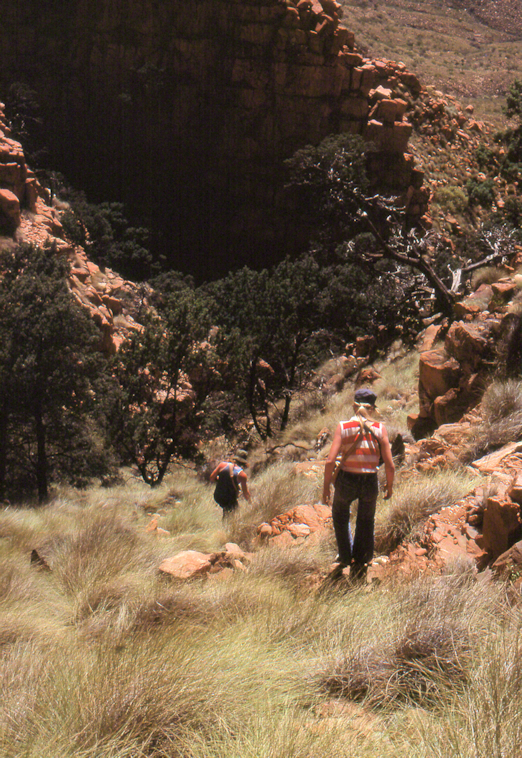
[Photo 1: Surveying the descent © L.M. Kling (nee Trudinger) 1977]

‘Are you okay?’ I fought my way through the prickly barbs to my brother.

‘I’m fine, except I fell, bottom first in the spinifex.’

‘Oh, so it’s just a false alarm then, we thought you were really hurt,’ I said. His scream was worse than the prickly bushes’ sting.

‘Well, I’m going to avoid any more painful encounters,’ he said and with that he stomped away from me and within minutes, drifted out of view.

[Photo 2: Dangerous descent as far as Rick and spinifex is concerned © C.D. Trudinger 1977]

We also diverged. Dad was confident that all gullies lead to the big one at the base of the slope. ‘Ah, well! We will meet Rick in the gully below,’ he assured me.

But contrary to Dad’s prediction, we did not meet Rick. I could not help thinking, this was not the first time as far as Rick was concerned. We’d already lost him in the sand dunes near Uluru. Almost.

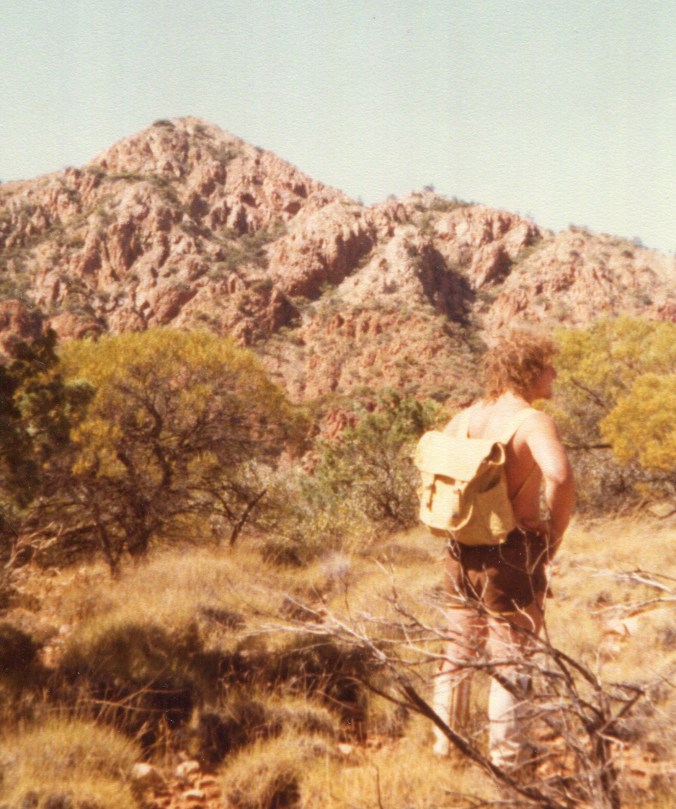
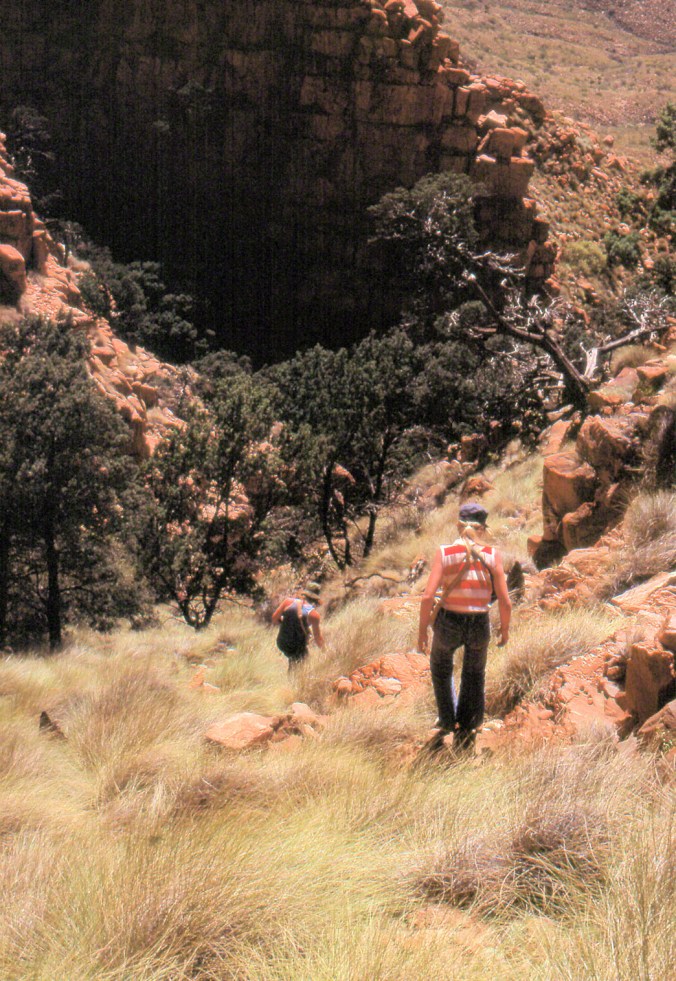
[Photo 3: Hiking down from Mt. Liebig, just before we lose Rick © C.D. Trudinger 1977]

Dad continued to search for his quart can. But that little friend Dad had cherished since the fifties, eluded him also.

We weaved our way down the main gully for about an hour. A huge spider in a web spanning the width of the gully confronted us. The spider, the size of a small bird, appeared uninviting, so we backtracked and decided to hike up and down the ridges.

[Photo 4: Another big uninviting spider (Orb Weaver); they’re everywhere in Australia © L.M. Kling 2011]

For several hours, we struggled over ridges. Up and down, we tramped, yet seemed to make little progress; the rise and dips went on forever. The sun sank low, and so did our water supplies.

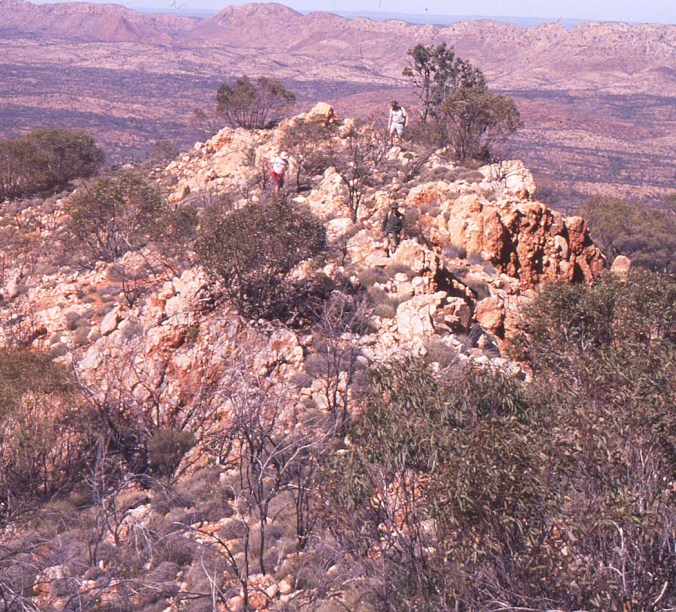
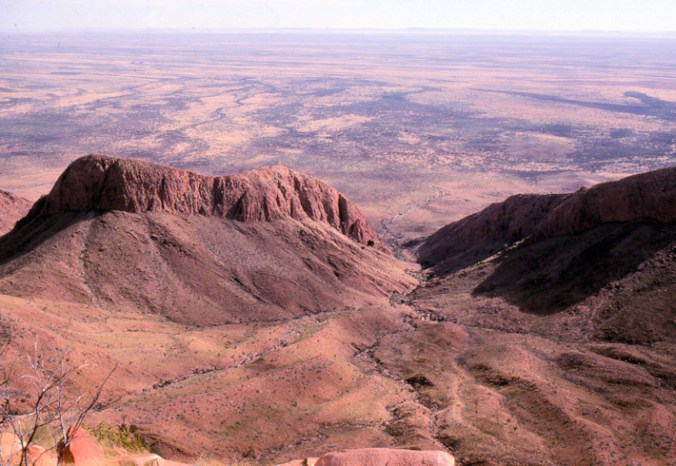
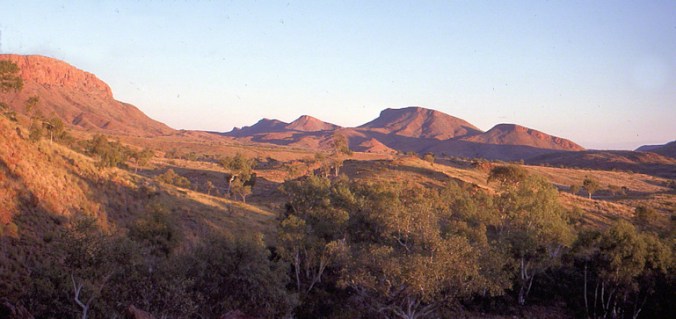
[Photo 5: Late afternoon on the Liebig Range © C.D. Trudinger 1981]

The heat drained me. My tongue stuck to the roof of my mouth. But we had to ration water.

Dad slumped on a slab of rock at the bottom of a gully. ‘Drink?’

I took the canteen from him and filled my cup. Then I spooned in some Salvital. I chugged down the water as it fizzed. So refreshing!

‘Oh, Lee-Anne!’ Dad quibbled. ‘You didn’t leave much for me!’ He poured the last drops of water from his canteen into his mouth and gazed in despair at the lengthening shadows of the mountain.

‘Oh, but Dad! It’s not fair! We will never get out of this place! We are lost forever.’ I had visions of future hikers coming upon our dried-up old bones thirty years later. ‘What are we going to do?’

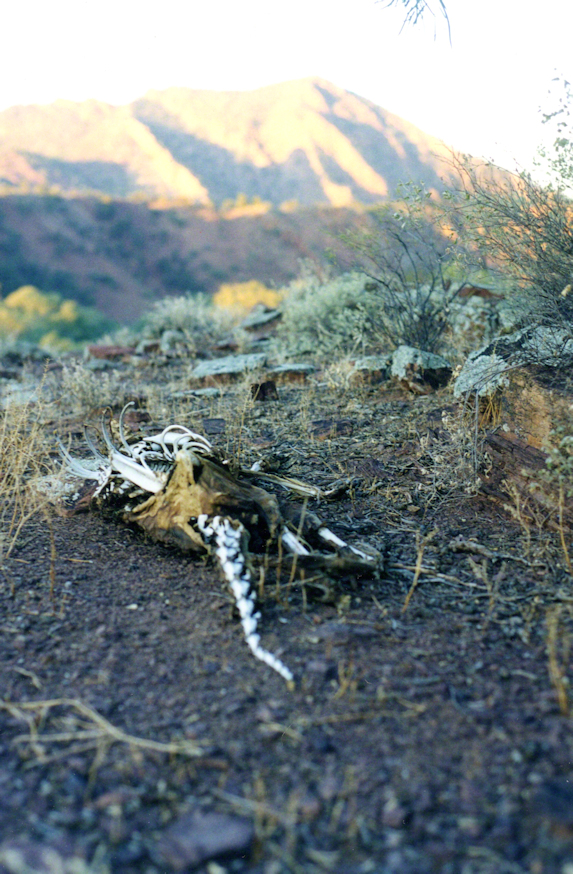
[Photo 6: Dried bones; not human, kangaroo. Brachina Gorge Flinders Ranges © L.M. Kling 1999]

‘Well, um, perhaps we better pray God will help us.’ Dad bowed his head and clasped his hands. ‘Dear Lord, please help us find our way back to the truck. And forgive me for growling at Lee-Anne.’

‘Forgive me too. Help us not to run out of food and water, too.’

‘Bit late for that,’ Dad muttered. ‘Ah, well.’

We had barely finished praying, when an idea struck me. ‘Why don’t we climb up a ridge and walk along it. Surely if we go high enough, we’ll see the landmark and the land rover.’

‘Oh, I don’t know. We need to conserve our energy.’

‘Just one ridge won’t harm us.’

Dad sighed. ‘Okay, it’s worth a try.’

I raced up the hill and strode along the ridge. I climbed higher and higher. I glanced towards the east expecting, hoping, willing the Rover to appear. But with each stride, each hopeful gaze, nothing. I resolved to climb further up the slope before turning back.

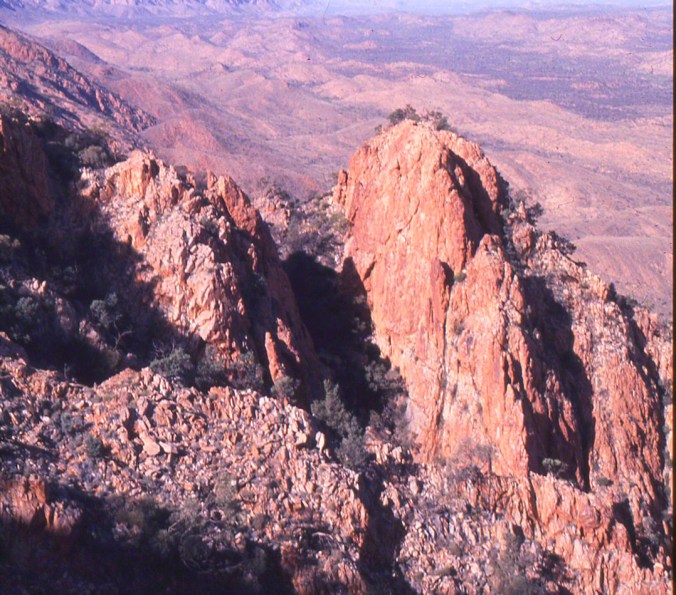
[Photo 7: Ridges leading up to Liebig © C.D. Trudinger 1977]

After a few more steps, still nothing. With the heaviness of defeat, I turned to climb down. Then I saw it. The Land Rover sat at the base of the mountain, glistening in the last rays of the setting sun.

‘There it is!’ I jumped up and down over-reacting with excitement.

‘Praise the Lord!’ Dad’s shout echoed in the valley.

With renewed energy, we attacked the last mounds that lay between the vehicle and us.

‘Rick will probably be sitting there waiting for us wondering what has happened,’ Dad said puffing as we strode up to the land rover. ‘Can’t wait to have a few gallons of water.’

We rambled over to the rover. Dad circled the vehicle and returned to me shaking his head. ‘He’s not here.’

[Photo 8: Foreboding, Mt. Liebig at sunset © C.D. Trudinger 1981]

I wandered around the clearing searching for Rick. I looked behind bushes and under some neighbouring bean trees. My brother was nowhere in sight.

But worse still, when Dad tried to fill his cup, only a few drops of water trickled from the land rover’s water tank.

Dad stared at the ground and tapped his pockets. ‘This is not good. This is not good,’ he said.

The sun had set and a cold chill cut through me. He’s lost. My brother is lost in this wilderness. ‘What if he’s had an accident?’

‘We need to pray,’ Dad said.

Dad prayed, ‘Father, bring Rick home and provide us with water too.’

We waited watching the colours on the mountain fade and our hopes fade with them.

‘I guess we better get going,’ Dad said. He opened the door of the Land Rover.

Rick staggered around a nearby outcrop of rocks.

We ran to greet him.

‘Rick, you’re okay,’ Dad said hugging him.

‘What happened?’ I asked.

‘I took the long way and trekked around the base of the mountain. I thought it wouldn’t take that long, but it just went on and on.’

[Photo 9: Around the base of Mt. Liebig © S.O. Gross 1946]

As we walked to the Land Rover, Dad studied the vehicle. ‘You know, it’s on a slope, if I get it to level ground, we might have enough water.’

Dad drove the Rover to where the ground flattened out. Water never tasted so sweet.

© Lee-Anne Marie Kling 2016; updated 2019; 2021; 2023

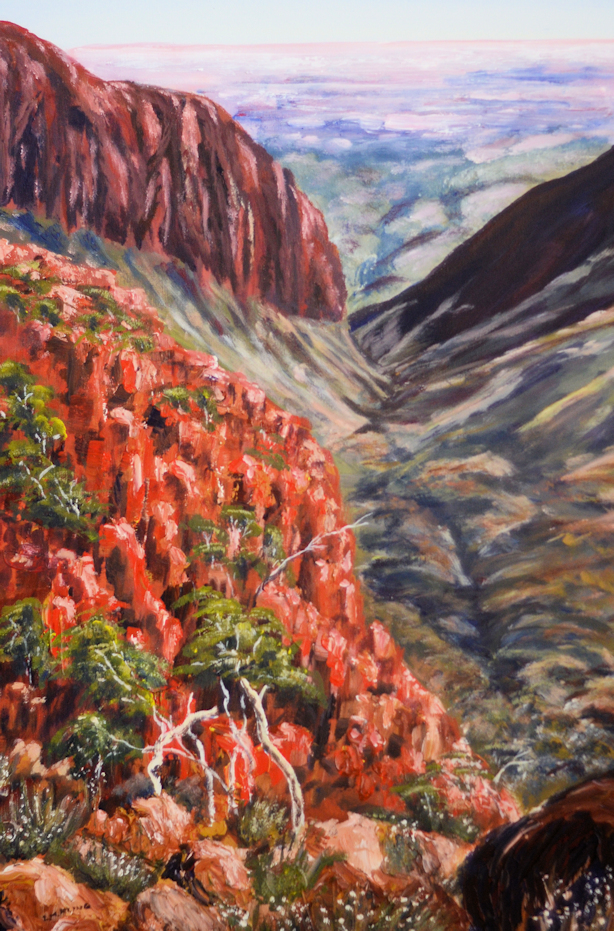
Feature: Painting acrylic on canvas: Descent from Liebig © Lee-Anne Marie Kling 2026

***

Find out how the adventure with Mr. B progresses.  

Click on the link, The T-Team with Mr. B Central Australian Safari 1977 and join the journey back in time to the 70s and into the Centre of Australia.

Dreaming of more Aussie Outback Adventure?

Click the link below:

Trekking With the T-Team Central Australian Safari 1981

To download your Amazon Kindle copy of the story…

And escape in time and space to the Centre of Australia 1981…

Arty Friday–Other Side of Ormiston Gorge

Story Behind the Painting–Ormiston Gorge

[Extract from Trekking With the T-Team: Central Australian Safari 1981]

Fishies in the Billabong

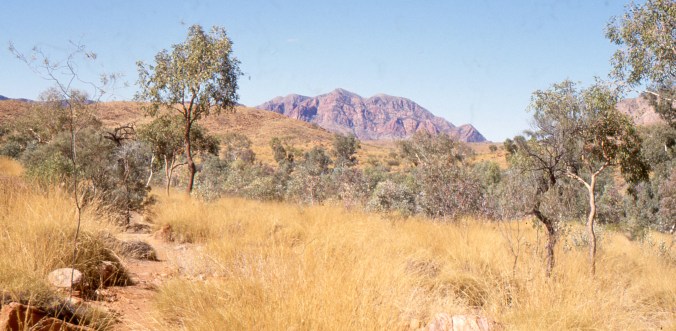
After relishing the sweet crunch of cornflakes for breakfast, the T-Team drove back to Ormiston Gorge. We hiked through the gorge admiring the red cliffs, ghost gums and mirror reflections in the waterholes, and took less than an hour to reach the end with the view of Mt. Giles, lumpy and sapphire blue.

*[Photo 1: View of Ormiston Gorge as we hike through © C.D. Trudinger 1981]

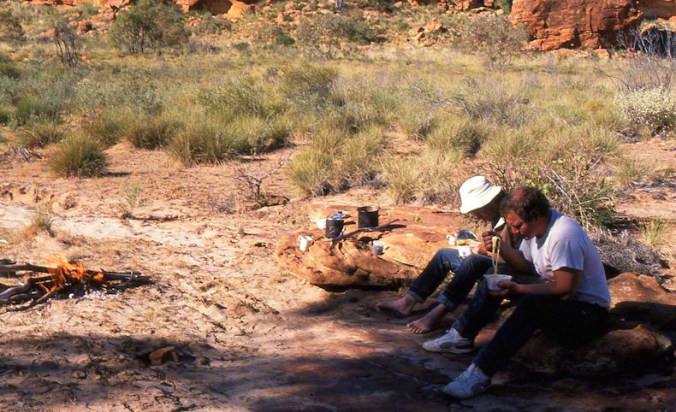
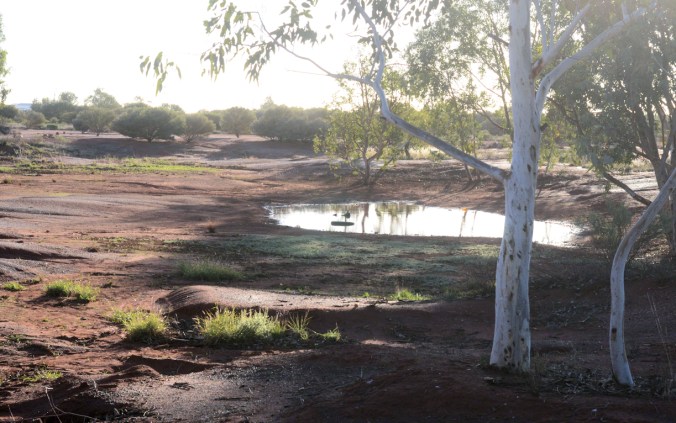
Settling near a waterhole framed by reeds, Dad built up a fire on the coarse sand while our family friend, TR rolled up his trousers and dipped his toes in the pool. ‘Hey!’ He pointed and did a little dance. ‘A fish! I see a fish!’

*[Photo 2: The Other Side of Ormiston © C.D. Trudinger 1981]

Our cousins, C1 and C2 raced over to TR. ‘Where?’ They peered into the pond. I trailed after them, hunting for fish through the plumes of muddied water near TR’s white calves.

‘There!’ TR waved his finger at the middle of the waterhole.

C1 squinted. ‘Oh, yeah.’

C2 waded into the water and peered. ‘I don’t see anything.’

*[Photo 3: Waterhole closer © C.D. Trudinger 1992]

Richard hunted and fossicked through the cooking equipment Dad had scattered around the campfire. ‘You got a sieve? A net? Anything?’

‘What for?’ Dad asked.

‘The fish.’

‘Ah, you know, those fish can lay dormant in the dry creek bed for years and when the rain comes, they spawn.’ Dad just had to tell us.

‘Well, this little fishy is going to be our lunch.’ Richard snapped his fat fingers together like crab claws. ‘I’ll catch it with my hands if I have to.’ He strode into the pool with such force the waters parted like the Red Sea. ‘Now where’s that fish?’ He said as he sank up to his waist.

‘There it is!’ TR gestured. ‘To your right.’

*[Photo 4: Mt Giles over pound © C.D. Trudinger 1981]

Richard glanced, his smile faded. ‘Oh, is that all? It’s just a piddley little thing. Not enough for lunch.’ He was neck deep in the water and prepared to swim. He shot up. ‘Ouch! Something bit me!’

‘Better watch out, might be Jaws,’ I said.

‘You didn’t tell me there were yabbies.’ Richard bobbed up and down, then reached down to catch his feet. ‘Ouch! It bit me again!’

‘Why not yabbies?’ C1 said.

‘Now that’s an idea.’ Richard replied.

‘Ah! Shrimp!’ C2 waded towards his cousin. ‘I love the taste of shrimp.’

‘Hmm, yabbies,’ Richard said. ‘We used to catch yabbies all the time when we were young.’ With an explosive splash, he submerged in search of the yabby that had bitten him.

Dad, TR and I waited for the damper scones to cook and watched Richard and C1 turn bottoms up like ducks in the water in their quest for yabbies. C2 waded in the shallows of the pond, a roughly sharpened stick in hand ready to skewer any hapless water-creature.

*[Photo 5: Eating lunch © C.D. Trudinger 1992]

Soon we breathed in the sweet aroma of baked scones. Dad flipped the foil wrapped balls out of the coals. ‘Lunch is ready!’ He clustered the silver spheres together using a small branch as if they were balls on a snooker table. Empty-handed the lads dragged their soaked bodies from the waterhole and schlepped to the fire place to collect their consolation prize of damper scone.

Richard held his stubby index finger and thumb in the form of the letter “C”. ‘I was this close to getting a yabby.’

© Lee-Anne Marie Kling 2016; Updated 2018; 2021; 2026

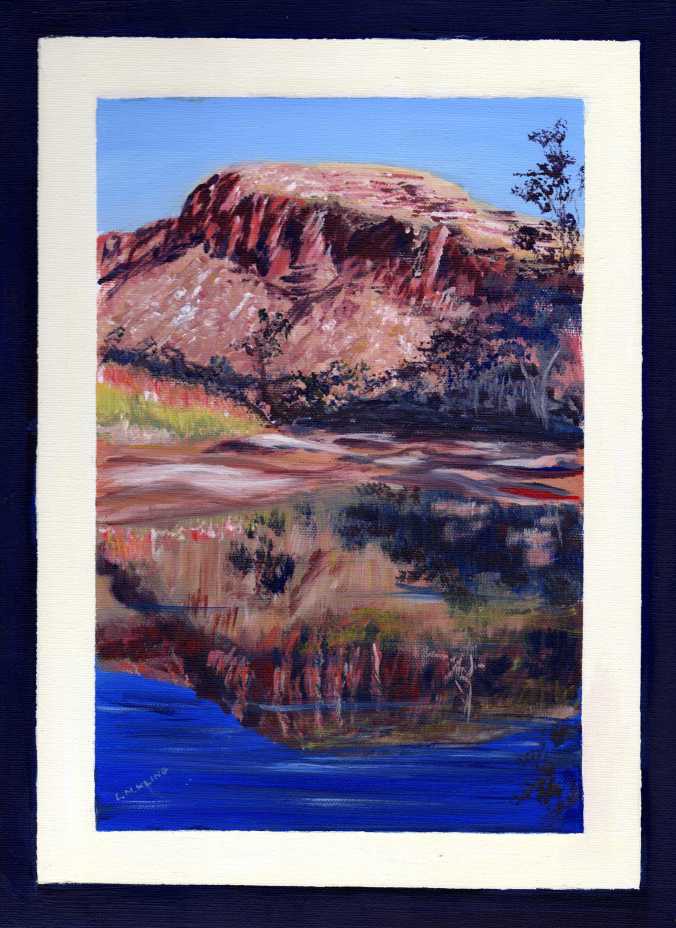
*Feature Painting: The Other Side of Ormiston © Lee-Anne Marie Kling 2016

***

Virtual Travel Opportunity

For the price of a cup of coffee (takeaway, these days),

Click on the link and download your kindle copy of my travel memoirs,

The T-Team with Mr. B: Central Australian Safari 1977

Trekking With the T-Team: Central Australian Safari 1981

Final Two Days for MAG Exhibition

Here I was, merrily thinking the exhibition at Brighton Central finished on Saturday. Then my art and writing friend informed me it’s Sunday. So, there you go, a bonus day. If you have time and are in Adelaide, head down to Brighton Foodland, corner of Edward Street and Brighton Road, to view this brilliant display of artwork. Again, Marion Art Group (MAG) has done well, paintings selling like hotcakes at times.

So come, treat yourself, and have a look.

Meanwhile, click on the link below and read my story behind one of my paintings, Ghost gum, Western MacDonnell’s.

Feature Painting: Ghost Gum, Western MacDonnell’s © L.M. Kling

Travel with the T-Team Next Gen–Crazy Can in Coober Pedy

T-Team Next Generation

Alice to Adelaide

Part 2

[In 2013, the T-Team, next generation embarked on their pilgrimage to Central Australia. Purpose: to scatter Dad’s ashes in his beloved Central Australia, in Ormiston Gorge.

Once every month, I will take you on a virtual trip to the Centre and memories of that unforgettable holiday in 2013, with my brother and his family; the T-Team Next Generation.

This time, a crazy robot toilet incarcerates me.]

The Trucks of Terror

Morning and the dawning realisation why this campsite may not have been popular. Anthony stomped around the tent, grumbling.

‘I got no sleep last night,’ he snapped. ‘Kept getting woken up by those trucks rumbling all night. And their lights. Just as I drifted off to sleep. Those lights shining into our tent.’

‘Will you be alright to drive?’ I asked.

‘Why wouldn’t I be?’ he sniffed. Anthony was a man, after all, and infallible.

We moved like snails, packing up. I loaded the Ford’s rear with stuff. Next minute, Anthony was there unloading and repacking. Must do it right, even on the last leg of our journey.

[Photo 1: While I waited, morning views from Marla campsite © L.M. Kling 2013]

While he played his version of luggage-tetris, I wandered off to the BBQ hut to check for any forgotten items that might lurk there. And behold, sitting rather smugly in a rather obvious position on the bench next to the BBQ facilities was Anthony’s water bottle. You just have to wonder whether the water bottle had legs and hid when we were searching for it the previous night. Then, when it realised that it might be left behind, it positioned itself in the fail-safe position to be found. The water bottle is not the first item to “hide” from me and then “reappear” in a place where I have looked a dozen times before …

There was much rejoicing over the lost water bottle that was found.

Owing to Anthony’s meticulous care in packing, we were the last to leave the campsite.

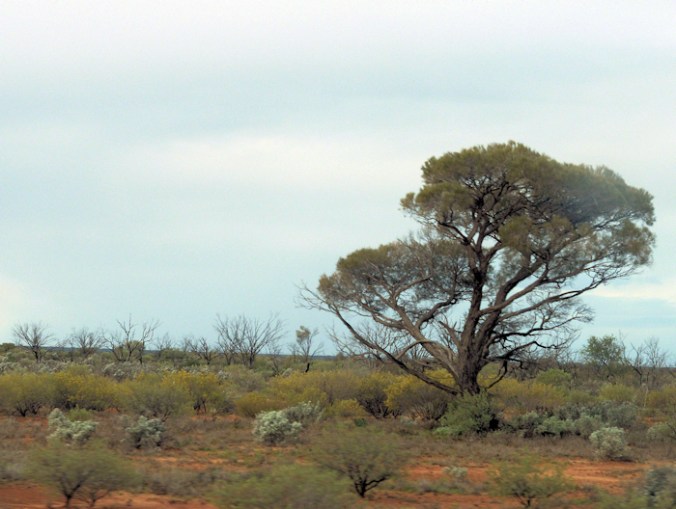
As we travelled the long monotonous stretch, I slept a bit, wrote in my diary a bit, and then stared out the window at the red earth, gibber plains, and twisted corkwood trees.

*[Photo 2: Inspiration for a painting— Trees twisted on the gibber plains © L.M. Kling 2013]

Anthony took my hand. ‘I’m sorry I was grumpy.’

‘That’s okay, blame it on the trucks that kept us awake all night.’

‘I swear that there was a truck that shone its lights straight into our tent.’

‘Yeah, it seemed that way,’ I replied. ‘Perhaps we can stay at Woomera in a cabin tonight and get a decent night’s sleep.’

‘Yeah, why not!’

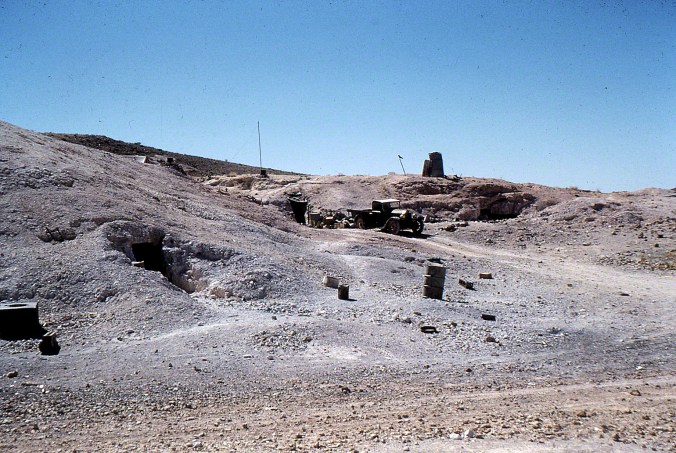
Around two o’clock, the landscape evolved from flat and stone scattered to low-lying hills pockmarked with what appeared to be giant rabbit holes. Signs warned visitors to beware of mineshafts.

*[Photo 3: Mineshaft mountains © M.E. Trudinger (nee Gross) 1956]

‘Lunch at Coober Pedy?’ Anthony said.

‘Yes, but … first a toilet stop.’

‘And where do you suggest?’ Anthony glanced at me and then gazed at the mineshaft-littered hill face.

‘A service-station? Or a pub?’

‘And where’s the service station?’

A tour of Coober Pedy yielded no service stations that we could find. And he who wanted to save money and eat a picnic lunch was not willing to enter a pub for the loo in case it entrapped us into eating in there.

‘What about the playground and BBQ area where we had tea with the T-Team on the way up to Central Australia?’ Anthony suggested.

Bad suggestion …

But, at the time, I agreed. Lunch and loo visit in one hit.

2. Chaos in the Can at Coober Pedy

We settled down at a picnic table near the automated toilets. Anthony prepared the sandwiches while I dashed into the “robot” dunny to do my deed.

While I sat on the tin throne, country and western-come-Hawaiian music clanged away. Did I detect a banjo while the toilet roll unfurled itself for me? No button to flush. Oh, well. Once I washed my hands, the toilet duly flushed. Then, I placed my hands under the air-dryer. As usual, I am invisible to this universe and the cohort of air-dryers that belong to it. The air-dryer refused to acknowledge me and blow air on my wet hands. Oh, well, I’ll dry my hands with my own towel from the car that exists quite happily in my universe.

I step to the sliding door and press the large blue button. The music volume increased. But the doors did not oblige. I pressed the blue button again. Nothing. Just the demented music. Becoming more demented.

I read the instructions. And pressed the blue button again.

Nothing.

I hit the button.

Kicked the door.

I sat down by the stubborn, un-sliding door.

And waited.

Instructions said I must vacate this automated, locked-down establishment in ten minutes. As if to press its point, the “robot’ toilet ramped up the annoyance level of the music.

What’s worse, I had entered this pongy prison without my mobile phone. Or jumper. It was cold in there.

Anthony called from the outside. ‘What’s going on?’

‘I’m trapped,’ I replied. ‘The toilet won’t open.’

‘Have you tried to push the button?’

‘Yes, a million times.’

‘Well, you must’ve done something wrong.’

I noted that the blue button had written on it “touch free” and then I figured, That’s why the toilet’s incarcerated me. Touching it must’ve broken its rules. ‘Has it been ten minutes yet?’

‘Not yet.’

Then, the blue button, which I’m meant to push for my release from this demented can, the button that has “touch free” displayed on it, lit up and vibrated. But the door refused to budge.

I pushed the door. No joy. It stayed locked, and the not-so-ambient music went on and on like some crazy organ-grinder.

I was starting to imagine a security guy in some dug-out office in the middle of Coober Pedy laughing at this old jailbird (me) … when …

A voice from above warned, ‘You have exceeded your stay; you must exit immediately.’

‘Not that I haven’t wanted to,’ I snapped back. Pushed the vibrating bright button, yet again. Pulled the door. Still as stubborn as.

‘You have exceeded your stay. You must exit immediately.’ Followed by the crazy music.

I rolled my eyes. ‘I wish.’

Watched the door. Hoping. Praying it would open.

‘You have exceeded your stay. You must exit immediately.’

I waited and watched. ‘You might need to call the police or emergency services to release me,’ I told Anthony.

As if it heard my warning to call the authorities, the door slid open. I leapt out. ‘Yay! I’m free! I’m free!’ I jumped and danced in front of a rather unimpressed husband. ‘I’m never going to be in one of those things again! I thought it was never going to open!’

‘Come on, let’s have lunch,’ Anthony snipped, ‘We’ve already wasted twenty-five minutes.’

‘Not before I get my jumper, I’m freezing. You don’t know how cold it was in there. I’m never going into a toilet without my mobile phone or a jumper. Ever.’

As we munched on our sandwiches, a brisk wind chilled us to the bone, even with an extra layer of clothing on. A little indigenous boy scampered into the evil “robot’ toilet. Less than a minute later, he exited. Anthony then went into the same crazy “can” and was out in two minutes.

‘How did you do that?’ I asked.

Anthony replied smugly, ‘I pressed the blue button.’

‘So did I, a dozen times.’

‘You must’ve done something wrong.’

‘Just my luck, I had to be incarcerated by the toilet.’

So, out on parole from the Cooper Pedy “jerry can”, we escaped this town and headed for Woomera.

[to be continued …]

© Lee-Anne Marie Kling 2021; updated 2026

*Feature painting: Desert Storm Brewing, Lake Hart © L.M. Kling 2025

***

Virtual Travel Opportunity

For the price of a cup of coffee (takeaway, these days),

Click on the link and download your kindle copy of my travel memoirs,

The T-Team with Mr. B: Central Australian Safari 1977
Trekking with the T-Team: Central Australian Safari 1981

Travel with the T-Team Next Gen–Return to Adelaide

T-Team Next Generation — From Alice to Adelaide (1)

[In 2013, the T-Team, next generation embarked on their pilgrimage to Central Australia. Purpose: to scatter Dad’s ashes in his beloved Central Australia, in Ormiston Gorge.

Over the next few months, I will take you on a virtual trip to the Centre and memories of that unforgettable holiday in 2013, with my brother and his family; the T-Team Next Generation.

This time, the T-K Team commences their return to Adelaide from Alice Springs.]

Back to the Big Smoke of the South

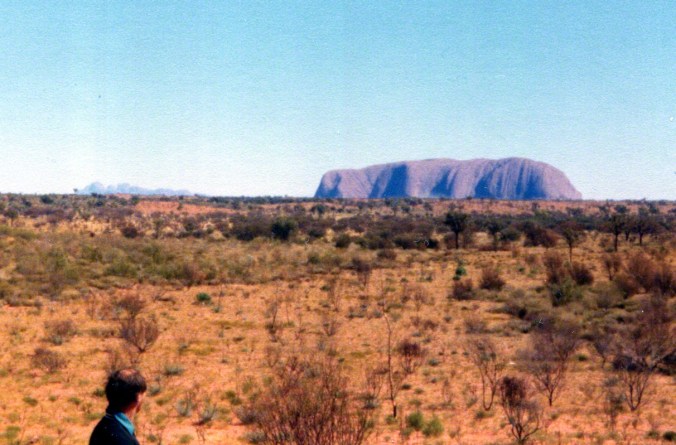
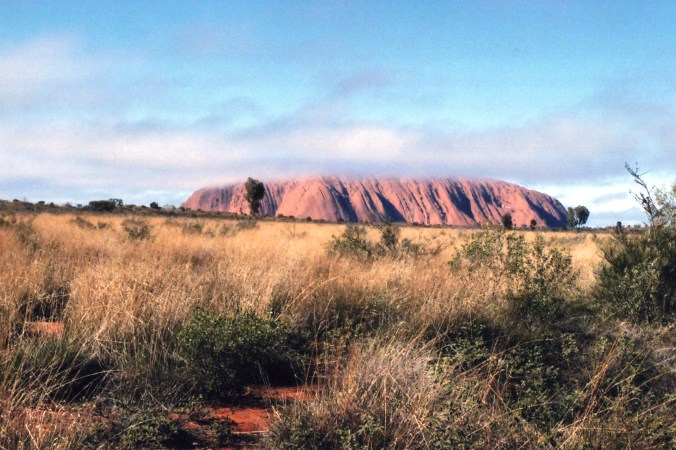
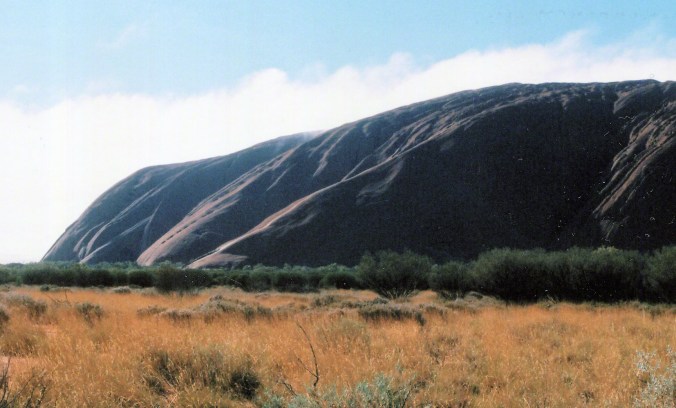
After packing up our belongings into our trusty Ford, topping up with petrol, and cash supplies, we departed Alice Springs and headed south to Adelaide. It’s amazing what one discovers retracing our steps to South Australia. In the morning sunlight, there, mini-Ulurus, mini–Kata Tjutas, and mini-Mt Conners.

[Photo 1 and Feature: One mini-Ayers rock © L.M. Kling 2013]

At Kulgera, we shared lunch with flies. All around us, people swished at their faces. My glasses kept falling off as I fanned the flies away. In the end, I put on my sunnies. Then, when that strategy failed, we retreated into the roadhouse and had coffee in the restaurant. Self-serve for $3.

[Photo 2: Probably one of the most effective ways to keep the flies at bay © L.M. Kling 2013]

I drove the following 180 kilometres to Marla. A slow drive at times, stuck behind cars pulling caravans.

‘Why don’t you overtake?’ Hubby whined.

‘I’m playing it safe,’ I replied. ‘Better to be late than dead on time.’

‘Humph!’

The caravan convoy eased into Agnes Creek.

‘Ah, freedom!’ I said and pressed on the accelerator. The Ford powered up to 100 km/h.

‘Careful!’ Anthony warned. ‘Don’t go too fast.’

‘I won’t.’

I kept my promise and maintained a steady 100 km/h all the way to the border of South Australia and the Northern Territory.

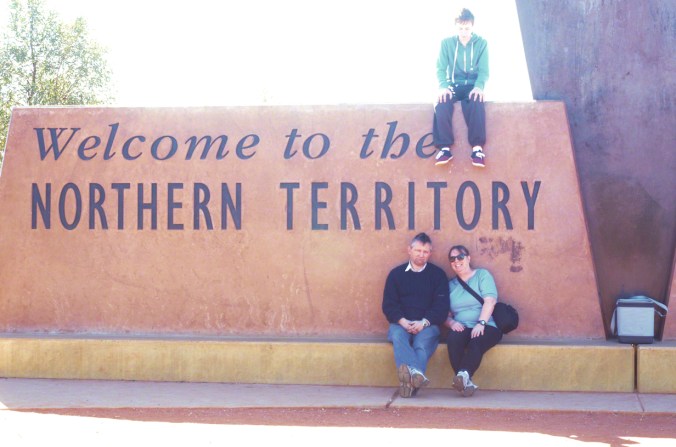
[Photo 3: Distant memories of entering the NT two weeks prior © L.M. Kling 2013]

There, at the border, we parked to check our itinerary of food for fruit and vegetables. Owing to the prevention of bringing any fruit fly infestation into South Australia, fruit and vegetables had to be disposed of in the bins provided. More flies hovered around, joining our forage in the back of the Ford.

A passing Northern American tourist remarked, ‘Are South Australians so precious?’

‘Yes, we are,’ I muttered to Hubby, ‘how else have we kept the scourge of fruit fly out of our state?’

All around us, fellow travellers hauled out their luggage from their cars or four-wheel drive vehicles and disposed of their fresh produce. None of them looked happy.

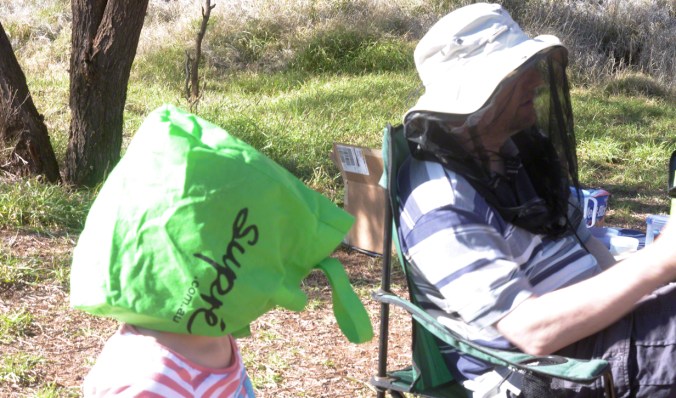
Sitting on a picnic table, a lad about Son 1’s age, and wearing a fly net, boiled up a pan of canned corn and peas on a portable gas cooker.

Nodding in their direction, I remarked to my husband, ‘Do they think canned vegetables are a problem?’

‘Quiet, Lee-Anne, they might hear you,’ my husband snapped.

‘Maybe someone should tell them that it’s only fresh vegetables that need to be disposed of.’

Hubby shook his head. ‘Come on, let’s get going.’

After depositing the few offensive apples and oranges in the bin, we piled into the Ford and charged forth on our journey south down the Stuart Highway.

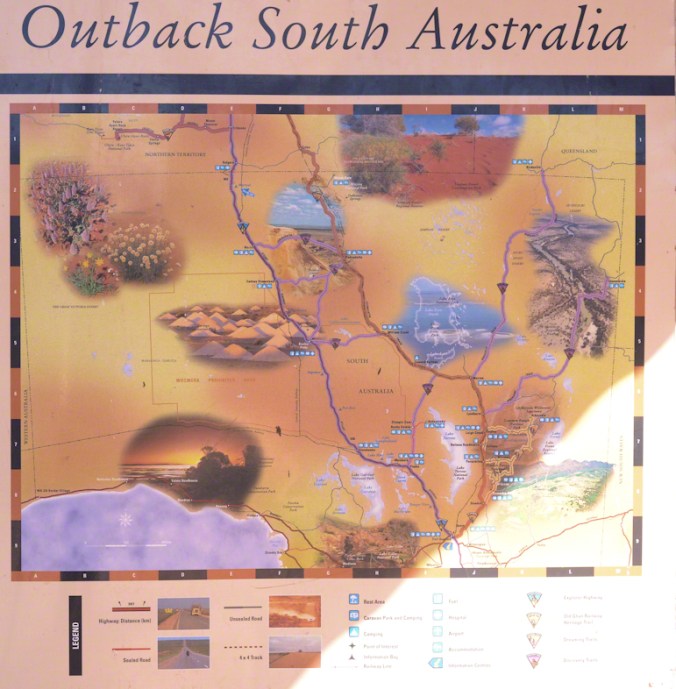
[Photo 4: The map: Down the Stuart Highway we go © L.M. Kling 2013]

A sign warned of penalties for the non-disposal of fruit and vegetables.

Hubby breathed in. ‘Oh, no, what about the potatoes?’

‘We have potatoes?’

He nodded. ‘What are we going to do?’

I shrugged. ‘Eat them? For tea?’

‘How are we going to do that?’

‘I guess we’ll have to stop over at Marla and camp there tonight. Then cook up the potatoes.’

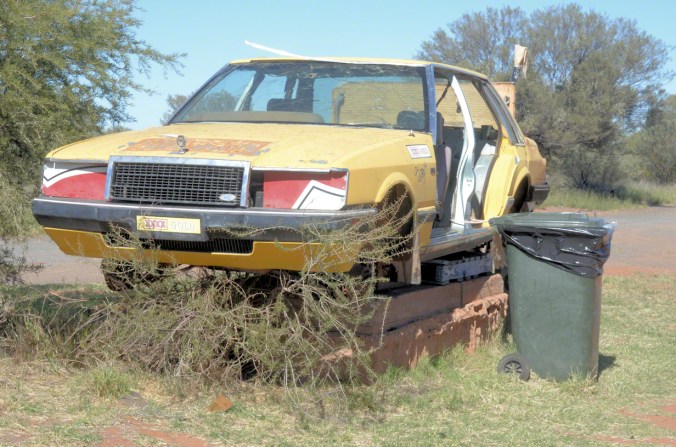
[Photo 5: Better late than dead on time—car body at Marla © L.M. Kling 2013]

With the potatoes securely stored in the cooler hidden in the Ford, we stepped into Marla’s red brick tourist park office. Tent site? No problem. Plenty of room on the grassy park for campers.

However, fearful that the biosecurity police might emerge from under a mini-Ayers rock and ping us with a hefty fine, I was designated to cook up the potatoes and one offending onion, while Anthony pitched the 2-person tent in the middle of the verdant camping reserve. My potato dish was not exactly rösti, though.

While frying up this “contraband” fare, a familiar white van whizzed past. I stepped out of the BBQ shelter and waved to them. The white van turned around.

The T-Team joined us for our potato and onion fry. Our nephew contributed their stash of vegetables to make a stir fry. Mrs. T shared the T-team’s adventures visiting a friend’s cattle station south of Alice the past couple of days.

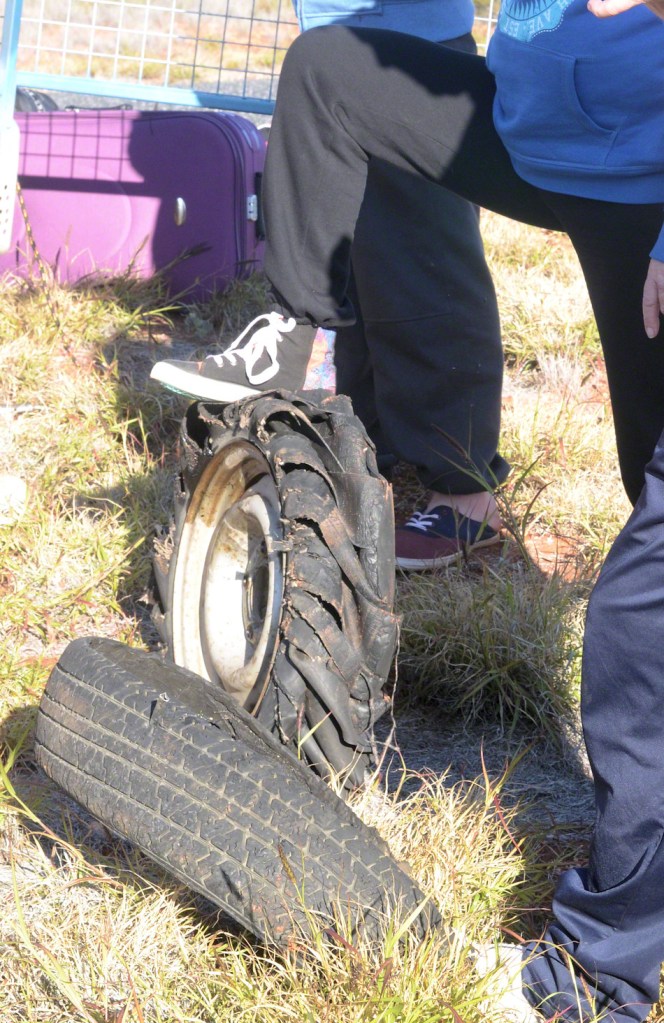
My older niece was not her usual cheerful self. While helping me wash the dishes in a crummy camp kitchen with little light, Brother T confided in me that she may not have been happy about driving the Oodnadatta track.

‘Yeah,’ I said, ‘she must know that track is full of tacks to bust tyres.’

He laughed. ‘Oh, yeah! Maybe we won’t go that way…’

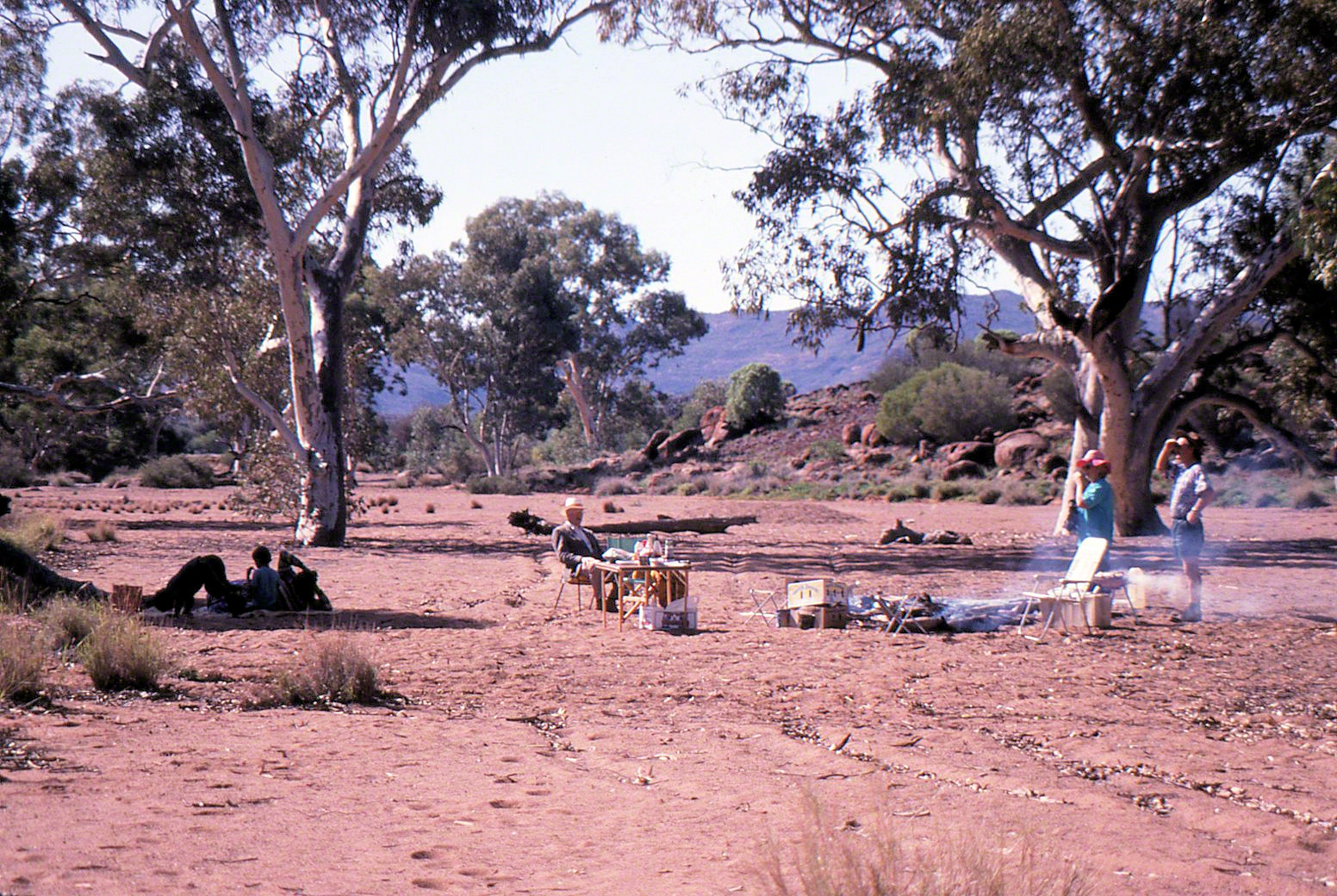
[Photo 6: Reminiscent of past ventures with the T-Team: Lunch at Ernabella with Dad’s brother © C.D. Trudinger 1992]

We waved the T-Team off on their venture south at around 8.30 pm. Then Hubby crawled into the tent and began tossing out clothes, bags, and stuff into the frigid frosty night.

‘What are you doing?’ I asked.

‘Where are you hiding the drink bottles?’ he cried.

‘Are they in the car?’

‘No, I’ve looked there.’

‘Sure, they’re not in the BBQ hut?’

‘No, where have you hidden them?’

‘I don’t remember, “hiding” them. They must be left somewhere,’ I said. ‘It’s too dark to look for them now, so you might just have to be satisfied with the thermos.’

With a grunt, he, who is always right, shrugged on an extra coat, sat outside the tent, sipping hot chocolate from the thermos, and playing with his phone. Wrapped in my sleeping bag, I sat beside the man who had lost his water bottle and wrote my diary by torchlight. Ours was one lonely tent in an expanse of couch grass.

[Photo 7: Like Father like son-in-law, parting with one’s water container brings such sorrow. Somewhere in this landscape of Liebig is my dad’s lost quart can © C.D. Trudinger 1981

Having lost the battle to mourn the temporary loss of his water bottle alone, Hubby crawled into bed at 10 pm. Soon after, I followed him, and in the warmth of the thermal sleeping bag, I soon fell asleep.

© Lee-Anne Marie Kling 2021; updated 2026

Feature Photo: Mini Ayers Rock © Lee-Anne Marie Kling 2013

***

Virtual Travel Opportunity

For the price of a cup of coffee (takeaway, these days),

Click on the link and download your kindle copy of my travel memoirs,

Trekking with the T-Team: Central Australian Safari 1981. (Australia)

The T-Team with Mr. B: Central Australian Safari 1977
Travel Friday–Emily Gap

[In 2013, the T-Team, next generation, embarked on their pilgrimage to Central Australia. Purpose: to scatter Dad’s ashes in his beloved Central Australia, in Ormiston Gorge.

Over the next few weeks, I will take you on a virtual trip to the Centre and memories of that unforgettable holiday in 2013, with my brother and his family, the T-Team Next Generation.

This time, the T-K Team visits Emily Gap.]

Lunch With the Ants

Our plans changed. Hubby decided we could take a risk with our fuel situation, so since we were in the vicinity of the Eastern MacDonnell Ranges, we visited Emily Gap and had lunch before refuelling the Ford.

[Photo 1: Emily Gap entrance © L.M. Kling 2013]

‘After all,’ I said to Hubby, ‘it is almost two o’clock, and I’m hungry.’

He just had to reply, ‘Hungry? Unlike you, I can wait till teatime.’

‘Hmm, yet another similarity you have to my father. Only he could fast from breakfast as well as lunch.’

As we rolled into the shady climes of the Emily Gap car park, I remarked, ‘But such a lovely place to sit and have a picnic, don’t you think?’ I had already sourced some nuts and chocolate from my bag in case he disagreed with my suggestion.

‘We’ll go for a walk first to see the rock paintings and then have some lunch,’ Hubby grumbled. ‘I don’t want to walk on a full stomach.’

Photo 2: Emily Gap Rock Formations © L.M. Kling 2013]

While Hubby marched ahead to find the rock paintings before they disappeared, I trailed behind and nibbled my nuts and chocolate. Needed reinforcements to do the walk.

Hubby vanished around a corner. A few minutes later, he appeared, jogging towards me. ‘They’re here! Come, look!’

‘Oh, yeah,’ I replied, remembering 1981 when TR baited us with some significant discovery of Indigenous art. That art turned out to be less ancient and more modern.

I followed Hubby. Around the bend, he pointed. ‘Look! There they are.’

Gazing at the entrance to a shallow cave, I said, ‘Oh, yeah! So, there are. They look like giant caterpillars.’

[Photo 3: Rock paintings © L.M. Kling 2013]

We spent some time examining the array of caterpillar paintings and carvings; the totem of the Easter Aranda people, we assumed.

‘I think my dad took us to Jesse Gap,’ I said as we walked back to the picnic area. ‘I’ve never seen those paintings before. When he took us out to the Eastern MacDonnell’s, all we saw was artwork of the Western kind, graffiti. When we suggested visiting Emily Gap, it was already nearly dark, and Dad thought there would only be graffiti there too. After all, we had just been to the Devil’s Marbles, after sunset, so it was getting too dark to see anything at that time.’

[Photo 4: Shade Creep, Emily Gap, later afternoon © L.M. Kling 2013]

In the shade of the gum trees in the picnic area, we “shared” our lunch of canned tuna and buttered bread with some inch ants. Had to put our food on a rock and then move the picnic rug, but the inch ants followed us.

[Photo 5: Inch ants © L.M. Kling 2019]

After lunch, we found the BP petrol station that my brother had told us about. And finally, the Ford had its fill of LP Gas. Then, on our way back to the Caravan park where we were staying for the night, we swung by the local IGA. There I bought mince, button mushrooms, two onions, shampoo and conditioner. Would you believe that the shampoo and conditioner I had brought from home had not lasted the distance of our two-week Central Australian journey?

In the golden light of late afternoon, while I helped Anthony put up the tent, I watched another family pitch theirs. The father sat in his director’s chair and directed the rest of the family, the women and children, on how to put up their tent.

But, ah, what bliss to cook tea in the light of the common kitchen. Spag Bog, and plum pudding. Dessert, hot chocolate.

© Lee-Anne Marie Kling 2021; updated 2026

Feature Photo: Emily Gap © L.M. Kling 2013

***

Dreaming of an Australian outback adventure?

Here’s a …

For the price of a cup of coffee (takeaway, these days),

Click on the link and download your Kindle copy of my travel memoirs:

The T-Team with Mr. B: Central Australian Safari 1977
Trekking with the T-Team: Central Australian Safari. 1981

Travel Friday–Return to Alice Eternal

T-Team Next Gen—Alice Springs and Things Eternal

[In 2013, the T-Team, Next Generation, embarked on their pilgrimage to Central Australia. Purpose: to scatter Dad’s ashes in his beloved Central Australia, in Ormiston Gorge.

Every month, I will take you on a virtual trip to the Centre, and memories of that unforgettable holiday in 2013, with my brother and his family, the T-Team Next Generation.

This time, the T-K Team once again returns to Alice Springs as they begin their journey back home.]

In Search of Gas

While Hubby packed the Ford, I prepared a “thank you” card for our friends. I found a photo of a rock formation near Mt. Liebig, then I painted a frame around the picture, and finally, sketched Mt. Sonder from memory in the middle of the card.

[Painting 1: Descent down Mt. Liebig © L.M. Kling 2014]

After placing the card with gift money enclosed on the kitchen bench, I joined Hubby to pack the last few items of mine in the Ford.

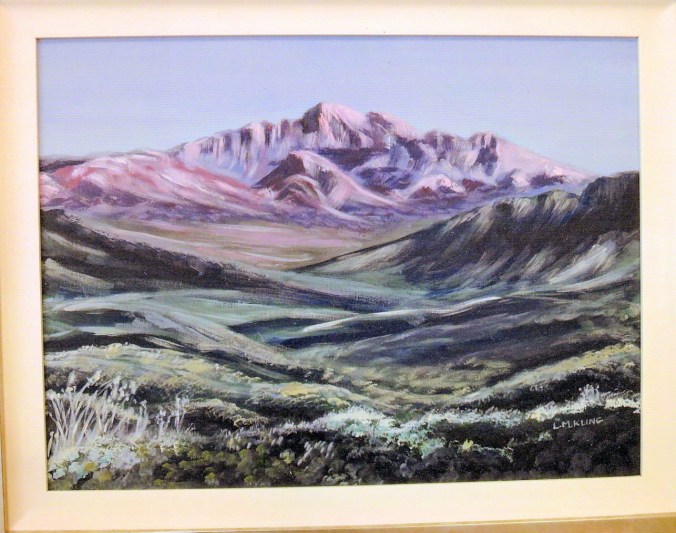
[Painting 2: Waves of Mt. Sonder © L.M. Kling 2016]

Hubby checked his expert handiwork at packing, and then said, ‘Ready to go?’

‘Yep, let’s go over to the FRM store and say goodbye to our friends.’

We bid our Hermannsburg friends farewell, promising to catch up with them when they returned to Adelaide. After more storytelling by P and some souvenir shopping by us, we were ready to farewell Hermannsburg.

[Photo 1: Just a reminder that Hermannsburg once had a cattle station to employ the locals © C.D. Trudinger circa 1955]

Following a few more stories from P, then a phone call to my brother, who said they were about to leave Alice Springs, we were set for this town.

Except…

‘I just want to check out the graveyard,’ I said.

‘Do we have to?’ Hubby sighed. ‘There’s nothing there.’

‘I just want to see who’s buried there.’

‘If we have to.’

My husband trekked after me as I trudged over to the graveyard that looked more like a neglected paddock of red sand than a cemetery. We gazed at the iron crosses of the early missionaries, such as Kempe, and a sad tombstone of a 10-week-old Latz baby.

‘Vogelsang, who’s he?’ I asked.

Hubby shrugged. ‘Probably a missionary here, since he’s buried here.’

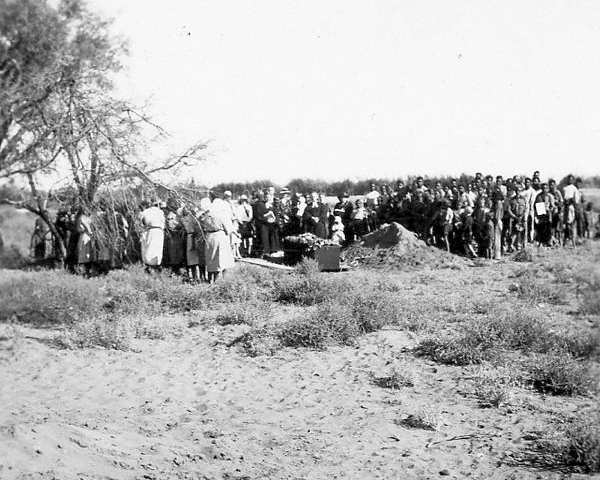
[Photo 2: Standing where my mum stood.  Funeral of Hermann Vogelsang storeman/gardener at Hermannsburg mission from 1938-1940 © courtesy M.E. Trudinger 1940]

With plans to fill the Ford with fuel, both petrol and gas, and then lunch at Emily Gap, we commenced our drive back to Alice Springs.

‘What about we take a slight detour and have a look at Serpentine Gorge,’ I said, with hope in my voice.

Hubby seemed not to hear my suggestion, but pointed, ‘Look! Another cabin car. Must be lots of workmen going out to do roadworks.’

‘So, we’ll leave Serpentine Gorge for another time when there’s not the threat of roadworks.’

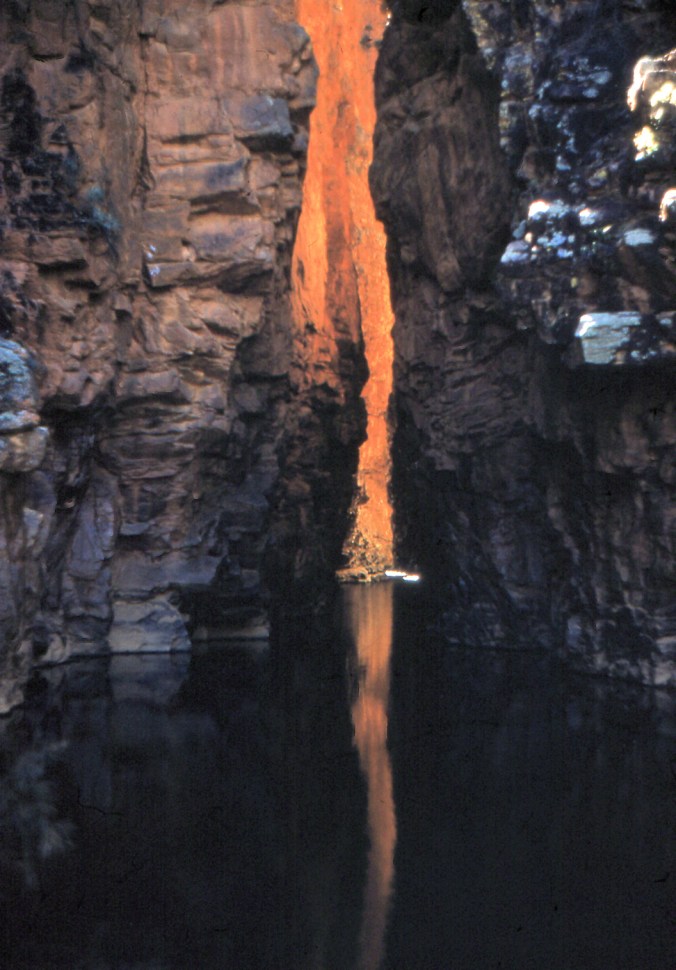
[Photo 3: Serpentine Gorge, for another time © C.D. Trudinger 1958]

1 pm, we rolled into Alice Springs, making a beeline for the petrol station.

‘We must fill up with gas before we start on the journey back to Adelaide,’ Hubby said.

‘Might be a bit difficult,’ I pointed at the LP Gas bowser, ‘it says “Out of Order”.’

Hubby topped up the Ford’s petrol tank, and we steeled ourselves for the hunt for LP Gas. We reckoned that in a country town such as Alice, most fuel stations lined the main roads leading into and out of the town. So, down the Stuart Highway we travelled, in search of a service station which offered gas. Prophetic of a future without LP Gas, our search proved elusive.

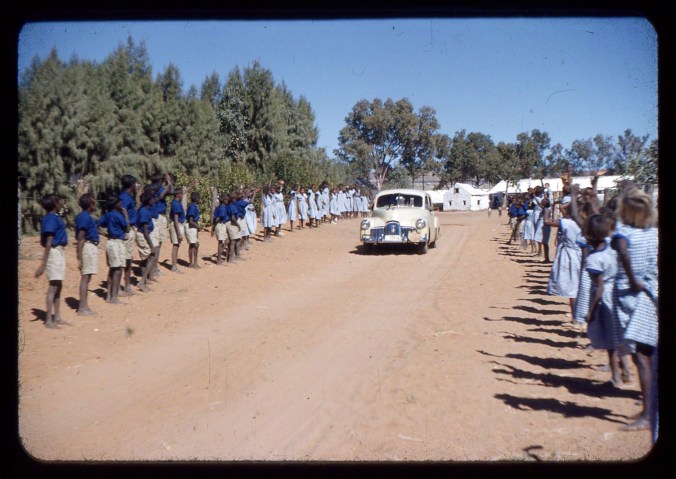
[Photo 4: Nexus of past, present, and future: Farewell to the Governor General from Hermannsburg © S.O. Gross 1954]

Hubby gripped the steering wheel. ‘How are we going to get back to Adelaide?’

‘I’m sure there’s a station that sells gas somewhere in Alice.’

‘How far do you want me to go? Adelaide?’

‘Don’t be silly,’ I said. ‘Turn around and let’s go back into the town.’

Hubby grunted in protest at where he could safely do a U-turn, then did a U-turn. Approaching the radio station, I spotted a white van with a trailer.

‘Guess who I’ve found,’ I pointed at the van with the T-Team spilling out of it.

‘Do you want me to turn around?’ Hubby asked.

‘Yep, my brother may know where a service station is that sells LP Gas.’

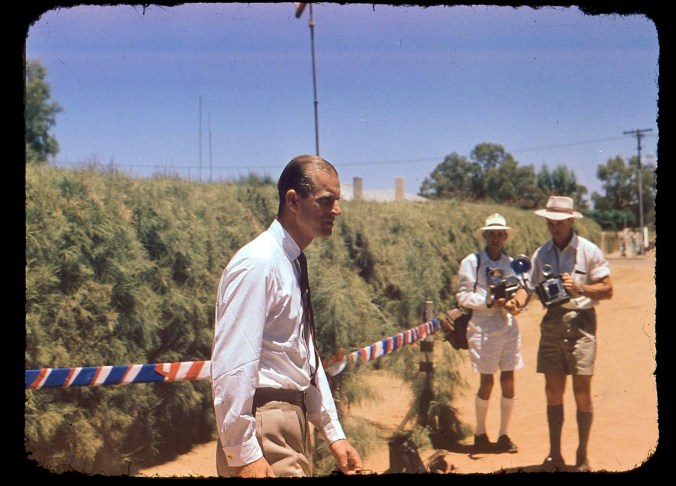
[Photo 5 and Feature: Proof. Duke of Edinburgh, Prince Philip, at the opening of the Flynn Memorial Church, Alice Springs © S.O. Gross 1954]

We spent some twenty minutes touching base with the T-Team. My brother gave directions for an LP Gas-friendly service station, and we were on our way to this fuel stop of promise, and then Emily Gap. Meanwhile, the T-Team visited their friend who worked at the radio station.

[to be continued…]

© Lee-Anne Marie Kling 2021; updated 2026

***

Virtual Travel Opportunity

For the price of a cup of coffee (takeaway, these days),

Click on the link and download your kindle copy of my travel memoirs,

The T-Team with Mr. B: Central Australian Safari 1977
Trekking with the T-Team: Central Australian Safari

Travelling Friday–Tnorala (Gosse Bluff) Revisited

[In 2013, the T-Team, Next Generation, embarked on their pilgrimage to Central Australia. Purpose: to scatter Dad’s ashes in his beloved Central Australia, in Ormiston Gorge.

Over the next few weeks, I will take you on a virtual trip to the Centre, reliving memories of that unforgettable holiday in 2013 with my brother and his family, the T-Team Next Generation.

This time, the T-K Team continues their venture out West of Hermannsburg to explore Tnorala (Gosse Bluff).]

T-Team Next Generation—

Tnorala (Gosse Bluff) Conservation Reserve

—Revisited

[In 2013, the T-Team, Next Generation, embarked on their pilgrimage to Central Australia. Purpose: to scatter Dad’s ashes in his beloved Central Australia, in Ormiston Gorge.

Over the next few weeks, I will take you on a virtual trip to the Centre, reliving memories of that unforgettable holiday in 2013 with my brother and his family, the T-Team Next Generation.

This time, the T-K Team continues their venture out West of Hermannsburg to explore Tnorala (Gosse Bluff).]

Big Day Out West (2)

Afternoon

After eating a snack, we walked the designated paths, taking care not to stray from the designated paths. Off track, the land was reserved for revegetation, and it certainly had revegetated since 1977. Then, the crater had been a barren wasteland. In 2013, green and full of native bushes and trees.

[Photo 1: Inside Tnorala © L.M. Kling 2013]

[Photo 2: Back in 1977, T-Team with Mr. B © L.M. Kling (nee Trudinger) 1977]

Upon completing the various walking tracks in the crater, we trekked back to the Ford and then trundled out and off the unsealed part of the Mereenie Loop Road, continuing north along it towards the road to Glen Helen.

[Photo 3: Aspects of the Walk in Tnorala © L.M. Kling 2013]
[Photo 4: Revegetation © L.M. Kling 2013]
[Photo 5: Views on way out © L.M. Kling 2013]

But not for long. Roadworks rendered the road unsealed, so more crawling. Until we reached the Gosse Range lookout. Hence, in the mellowing sunlight of mid-afternoon, we supped on our cheese and gherkin sandwiches, which we had bought from the store while feasting our eyes on the panoramic view of the Gosse Ranges and the MacDonnell Ranges.

[Photo 6: View of Tnorala from the scenic lookout © L.M. Kling 2013]

‘Well, time to get going,’ Hubby said. ‘We don’t want to be driving in the dark.’

‘No,’ I replied. ‘Although, just one more photo.’

‘Well, hurry up.’

[Photo 7: View of MacDonnell Ranges from lookout © L.M. Kling 2013]

I snapped a few more photos and climbed into the Ford. Hubby was drumming the steering wheel. After I’d fastened the seatbelt, Hubby turned the ignition.

Nothing.

‘O-oh!’ Hubby muttered and tried the ignition again.

The Ford started, then shook and shuddered.

‘Oh, shoot!’ Hubby snapped.

He turned off the protesting Ford. Extracted himself from the car. And looked under the bonnet. While I sat like the queen in the car, he spent some time “working” and exclaiming at intervals, “We’re stuffed!”

I jumped out and joined him in the under-the-bonnet examinations. By this time, Hubby was in the process of reattaching the air filter hose to the air filter. ‘We’ll see if that works,’ he said.

[Photo 8: On another memorable occasion of car-fail way out West © S.O. Gross 1941]

We resumed our positions in the Ford, sent up an arrow-prayer, and Hubby turned the ignition. The engine ticked over smoothly, and we breathed out our sighs of thanks to God. Hubby then climbed out of the car again to close the bonnet.

Just at this particular time, a pair of tourists in a utility truck drove into the viewing area. They noticed the bonnet up on our car and called out, ‘You need some help?’

Hubby, with a tone of pride in his voice, replied, ‘Nah, we are fine. All good.’

They waved, then drove past us to find a park and take in the view of the Gosses.

Late Afternoon

On our return, we passed a group of stranded owners of the land, kids waving. But Hubby kept driving. I guess he wasn’t going to push his luck with mechanical prowess too far. In that way, he was different from Dad, who would’ve stopped and bantered in Aranda with them. And back then, in 1981, we had Richard, our mechanic.

By the time we reached Glen Helen, the fuel needle sank to less than a quarter of a tank, the gas-guzzler that the Ford is. We filled the tank there and then, now that we were on bitumen road, glided along, enjoying the golden and purple hues of the MacDonnell Ranges in late afternoon. These I captured on my camera, with frequent stops, some with Hubby’s prompting.

[Photo 9: Namatjira Country © L.M. Kling 2013]

Sundown

Ellery Creek languished in the shade when we arrived there. In the cooling shadows, we walked down the path leading to the water’s edge. Just as I remembered, Ellery Creek offered a big pool of water in which to swim. In fact, it’s the go-to place for swimming for the locals. And, as we walked the track to the pool, we passed a German tourist clad in bathers and hair wet from a dip.

[Photo 10: Ellery Creek—Go-to place for swimming © L.M. Kling 2013]

[Photo 11: Tree Reflections at Ellery Creek © L.M. Kling 2013]

Later, as we drove westward to Hermannsburg, Hubby squinted at the setting sun glaring through the windscreen and whined, ‘I can’t see a thing!’

‘Do you want me to drive?’ I asked.

‘No, no, I’ll be right.’

Just then, a kangaroo darted across the road. Hubby slowed, and we watched the kangaroo and its joey tagging behind her, skitter over the verge, and disappear into the bush.

‘That was close,’ Hubby sighed.

[Photo 12: Approaching dusk, Ellery Creek © L.M. Kling 2013]

We arrived back in Hermannsburg at around 7 pm. I rang mum while waiting for tea. After a tasty meal of Chow Mein, we relaxed watching a video and enjoying fellowship with our friends.

© Lee-Anne Marie Kling 2021; updated 2026

Feature Photo: Gosse Bluff at sunset © S.O. Gross 1946

***

Virtual Travel Opportunity

For the price of a cup of coffee (takeaway, these days),

Click on the link and download your kindle copies of my travel memoirs:

The T-Team with Mr. B: Central Australian Safari 1977
Trekking with the T-Team: Central Australian Safari. (Australia)

Travelling Friday–Tnorala (Gosses Bluff) Conservation Reserve

[In 2013, the T-Team Next Generation, embarked on their pilgrimage to Central Australia. Purpose: to scatter Dad’s ashes in his beloved Central Australia, in Ormiston Gorge.

Once every month on a Friday, I will take you on a virtual trip to the Centre and memories of that unforgettable holiday in 2013, with my brother and his family, the T-Team Next Generation.

This time, the T-K Team ventured out West of Hermannsburg to explore Tnorala (Gosse Bluff).]

Big Day Out West

Night

An alarm wailed.

I sat up and nudged Anthony. ‘What’s that about?’

Anthony snorted, smacked his lips and mumbled. ‘I don’t know. An alarm, I think.’

‘Shouldn’t we tell P? It might be their shop.’

Anthony snorted, turned over and recommenced snoring.

For some time, I lay in bed. Sleepless. The alarm was bleating with lights flashing through our window. I assumed that, like car alarms in the city, a cat or dog had set the thing off and the owners would sort out the problem … eventually.

Eventually, the alarm stopped and somehow, I fell into a good, deep sleep.

[Photo 1: Sunrise in the Centre © C.D. Trudinger circa 1955]

Morning

I stretched and then yawned. ‘Good morning, Anthony, did you have a good sleep?’

‘No,’ he grumbled. ‘You snored!’

Breakfast

After a shower, getting dressed while Anthony caught up on the sleep he apparently missed out on while I snored (nothing about the alarm, I might add), I chatted with K over breakfast.

‘The store was broken into last night,’ she said.

‘So, that’s what the alarm last night was all about,’ I remarked.

‘Yep, happens on a regular basis. One of the windows needs replacing, again.’

P joined us. Leaning on the kitchen table, he added, ‘If you want anything at the shop, you’ll have to wait until it opens. The store was broken into.’ He chuckled. ‘One lady has tried to impress the cops with her tracking skills.’

‘Who tried to break in? Do the police have any idea?’

P shrugged. ‘Kids probably.’

[Photo 2: Back in the 1940s, some roads in the centre of Australia were virtually non-existent and had to be built © S.O. Gross circa 1941]

Late Morning

After a slow morning, mooching, chatting with P (K had gone to work), Bible study and then preparing some lunch, Anthony and I commenced our day trip to the Gosse Range. After some twenty kilometres of bitumen, we took the turn onto the Mereenie Loop and the road deteriorated.  The Ford suffered the juddering of corrugations and slipping and sliding on silty red sand. Anthony slowed the car and crawled at a tense 20 km per hour.

I clutched the handhold of the door. ‘Is the car going to survive? I feel like the car’s going to fall apart.’

‘Why do you think I’m driving so slow?’ Anthony snapped.

[Photo 3: My Grandpa’s truck did break down and they had to use donkeys to pull the truck back to “civilisation” © S.O. Gross 1941]

In the distance, a truck approached us, powering up the road at speed, bull dust billowing behind it.

‘Close your windows,’ Anthony said.

‘They are,’ I replied. ‘I know what bulldust is and does.’ Didn’t fancy my nose, mouth and eyes filled with the stuff as they were in 1981.

[Photo 4: Rough road—Mereenie Loop. Gosse Ranges in background © L.M. Kling 2013]

Midday

The truck powered past us, leaving us behind in a cloud of bulldust. Thankfully, the Ford, with its windows wound up, shielded us from the red menace, and we continued to judder along the corrugations for what seemed an eternity.

[Photo 5: Vehicle comes closer © L.M. Kling 2013]

Then we rounded a bend in the road and, there, the Gosse Range spread out before us.

We stopped and captured the range, dressed in a soft mauve in the midday sun. As we prepared to jump in the car, another vehicle came roaring up the road towards us. This time, I caught the car with my camera as it sped up the road as if it were a racing track.

[Photo 6: Gosse Range Approach © L.M. Kling 2013]

With the car disappearing in a cloud of dust behind our Ford with us safely in it, we prepared to complete our journey to the Gosse Range.

Anthony glanced in the rear-view mirror. ‘Oh, cattle.’

‘Must get photos,’ I retrieved my camera from its bag, ‘evidence for your mum; she does not believe that cattle exist in Central Australia.’

Anthony switched off the engine, and we piled out to take these important photos.

[Photo 7: Proof of cattle © L.M. Kling 2013]

After the cattle were caught on camera, we crawled our way to the Gosse Range turn-off. By this time, the jiggling and juggling along the route must have rattled Anthony’s senses and he had become quite cavalier. ‘What the heck, the road doesn’t look too bad.’

I stared at the two-tyre rutted track. I knew, having been there some 36 years before, that the track would not be much of a track further on. ‘Better to park the car just off the side of the road and hike to the Gosse Range, actually.’

‘Looks alright to me.’

‘Okay, if you must. We’ll drive as far as we can and then walk the rest of the way.’

This we did. Our trusty old Ford lumped and “harrumphed” over the rocks and ruts until we decided to spare the Ford any further risk and indignity to its undercarriage and suspension. Then we hiked the final kilometre through the gap and into the pound.

[Photo 8: Trek into Gosse Range © L.M. Kling 2013]

‘I’m so glad we were able to walk through the gap,’ I said while marvelling at the cliffs and boulders on each side. ‘If we’d been able to drive through, as we did in the Rover in 1977, I would’ve missed the beauty of these formations.’

[to be continued…]

© Lee-Anne Marie Kling 2021; updated 2025

Feature Photo: Racing along the Mereenie Loop © L.M. Kling 2013

***

Virtual Travel Opportunity

For the price of a cup of coffee (takeaway, these days),

Click on the link and download your Kindle copy of my travel memoir,

The T-Team with Mr. B: Central Australian Safari 1977

Trekking with the T-Team: Central Australian Safari. (Australia)