T-Team Next Gen 2013
[So, here is the final chapter in the series: The T-Team Next Generation 2013.]
Woomera II and the Final Leg of our Journey
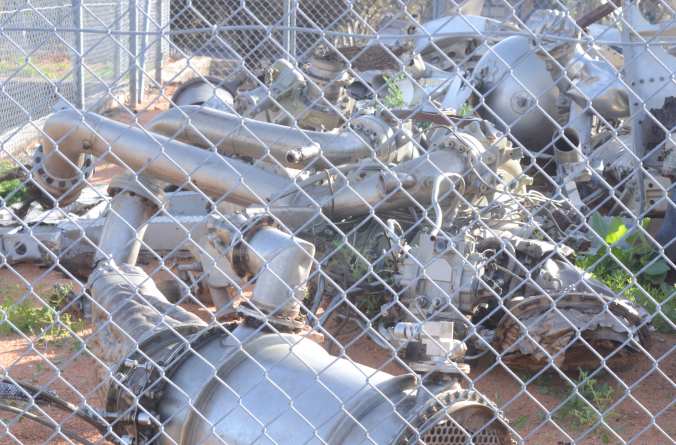
In the cool, crisp morning, the sun shone lemon-yellow rays but not much warmth; we strolled around the Woomera Rocket Museum. Rockets of all shapes and configurations stood in the open-air, testimony of what once was. This RAAF Base and village had once been a lively town in the 1950s and 60s, as an Anglo-Australian Cold War defence project. On this day, Saturday, July 20, 2013, the place seemed a mere shell of its former self, a cemetery of what once was, rockets rising like giant tombstones to the sky.
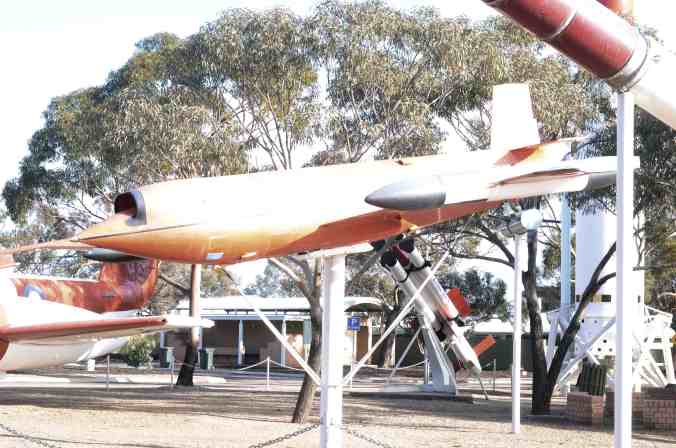
We meandered around the rockets, reading signs, eulogies from the past when threats from enemy nations were imminent. I was reminded of older friends telling me of a time when they practised drills hiding under their school desk in the event of enemy attack.
My mother recalled when on February 19, 1942, Darwin was bombed. She was a girl in Hermannsburg at the time, and whenever a plane flew over, the Aranda women would wail, fearing disaster.
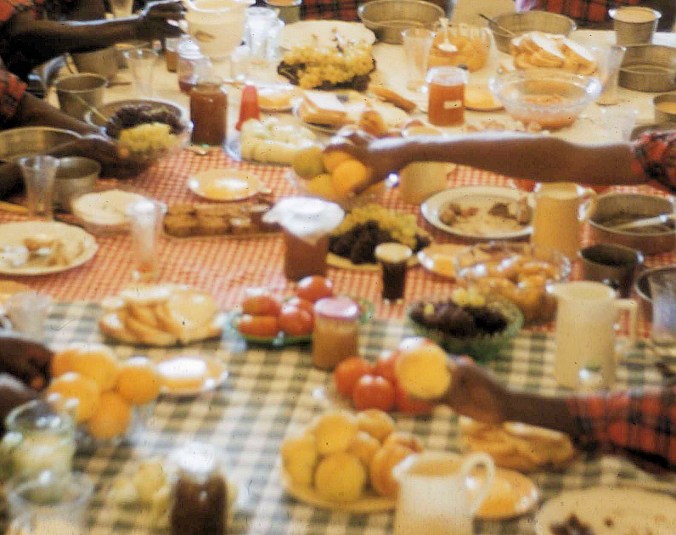
Now, Hermannsburg was a mission set up by German missionaries in 1877. Although by the 1940s the mission was fair dinkum Australian, having existed in Australia for all that time, the name, being German, raised suspicions among the Allies with the advent of World War II and the conflict with Germany. Hence, Mum remembers British officers flying into Hermannsburg to check the place out. They had to make sure there were no German spies. My grandpa, Pastor Sam Gross, and his wife (my grandma) hosted these officers and put on a lovely spread of lunch for them.
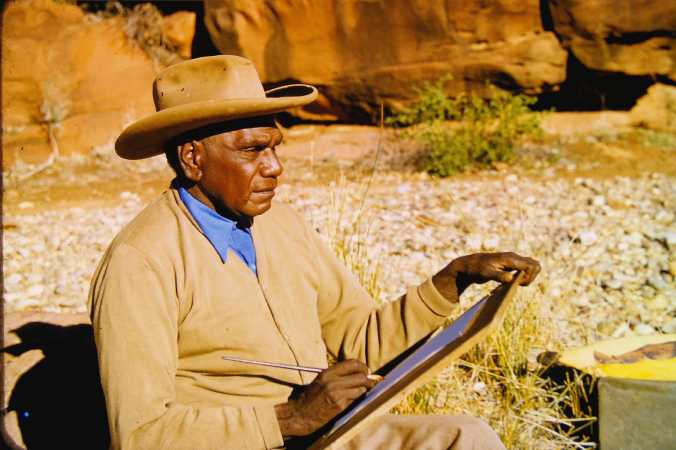
After investigating any mitigating threats, the British Officers flew away in their propeller plane, satisfied that Hermannsburg was no threat. Nevertheless, they confiscated the only link to civilisation, the community pedal radio. Just in case they really were spies, I guess. Further, to make sure that no threat to the Allies arose from this humble mission, they sent Rex Batterbee, a World War I veteran, to oversee the mission in the role of “protector of the aborigines”. As he had visited and then lived in Central Australia since the mid-1930’s, Rex taught Albert Namatjira to paint watercolours and helped him launch his career as a renowned artist.
Homeward Bound
Needless to say, in 2013, such threats of foreign enemies seemed in the distant past. But, being only 446 km from our home town, Adelaide, we were reluctant to linger amongst the rockets. Having packed and checked out of our overnight accommodation, we were eager to start our journey home.
At a steady 90 km/h, we made progress down the highway that split the gibber plains in half.
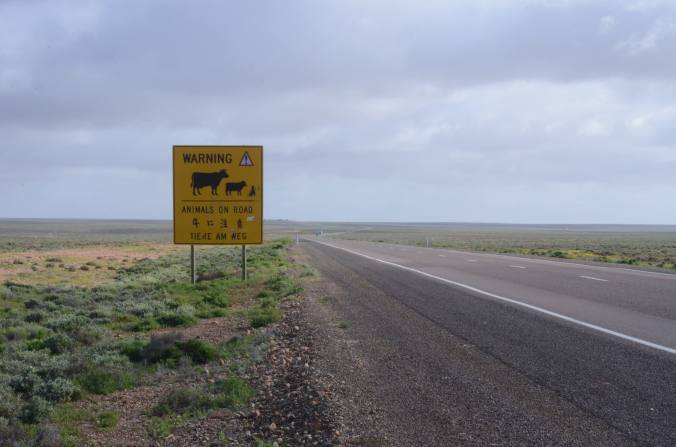
‘I bet the T-Team (my brother’s family) are home by now,’ I said. ‘No hanging around taking time to look at any more places for them.’
‘Why don’t you ring them just to see where they’re at?’ my hubby said.
I texted my niece. The time was 10:30 am.
“We are in Port Augusta,” she replied by text.
‘There’s no way we’ll catch up to them,’ I said, and then texted back, “Have a safe trip home.”
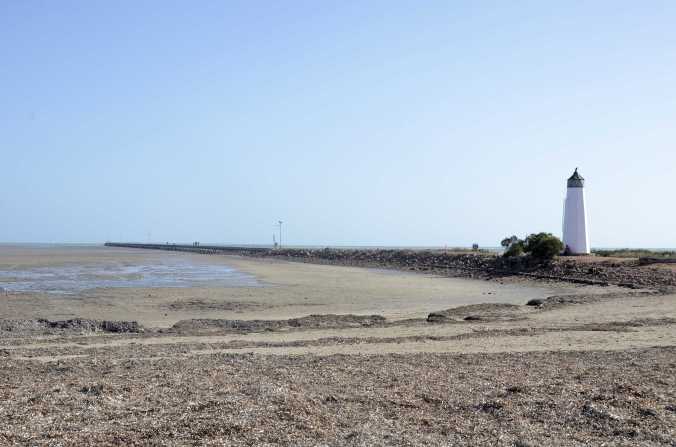
Clouds and rain descended on the land the further we drove south. By the time we reached Port Wakefield, the cold had seeped into the car. I put my parka on my legs to keep warm. Yet, for lunch Hubby insisted we eat alfresco in the rotunda at Port Wakefield. After all, despite his aversion to the cold, he needed to stretch his legs. Plus, it seemed no café existed in the town.
The rain and cold became more intense as we approached Adelaide. After driving through the grey, sodden streets, we arrived home, just as darkness fell at 5:30pm.
What disaster awaited us?
Hubby opened the door, and we trod inside. Son 1 played a computer game on the PC in the dining/living annex. He ignored us. We tiptoed through the family room. Not too much mess, and the carpet remained visible and clean.
We found Son 2 all rugged up and cosy in his room playing World of Warcraft. He said, “Hello,” and then asked for a coffee, then followed up the conversation with, “I’m hungry, what’s for tea?”
In the kitchen, as I prepared a drink, I noticed the dishes had been done, and the cats fed. I thanked Son 1 for the effort. He took all the glory and remarked that his brother had done nothing.
The Aftermath
There are always casualties that follow every holiday. And this one was no different. Two paintings which I had planned to exhibit in the upcoming Marion Art Group exhibition had gone AWOL. I’d like to think they were stolen … but I reckon they would be found in some odd place sometime in the future.
Eleven years hence as I write this final chapter, I wonder what paintings they were?
Oh, and the other casualty, Hubby, who proudly boasted that he had taken thousands of photos of the Central Australian trip on his mobile phone, can no longer find where those photos went. It would seem those photos went AWOL too.
As for the T-Team, they actually arrived home after us, having spent a night at Port Germaine. They decided to treat themselves after roughing it for the past two weeks.
© Lee-Anne Marie Kling 2024
Feature Painting: Ormiston Memories, the reason for the journey © L.M. Kling 2018
***
Virtual Travel Opportunity
For the price of a cup of coffee (takeaway, these days),
Click on the link and download your kindle copy of my travel memoirs,
The T-Team with Mr. B: Central Australian Safari 1977
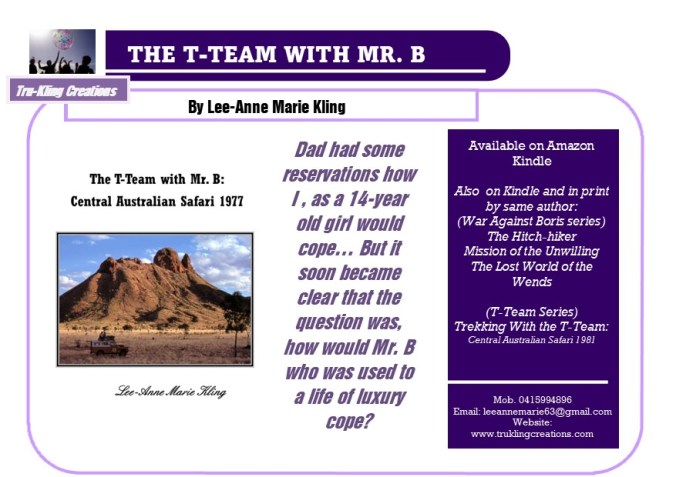
Trekking with the T-Team: Central Australian Safari. (Australia)

 Tru-Kling Creations