Travel with the T-Team–Woomera

[In 2013, the T-Team, next generation, embarked on their pilgrimage to Central Australia. Purpose: to scatter Dad’s ashes in his beloved Central Australia, in Ormiston Gorge.

Over the past year, I have taken you on a virtual trip to the Centre and memories of that unforgettable holiday in 2013, with my brother and his family, the T-Team Next Generation.

This time, with the trip ending, the T-K Team continues their return to Adelaide, heading for Woomera in the rain.]

Woomera

Part 1

Cheeky Campers

So, out of toilet parole we escaped Coober Pedy, destination Woomera. I drove.

‘We’re running late,’ Anthony grumbled.

‘Ah, we’ll only arrive after dark,’ I replied. ‘Let’s get a cabin in the caravan park if we can.’

‘And, if we can’t?’

‘I don’t fancy camping in this weather. We’ll sleep in the Ford if we can’t.’

‘Hmmm. I doubt we’ll be able to get a cabin; we haven’t booked.’

‘We’ll take our chances.’

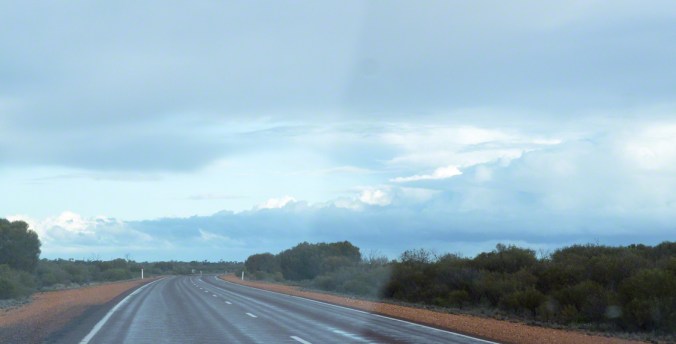
Drops of rain splattered our windscreen.
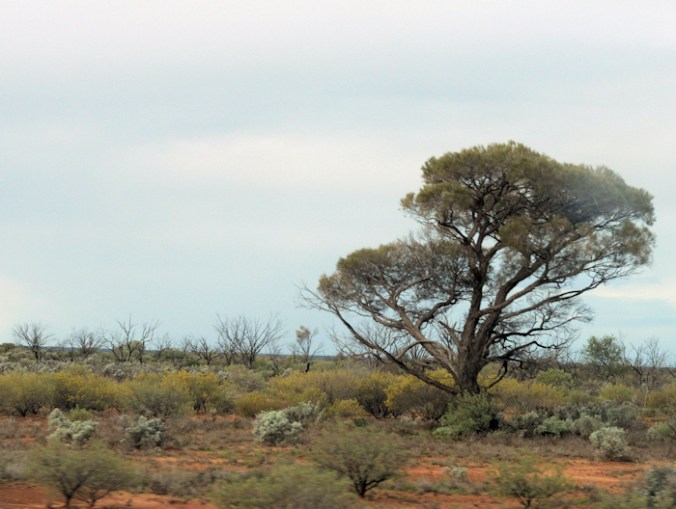
[Photo 1: Desert in the rain © L.M. Kling 2013]
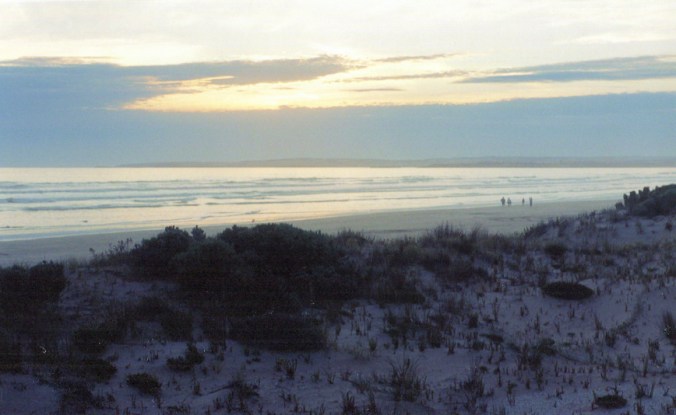
[Photo 2: Approaching rain in the Desert © L.M. Kling 2013]

A large lake loomed to the left of the highway.

‘What lake is that?’ I asked.

Anthony read the sign. ‘Lake Hart.’

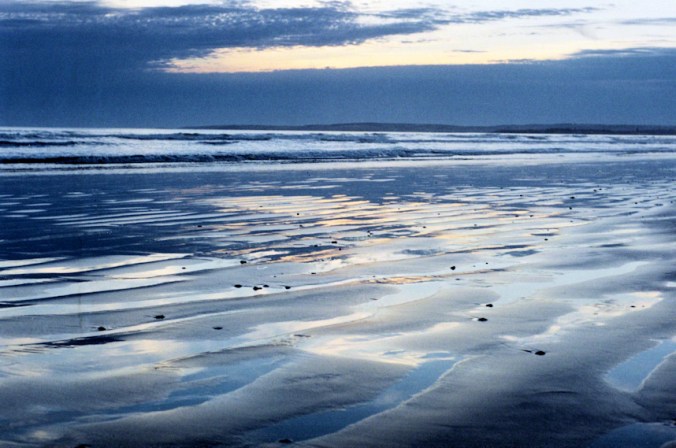
We pulled into the rest area, come viewpoint to have a break and take some photos. The sun had neared the horizon, casting the salty waters of Lake Hart in hues of pink and lemon.
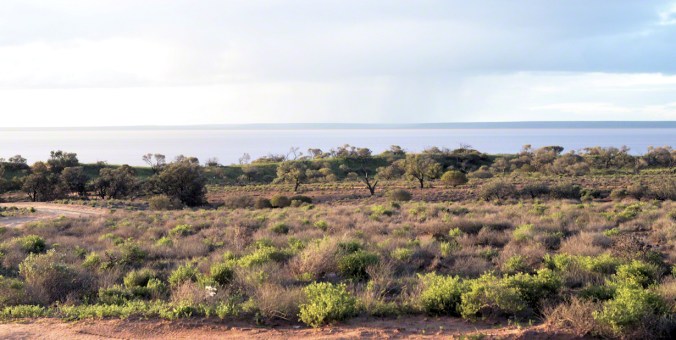
[Photo 3: Lake Hart © L.M. Kling 2013]

Some free campers had built fires beside their campervans. One couple had pitched their tent underneath the canopy of the Information Kiosk.

Anthony glanced at the tent and then muttered, ‘Not sure if you’re allowed to do that.’

‘Perhaps a ranger will come along and tell them off.’

‘Nah, probably not.’

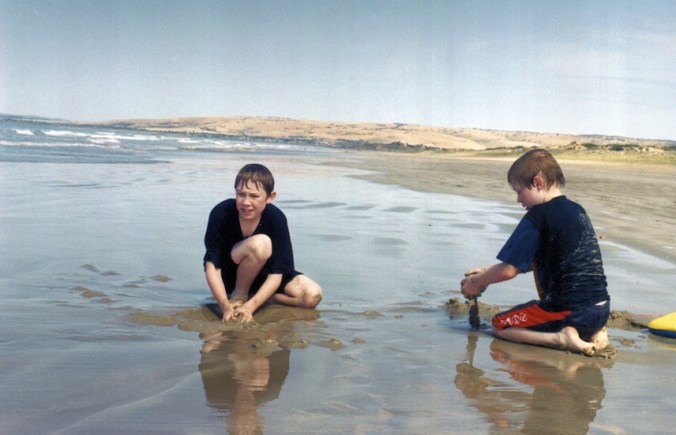
‘I guess we’ll never know. We’d better get a move on to Woomera to try our luck.’ I adjusted my hold of the camera. ‘After I take a few more shots while there’s a break in the clouds.’
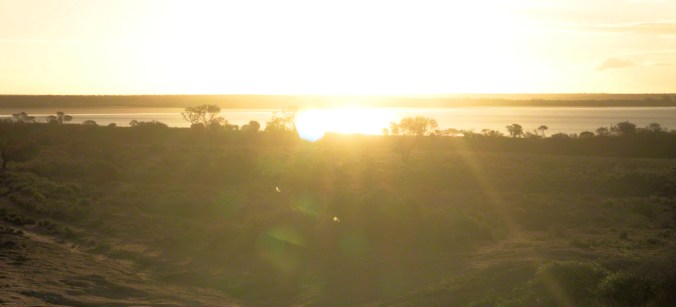
[Photo 4&Feature: Sunset on Lake Hart © L.M. Kling 2013]

By the time we reached Woomera, the town was shrouded in darkness, and rain fell steadily. Light still shone from the Caravan Park manager’s cabin. We entered through the unlocked sliding door and rang the bell. The manager appeared with a smile on his face.

No trouble getting a cabin. He explained that normally cabins were filled with workers from the nearby Roxby mine. But this night, there were a few vacant cabins. We were fortunate.

Ah! Luxury! After all, we needed some TLC after no sleep the night before. The simple one-room cabin with a queen-sized bed, kitchen facilities, an en suite bathroom and toilet to the side, and a television would do just fine.

I cooked pasta with canned spaghetti sauce, corn, and chopped up spam. For dessert, canned pears and custard.

Anthony was in his element as he propped himself up on the bed and watched the football.
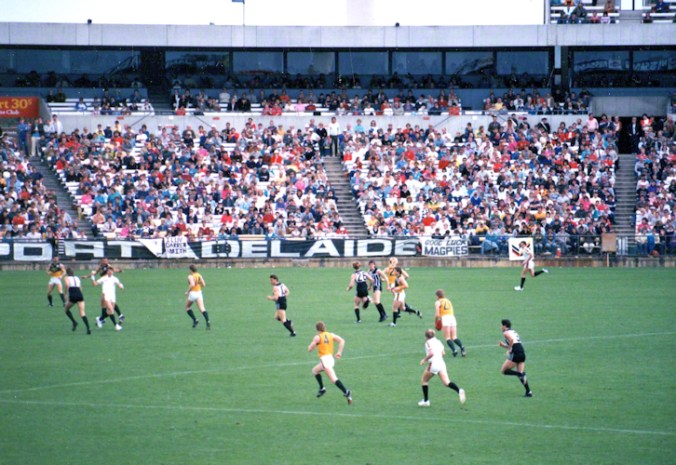
[Photo 5: Aussie rules footy © L.M. Kling 1986]

At 10 pm, I woke with a start. Beside me, Anthony, head bowed, snored while the football commentators bantered. ‘You’re snoring!’ I mumbled. Anthony smacked his lips and sank into the bedding.

I switched off the TV and snuggled into the warmth of the quilt and Anthony. With the sound of rain pattering on the roof, once more, we fell into a deep and satisfying sleep.

[To Be Continued …]

© Lee-Anne Marie Kling 2022; update 2026

Feature photo: Last rays of the sun on Lake Hart © L.M. Kling 2013

***

Virtual Travel Opportunity

For the price of a cup of coffee (takeaway, these days),

Click on the link and download your Kindle copy of my travel memoirs,

The T-Team with Mr. B: Central Australian Safari 1977
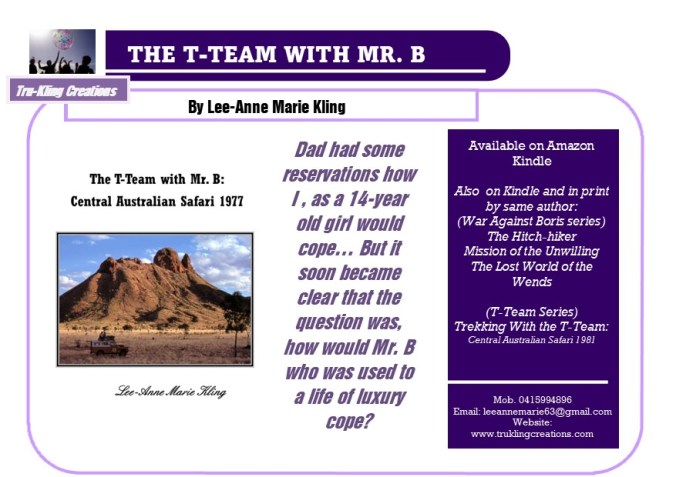
Trekking with the T-Team: Central Australian Safari

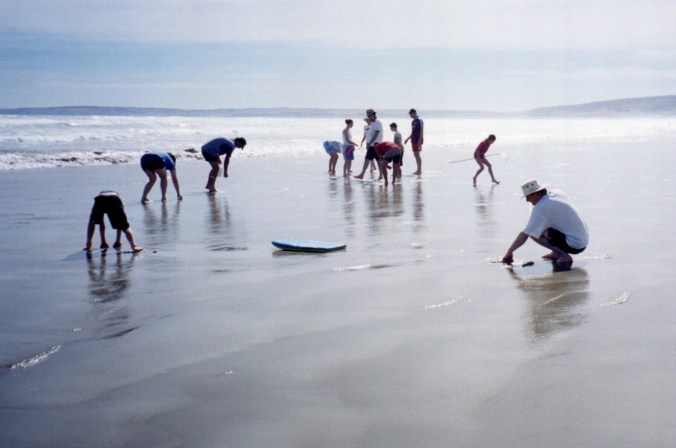
Arty Friday–Cockling at Goolwa

Story Behind the Art—Cockling at Goolwa

[Marion Art Group is holding an exhibition at Brighton Central Shopping Centre (Brighton Road, South Brighton), May 18-30, 2026. One of my artworks to be displayed, Cockling at Goolwa in Pastel, revisits the K-Team’s journey down “memory” highway, 100 kilometres south of Adelaide to Goolwa Beach on the far-flung edges of the Fleurieu Peninsula. Remembering our time with friends 24-years ago searching for cockle shells in the sand.]

Cockling at Goolwa

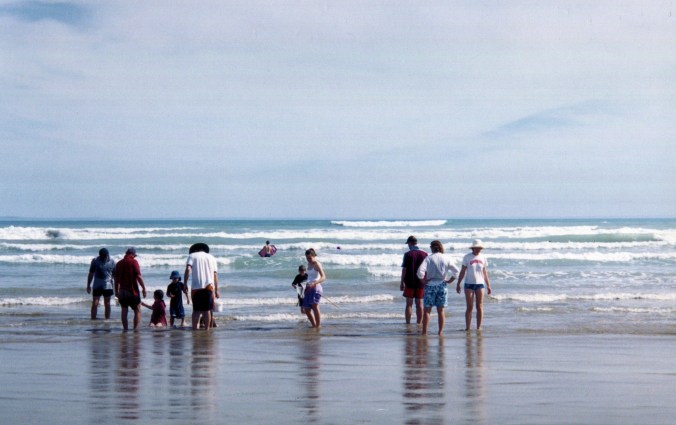
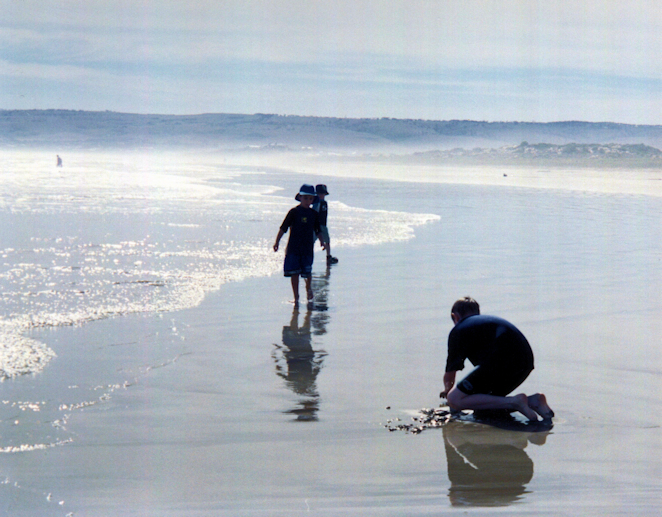
A picture, they say, tells a thousand words. So, what is Cockling at Goolwa’s story? How can the simple heel-toe dance of “cocklers” (people who dig for cockle shells), their feet sinking in the soggy sand of the incoming tide, in the flux of early summer warmth, on a remote beach south of Adelaide, tell us? What story is worth a thousand words? What was it about this scene that attracted me to capture it? First in photo and then several years later, on canvas in acrylic, and then recently in pastel.

*[Photo 1: Cockling at Goolwa © L.M. Kling 2002]

I think the water reflecting the sky, all silver, the people on the wet sand, a mirror, swaying and twisting for cockles captured my attention. I’d been there, on the glassy surface, watching for bubbles, grinding my heel into the bog, feeling for the sharp edges of shell and plucking out the cockles that snapped shut when exposed to air.

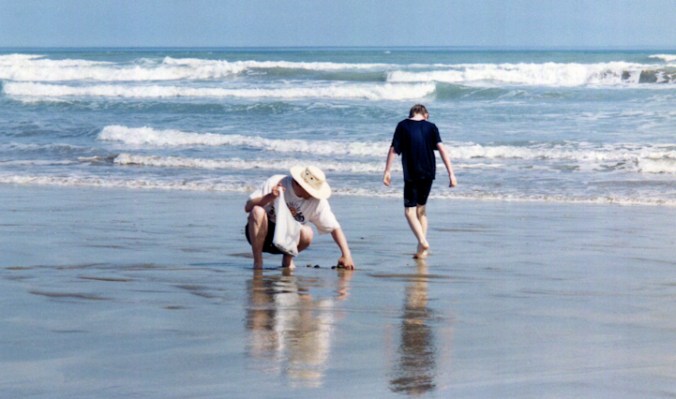
*[Photo 2: Dad Digging for the cockle © L.M. Kling 2002]

I was there, but then I watched. Mothers, fathers, and children lost in the moment of twisting and hunting and collecting cockles.

*[Photo 3: Lost in the moment © L.M. Kling 2002]

‘What will you do with all those cockles?’ I asked.

‘They’re for fishing,’ one of our friends said. ‘Bait for fish.’

‘Hopefully, we’ll catch a few fish and have them for dinner tonight,’ another said.

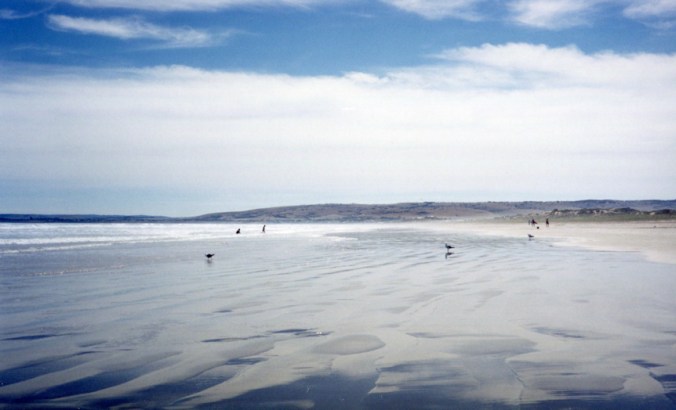
I imagined fish, fresh from the sea, thrown on the barbeque and the cockle bait inside them buried once again in our stomachs. We continued digging for cockles…family and friends, one with the ancient, outside time—nothing else matters but the cockles.

*[Photo 4: Goolwa beach — Lost in time © L.M. Kling 2002]

Goolwa, if I remember, has mounds of spent shells in the sand hills, monuments to generations upon generations of Indigenous Australians, their open-air kitchens and meals. Did they perform the same ritual, on the same patch of wet sand, delving for cockles to fry on their fires? A quick perusal of Google reveals they used nets to collect cockles and catch fish. They then cooked the cockles on a campfire.

*[Photo 5: Goolwa beach sunset © L.M. Kling 2002]

We are here, they are gone, but their spirit of history lingers, reminding us, though we seem different, we are the same. We are digging, dancing, and delving for our dinner. We are still, in the moment, alone in our thoughts in a forgotten corner of the world, unknown by the world, yet one with this country’s past. And God knows each one of us—each part of us, even the unknown parts of ourselves and our secrets.

*[Photo 6: Divine painting of sky and sea © L.M. Kling 2002]

What if I shared a little secret—an artist’s secret? Okay, I’ll tell you. I painted this picture in less than two hours. Now that I’ve told you, would the painting be worth less to you? Must time be equated with worth? Sometimes I do take hours upon hours, layers upon layers, and more hours planning to get the work right. But not Cockling at Goolwa.

*[Photo 7: The natural child © L.M. Kling 2002]

I love the beginning of a painting; laying the foundation, engaging my inner-natural child, the paint flowing from a thick brush on a damp canvas, colours blending, mixing as I go. One side of the brush is crimson, the other blue, and a dab of white. Sienna is somewhere there in the foreground, shadowing the sand. Mid-yellow was added incrementally to shroud the distance in light grey for perspective. Then just a hint of heads of land jutting out halfway across the horizon with a suggestion of ultramarine in the grey. So simple, and sometimes, like with Cockling at Goolwa, the scene emerged before my eyes. In the world of artists, I believe the term “magic brush” or “magic hand” has been used. Um, trade secret, so don’t go spreading it around.

So, there you have it, in less than an hour, surf, sand, sky, and tones in all the right places.

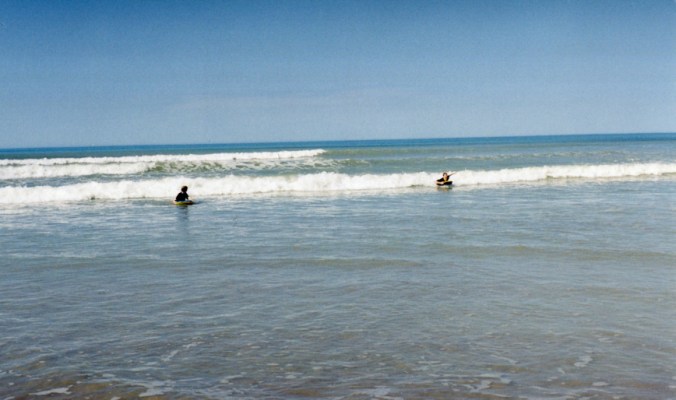
*[Photo 8: Boogie-board Surfing at Goolwa beach © L.M. Kling 2002]

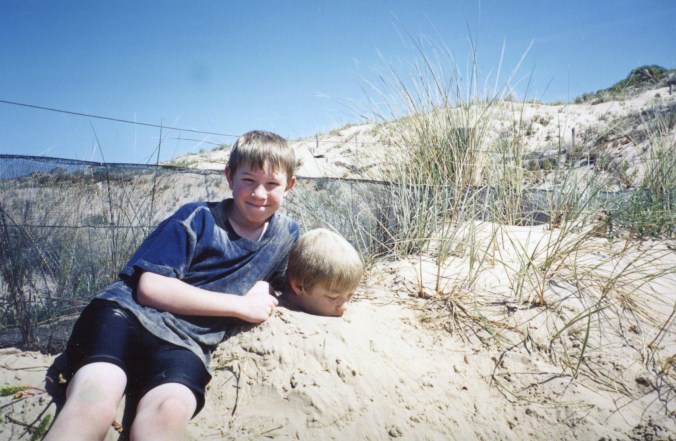
Now for the people, the twisting, turning people, their feet in the boggy sand. How do I paint them? I had a break and drank a cup of tea. I remember not all the children hunted for cockles. Some kids body-surfed in the shallows, some played cricket, and one little boy with a wish to be hunted, or to be warm, buried all his body except his head in the sand. I found him, and he broke out of his sand-grave, the sand zombie.

*[Photo 9: Sand-zombie © L.M. Kling 2002]

‘Don’t go tracking your sandy footprints into the shack,’ I said.

He washed himself off in the surf, then sat wrapped in a towel and shivering in the sun while watching the cockle hunt.

All the while, the “cocklers” cockled for cockle shells. Soon, the boy joined the hunt for cockles.

Then, when the paint was dry, I plotted the people in with a pencil and then painted them in with a finer brush.

‘I like that painting,’ a fellow member of the art group said. ‘Don’t do another thing to it. Don’t even frame it. I’ll buy it as it is. How much do you want for it?’

Paint barely dry, I took the work home, signed it, and then the next week at our Christmas lunch, I delivered Cockling at Goolwa to them. The buyer showed the work to others at their table, and all admired it.

[Photo 10: Watching the cocklers © L.M. Kling 2002]

What made another person connect with Cockling at Goolwa? For this person, their son and family spent many summer holidays at Goolwa, doing just that, cockling. Time out, out of time, unwinding, relaxing, happy times, happy memories, captured on canvas…in less than two hours. And I must admit, the story is slightly less than one thousand words.

But perhaps as you look at the copy of Cockling at Goolwa, you may have a story of your own about the painting. Maybe a painting’s story is not just one person’s story, but stories from many people, one thousand words, or more…

© Lee-Anne Marie Kling 2016; updated 2019; updated 2022; 2026

*Feature Painting: Cockling at Goolwa in Pastel © L.M. Kling 2022

***

Longing for more travel adventures?

Dreaming of exploring Australia?

Read the T-Team’s Aussie adventures, click on the links for my travel memoirs below:

The T-Team with Mr. B: Central Australian Safari 1977

Trekking the T-Team: Central Australian Safari 1981
Family History Friday–Grandpa Gross

Tale of Two Grandpas

Grandpa 1—Sam Gross

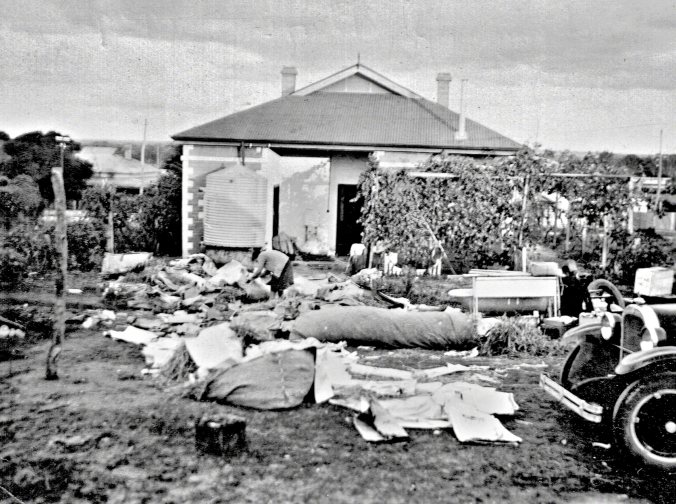
Recently I shared how my dad relied on the Readers Digest “How to Fix” book to tackle DIY jobs. Having a double mortgage, and money being tight, Dad didn’t have much cash to splash on the “experts” in such fields as plumbing, electricity and general home maintenance.

The response met with a hint of dismissal from my older friends who prided themselves on their pedigree of farmer fathers. These, they boasted were real men, Aussie men, who fixed all things by pragmatic problem solving without the help of a book. The wisdom of their farming forebears imparted to them by osmosis, apparently.


*[Photo 1: One of those Some Mothers do ‘ave ‘em moments © L.M. Kling (nee Trudinger) circa 1978]


In contrast, my father was a lesser being, a city dweller who had to refer to a book, of all things. My dad was a much-loved teacher, gifted in music, art and sport. He coached a winning football team of Indigenous players from Hermannsburg, Northern Territory in his youth, led a choir of Indigenous singers, and later school student Anklung bands for the South Australian Festival of Music. No flies on my dad. But I must admit, when it came to DIY, his forays into such exploits would rival the character Frank Spencer in the British sit-com, “Some Mothers do ’ave ‘em”. Still, I’m proud of my dad and love him.
But then I realised that these superior beings who were my friend’s fathers, were from my grandparents’ era.

So, I cast my mind and research back to my two grandpas: Reverend Sam Gross (my mother’s father) and Dr. Ron Trudinger (my father’s father).

Now these friends held up their ties to the land as superior. Although both my grandfathers are highly educated with Reverend and doctor between them, I can claim a link to the land too, through my maternal grandfather, Sam. His family were farmers with I imagine generations of farmers before them from Horsham Victoria in the 1850’s and extending back to Prussia.


*[Photo 2: The Gross Family Farmhouse, near Horsham, Victoria © L.M. Kling 1996]


Sam was born in 1905 and grew up with all that practical knowhow bred into his being. I never met Sam, he died before I was born, but I remember my mum saying he was good at fixing things like cars. He could’ve been an engineer, but he became a Lutheran pastor. I reckon my brother inherited some of Sam’s traits—he’s a jack of all trades—the ideal DIY man.

As a child, Sam suffered rheumatic fever which affected his heart. Consequently, he got the education with the view of becoming a minister and wasn’t expected to continue with the farm like his brothers.
The doctors told Sam he wouldn’t live past the age of thirty. But being extremely fit and maintaining his health, Sam defied those expectations.

After ordination to become a minister, and then a few years posted to Berri, in the Riverland of South Australia, Sam with his wife, Elsa (my grandma) and three young daughters (one my mother), ventured to Hermannsburg, Northern Territory. There God had called them to be missionaries to the Arrernte people.


*[Photo 3: Leaving Berri © S.O. Gross 1939]


Now, Hermannsburg is remote, more so in 1939 when they moved there. The settlement became even more isolated once war broke out.

*[Photo 4: Pastor Sam Gross with fellow ministers in Hermannsburg © courtesy of M.E. Trudinger circa 1940]


Sam’s pragmatic skills, bred and imparted to him from generations who had lived and struggled on the land as poor subsistence farmers in Germany, then as pioneer farmers in the Victorian Western districts in Australia, came to the fore in the harsh isolated conditions in Central Australia.

Sam had to venture to even more remote places in the desert west of the MacDonnell Ranges—Haast Bluff for instance. One trip in 1942, the truck broke down. Despite putting his mechanic hat on and trying to fix the car, an essential part of the engine was kaput and the much-needed part not available. Sam’s problem-solving prowess kicked in, donkeys were found and the car towed by donkey-power back to “civilisation”—Hermannsburg.

*[Photo 5: Donkey-power © S.O. Gross 1942]


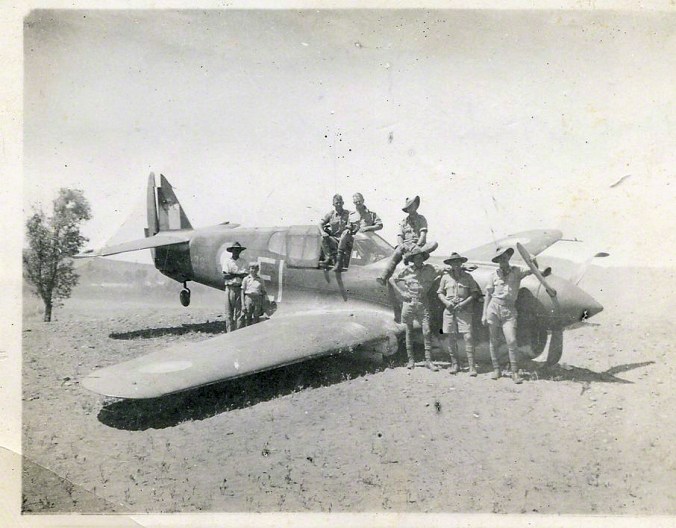
A year or so after their arrival in Hermannsburg, the supervising pastor, F.W. Albrecht was stuck in Adelaide as a result of the war. Hermannsburg came under suspicion, as it was a mission set up by German missionaries back in the 1880’s, and as such with ties to the Lutheran church, had a German name and tradition. The British Army being paranoid of anything that hinted of German, was suspicious of Hermannsburg. They feared German spies were hiding out there. So, they sent officers to check out Hermannsburg.

*[Photo 6: A visit by the Airforce © S.O. Gross circa 1942]


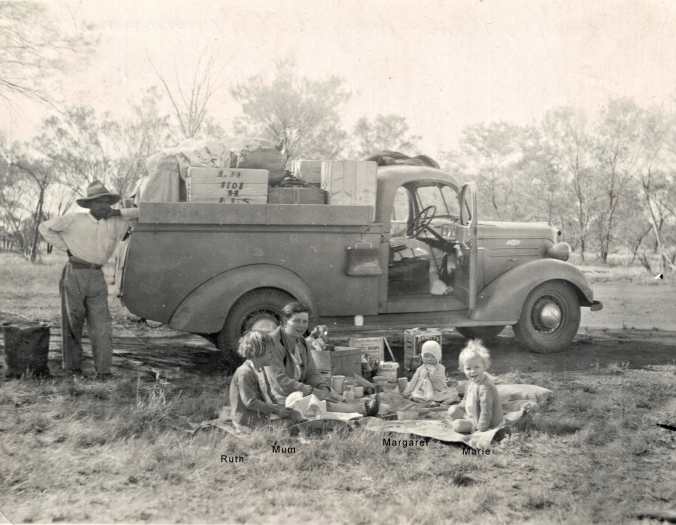
On one of these visits, without their chief, Pastor Albrecht, Sam and Elsa had to entertain these one-eyed wary characters. How did Sam survive their investigation? My mum says her father had the gift of the gab. My grandma had the gift of hospitality. In “A Straight-Out man” by F.W. Albrecht, I remember reading the Arrernte said that Sam would be alright, he’s so Aussie they won’t suspect him. Besides, the name Gross is found in England too. Also, Sam’s first language was English and when at school, he had trouble learning German. Although German was spoken at Hermannsburg and in the family, Mum can’t remember what they did when these British Intelligence Officers came, but thinks the children were kept out the way. Maybe someone took the kinder (children) on a picnic…


*[Photo 7: Mum and her sisters on a picnic © S.O. Gross circa 1942]


Sam and his family survived the officer’s interrogation. However, the pedal two-way radio was confiscated, and later Rex Batterbee was appointed to keep an eye on the mission. This Rex did and taught Albert Namatjira to paint.

There’s much more to Sam’s story. I think this post gives a glimpse into his generation and German farming ancestry, migrants making good, living in isolation, making do, thinking on one’s feet and problem-solving.

Did I mention Sam still found time to indulge (as the Mission Board put it—another saga) his passion for photography? He used these photos of Central Australia for deputations to garner support for the mission. Many of his photos are now stored in the Strehlow Centre in Alice Springs.

*[Photo 8: One of my favourites of Sam’s photos, Ghost Gum © S.O. Gross circa 1942]


And finally, Sam outlived his doctor’s expectations. He lived to the age of 57.

© Lee-Anne Marie Kling 2025
Feature Photo: Sam and Elsa Gross © courtesy M.E. Trudinger circa 1960


VIRTUAL TRAVEL OPPORTUNITY

FOR THE PRICE OF A CUP OF COFFEE (TAKEAWAY, THESE DAYS),

CLICK ON THE LINK AND DOWNLOAD YOUR KINDLE COPY OF ONE OF MY TRAVEL MEMOIRS,

EXPERIENCE HISTORIC AUSTRALIAN OUTBACK ADVENTURE WITH MR. B
IN

The T-Team with Mr. B: Central Australian Safari 1977

OR COME ON A TREK WITH THE T-TEAM IN

Trekking with the T-Team: Central Australian Safari 1981.
K-Team Travel with a tiny bit of Family History


[Have you ever been to a place and had an immediate affinity with it? Well, that’s how it was for me when the T-K Team on their Swiss adventures visited Murten. Loved the place. I’m sure, now, that it wasn’t just the perfect weather, the picture postcard views of the lake and the charming medieval architecture so perfectly preserved. There was something more, which I was to discover recently.


For a start, my younger son would insist on put a dampener on my dreams—’How can you be related? You’ve got no Western German in your ethnicity,’ he harped on and on about that point. Anyway, later, 2024-2025, My Heritage updated their research and I no longer feel like an imposter.
I am indeed, 38% Germanic. Phew! Now, the Traits recently available on My Heritage, well, that’s a different story. Talk about “Imposter syndrome”, but that will be for another time, another blog.


All I can say, is that there must be something in the connection I felt with the place. While doing my family history, I came across some ancestors, the De Bons, who lived in Murten, my five times great-grandfather was a protestant pastor in Murten. There were Huguenot connections in the family. And note the museum, where I mention that the Celts lived in Murten. According to my first DNA results from My Heritage, my ethnicity is 25% Celt.

Plus recently, as I’ve been digging into my ancestral history, I discovered more ancestors who lived in the nearby town of Estavayer-le-Lac, just a 24-minute drive from Murton. ]

Murten/Morat


Thursday, August 21, 2014, even earlier up as we planned to drive across the country to Bern and beyond, near the French part of Switzerland. Granny excused herself as the last two days had exhausted her and besides, she really needed to catch up with her uncle and auntie.


I might add here that Granny and her family, being Swiss German, were not fans of the French part of Switzerland. The feeling, I’ve heard, is mutual. (Thanks to Napoleon, the French part of Switzerland only became thus in the early 1800s. So, when my ancestors were living there in the 1700s, they would’ve identified as French.)


In Murten, the people speak French. So, when P1 spoke Swiss German to the Museum attendant, she was not amused. We almost didn’t get a Museum pass.


Back to the timeline, and some photos.


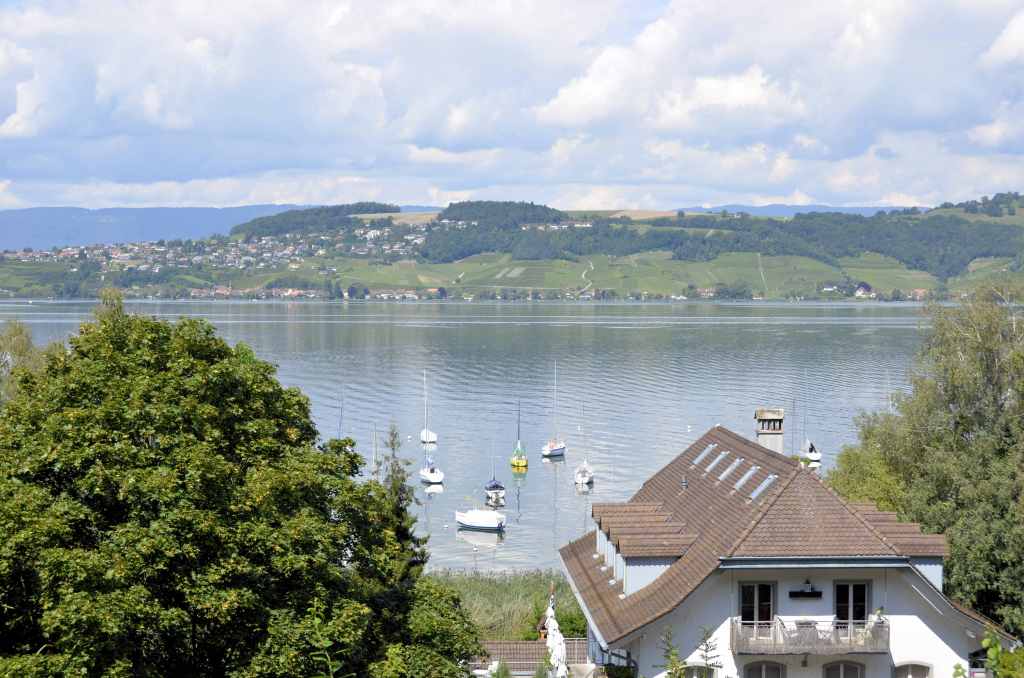
Despite Tomina’s (Tom Tom) and my under par navigational performance (early morning—yawn), we arrived at 11.30am in Morat/Murten and relished a day of summer, eating lunch by the lake, exploring the Old town and its buildings garnished with flowers, the museum of Stone Age, Celtic, Roman and Medieval relics spanning 10,000 years of human settlement around Murten. Followed by a visit to the Roman ruins in Avenches, the ancient capital of the Roman province of Helvitica.


On our return, we suffered the frustration stuck in peak hour traffic, and Granny suffered stress worrying about our late arrival “home”.

Photo 1: Perfect summer’s day on Murten Lake © L.M. Kling 2024
[Photo 2: Gnomes © L.M. Kling 2014
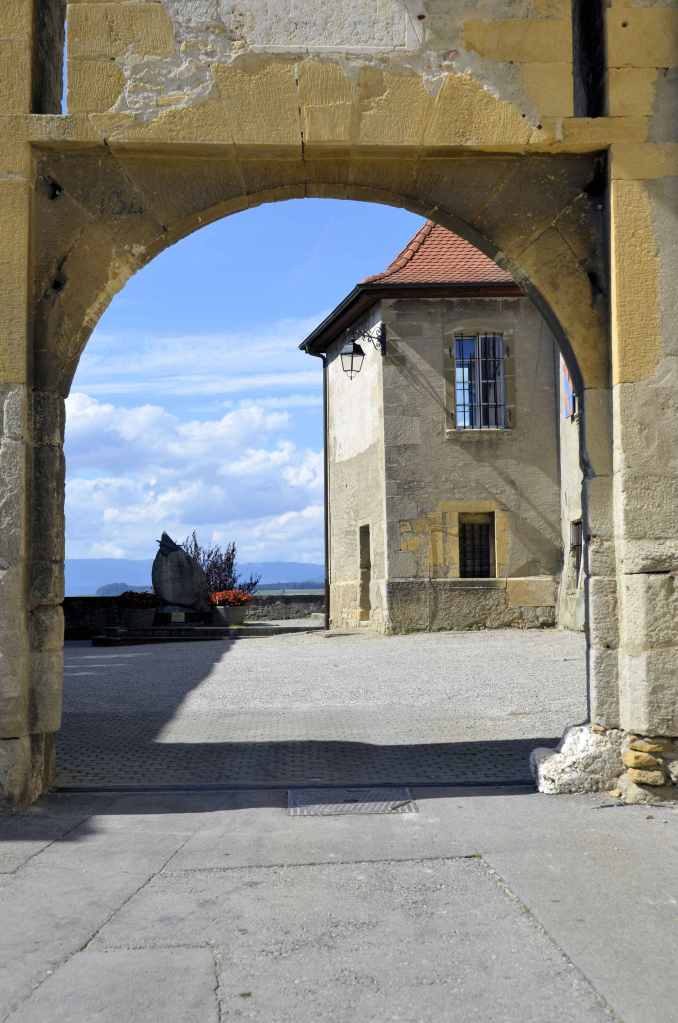
[Photo 3: Archway © L.M. Kling 2014]
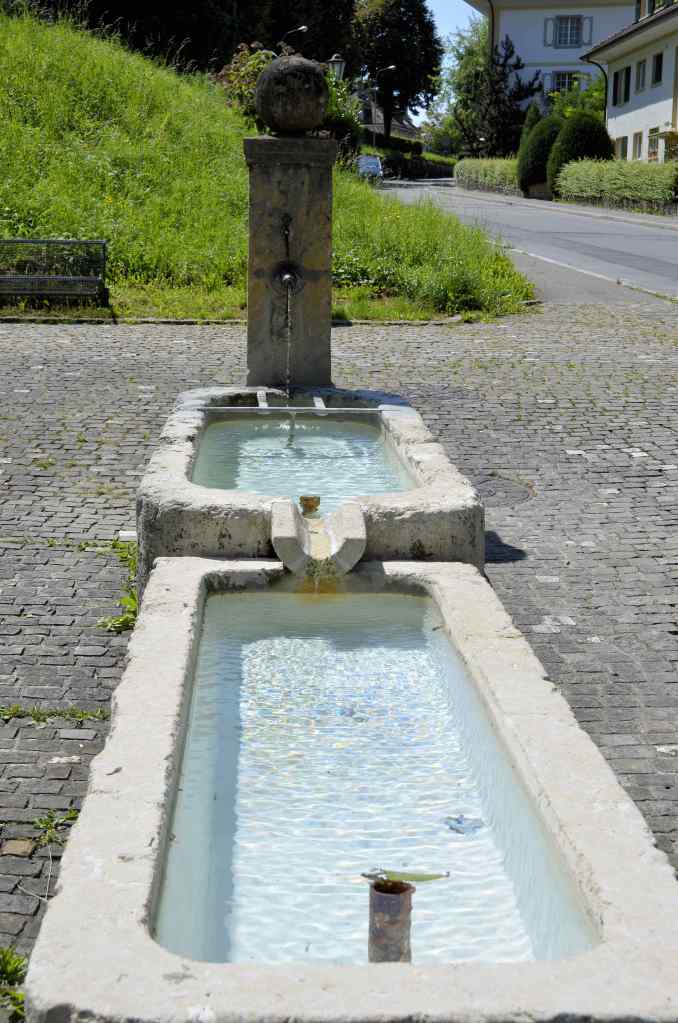
[Photo 4: Water for all © L.M. Kling 2014]
[Photo 5: Museum © L.M. Kling 2014]
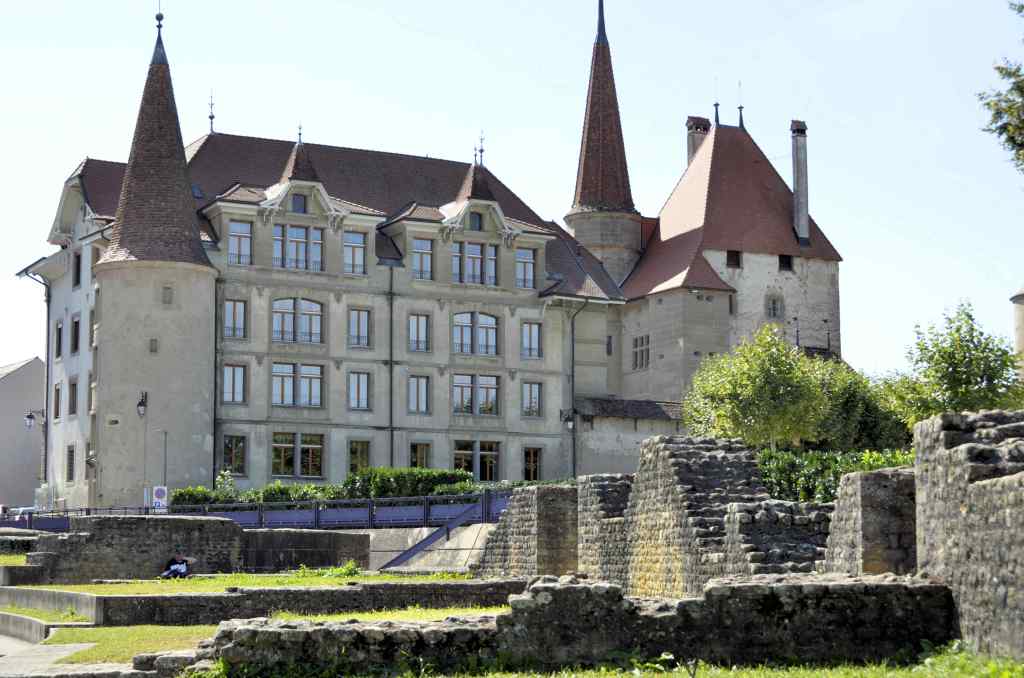
[Photo 6: Charming Castle with Roman ruins (foreground) © L.M. Kling 2014]
[Photo 7: Where are all the people? © L.M. Kling 2014]
[Photo 8: Roman tunnel © L.M. Kling 2014]
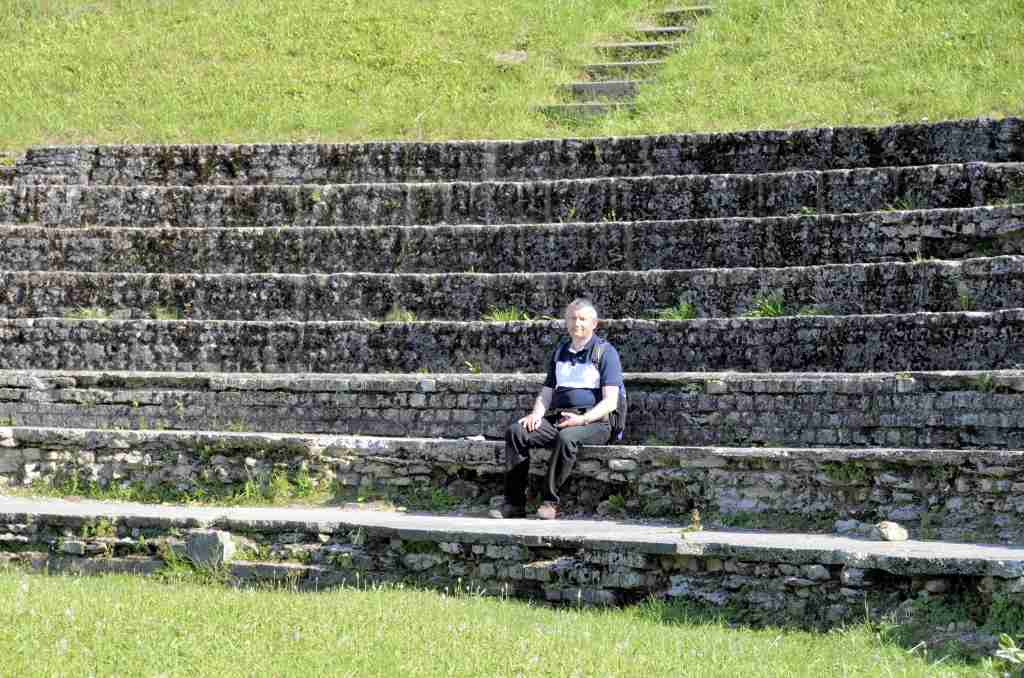
[Photo 9: Lone spectator at old Roman amphitheater, Avenches © L.M. Kling 2014]

© Lee-Anne Marie Kling 2014; updated 2024
Feature photo: Murten/Morat © L.M. Kling 2014

***

VIRTUAL TRAVEL OPPORTUNITY

FOR THE PRICE OF A CUP OF COFFEE (TAKEAWAY, THESE DAYS),

CLICK ON THE LINK AND DOWNLOAD YOUR KINDLE COPY OF ONE OF MY TRAVEL MEMOIRS,

EXPERIENCE HISTORIC AUSTRALIAN OUTBACK ADVENTURE WITH MR. B
IN

The T-Team with Mr. B: Central Australian Safari 1977

OR COME ON A TREK WITH THE T-TEAM IN

Trekking with the T-Team: Central Australian Safari 1981.
Ready for the Weekend Friday–Blowouts and Bulldust

T-Team Next Gen
Wednesday July 10, 2013

[Eleven years ago, the T-Team, next generation embarked on their pilgrimage to Central Australia. Purpose: to scatter Dad’s ashes in his beloved Central Australia, in Ormiston Gorge.
In “Ready for the Weekend Friday”, I will take you on a virtual trip to the Centre and memories of that unforgettable holiday in 2013, with my brother and his family; the T-Team Next Generation.
This time, the T-Team make their way, rather precariously, to Alice Springs.]

Rest Stop at Curtain Springs

We paused for lunch at the rest stop just outside Curtain Springs. There we sat and ate our sandwiches and watched the passing parade of tourists, trundling through in their RVs, and caravans. They’d park, snap a few photos of Mt Conner, walk stiff-legged to long-drop toilet, then stagger out waving the flies away before climbing back into the comfort of luxury on wheels and trundling away down the road to Uluru.

[Photo 1: View of Mt. Conner © L.M. Kling 2013]


A big bus roared into the rest stop and a young Indigenous family alighted. The wife and children joined the queue for the toilets. Meanwhile, the husband gazed at the view of Mt Conner. As he walked back to his bus, he gave a nod and greeted us. He was the only one of the passing multitudes who did.

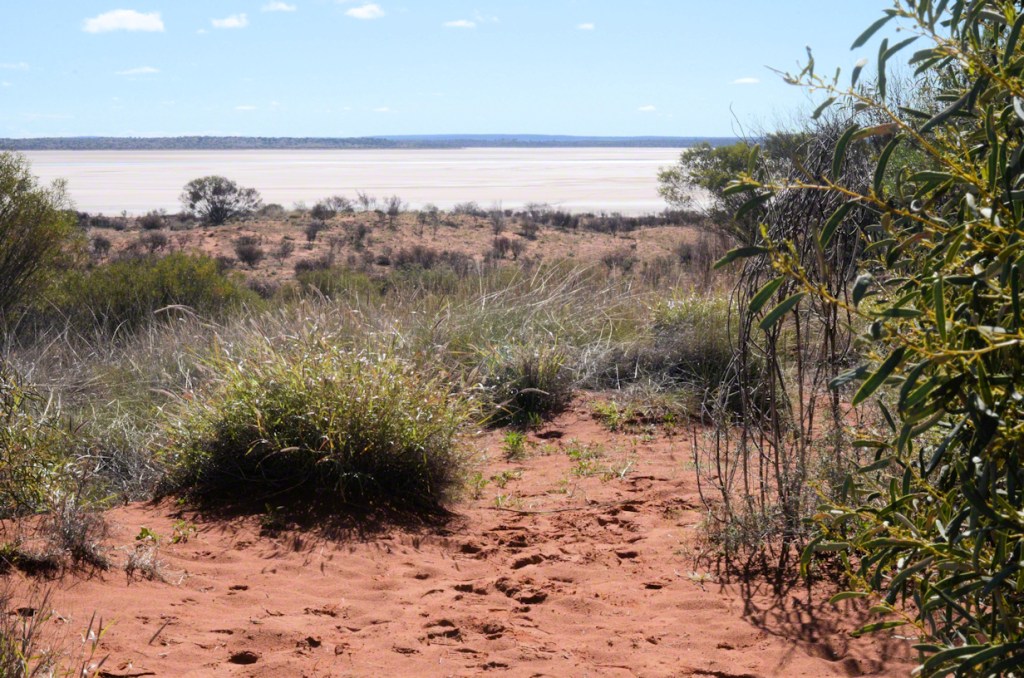
After our lunch, Anthony and I climbed up the sand hill opposite the rest stop. At the top, we viewed a salt lake in the distance. Maybe, I assumed, it was the tail-end of Lake Amadeus.

*[Photo 2: Salt Lake © L.M. Kling 2013]

‘Wow!’ I said, ‘and all those tourists just go past and never bother to climb this hill and see the lake.’

No answer.

I turned. Where was Anthony? I scrambled around the scrub in search of my husband. ‘Anthony? Where are you?’

No Anthony in sight, I assumed he had returned to the car. Upon my return to the car, I discovered he was not there either. After checking the toilets and discovering only flies and the stink, I traipsed up the hill again. Where was he?

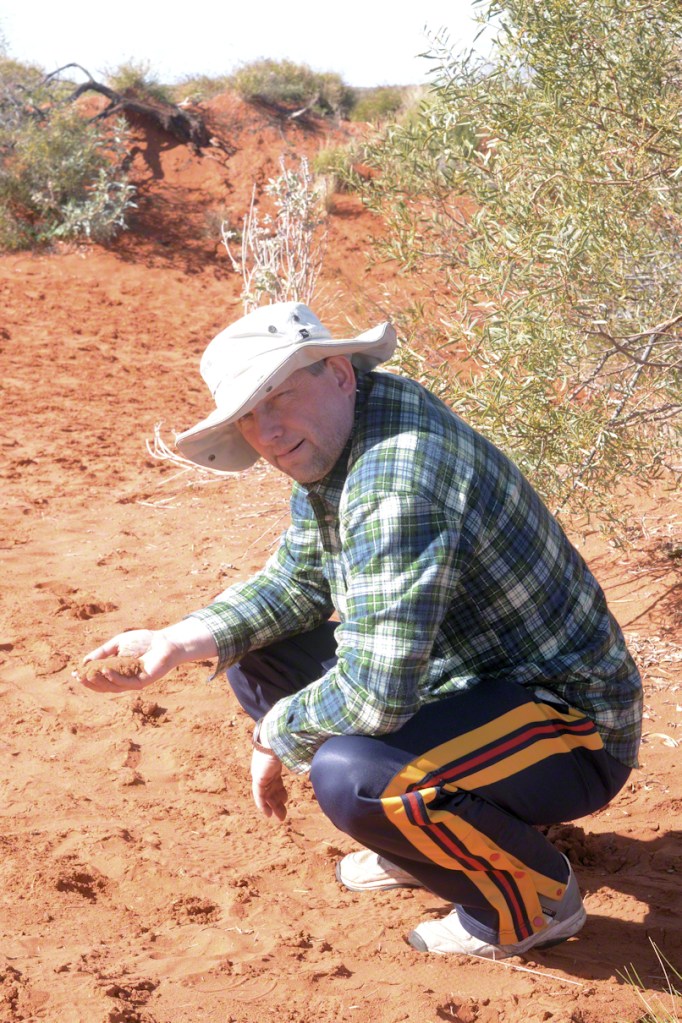
Just as I was about to give up on him and call in a search party, I almost stumbled over Anthony. He was squatting on the sand, sifting the grains through his fingers. ‘I can’t believe how red the sand is,’ he said.

[Photo 4: Amazing! Beautiful! Anthony “Harry Butler” K © L.M. Kling 2013]


Rock’s Revenge


At Erldunda we filled up the car with gas and I took over driving. As we headed for Alice Springs, I remarked, ‘The T-Team must almost be in Alice Springs.’
‘Mrs. T will like that,’ Anthony replied, ‘she was in a hurry to get there.’
‘Do we know how to get to her friend’s place where we are staying?’
My husband shrugged.
‘Guess we’ll have to call my brother and get directions. Haven’t got their friend’s address,’ I said.
‘Or we could stay in a motel.’
‘That’s an option, if we can’t contact them.’
Anthony sighed, ‘Yeah, but, how easy will it be to find accommodation if we haven’t booked?’

*[Photo 4: Possible Pit-Stop by side of the road © L.M. Kling 2013]

We hadn’t travelled more than 40 km when we spotted a family on the side of the road and in distress. Maybe we should stop and help them, I thought.

As I slowed down, I noted that a lady stood at the edge of the road waving her arms.
‘What the heck?!’ Anthony exclaimed.
‘I think they’re in trouble,’ I said, and as we drew closer, ‘It’s Mrs. T waving her arms about.’
I braked.
‘Hey! Not so hard!’ Anthony screamed.
Took my foot off the brake and then eased the car to a stop by the side of the road. All the while the T-Team grew smaller and smaller in our rear vision mirror.

‘What! Stop! What are you doing? Stop! Brake hard!’
I slammed my foot on the brake and jolted to a stop on the dirt.
‘Why did you stop so far away? Reverse back to them,’ Anthony snapped.
‘No!’ I retorted. ‘We can walk. Who knows what junk is lying in the dirt ready to puncture our tyres.’

*[Photo 5: Operating on the trailer © L.M. Kling 2013]

In a huff, my husband raced ahead of me to where Richard was operating on the trailer. As I approached the T-Team, I noticed that my brother was pulling off one tyre carcass and proceeding to mount the spare.

‘The tyre got staked,’ Mrs. T held up what looked like an antenna, ‘by this metal thing.’

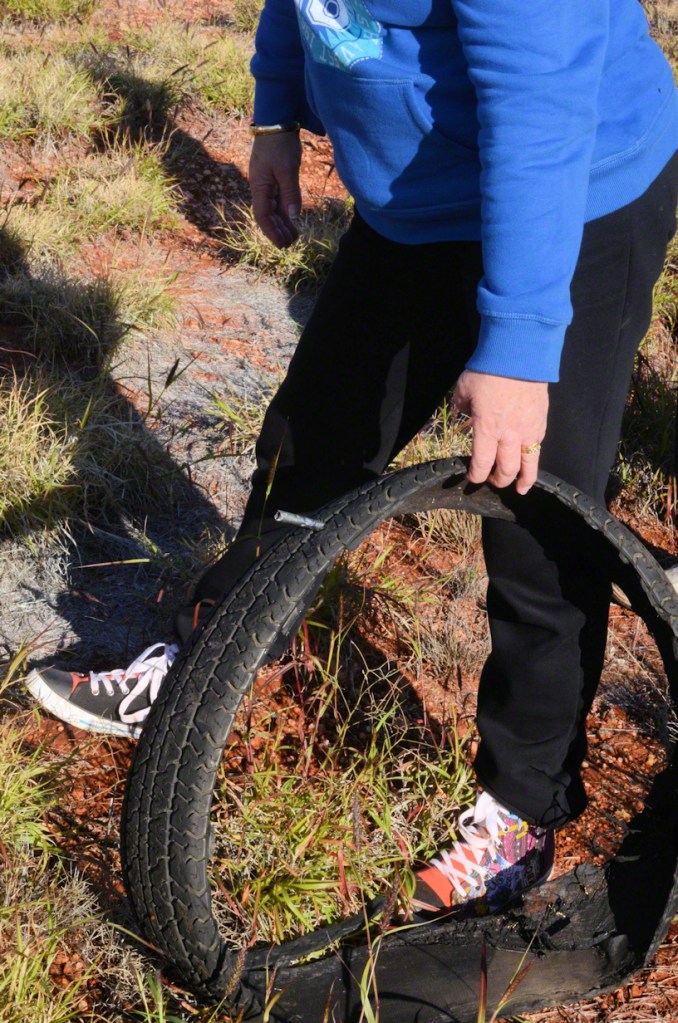
*[Photo 6: Tyre Carnage © L.M. Kling 2013]

‘And we’d just changed a tyre at Erldunda; one that got shredded,’ Richard pointed at some rubber remnants on the verge, and then shook his head. ‘The mechanic didn’t do anything about wheel-balancing. The tyres got so worn they came to pieces. The other tyre was nearly worn through, so I changed them around.’

I took some pictures of the tyre carnage.

*[Photo 7: More Tyre Carnage © L.M. Kling 2013]

‘Why do we have such bad luck?’ Mrs. T cried.
‘It’s the curse of the Rock,’ my older niece said.
‘Who stole a rock from the Rock?’ my nephew asked.
The T-Lings had been sitting in the van playing their phone games, but they emerged to join in the family conversation.

‘What d’ya mean?’ Mrs. T said. ‘I bought this rock as a souvenir!’
‘Yeah, but, my brother did run down the Rock barefoot some twenty years ago,’ I laughed. ‘Perhaps the Rock remembers.’
‘Well, one thing for sure,’ Richard rubbed his hands, ‘first thing tomorrow, I’m ringing the mechanics who did our wheel balance…’
‘It’s just not safe,’ I said.
‘I know,’ my older niece held up her hands as if holding a steering wheel at an angle, ‘I told them something was not right and that I had to hold it like this all the time. But they wouldn’t believe me.’

*[Photo 8: One last bolt to tighten © L.M. Kling 2013]

With tyres fixed and resolution to acquire replacements in Alice Springs, plus promises to catch up in the same town, the T-Team disappeared down Stuart Highway in the late afternoon haze.

But our ordeals reaching our next place of accommodation were not over yet.
[To be continued…]

© Lee-Anne Marie Kling 2020
*Feature Photo: More Tyre Carnage © L.M. Kling 2013


VIRTUAL TRAVEL OPPORTUNITY

FOR THE PRICE OF A CUP OF COFFEE (TAKEAWAY, THESE DAYS),

CLICK ON THE LINK AND DOWNLOAD YOUR KINDLE COPY OF MY TRAVEL MEMOIRS,

THE T-TEAM WITH MR. B: CENTRAL AUSTRALIAN SAFARI 1977

Trekking With the T-Team: Central Australian Safari